


A pipeline of $1.2 billion in infrastructure projects – including an expanded cargo port, new prison facilities and upgrades to all three airports – are expected over the next five years, according to a report by consultants KPMG.
Rapid population growth – there was a 14% surge in people living in Cayman between 2021 and 2022 – means significant investment is needed across a number of areas, the advisors report.
They estimate a minimum capital expenditure of $1.2 billion would be needed over the next five years to complete the projects outlined by government in its Strategic Policy Statement for 2024-2026.
That could increase to $2 billion over the longer term, with multi-year projects like the airports expansion requiring investment over a number of years.
Beyond those major projects there is a need for more classrooms, more affordable housing and new investment in public transport.
“Such growth in a short period of time has put extreme pressure on infrastructure and resources on the islands,” Sam Story, head of infrastructure for KPMG in the Cayman Islands, wrote in the report.
“As a result, a large portion of the islands’ infrastructure is operating at, or past, capacity. Now, more than ever, there is a need to implement an inclusive, sustainable, and environmentally conscious infrastructure investment strategy and action plan.”
The report, Infrastructure Spotlight, which also covers the Bahamas, includes a summary of all major projects proposed by the Cayman Islands government.
“The Cayman Islands is considering the long term master-planning of its airports, port and public transportation system, whilst currently undergoing an overhaul of its public schools and further education facilities. The jurisdiction is also focused on cleaning up its waste management system, increasing its affordable housing provision, and expanding its use of renewables,” it states.
While some of the budgets are unknown or are considered confidential, a high level expectation of the projects’ costs were factored into the overall capital expenditure estimate.
The pipeline of projects outlined includes:
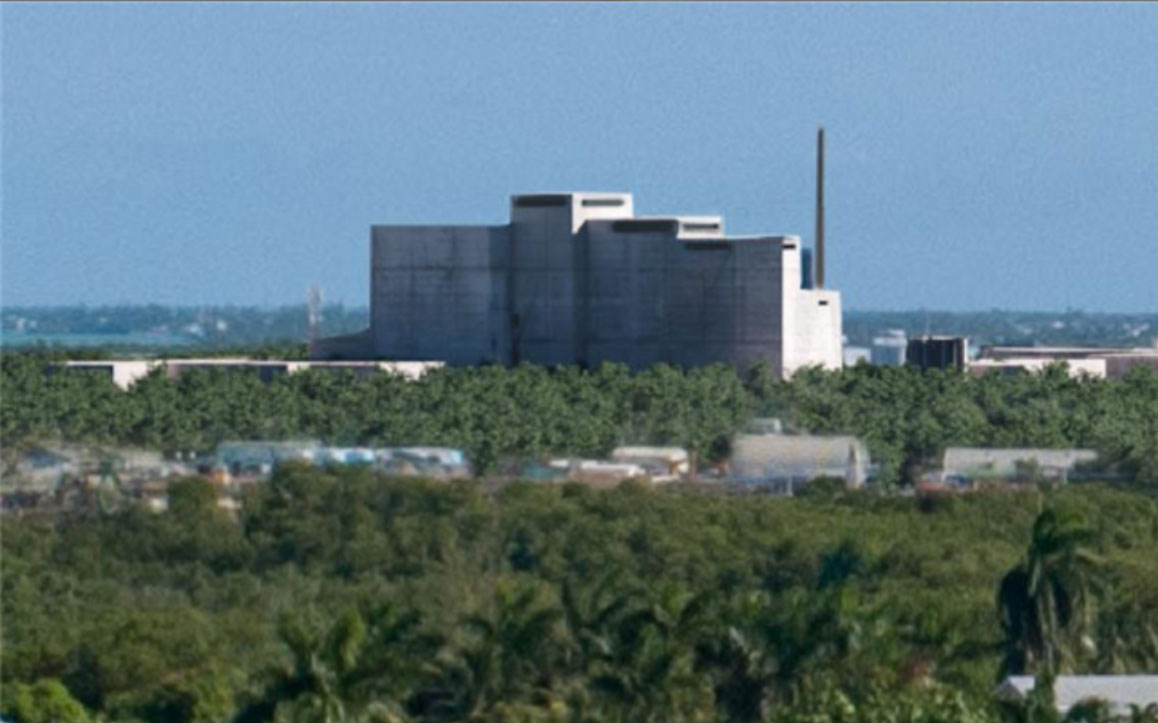
ReGen: Transforming Cayman’s landfill site into a waste-to-energy and recycling centre to create a sustainable solution for waste management in the Cayman Islands.
Cargo port development: Aims to either expand or relocate Grand Cayman’s cargo port, which is expected to reach capacity within the next 10 years. Expanding on site is estimated to cost $73 million according to the Strategic Outline Case for the project.
Submarine cable: Aims to modernise the Cayman Islands’ submarine cable infrastructure.
East-West Arterial expansion: Build a multi-lane highway that helps connect George Town to North Side.
Sunrise facility: Develop a new facility to allow the Sunrise Adult Training Centre to expand and offer improved services to adults with disabilities.
Prison estate development: Aims to develop a new prison facility that consolidates the inmate groups onto one premises with a capacity of 250 prisoners. The target completion date is 2027.
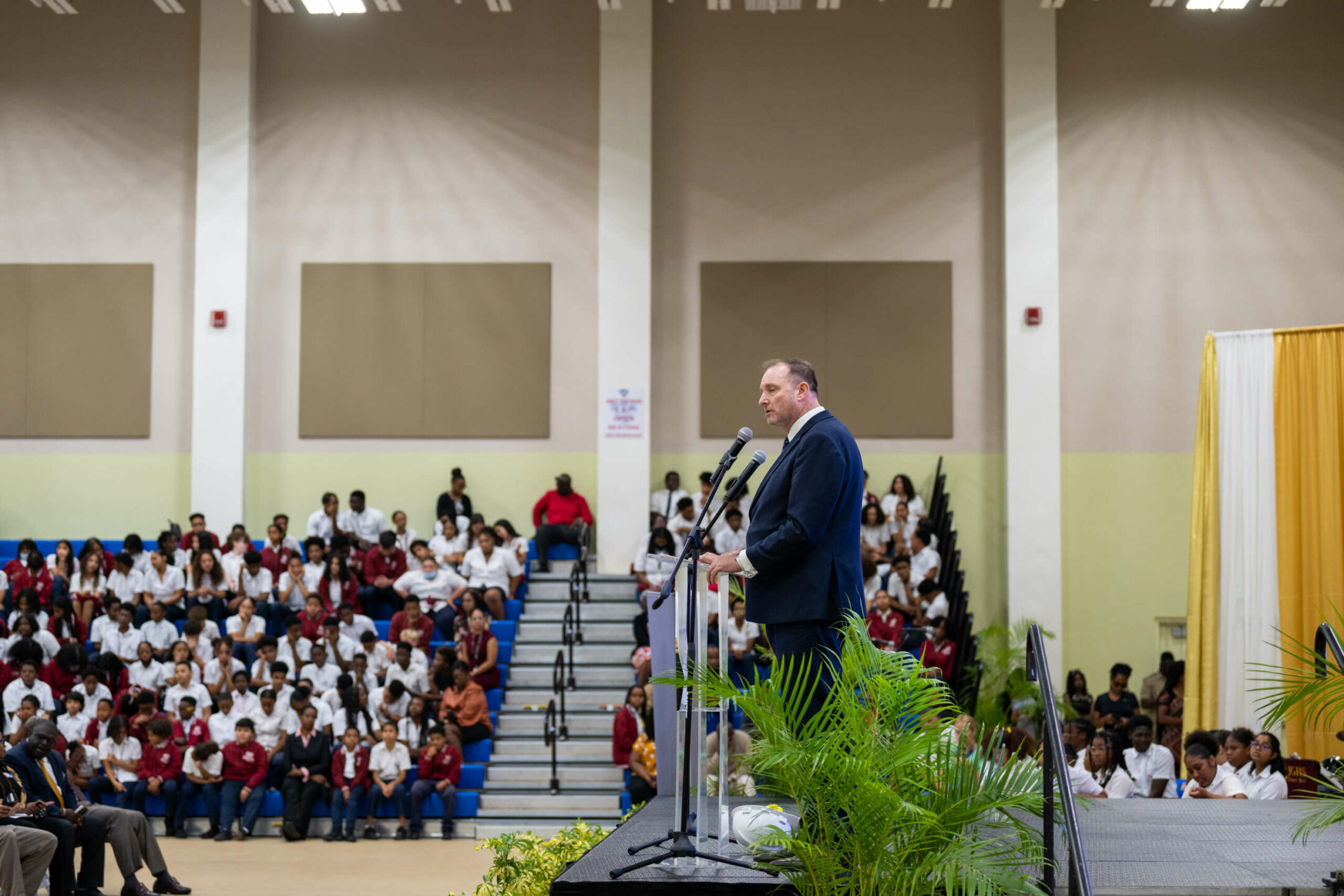
High school and further education: Projects B and C of the John Gray High School rebuild aim to improve the Cayman Islands Further Education Centre campus and complete new sports fields. A brand new high school is planned for Cayman Brac and a fourth academy is planned at Clifton Hunter High School to increase capacity.
Lighthouse School: This project aims to expand the Lighthouse School that provides therapy and education for children with special educational needs.
Edna Moyle Primary School: This project aims to build a new facility to house the Edna Moyle Primary school located in North Side.
Beach renourishment: The project aims to restore parts of Seven Mile Beach which have been stripped of sand as a result of storm damage and erosion.
Transport plan: The objective of this project is to review options that would enhance the local transport network with the aim of implementing a national public transport bus network and expanding the existing 10 routes currently available.
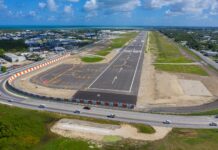
Airports development: This project aims to increase capacity of all three airports across the Cayman Islands’ while improving the layout and branding of the terminals to enhance efficiency and attract high net worth individuals through luxury branding.
Affordable Housing Initiative: This ongoing project aims to increase the number of affordable homes in the Cayman Islands. The Ministry of Planning and Infrastructure is aiming to develop and implement an affordable housing policy and 10-year strategic plan in 2024.
Financing challenges
Financing such a large suite of projects is likely to be unsustainable for government alone, despite its comparatively strong financial position compared to regional peers. Borrowing rules set by the UK government limit the number of capital projects that Cayman Islands government can self-fund.
The report adds that, “In the Cayman Islands, the high cost of construction materials and labour makes infrastructure projects particularly expensive.”
Speaking to the Compass, Story said a combination of public private partnerships – in areas where there was an incentive for private companies to be involved – and direct government funding – were the most likely options for Cayman.
He said a balanced approach would be needed.
“While partnering with the private sector can bring needed funds, it requires government to give up an element of control over a national asset. Typically it also results in a higher long-term cost to government, where projects fail to generate sufficient revenue to repay the private sector’s invested capital and required returns,” he said.
“For public schools that do not generate a direct financial return, financial viability makes PPPs highly unlikely, whereas for a major airport, it is typically the deemed loss of control that might discourage a government from a PPP – although many international airports have been developed through PPPs now.”
The ReGen project is Cayman’s first public-private partnership and could prove a template for similar partnerships in future.
“PPPs can be particularly effective in leveraging private sector investment to finance infrastructure projects while appropriately sharing risks and rewards between the public and private sectors,” the report adds.
Taking a broader view, the report indicates that many islands, including Bahamas and Cayman, suffer from a shortfall in infrastructure spending.
It cites investment as important to growing and sustaining economic success as well as meeting sustainability goals and safeguarding the wellbeing of the people.
“Appropriate investment in infrastructure is key to the survival of communities in the face of challenges that exist in the modern world. From global pandemics to climate change, the need for reliable and resilient infrastructure is vital,” the report states.
“The need to improve existing and develop new infrastructure is heightened in island communities where resources are constrained and under pressure from factors such as population growth, the impact of natural disasters and climate change, and reliance upon external supply chains.”
Related Videos









Relocation of the port would be HUGE for development of George Town! You could really develop a beautiful, clean waterfront experience to attract new residents.