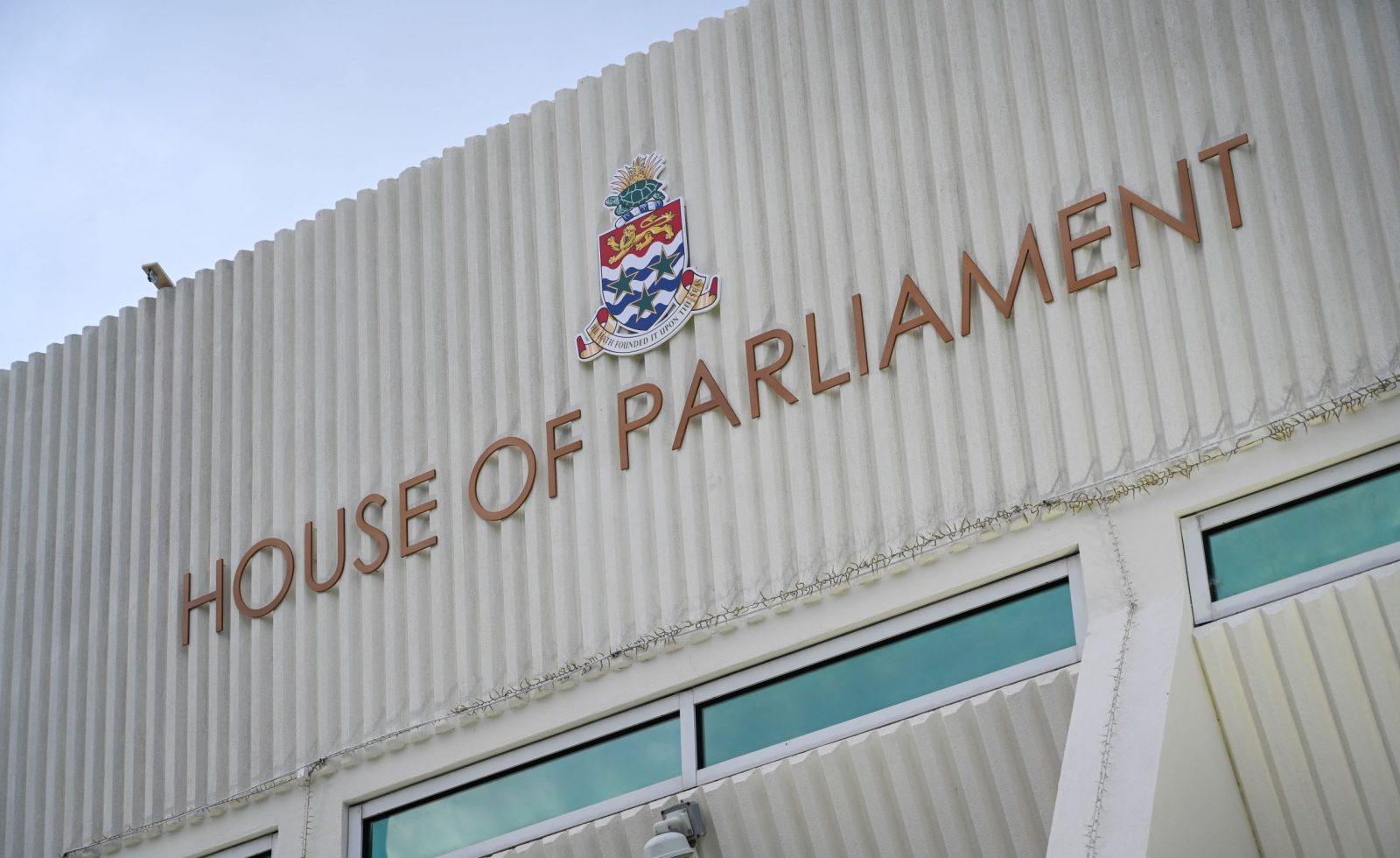
The growth of the Cayman Islands’ economy is likely to slow in 2024 but will remain steady in the following several years, Premier Juliana O’Connor-Connolly has said.
When she presented the Cayman Islands’ budget for 2024 and 2025 to the House of Parliament on 8 Dec., she pinpointed several sectors as contributing to the deceleration.
After recording nearly 30% of growth in 2023, the accommodation sector is expected to record an average growth of just 14.9% over the coming years, she said.
Meanwhile, the transportation sector, which is projected to have expanded by 9% by the end of 2023, will drop to an average growth of 3.1% between 2024 and 2027.
However, in a positive contrast, she said the inflation rate in the Cayman Islands is also likely to drop from 5.2% this year, to 2.2% annually between 2024 and 2027.
Economic forecasts
Due to global uncertainties such as fuel supply, geopolitical tensions and high interest rates, projections for Cayman’s economy anticipate a 3.1% growth in 2023.
This is expected to decelerate to 2.2% in 2024 and average out at 2.5% between 2025 and 2027, the premier, who is also minister for finance and economic development, said.
The accommodation sector is expected to expand by 29.9% in 2023 as a result of global consumer demand remaining strong, she continued.
However, the sector is projected to record an average growth of just 14.9% per year between 2024 and 2027.
The transportation sector is likely to expand by 9% in 2023 before moderating to an average growth of 3.1% between 2024 and 2027, the finance minister continued.
Despite inflationary pressures and tighter monetary policy, the finance and insurance services sector is projected to expand by 1% in 2023 and 1.3% in 2024.
“This steady performance is supported by stable demand for financial and insurance services and government initiatives,” the premier said.
Growth in the sector is expected to average 1.7% over the medium term.
The business services industry is projected to expand by 1.9% in 2023 before growing at an average rate of 2.6% per year between 2024 and 2027.
The wholesale and retail sector is forecast to rise by 3.4% in 2023, with an average increase of 1.4% annually between 2024 and 2027.
The electricity and water sectors are expected to expand by 3.7% and to an average of 2.6 percent annually between 2024 and 2027.
In the construction sector, growth is expected to slow as the cost of funding for mortgages and investments rises.
But several large-scale hotel and commercial projects could contribute to a modest expansion of 0.5% in 2023, averaging 1.9% annually between 2024 and 2027.
The real estate sector is also anticipated to grow moderately due to increased interest rates.
It is projected to grow 0.2% in 2023 and 0.8% in 2024, averaging 2.1% annually between 2025 and 2027.
Over the medium term, labour demand is anticipated to align with GDP growth, driven by the expansion of accommodation services and supporting sectors, the premier explained.
“Government initiatives prioritising the integration of Caymanians into the workforce aim to sustain low unemployment levels,” O’Connor-Connolly said.
“Training and mentorship programmes for Caymanian youths are expected to contribute to retooling efforts.”
A generally balanced labour market is expected, with a forecast unemployment rate of 2.5% in 2023 and an average of 2.7% in the remaining four years.
Inflation forecast
In 2023, inflation in the Cayman Islands is projected to total 5.2%, with an average inflation rate forecast to be 2.2% annually between 2024 and 2027.
“The global economy is facing various risks and uncertainties in the post COVID-19 era,” the premier said.
“Factors such as pricing pressures and labour market disruptions are challenging economic recovery.
“Despite these challenges, the global economy has shown resilience, with positive growth in economic activity due to sustained demand.”
She said there remains concerns about the impact of supply restrictions by Saudi Arabia and other OPEC countries, which have led to higher input costs and shipping charges.
Slowdown in international demand for financial and accommodation services could hinder Cayman’s projected growth, the premier told parliament.
“Higher interest rates could limit investments, weigh on mortgage loans, slowdown residential demand and further increase the cost of living,” she added.
“However, the general consensus seems to be an expectation of interest rates actually declining in the near- to-medium term.”
Related Videos