Imagine being able to find and take action against painful medical conditions like gout, diabetes and even cancer before they wreak havoc on your life.
This is the hope that new technology at the Health Services Authority is offering patients seeking a better quality of life, especially those struggling with chronic illness, cancer and weight-management challenges.
The newly acquired iDXA bone density scanner can help locate problem areas in the body, and its data can then be used to help patients take corrective action and live more comfortably.
“The iDXA scan is revolutionary in helping persons to manage obesity and to manage the renal concerns because the body composition [scan] gives information about what areas can be targeted, especially for weight loss, and for management of the metabolic disorders [like diabetes],” HSA radiographer Asharah Walker explained.
The scanner, she said, is painless and uses very a low radiation dose which also makes it safer for children and the elderly.
It is one of the few available in the Caribbean, she added.
Battling chronic disease
With Cayman already facing challenges with chronic diseases like diabetes and lifestyle-related conditions, Walker said, using the data from the scanner will enable individuals to map out targeted treatment with their healthcare professionals.
“Detecting the problems early before they become a major concern is important, and it would be helpful with management of obesity, management of renal problems, to have these kinds of studies done to make sure that we reduce the chronic stages of the illness like diabetes and obesity,” she said.
By way of example, Walker said, if there are calcium deposits all over the body, which can be related to high uric acid content, and can cause painful conditions like kidney stones or gout, these can be detected using the scanner and then treated.
The scanner, Walker said, is also helpful in treating chronic diseases that affect the bones and can also assist in the early detection of bone deposits in the body in cases like multiple myeloma or bone cancer.
Cost-saving care
Apart from body composition, the scanner is used to measure bone strength and thickness which helps to identify conditions such as osteoporosis or if a patient is at risk for fractures.
“With the iDXA scan, we are able to assess your bone mineral quality and we get to see how high it is,” Walker said.
Based on those results, doctors will be able to prescribe medication, especially to increase calcium levels and strengthen the bone, which would reduce the likelihood of fractures, she explained.
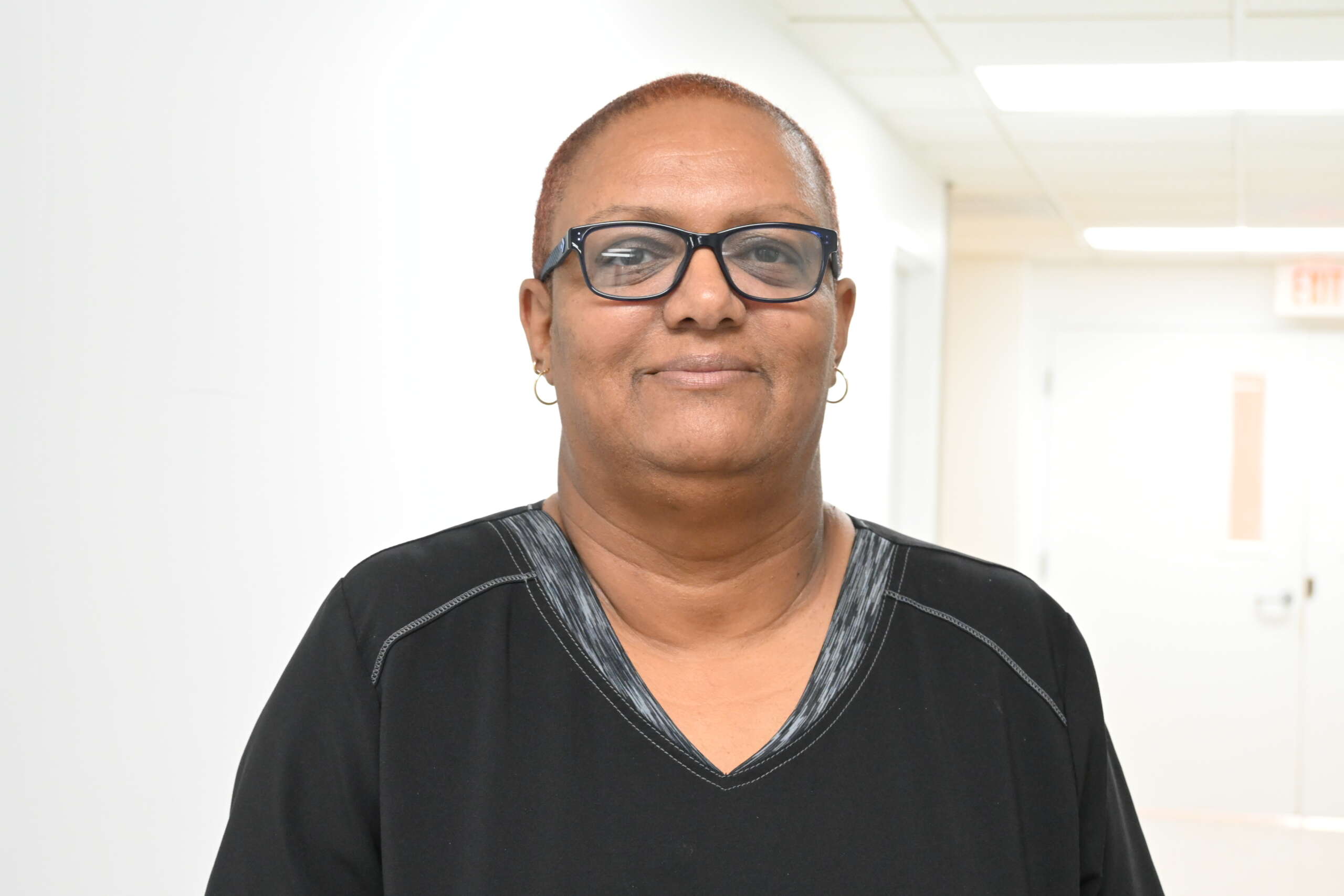
Patient Lovetta Frederick sustained a painful shoulder injury two years ago which required surgery. Since then, like many in the community, she has had to pay thousands of dollars for overseas treatment and scans.
Now she says with the new scanner on island she can check on her progress in Cayman and monitor any changes in her bones.
“I always do my bone density because I’m a high-risk patient,” she said, adding that medically she can have a peace of mind that “everything is okay by doing the test here on the island and I didn’t have to wait long for the results”.
The best part, she added, is “the savings, the cost savings.”
“It’s good that we have it here on the island because I used to have to go overseas to do it and it’s great that exposure to radiation is lower now,” Frederick said.
She encouraged others to get their bone density checked, saying, “It’s a good thing to know what your status is with your bone density.”
How it works
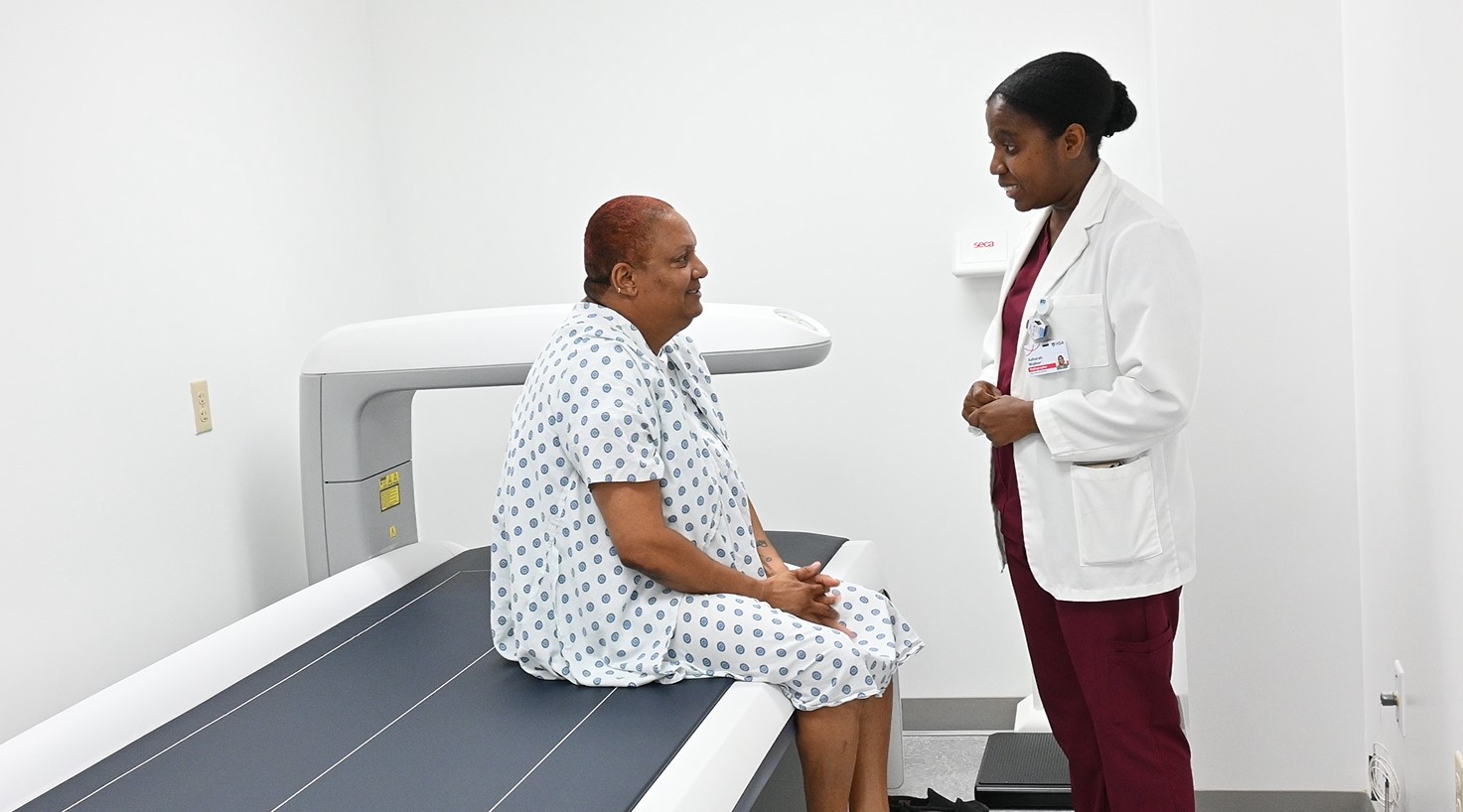
Walker said unlike with X-ray machines, the bone density scanner comes with a cushioned bed and is automated, and the patient lies still during the procedure.
The time it takes for the scan depends on “what part of the body we’re imaging”, she explained. It can take as little as five minutes or, in the case of checking the whole body, “we’re going from head to toe, that can take up to 15 minutes”.
She said women who are 65 should get a baseline scan done.
However, a patient with clinical factors such as low body weight, smoking, family history or a previous fracture should consider getting tested in early menopause.
Men can start testing at age 70, but if there are other risk factors they should start getting scanned at age 50.
In a press release announcing acquisition of the new scanner, the HSA said it would “significantly reinforce preventative care”.
HSA Medical Director Dr. Delroy Jefferson said, “Preventive care is about empowering patients with knowledge and tools to safeguard their health. By identifying individuals at risk for osteoporosis or other related conditions early on, the HSA will be better able to implement proactive measures and lifestyle interventions to mitigate the progression of these conditions. This will make a substantial difference in our patients’ lives.”
Walker noted that to schedule a bone density scan a patient be referred by their doctor.
Related Videos