

Animal-welfare organisations throughout the Cayman Islands are struggling to meet the ever-growing challenge of having too many abandoned cats and dogs.
The Cayman Islands Humane Society is weeks away from breaking ground on a new animal shelter.
Cayman Animal Rescue Enthusiasts has almost doubled the number of weekly appointments it arranges for spay and neuter.
One Dog at a Time helped 365 animals last year, one every day of the year.
The Department of Agriculture-run pound has limited capacity while construction continues on its kennels. In the meantime, other organisations have worked to address the overflow.
In February, the department reported that it took in 13 stray dogs, most from Bodden Town. Three were surrendered, and two were reclaimed. While zero dogs were directly adopted, the department transferred three to the humane society and six to ODAAT.
Unfortunately, resources are limited, and the department euthanised four dogs, and five by request. But community organisations are taking in animals where they can until the department is back to full capacity.
New shelter in two years
The Humane Society is on track to being able to accommodate more pets, once the new shelter is built.
Upcoming events
For those seeking some Easter weekend entertainment, One Dog at a Time is holding its Cayman Kitefest fundraiser from 1-4pm on Monday at Kaibo. Entry is $10 per category, with funds going to support the organisation’s operations.
One of the Cayman Islands Humane Society’s biggest annual fundraisers, the Furball Gala, is scheduled for 24 May. The soiree begins at 6:30pm at the Kimpton Seafire Resort. Tickets are $200 a seat and are available online or at the shelter.
Operations manager Samantha Cooper said the project will take two years, so ideally it should be up and running in early 2026.
Extra space will be a boon. With its current facilities, it took in 536 animals – 288 cats and 248 dogs – in 2023. Of those animals, 47 came from the Department of Agriculture. Another nine came from other rescues.
In the first two months of this year alone, the Humane Society took in 116 animals.
“Seven of those have come from the Department of Agriculture,” Cooper said. “Otherwise, they come from people who surrender their own pets or people who find them on the streets.”
The shelter also takes in animals from fellow organisations to help them get medical support.
All that takes funding, and while the late Ardyth Smith arranged a trust to finance the new shelter, the society still incurs about $90,000 monthly – about $1 million annually – for regular operations, running at a $40,000 deficit. A legacy gift has helped cover the difference for years, but the society said it is now running out. Fellow organisations are similarly feeling the strain of accommodating more dogs while costs continue to rise.
Cat pounds
In addition to the new kennels, the Department of Agriculture said last year that it plans to open pounds specifically for feral or stray cats on Grand Cayman and Cayman Brac. During a National Conservation Council meeting in August, planners said it would not be a ‘no-kill’ facility, and adoption would be unlikely given the “oversupply” of feral cats that can be difficult to rehome.
Cooper said the Humane Society hopes it will be able to take in any cats that prove to be friendly and adoptable.
For the long term, one organisation hopes to build a facility for dogs that prove more difficult to adopt.
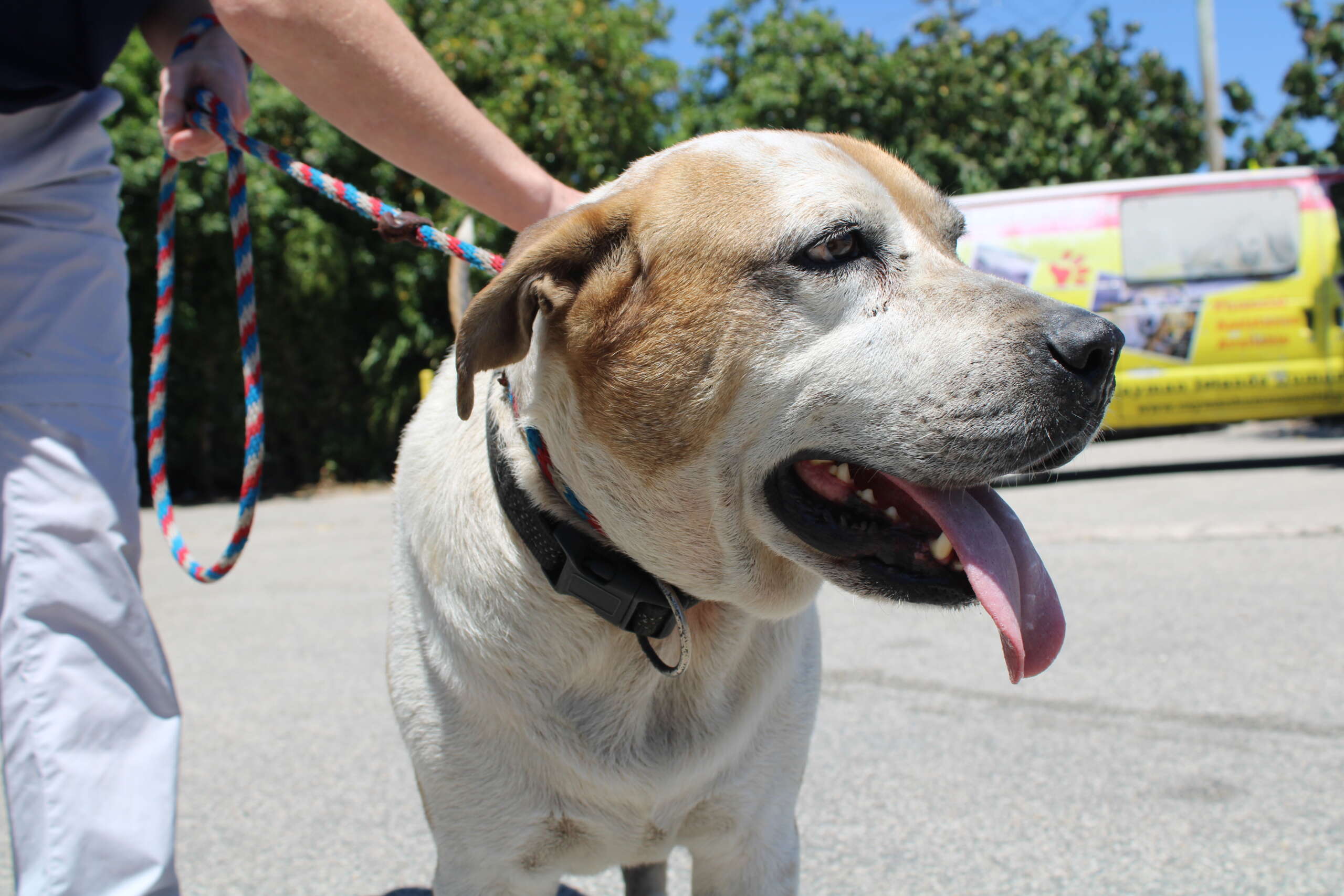
Caroline Johnston, ODAAT president and foster coordinator, said the charity hopes to soon open a space to house elderly dogs that could otherwise spend their whole lives waiting for a home.
“We’re currently in the throes of trying to raise money so that we can build the first kennel-free sanctuary for dogs,” she said.
She said some of the dogs in their care like Jethro, Willy Wonka and Wally, are well behaved and loving, but their age and health concerns make them less likely to be adopted. But she said they’re still deserving of a good environment to live out the rest of their lives.
The project won’t happen overnight, as the organisation is still looking for the best location and securing financing. As is, ODAAT is already tasked with covering $16,000 monthly in vet bills. But Johnston said it would be a fantastic place for these dogs, while also providing a space for educational events.
In the meantime, the organisation has focused on finding homes for as many pets as possible.
Johnston said last year they were able to take in 97 animals from DoA, 58 strays, and 162 surrenders. So far this year, she said it has been “immensely busy”, noting that as of 27 March, they have rescued 91 dogs and puppies.
Flying high
Through partnerships with shelters in the US, ODAAT is able to send some animals abroad to get adopted.
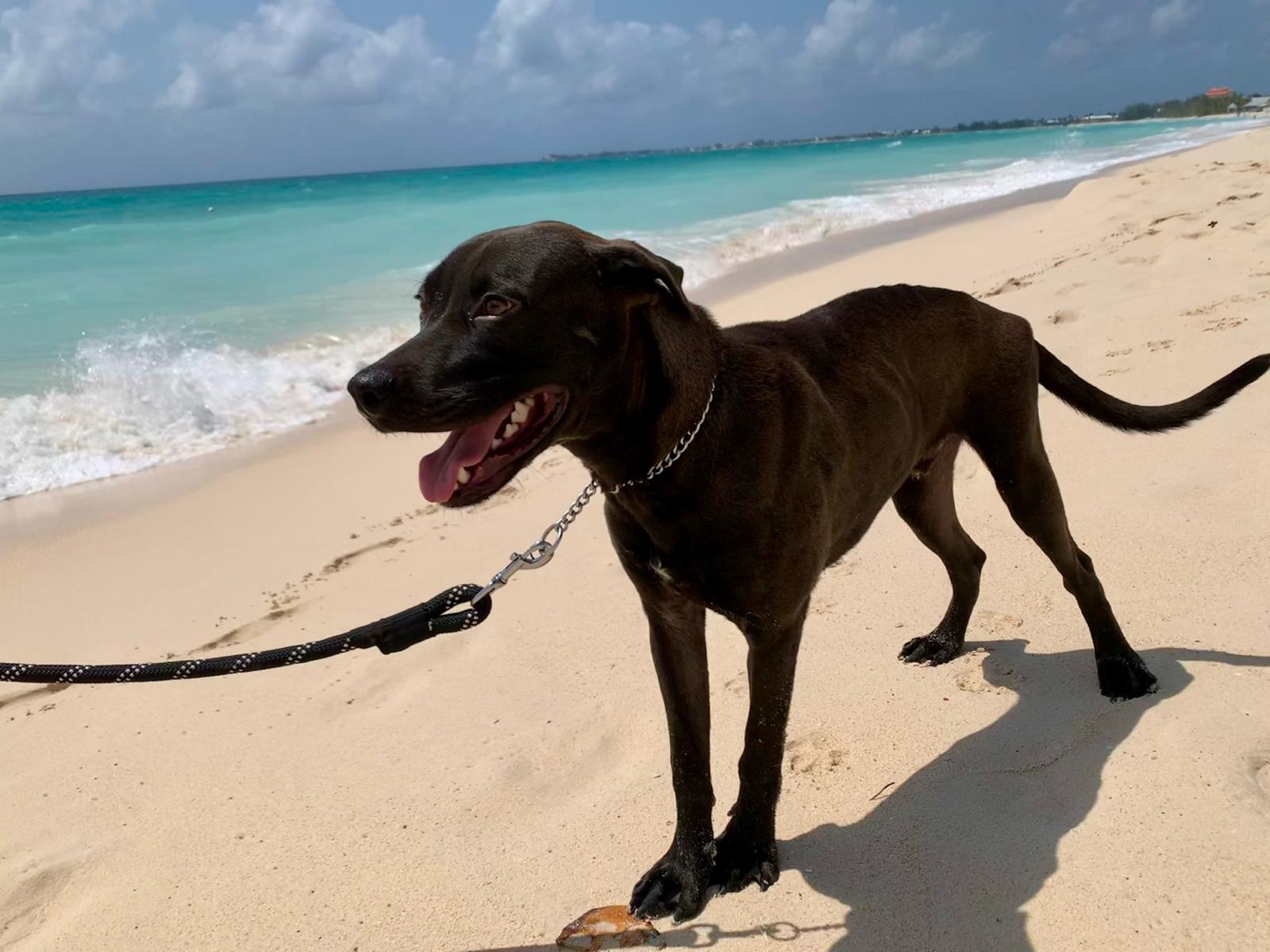
In 2023, 27 went to Miami, 166 to Orlando, 42 to Tampa and six to Toronto, Johnston said.
While this provides some relief to local systems, it isn’t a long-term solution.
Trying to keep up
While the planned facilities would help, it’s not the end-all-be-all solution.
Lesley Agostinelli, one of the directors and founders of CARE, said it began as a nonprofit focused on grassroots efforts to reduce animal overpopulation, particularly by helping underserved communities get access to veterinary services.
Their goal is to help pet owners get their animals fixed rather than having to surrender them, especially bearing in mind the rising cost of living. During the appointment, pet owners can also get their pets vaccinated and dewormed.
“We’re trying to change the mindset rather than focus on the traditional adoption/foster/rehome programmes,” she said. “If you don’t spay and neuter, we’re never going to adopt our way out of this problem. You can build a shelter as big as you want, but you’re never going to solve the problem that we have because the shelter will fill, and continue to fill.”
CARE previously arranged for Island VetCare to have 12-15 surgery slots per week. Within the past six months, they have been able to add 10 weekly appointments through The Countryside Vet.
“Whereas last year we’d be doing 25 to 30 a month, we’re now doing 50 to 60 a month,” Agostinelli said.
In total, they were able to get about 500 animals fixed in 2023, bringing the total since CARE’s inception to about 5,500.
Affordability
Agostinelli noted that those with sufficient resources can directly book with a private clinic for pets older than four months. But for those needing assistance, CARE has an ongoing waitlist, currently booked through mid-April, and plans to continue its door-to-door outreach. The team can even help arrange transportation to the clinic.
She encourages pet owners to proactively think about getting their pets fixed, rather than doing so after an unplanned litter is born.
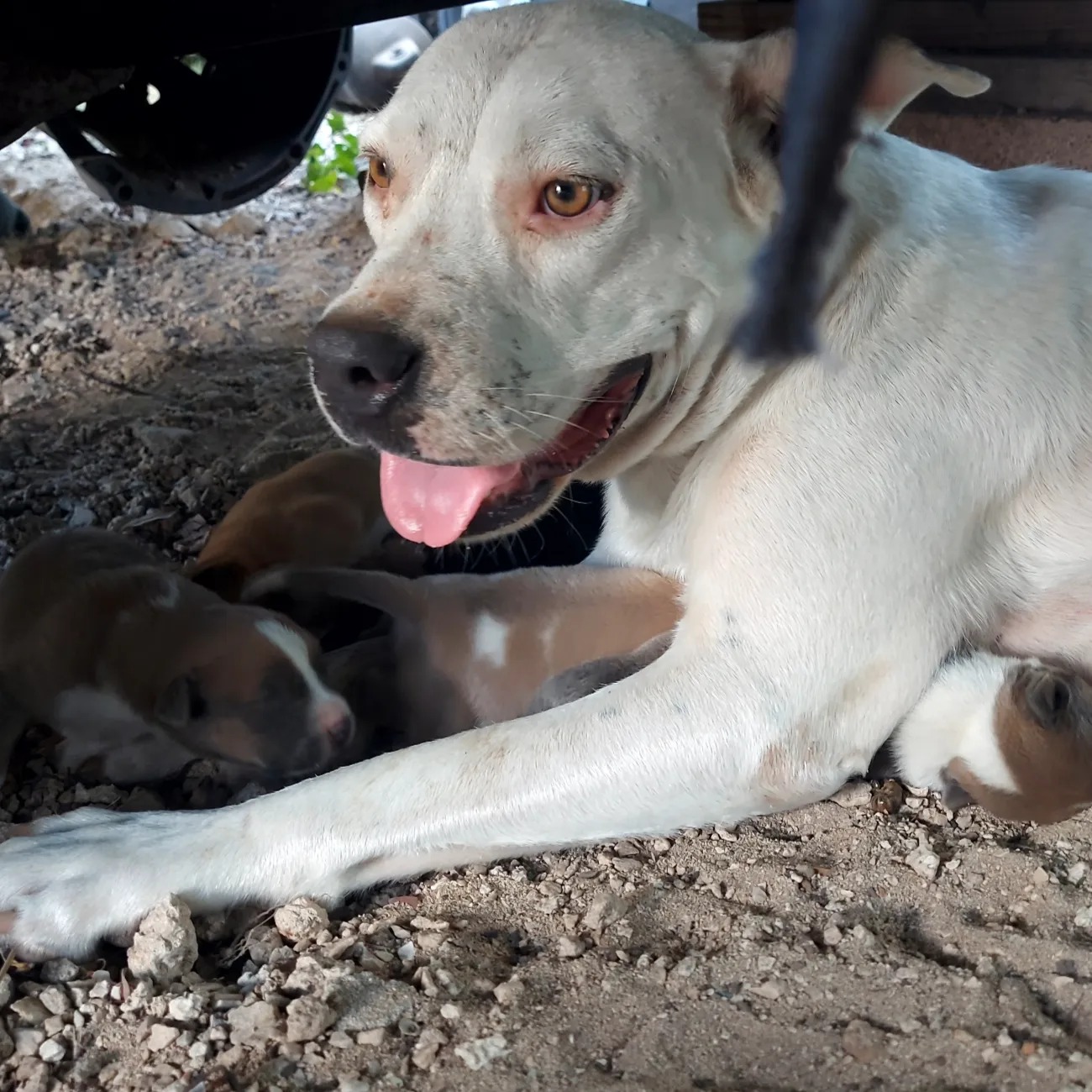
“The issue is that so many of these dogs are getting pregnant, and their owners are thinking that they’re doing a good turn by giving the puppies away to maybe friends and family, but then they’re not vaccinated, they’re not fixed, and in six to nine months’ time, we have another eight dogs who’ve had maybe another six or seven puppies each,” she said. “The problem is just exploding.”
Like other island nations, the Cayman Islands faces the challenge of finding enough homes for these litters, as well as for adult dogs that have been abandoned.
“Unless you concentrate on spay-and-neuter efforts primarily, offering it for free and making it accessible to all, then we’re always going to be in this situation,” Agostinelli said.
While the Humane Society doesn’t offer these services for free, it does have a vet on staff. Cooper said they hope to add another vet within the next few months to help provide services to the 300-350 animals in its care at any given time. About 150 are typically in the shelter and 200 in foster homes.
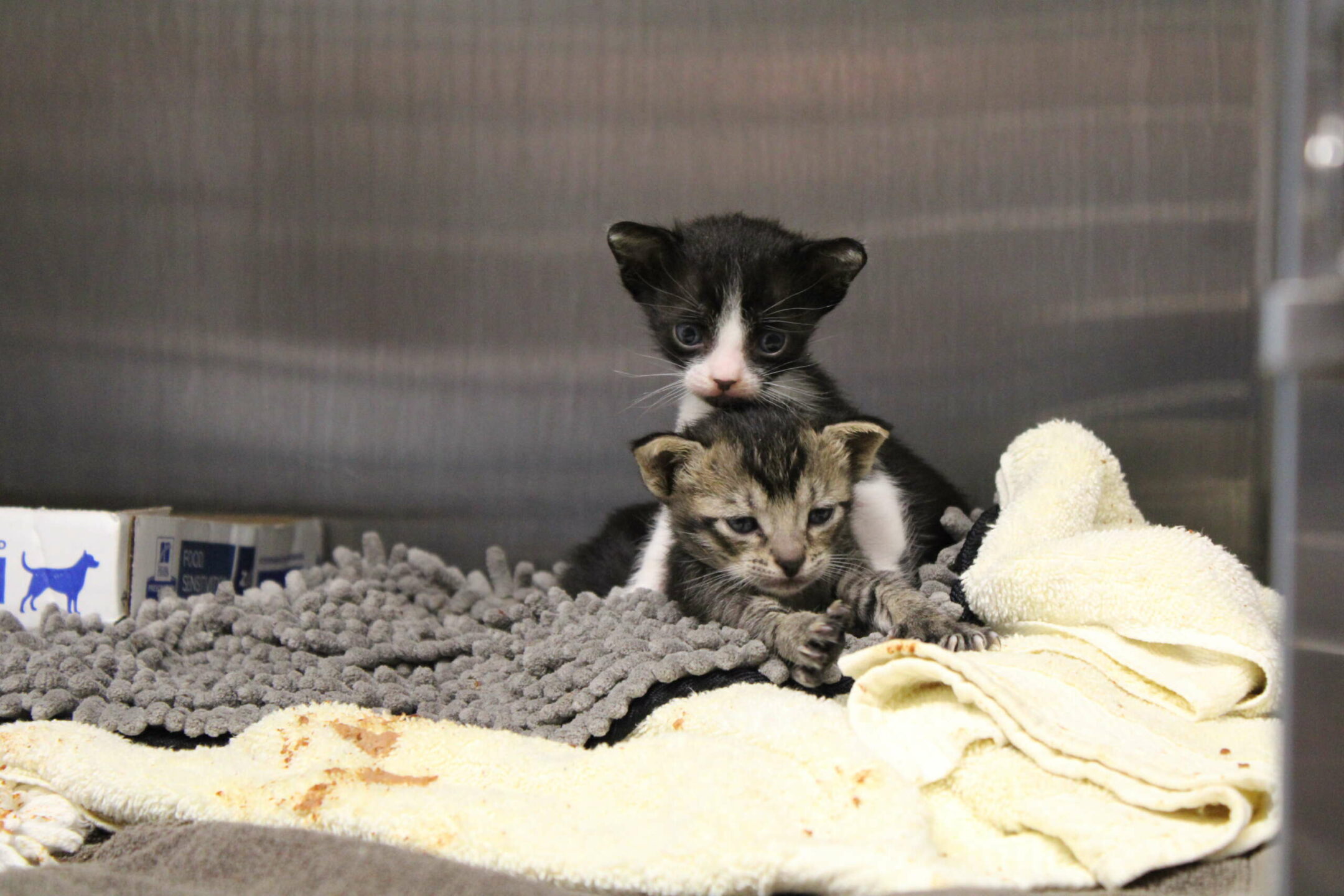
Cooper said the Humane Society is also noticing the significant upswing in puppy and kitten litters at the moment.
“I would have expected puppy season to be a little later, but sometimes it goes like that,” she said.
As cuddly as they are, multiple large litters can rapidly exacerbate the overpopulation problem, especially coupled with the influx of DoA transfers.
The lost dogs
Johnston said one big way the community can help with animal management is to get their pets licensed and microchipped if possible.
The DoA issued 41 licences in February, and the department notes that tags are free.
When lost dogs are easy to identify, it means there is a better chance they will be returned to their owners, and rescue groups don’t have to spend as many resources trying to figure out if the animal is abandoned or just roaming.
One of the benefits of spay and neuter is that pets are less likely to roam, looking for a mate, Agostinelli said. There are other benefits as well, including a decreased risk of some types of cancer in reproductive organs, she noted.
Ongoing management
With all these efforts combined, community leaders are hoping to keep populations manageable and continually promote education across the islands.
Agostinelli said the team still often hears misconceptions about male dogs losing all their vitality after getting fixed, and about females missing the experience of motherhood. She said community members need to be aware of the consequences if they can’t afford to provide for a litter of six to 12 puppies, all of which need homes.
She said community members can always go directly to their vet with questions about spay and neuter.
While these organisations continue to find a way forward, they invite community members to help with dog walking and fostering, or in whatever way they can.
Related Videos







Cayman residents must realize that the problem with unwanted, abused, neglected animals is their responsibility. Spaying, neutering should be mandatory. Back yard breeders should be prohibited, as their goal and objective, is to breed for money and not quality of the breed. The mentality of those who refuse neutering an animal, should be fined. This problem could be minimized with these simple measures, if you want to establish this policy, and put money into it. Certainly it’s better than euthanizing animals because Cayman residents won’t step up and do the right thing. It’s time to respect our animals.