

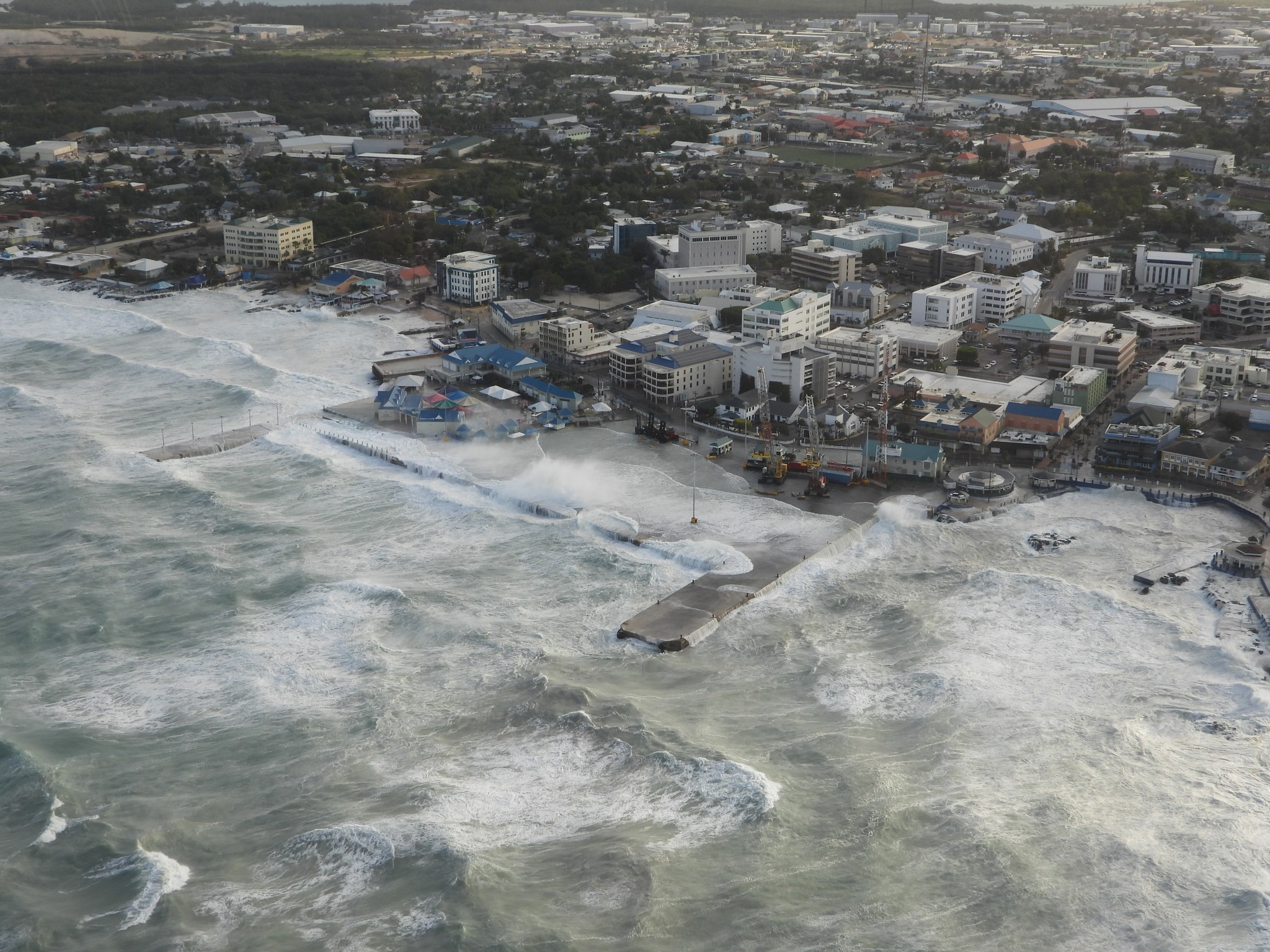
A Noah’s Ark-style project has been proposed to facilitate a modern-day exodus from Cayman in the event of catastrophic flooding caused by climate change.
The plan might sound like an Old Testament story or the plot of a disaster movie, but it actually comes from a new report launched at the UK House of Commons by a group of young people advocating for more urgent action on the issue.
“Over the next decade, rising sea levels and extreme weather events may force residents to relocate,” the Sustainable Cayman report warns.
It proposes a “strategic approach” to migration that could help preserve Cayman’s traditions and economy, even in the event that parts of the island become uninhabitable over the longer term.
It goes on to describe the range of climate-related threats – from rising sea levels to more frequent mega storms – as a “precarious situation” that threatens the “very survival and welfare of our community”.
And it calls for a “pre-emptive strategy” to address the possibility of “relocating our population in response to these threats”.
The initial recommendations include the idea of establishing a new ‘economic town’ in Scotland for British overseas territories citizens.
The report argues that work should start now to create a viable community that could serve both as an economic partner to the territories and a future refuge.
Produced by Sustainable Cayman in partnership with global non-profit OnePlanet – the ‘Rising Tides, Departing Shores’ action plan seeks to be a conversation starter for future policy planning between the Cayman Islands and the UK.
“It is time to bring this dialogue to the forefront and prepare ourselves for the realities that lie ahead,” it states.
Exile to Scotland
The proposal for a new community in Scotland mirrors strategies adopted by low-lying islands in the South Pacific.
Rickeem Lashley, of Sustainable Cayman, said, “The core concept revolves around establishing a distinct Caymanian presence in the UK, in the event of displacement due to sea-level rise or catastrophic weather events affecting our islands.”
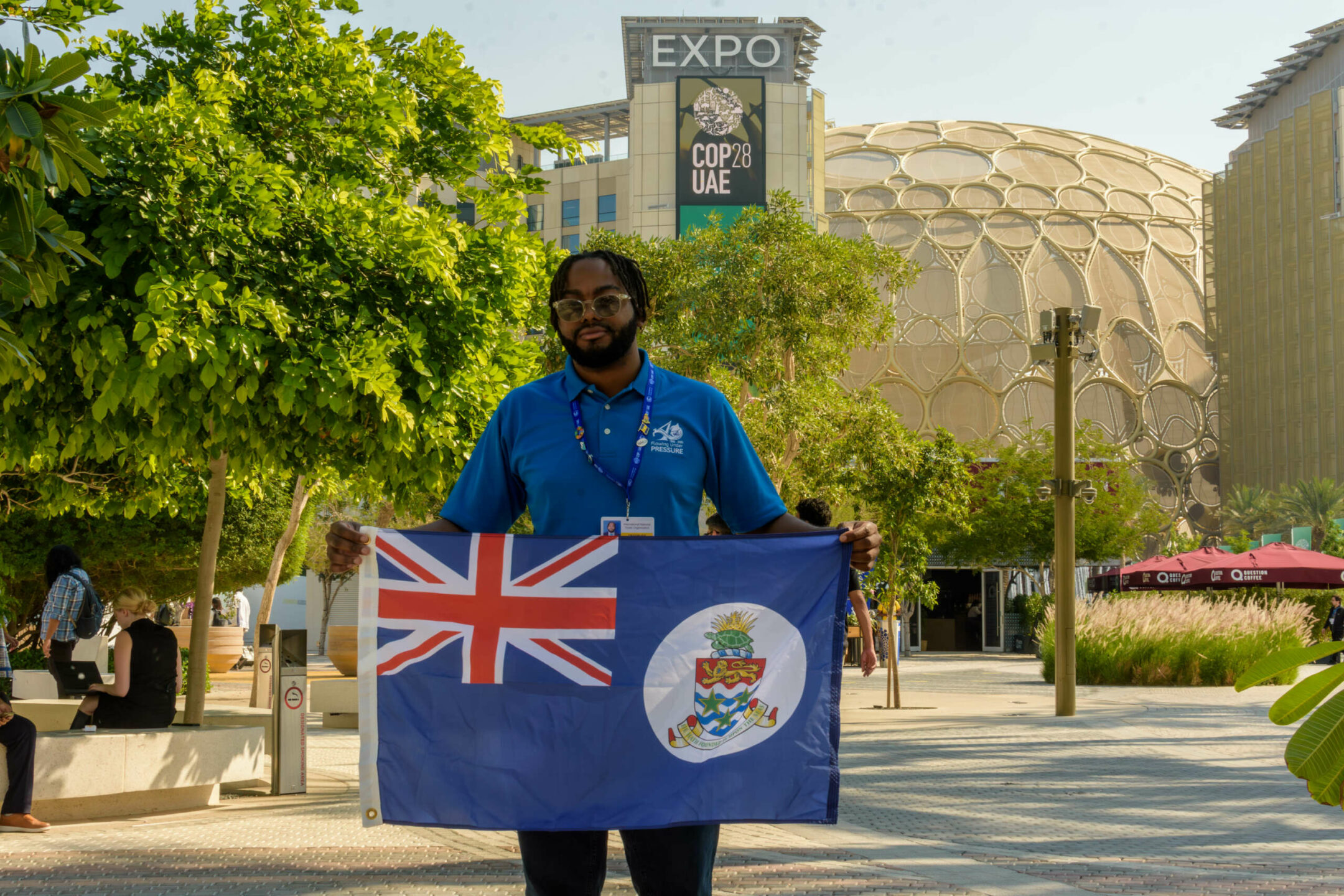
He said this report had focused on Scotland because of historical naval connections with Cayman and similar emphasis on maritime, finance and tourism industries.
But he said the main goal was not to settle on a specific location but to start serious conversations about a long-term strategy in the event that some of the ‘adverse scenarios’ highlighted in various climate-change reports come to pass.
“This approach seeks to prompt dialogue with UK policymakers on climate-induced migration issues facing the Cayman Islands and, by extension, other British overseas territories without their own sovereignty,” he added.
Clear and present danger
He rejected suggestions that preparing for a future where Cayman becomes uninhabitable could be viewed as alarmist.
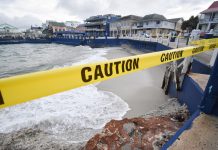
He cited reports from the US of properties in low-lying areas that have become “essentially uninsurable” and highlighted February’s unusually strong nor’wester as a sign of the type of damaging weather events that could become more frequent.
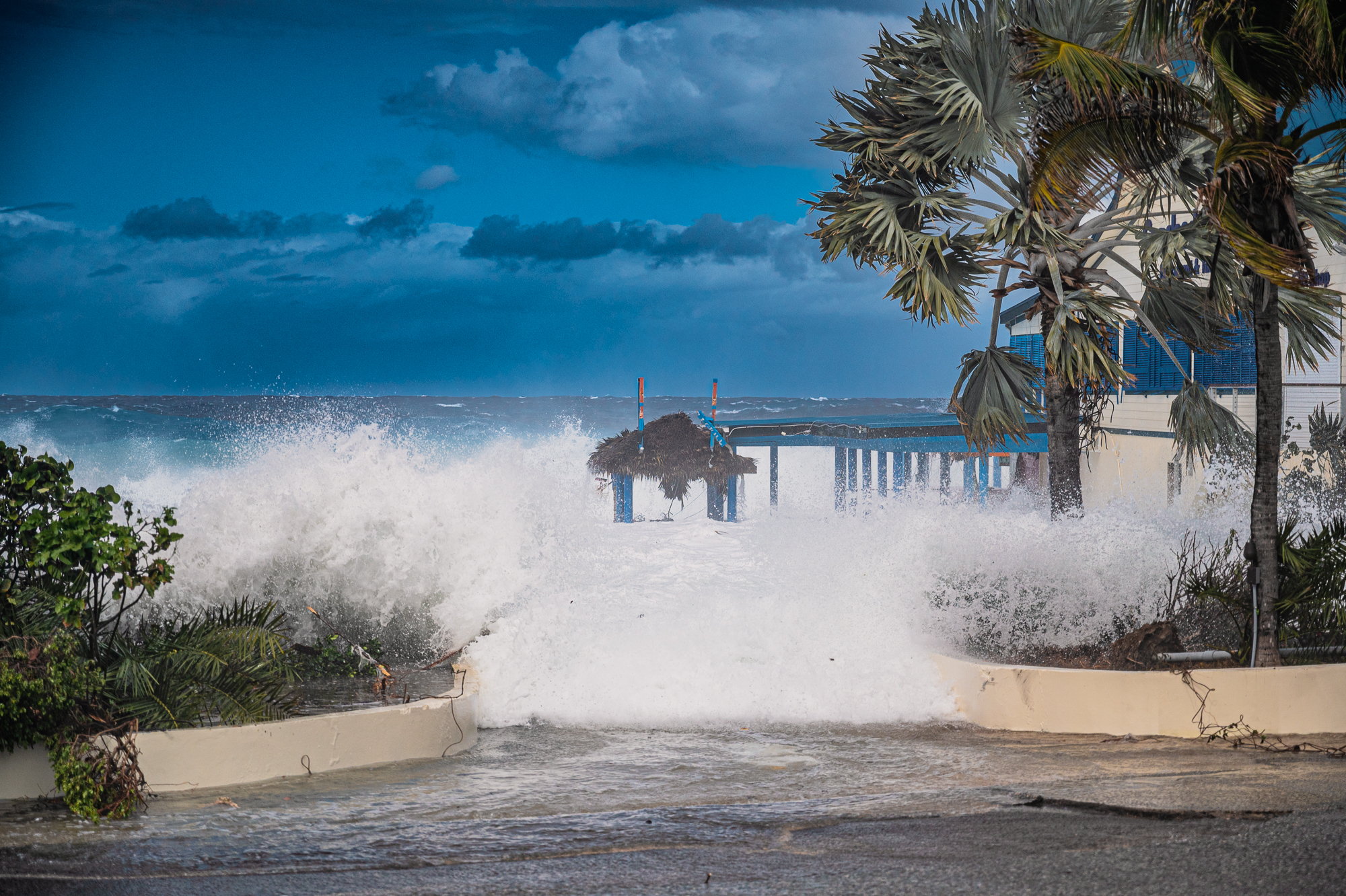
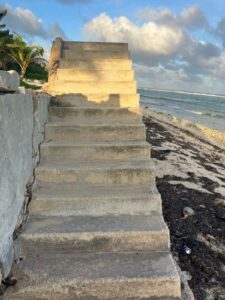
Data from the US National Oceanic and Atmospheric Administration and the United Nations Intergovernmental Panel on Climate Change point to significant sea-level rise in the coming decades, bringing the threat of greater storm surge, coastal flooding and property damage.
“While 30 years might seem distant, it’s worth noting that these projections are conservative and could potentially happen much sooner,” said Lashley.
“Currently, the housing market is already challenging for many young Caymanian buyers due to its lack of affordability. These environmental pressures are likely to exacerbate the situation, particularly as insurance premiums rise to reflect the increased risk.”
He added that 25-30 years was the typical length of a mortgage, meaning the impact on viability of home loans could hit sooner.
“Within just one mortgage cycle, we are expected to confront and adapt to these drastic environmental changes to maintain our current lifestyle on the islands. This calls for developing unprecedented resilience.
“Unfortunately, as far as I am aware, no country has yet successfully engineered a complete solution to counteract the effects of rising sea levels.”
‘Planning for the worst’
Pooran Desai, the founder of OnePlanet, wrote the foreword to the report, saying it was a “positive response to a difficult situation”.
“These suggestions contained in this report are ideas, not answers. They are here to start the debate of how this generation of young leaders in Cayman see their futures and how in turn they can become good ancestors to future Caymanians who may no longer live on the islands of their ancestors.”
He added, “I am so inspired by these young leaders who have risen to the challenge of envisaging a future as the Cayman Islands, in all likelihood, disappear to sea-level rise and increasing storm intensity.
“Let’s hope the scientists have it all wrong and we wake up one day to realise this was just a nightmare. But at the same time, let’s help the Caymanians plan for the worst and support them to become an inspiration for all of us.”
Lashley said he did not expect the issues highlighted to be dealt with in one election cycle. He said Sustainable Cayman was forging alliances across the world and developing the expertise and connections necessary to come up with long-term policy recommendations and plans to implement them.
“Once the issue gains momentum and captures the attention of policymakers, we can expect a more focused response,” he added.
Related Videos












Food for thought but haggis is not turtle stew!.