When police make arrests and seizures in gun or drug import cases, it tends to be the courier rather than the broker that gets caught.
That’s borne out by the judgments in multiple importation cases examined by the Compass as part of this series.
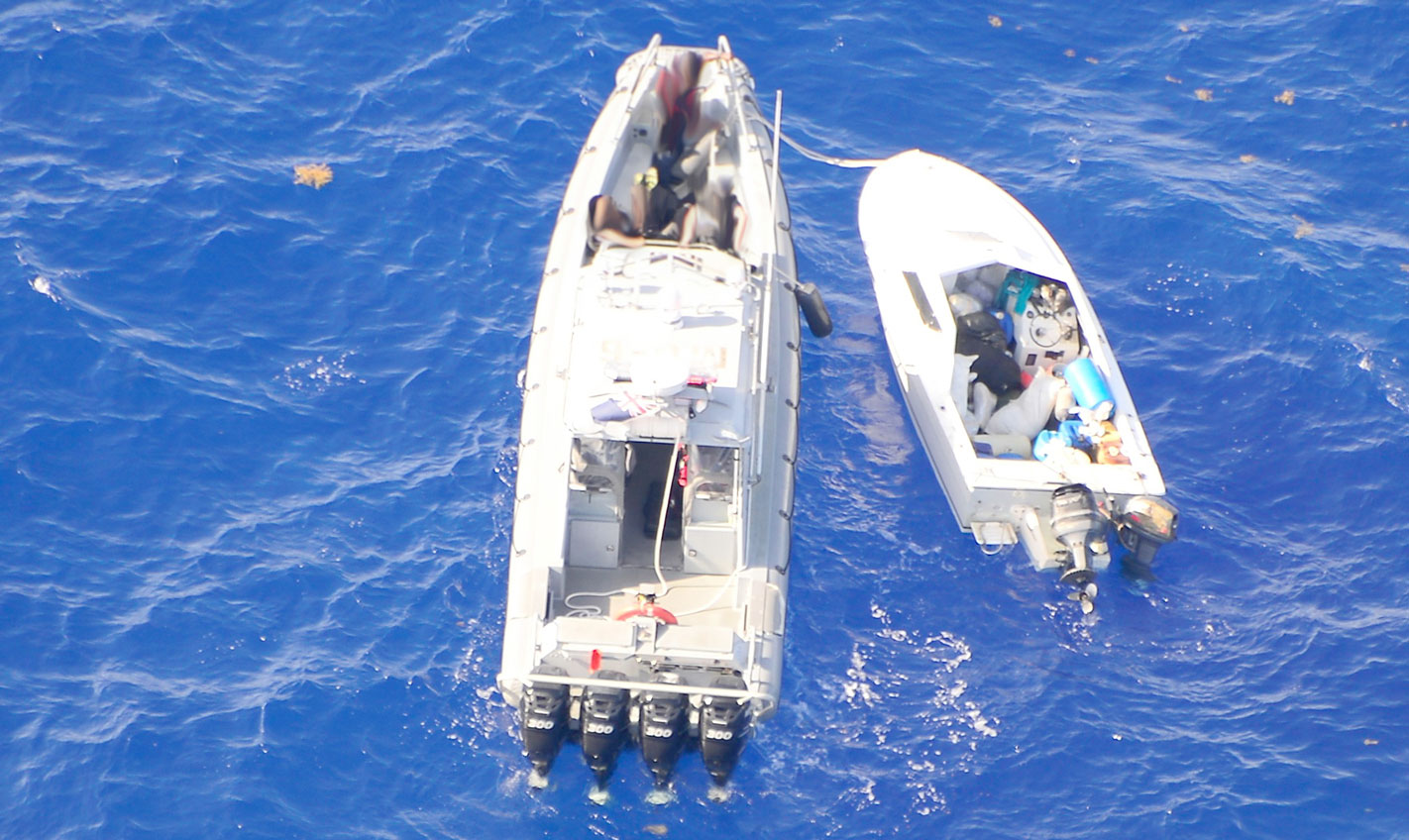
In a fairly typical example in 2019, two Jamaican fishermen were intercepted carrying 1,000 lbs of ganja several miles off East End. The judgment from the case indicates they had been instructed to carry the drugs to a GPS mark.
Defence counsel argued that both were just boatmen who had taken the “most risk for the least reward”.
Justice Marlene Carter, who sentenced both men to six years in prison, said there was no evidence they had played a role in the “purchasing, packaging or loading of the ganja or that they were privy to how the drugs were to be distributed or how they may have profited from such distribution”.
She highlighted this as a common theme in those cases.
In other cases, phone evidence has been used to link the importer directly to the crime.
Jaleel Bush and Rico Walton were each jailed for 10 years in 2018 partly on the basis of photographs and text messages found on their phones.
The pair was arrested after attempting to hide two handguns under the ‘flip-flop tree’ after their boat came ashore in South Sound.
Pictures of weapons were found on Bush’s phone along with text messages requesting “45 teeth” and a reference to the “chrome one” – said to be linked to a plan to meet a vessel from Jamaica.
The cases, and others like it, give a window into how many guns and drugs do reach Cayman – through rendezvous at sea between local ‘fishing’ boats and Jamaican exporters filling orders for criminal organisations.
Commissioner of Police Kurt Walton conceded that, in many cases, it was the courier that was caught and imprisoned and said a greater focus was now needed on the more complex work required to go after those who made the order.
Related Videos