

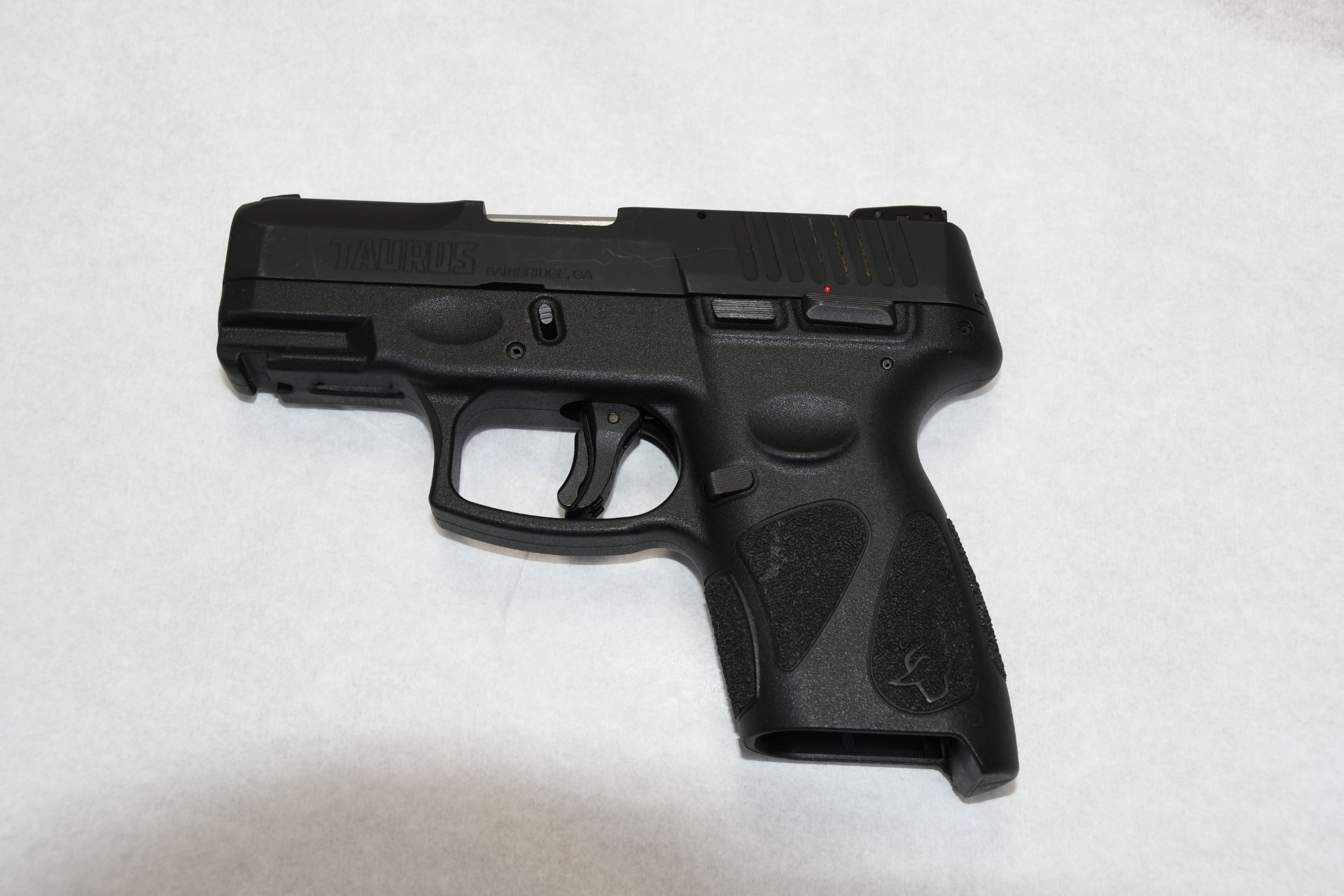
A lone gunman may have fired the bullets that injured seven people in an unprecedented mass shooting in Cayman this year, but responsibility for the crime extends far beyond the man who pulled the trigger.
Police Commissioner Kurt Walton has vowed to take on the “merchants of evil” who profit from the import of guns and drugs into Cayman but stay at arm’s length from the bloodshed.
In an interview with the Cayman Compass – the first in a mini-series on gun and drug trafficking starting in our Issues section today – he spoke out about the facilitators and enablers profiting from the violence on the islands’ streets, saying “they are equally culpable”.
The watershed Ed Bush Stadium shooting was the most dramatic escalation of a growing threat on Cayman’s streets that law enforcement has been fighting for some time.
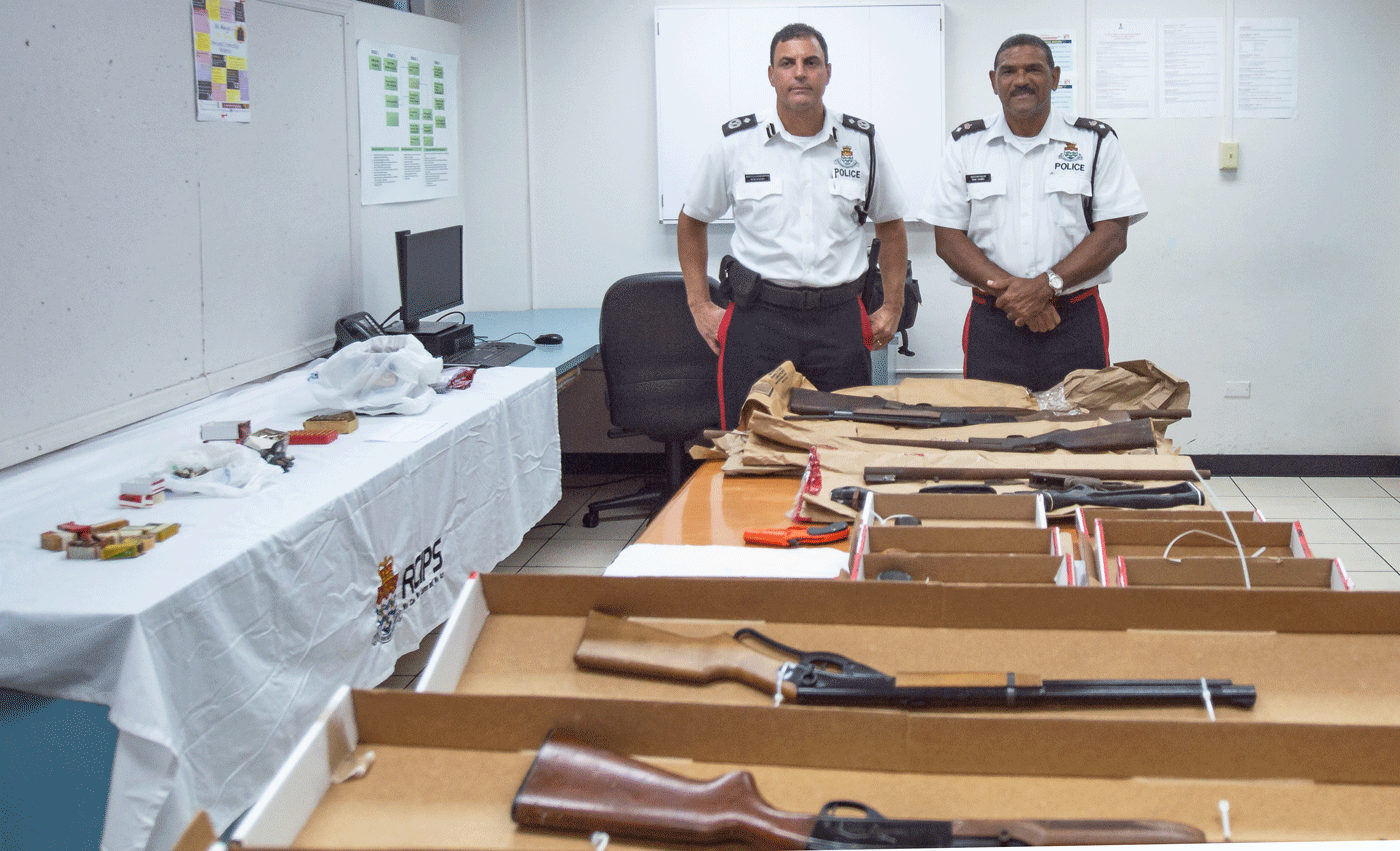
Police, customs and coast guard officers seized 105 firearms in the past eight years, including 23 last year, the highest amount for a single year in that period.
The most up-to-date ballistics evidence, culled from crime scenes around the Cayman Islands, shows there are at least another 92 weapons that have been used in shootings and remain undetected.
An increasing flow of firearms into the islands – in drug canoes from Jamaica, on commercial fishing vessels on the high seas and smuggled through the ports – has added another degree of lethality to long-running neighbourhood feuds that fuel much of the gun violence in Cayman.
Handguns are being sold in Cayman for anything from $1,500 to $5,000 depending on the make and calibre. Higher powered weapons go for up to $7,000, police intelligence indicates.
Investigators are also seeing increasing trends for weapons to be adapted – for example through extended clips that allow rapid-fire capability.

With those adapted weapons, warns Walton, has come an increasingly reckless disregard for the lives of innocent bystanders.
Meanwhile, significant money is being made from the violence on Cayman’s streets.
The commissioner stood by the record of his officers on gun crime, pointing to a 75% detection rate in murder cases and the fact that a quarter of the Northward Prison population is serving time for firearms offences.
But he acknowledged that more must be done to catch and prosecute the ‘merchants’ supplying the guns and drugs as well as the ‘enablers’ further down the food chain that help hide those weapons.
The Ed Bush Stadium shooting remains an open investigation, with three people on police bail as inquiries continue.
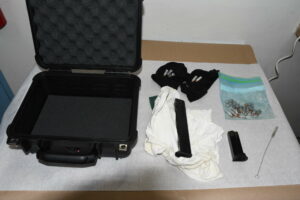
But Walton said that in this – and in other gun crimes – the net would be cast wider to target those who helped facilitate the crime.
There is no such thing, he says, as a truly ‘lone gunman’.
“I guarantee you that shooter would have been enabled. Someone had to put the gun in the shooter’s hand, then someone would have assisted in the retention and concealment of that weapon after the fact.”
Speaking specifically about the importers and suppliers of drugs and weapons, he said there were people in Cayman living purely off the proceeds of criminal enterprise.
Gangs of Cayman
Whenever shots are fired in Cayman, or so-called ‘gang violence’ erupts, a natural public assumption is that it is linked to drugs.
And while there are parallel import trades in narcotics and weapons, and significant crossover at street level, the connections aren’t as clear cut as many might think.
There are two key types of criminal groups in Cayman.
There are the neighbourhood gangs, principally connected by locality and family links, most often cited when violence erupts on the streets.
But there is also another tier of more professional criminals, with links to international contacts, organising the importation of drugs and weapons.
The former – groups like the Logwoods and the Birch Tree Hill gangs that are well known in West Bay – are typically customers of the latter – the criminal merchant class.
There can be crossover.
But ‘gangs’ in Cayman are not usually fighting over drug territory or to control the criminal economy.
Inherited feuds
The Compass has covered murders where the motivation was as petty as the alleged theft of a boat engine. In one recent case, the motive outlined in court was revenge for a $175 debt. Another shooting escalated from a dispute over a mango.
“The first go-to (assumption) is that this is a fight over turf. That’s not what we have seen at all,” said Walton.
“I have been there myself as an SIO. We’re thinking ‘It’s a gang rivalry’ only to find out that it was a girl in the middle of it.”
Those kind of motivations are not totally divorced from the ‘gang’ scene in Cayman, where access to weapons makes disputes escalate to a level of violence not seen elsewhere in the community.
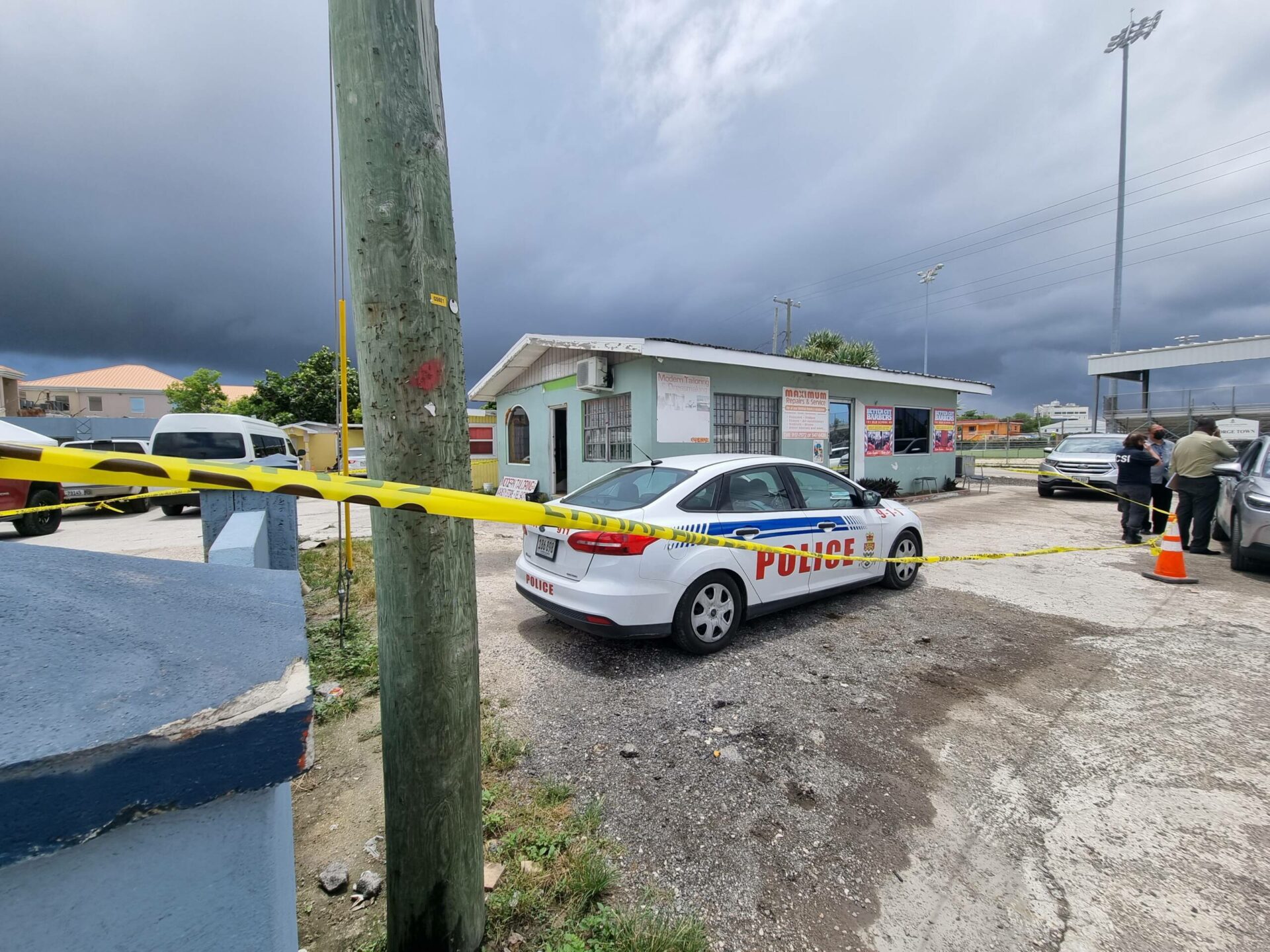
In many cases, the commissioner said gang shootings were linked to other offences, in the past, in a tit-for-tat cycle, so many degrees removed from the original offence that no one involved recalls what the original motivation might have been.
The hallmarks of international gang culture – violent initiation rites, tattoos and other totems of membership – are largely absent in Cayman.
What the commissioner describes sounds more like a patchwork of inherited neighbourhood feuds going back, in some cases, for decades, that can sweep family members and innocent peripheral victims into the mix.
While some of those gangs are implicated in bringing in their own drugs and guns into Cayman, there is an entirely separate group of criminals who are believed to be responsible for a greater bulk of that import trade.
They are often not connected to the street gangs at all in anything more than a vendor/customer relationship.
“You have organised networks that bring in drugs that are not necessarily attached to gangs. They are linked because they bring in the gun and sell it for a profit,” Walton explained.
‘Merchants of evil’
It is those people that Walton was referring to when he coined the term ‘merchants of evil’ at a public meeting in West Bay earlier this year.
Among that group there appears to be a ‘generational divide’.
“You have some of your old-school drug dealers who genuinely want nothing to do with firearms. They’re just into making money, strictly business,” says Walton.
“Then you have a much younger generation. Not only are their interests into the sale of drugs, but in addition to that you have firearms.”
For the newer generation, he said there was a glamour attached to guns as well as an instinct for self-preservation.
Firearms are typically a side hustle to the larger drugs business and many of the gun seizures happen simultaneously to drugs busts.
There are a number of ways in which those guns – many of them initially manufactured and sold legally in the US – find their way to Cayman.
The most common, says Walton, are on ganja boats from Jamaica, on commercial fishing vessels operating on the high seas for days at a time, and hidden in freight shipments at the ports.
There have been multiple cases of souped-up canoes intercepted with ganja and guns en route from Jamaica to Cayman. (The Compass will take a more detailed look at this trade route in a later story in this series)
In many cases, those consignments will include orders for multiple different criminal groups, says Walton.
An illegal shipment with 800 pounds of marijuana and two firearms, for example, may include packages for five or six different people.
Guns traced to Jamaica
Even in cases where the guns aren’t intercepted at sea, it is possible to link them to their source of origin.
Several weapons identified in crimes in Cayman have a ballistic fingerprint that can be traced back to crimes in Jamaica.
A Taurus 9mm handgun seized in Cayman was linked to five killings in Westmoreland, it was revealed last year.
The pattern extends, sometimes, to gunmen.
In 2022 a ‘vicious’ gang suspect linked to three murders in St. Catherine’s parish was apprehended in Cayman, having entered the country illegally.
Rudolph ‘Boxa’ Shaw, described by Jamaican authorities as a leader of the Wildlife Gang, was deported from Cayman and jailed in Kingston. But he escaped custody by cutting his way through a vent, only to be shot and killed during a confrontation with police.

The criminal links between Cayman and Jamaica are long established.
But those recent cases, and new ballistics analysis capability, are demonstrating the level of dangerous criminals that are linked to Cayman through the import trade.
“These are extremely dangerous people that our local criminals are linked with,” said Walton. He added that police were making a concerted effort not just to go after the couriers, but the people who make the orders and broker the shipments.
“Those are the merchants I refer to… those organised criminal networks that do have that capacity and connections in Jamaica and in the US to order guns and drugs.”
Community ‘enablers’
At the other end of the spectrum, Walton says police are targeting the enablers – the assortment of people who help hide guns and cover the tracks of shooters after a crime.
In the aftermath of the Ed Bush shooting, he said police had executed numerous warrants and made significant arrests, including for possession of ammunition.
But he warned, “We are continually going through doors, but I don’t think we are recovering as many guns as we should be.”
The weapon that was used to spray bullets into the crowd in that February shooting is one of 92 used in crimes around Cayman that is still out there.
Walton attributes that to a network of ‘enablers’ storing and concealing weapons for known gang suspects.
Guns in Cayman – Key Facts
- Guns are being sold in Cayman from $1,500-$5,000 depending on the calibre
- Larger weapons go for $5,000-$7,000
- 92 weapons identified as being used in crimes in Cayman since 2017 through ballistic evidence from crime scenes. 22 of those used more than once.
- Adaptions like extended clips increasingly being used to make guns fire rapidly
- 50 people in Northward Prison are in for gun crimes.
- Police claim a 75% detection rate for murders over past two decades.
- Of the 23 firearms seized last year, 17 had a ‘nexus’ to the US, meaning they were originally manufactured there
- Of the 90 murders in past 25 years, 53 were committed with a firearm
Deadly Trade: Over the next month, a Compass mini-series will take a closer look at the deadly trade of drugs and gun trafficking that lies behind the violence on Cayman’s streets. If you have an idea or tip for a story contact Issues Editor James Whittaker at [email protected].
Related Videos













This was a great analysis. So basically, do nothing gangsters without even the sense to do what a gang is supposed to do.
We have anti gang laws in the Cayman Islands. Use them!
So the gangs have names. The people in the gangs are known but nothing is done until a crime is committed. It is about time these people are rounded up homes search and guns confiscated Why wait until the next person is killed