

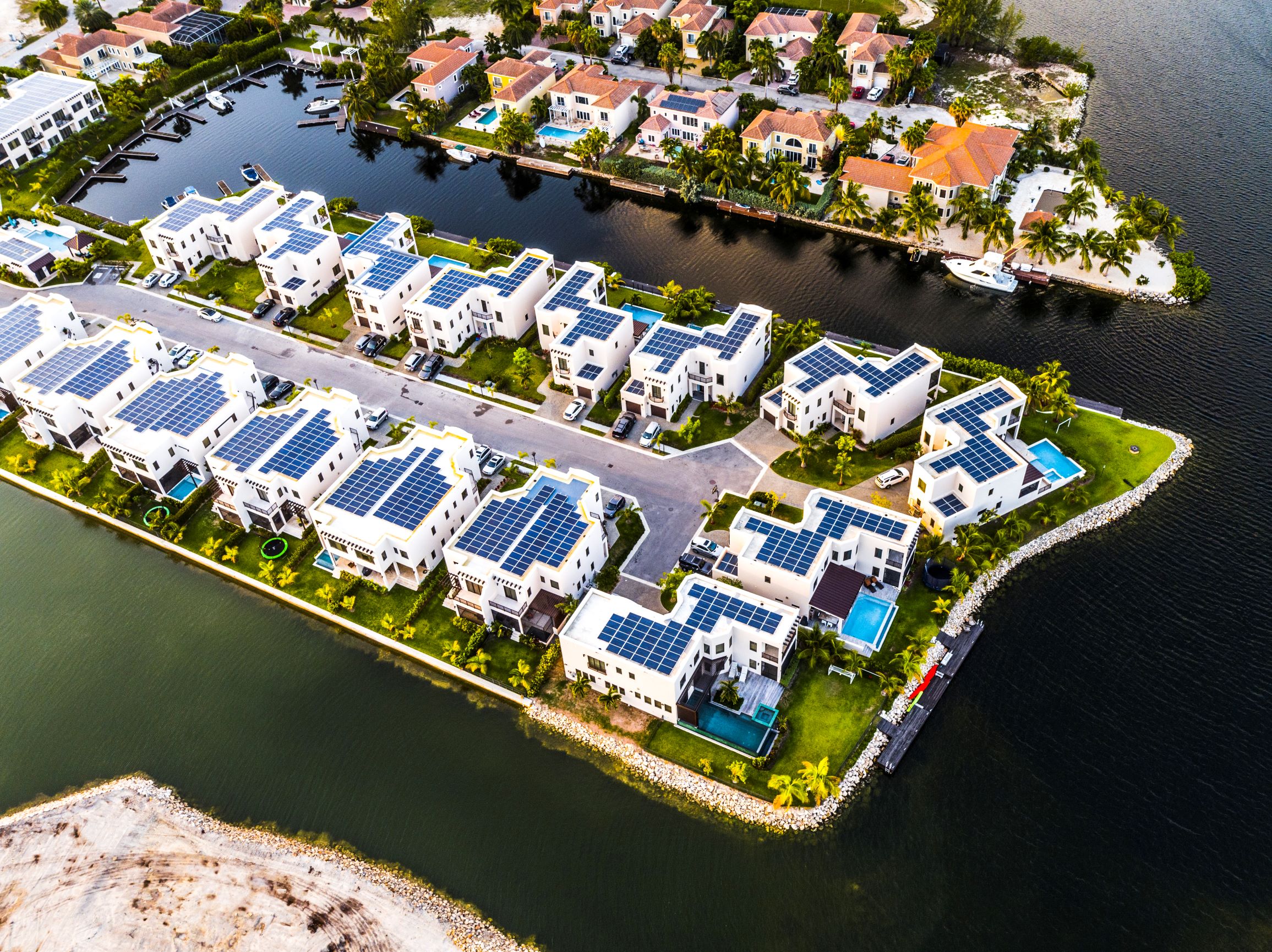
Cayman’s ambitious new energy policy seeks to get rid of fossil fuels and petrol-powered cars within a generation, transforming the island to 100% clean energy and electric vehicles.
The revised National Energy Policy, approved by Cabinet, also includes safeguards to ensure fair competition for green energy contracts.
The document, published Friday, was immediately welcomed by the Cayman Renewable Energy Association, which hailed it as “the largest step forward to date” on the road to an affordable, sustainable energy future for Cayman.
The headline commitment to reach 100% energy from renewable sources by 2045 is hugely ambitious given the slow rate of progress on incorporating solar and wind energy in Cayman so far.
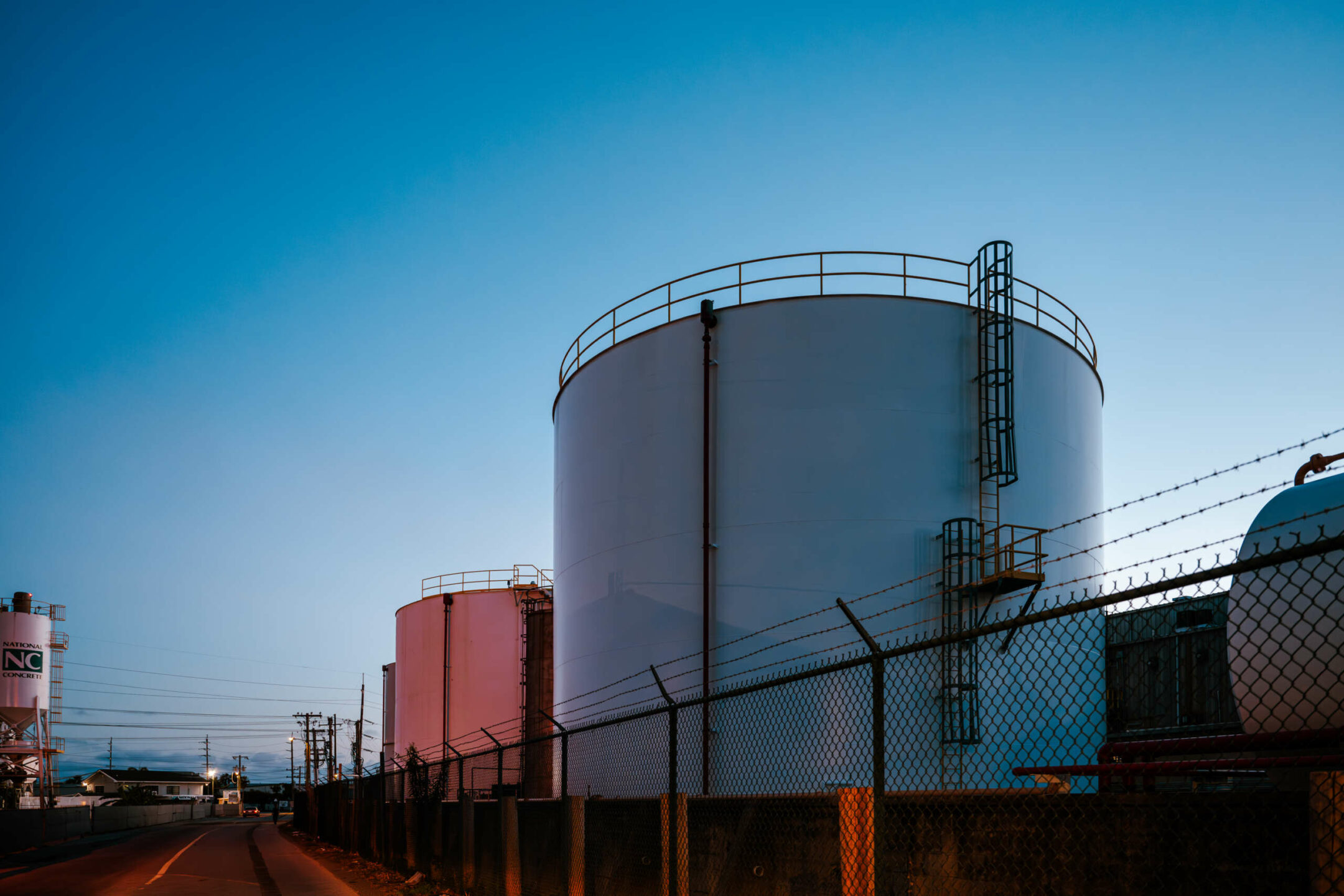
Despite the benefit of year-round sunshine, the jurisdiction currently sits at 3% renewable penetration, with the rest coming from diesel-powered generators.
The policy indicates that should be increased 10-fold within the next six years.
Projects including the long-awaited waste-to-energy plant and a planned solar farm, currently moving slowly through the tender process, should help with that initial target.
Sustainability Minister Katherine Ebanks-Wilks, in her foreword to the policy document, said government was maintaining an “assertive stance”, adding, “We recognise the importance of accelerating our progress.”
She said, “The strategies within the policy lays the groundwork for a cleaner, more resilient energy landscape that will benefit current and future generations and it also paves the way to combat the cost of living by reducing the cost of energy”.
Some of the key goals outlined in the policy include:
- 100% renewable energy by 2045
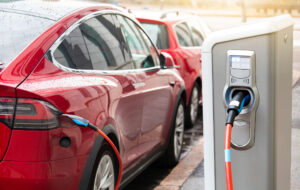
- 100% of all new vehicle sales and imports to be electric by 2045.
The plan also includes a handful of more technical policy decisions which are expected to have a big impact on how the transition to renewable energy takes place.
Those include safeguards to ensure the participation of small businesses in the solar revolution, to encourage innovation and to curb the market power of CUC.
Among the most consequential policies are:
- Price of power: CUC can be ‘required’ to purchase renewable energy once the price is less than what it currently pays for diesel.
- Innovation: OfReg will have the authority to approve sustainable energy projects that it deems to be ‘innovative’ without CUC’s approval
- Utility scale defined at 5MW: This means mid-size projects – larger than a residential rooftop but smaller than a solar farm – may not be required to go out to an open market tender, opening up opportunities for community projects (such as integrating renewable energy on farms, car parks or warehouse rooftop space) which can be approved by the regulator without CUC approval
- CUC forbidden from competing on smaller projects: The policy limits CUC to compete at utility scale only, meaning those smaller and mid-size projects would go to other local businesses
- Right to renewable energy: Consumers will be given the right to produce and self-consume their own energy through solar panels and battery storage
- New programmes: Regulators must introduce new programmes to help facilitate small and medium-size projects as well as utility-scale renewable development
- Financing: Facilitating solar power options for low-income households, including through ‘on-bill financing’ – where solar loans can be repaid as part of a monthly power bill
The policy states explicitly that “utilities cannot compete and leverage monopoly advantages in distributed generation or consumer financing”.
‘Large step forward’
Many of those policies were added to the draft following an extensive public consultation exercise, including representations from the Cayman Renewable Energy Association. The Compass wrote in depth about some of the behind-the-scenes disputes in a recent analysis in our Issues section.
James Whittaker, president of CREA, said on Monday he welcomed the changes.
“CREA would like to congratulate the government and those who contributed to the newly revised National Energy Policy.
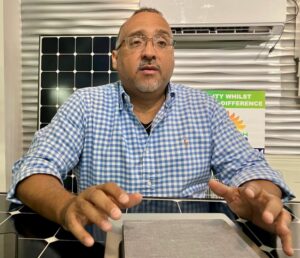
Energy Association.
“Once implemented this new policy represents the largest step forward to date in creating a lower cost and more sustainable energy future for the Cayman Islands based on consumer choice, fair competition and environmental stewardship.”
A CUC spokesperson said the policy contained “positive objectives and goals” that would help reduce carbon emissions and bring savings to its customers.
They added the company was pleased to see “utility scale solar and liquified natural gas as a transitionary fuel”.
The policy does state that liquid natural gas can be contemplated for power generation if it is considered economically advantageous and does not hinder the adoption of renewables – but only if an independent feasibility study deems it necessary.
The utility company previously defended its contributions over the years to the incremental progress Cayman has made on integrating solar so far.
CUC took out a two-page ad in the Compass last week to correct what it described as ‘misinformation’ about its commitment to sustainability.
‘Missed opportunities’
CUC defended its commitment to utility-scale solar projects and suggested it had been prevented from making deeper inroads into green energy targets by regulatory red tape.
“The absence of such a (competitive tender) process for utility scale renewable energy for over eight years has resulted in missed opportunities to introduce low cost large scale solar energy to Grand Cayman,” CUC said in the ad.
OfReg has since introduced an auction scheme for large-scale solar projects and CUC is among those expected to bid on a variety of upcoming projects.
The new policy plan sounds a note of caution over putting too much emphasis on solar farms, warning of a diminishing amount of free land that could be eaten up by larger projects.
“Analyses suggest possible limitations in the availability of attainable acreage for renewable energy generation development.
“However, careful assessment of available lands (including landfills and mined-out quarries, as well as available roof tops and parking lots), has yielded a sufficiency of sites conducive to the development of utility-scale and distributed energy resources.”
Whittaker said the key now was to ensure progress and effective implementation, and called on OfReg to do its part to ensure its success.
“The policy looks great on paper but implementation is key,” he said.
- There is no connection between James Whittaker, of CREA, and James Whittaker, of the Cayman Compass.
Related Videos












Are you sure this is a good investment, after reading the article last week about cayman looking at Ireland as a place to escape rising sea levels, it may be a better idea to start buying more boats
Rooftop solar has much can be installed and without putting people/companies in debt makes sense.
Remember to build 5 Mw of solar is 25-30 acres of land that will be taken away if you do small utility solar. Don’t we care about the land ?
If the country needs 200 Mw of solar and batteries because of electrification to be 100% renewable….. is everyone ok for 1500 acres of solar and land use?
Could the current negotiations for the waste to energy plant made more affordable if Cayman Company built two instead of one ?
Miami Dade County in exact same situation and needs new plant .
If you think energy prices are high now, just wait. Oh, and good luck recycling all the batteries and damage to the earth from the strip mining for the rare minerals required for your “electricfication”