

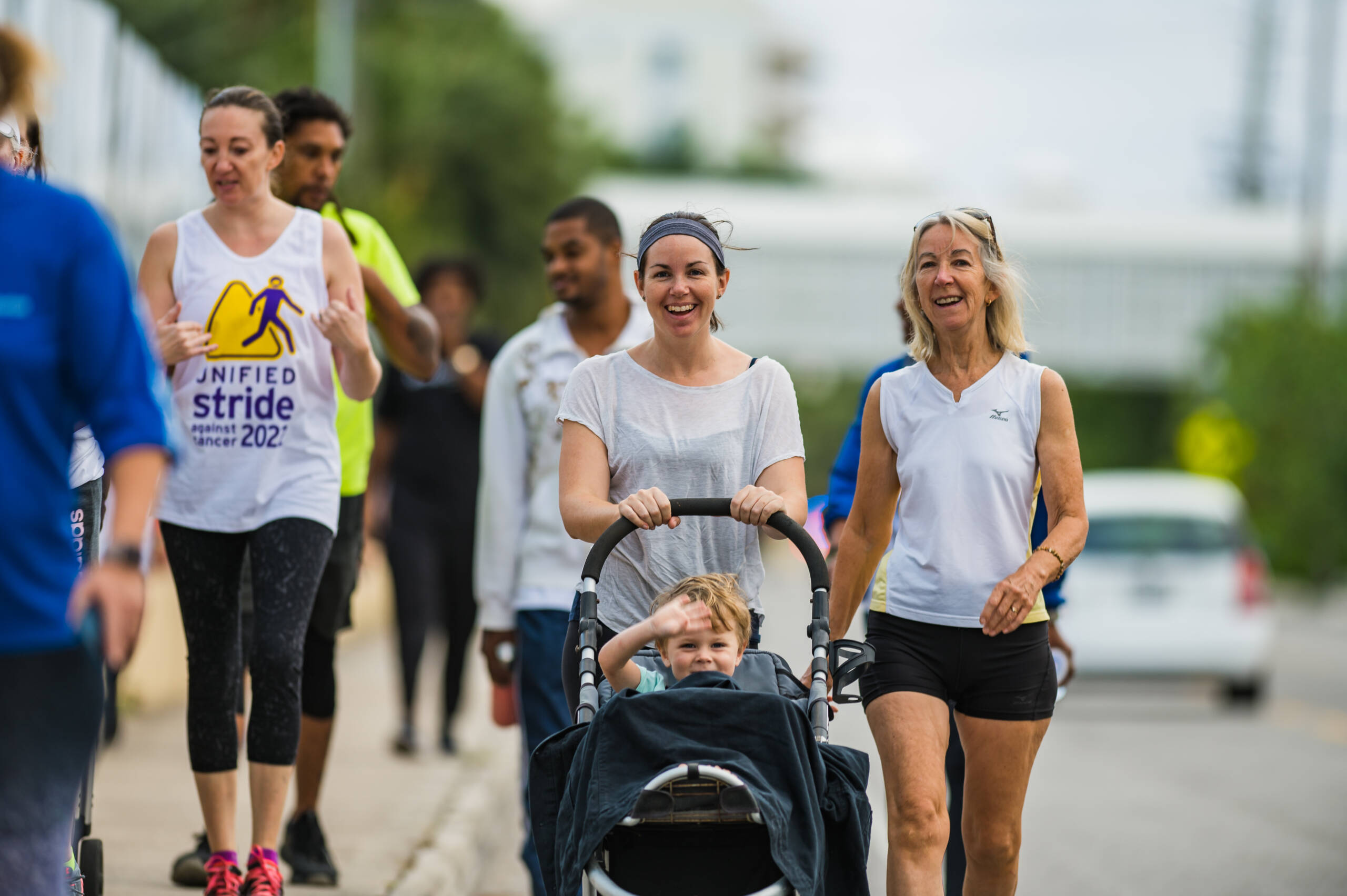
It’s often said that money can’t buy happiness, yet for decades Cayman has measured its success in dollars and cents.
Economic metrics, like Gross Domestic Product, have become the international standard for evaluating how well we are doing.
Now Cayman is becoming the latest country to take a different approach, going beyond the balance sheet, to ask, how happy is Cayman?
A new quality of life survey, covering everything from life satisfaction and sense of wellbeing to loneliness and social inclusion, is part of the Economics and Statistics Office’s latest research.
The aim is to help steer spending priorities towards policies that can help improve people’s lives. A government project to buy up land to create beaches and parks is one example, already under way.
But the ESO survey aims to provide better data to inform future decisions.
The survey, which is being conducted along with the Spring Labour Force Survey starting Sunday, is a first attempt from the ESO to measure how residents view their quality of life and its correlation with happiness.
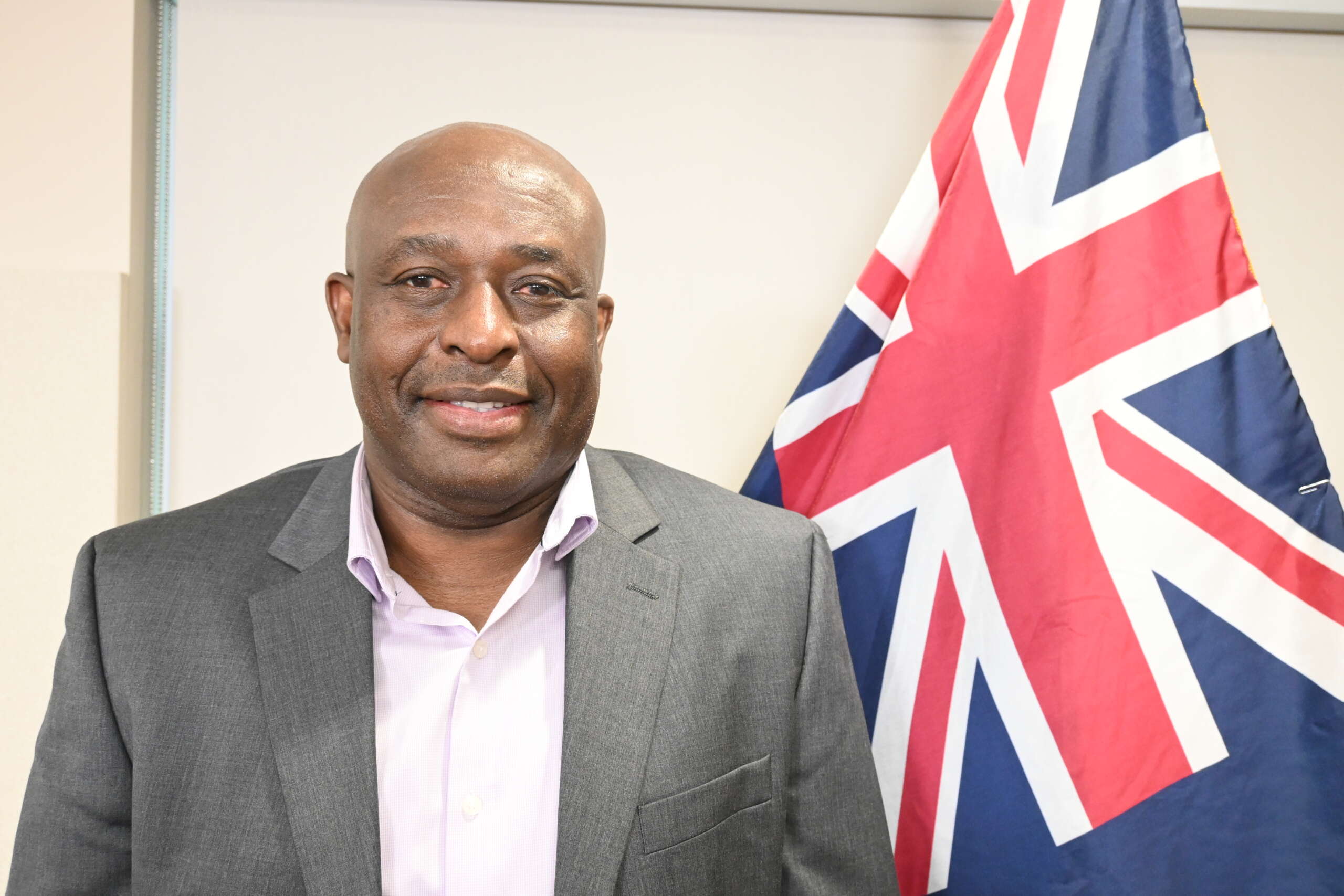
ESO Director Adolphus Laidlow said the questions being asked seek information related to respondents’ economic outlook, sense of belonging to the local community, and perceived health.
“The results will be used to produce a quality of life index for the Cayman Islands, with ongoing monitoring in future surveys,” he said.

Former Deputy Premier Chris Saunders had previously looked at the issue of determining Cayman’s happiness level when he released the 2021 census report.
He questioned then whether the community was achieving life satisfaction when 95% of people were ‘one medical emergency away from bankruptcy’.
Saunders told the Compass he was pleased to see the ESO is starting their survey that focuses on quality of life.
“For decades we have heard how well the overall economy is doing without looking at how our people are doing which created a disconnect both in policies and priorities. My goal was to shift the focus on our people,” he said.
Shifting global approach
Saunders said that it was no secret that the overall economy has been growing for decades, “but the quality of life for our people has not kept pace with this growth”.
“Inflation coupled with an open immigration policy has created an environment where the mouths to feed are growing faster than the pie which means that some people will have less at a time where they are living longer and will need more resources,” he said.
World Happiness Index
The concept of using metrics like wellness and social inclusion to determine quality of life and therefore happiness is not a novel approach.
Various countries have been gravitating away from contemporary measures to those being used to measure the World Happiness Index – a global report.
Laidlow said the ESO survey is similar in methodology to those types of project.
International Monetary Fund Finance & Development staffer Andrew Stanley, in a recent article about the report, suggested that there have been significant efforts to look beyond gross domestic product in search of more comprehensive ways of measuring well-being to help improve people’s lives.
The report ranks 156 countries and is measured by questions asked in the Gallup world poll covering quality of life and well-being.
“The results tend to be predicted by six factors that contribute to whether people view their lives positively. These are GDP, social support, healthy life expectancy, freedom, generosity and absence of corruption,” the report’s brief states.
The United Arab Emirates has elevated its population’s happiness to a cabinet-level position, with Ohood bint Khalifa Al Roumi the minister of state for happiness and wellbeing.
The UAE even launched a National Programme for Happiness and Wellbeing.
What determines quality of life?
An individual’s perception of quality of the life and happiness not a one-size-fits-all concept.
Dympna Carten, founder of CayMind mental health helpline said, happiness is a personal determination.
“What makes you happy and what makes me happy are two very different things,” she said.
Having more disposable income for travel or leisure activities may be an indication of a good quality of life for some, while others may view a four-day work week with more time for family endeavours as their benchmark for a good life.
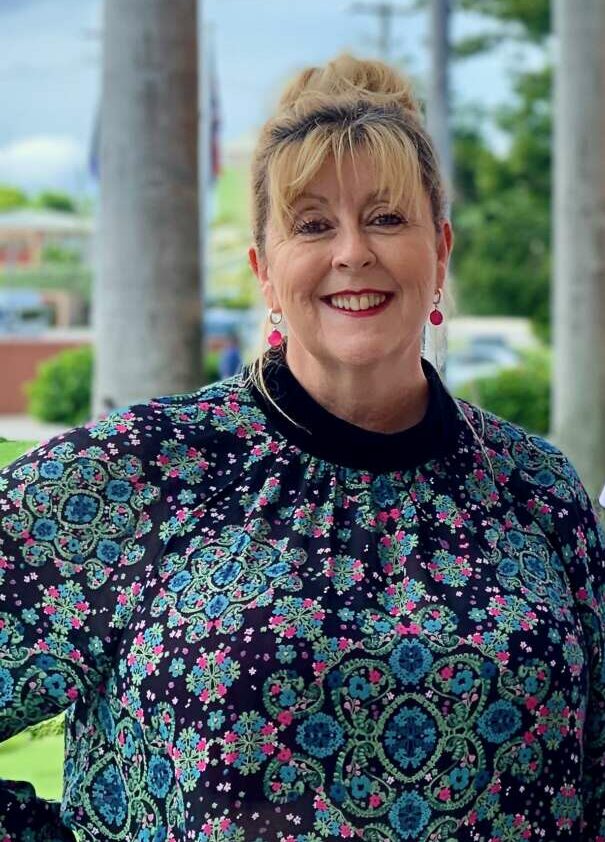
However, Carten said, whatever that vision is “what’s important is that people overall have a sense of purpose and have a sense of community”.
“[It’s] who people can turn to for support so that when the chips are down they have access to resources and care. I think those things are important,” she said.
She said even becoming part of Cayman’s cultural community by joining choirs or service clubs can help those struggling with anxiety or isolation.
Attending cultural events, she said, can enhance mental health and shows the “talent we have in this community. It makes me proud of my community and it promotes a great sense of well-being.”
She said stepping away from technology and living in the moment also help well-being and interpersonal connections.
“Spending more time interacting in person than on devices, getting back around the table and sharing meals enhances mental health,” she said, adding that it was equally important as a community individuals reach out and spend time with people who may be struggling with loss or have been a bit isolated.

Exercise, she said, also helps with well-being.
She said even something as simple as becoming a pet owner can help people connect as a community.
She said when she got a dog she became part of her community and began meeting more people when she took him on walks.
Driving force behind survey
The quality-of-life section includes questions on the cost of living of the households and coping mechanisms, Laidlow said, as well as “households’ subjective poverty assessments, changing economic and financial circumstances, and future outlook”.
The Labour Force Survey, which also begins Sunday, collects data on employed and unemployed persons in the Cayman Islands, as well as those who are not in the workforce.
“The labour force survey will include more than the core labour market questions. Previously, we surveyed employees using a time measure of underemployment, which captures persons working less time with the willingness and ability to work more hours. This time, we added skills-based questions about underemployment, which capture people taking jobs that do not reflect their actual training and financial needs,” he said.
These combined data points would provide a better measure of underemployment in the Cayman Islands.
“We included questions on upward mobility (job promotion) at employees’ places of work. The last time employees are promoted at the workplace and reasons given by the employers in cases of non-promotion. New training and personal development questions will capture what employees are doing to retool and upskill themselves for current and future jobs,” he added.
For further information on any aspect of the survey or results of previous surveys, call the Economics and Statistics Office at 516-3329 or 949-0940, or visit the ESO website.
Related Videos













I question Saunders’ comment that 95% of people are one medical emergency away from bankruptcy. Gov’t employees including retirees must exceed 5% of population and they receive free medical care for life. The Govt liability for unfunded retiree medical benefits which I believe is around 2 billion dollars is evidence of this.