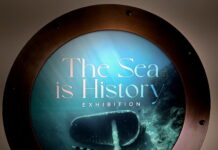
The National Museum has opened a new exhibition celebrating Emancipation Day, which includes displays of rare books and objects.
‘Slavery be dead…we be free’ officially opens to the public on Monday, offering a look into the history of slavery in the Cayman Islands through to emancipation.
“The exhibition delves into slavery in the Cayman Islands, tracing its roots from the ruthless abduction of over 3.1 million Africans by British traders to the brutal realities of the Middle Passage,” Brian Watler, the museum’s marketing coordinator, told the Compass.
“The arrival of the first Jamaican slaves in 1734 heralded the island’s timber industry, shaping the fabric of early Caymanian society. Yet, amidst the toil, resistance burned bright, exemplified by figures like Celia Long, who dared challenge the status quo.”
The exhibition takes the visitor through 100 years of history.
“The legacy of slavery, marked by private treaties and legal complexities, culminated in emancipation in 1834, yet the shadows of oppression lingered through the Apprenticeship System,” Watler explained.
“The exhibition confronts this tumultuous past, revealing the resilience of those who fought against injustice and the enduring quest for freedom.”
The museum confirmed the Ministry of Heritage has acquired rare slavery books and objects from the personal collection of Simon Boxall that will be displayed.
“I really hope the Cayman people get to see the records and maybe one day read some of it,” Boxall said of his collection. “At the very least, I feel glad to know that it is now safely in the national collection and at some point if our people want to do more research they can go and look at the documents.”
Boxall, who bought the items from several different sources, noted their great historical value.
“I really believe the history is priceless… Cayman has an amazing and uplifting history and Emancipation Day nearly 200 years ago is part of that rich history of the Cayman Islands.”
Designed by Watler, the exhibition will also feature contributions from Caymanian historian Roy Murray.
“We have a short documentary in the exhibition and lots of informational panels on slavery and emancipation in the Cayman Islands. We’ve also added digestible kids’ corner sections to the panels for children to read and answer questions,” Watler added.
The exhibition will run throughout the year, with closing date to be confirmed.
Related Videos