

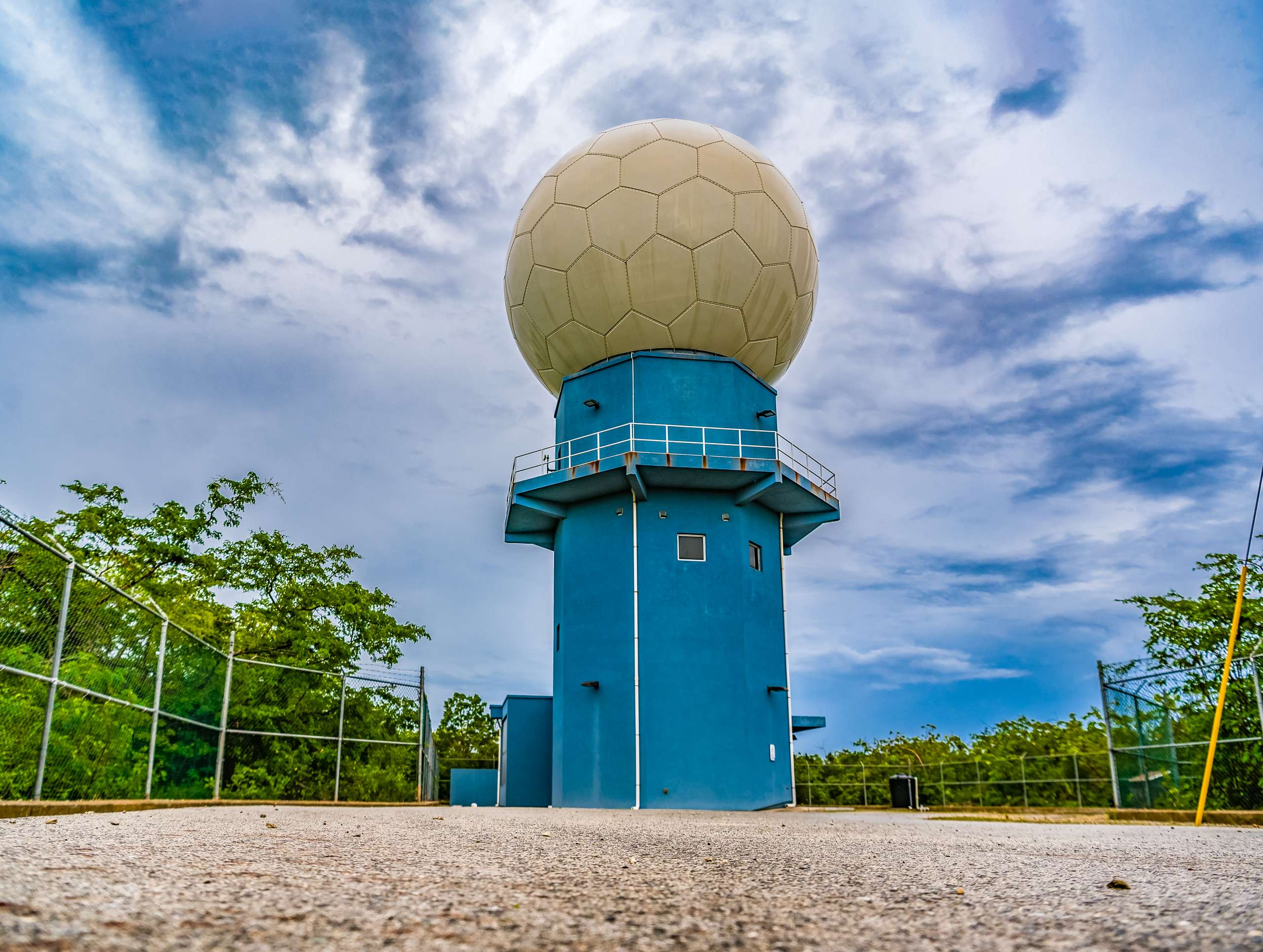
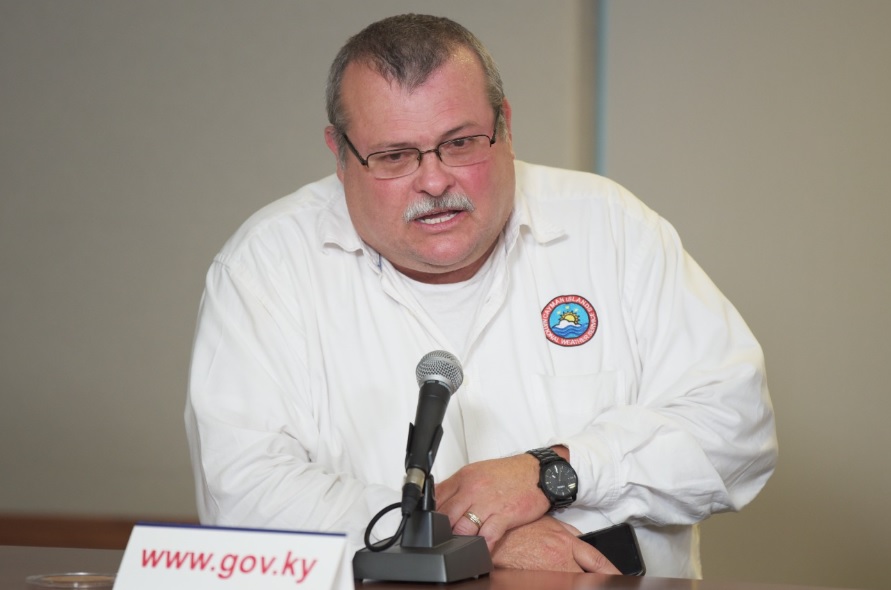
After months of waiting, work on repairing Cayman’s weather radar is expected to begin as early as next week. Critical parts required to get the system back online are scheduled to arrive on island in the coming days, said National Weather Service Director General John Tibbetts.
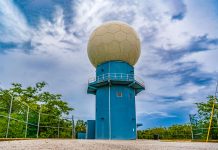
With the Atlantic hurricane season two weeks away, the pressure is on to get the Kearney Gomez Doppler Radar, located in High Rock, ready for the season’s 1 June start.
“We are working diligently to ensure the radar is back online as quickly as possible. The critical parts required for the repair are scheduled to arrive next week, with installation set to commence immediately upon clearance,” Tibbetts said by email in response to Cayman Compass queries on the radar’s status on Friday.
He said, that barring any unforeseen issues, “We expect the radar to be fully operational shortly after the parts are installed.”
The cost of the repair exercise is unknown at the time as the project is still in progress.
Long-standing issues
The radar, now nearing 12 years old, has been out of service since October and has been beset with issues.
The system has experience three extended outages, including the current failure, in the past three years.
In October 2021, the radar was damaged in Tropical Storm Grace and was out of service for nine months before being restored in July 2022. It was also inoperable from March to May last year after encountering a hardware failure.
Tibbetts had previously attributed the continuing challenges with the stability of the service to the ageing equipment, which has a life expectancy of 15 years.
He said replacing the radar system entirely is being considered by government, however, “the current focus is on repairing the existing system to ensure it is back online as quickly as possible”.
Having the local radar up and running ahead of hurricane season is critical, especially with international forecasters warning that the 2024 Atlantic season is likely to be extremely active with nearly 75% more storm activity in all categories. The likelihood of landfall in the Caribbean or US is high this season.
Forecasters at Colorado State University’s Tropical Meteorology Project say as many as 23 named storms, with winds of 39 miles per hour or higher, will develop this season.
Of those named storms, 11 are expected to become hurricanes, with winds of at least 74 mph; five of those hurricanes are expected to strengthen to Category 3 or higher, becoming major storms with winds of at least 111 mph.
Supply chain challenges
Tibbetts said radar repairs have been delayed primarily due to challenges in sourcing specific, critical parts, all of which had to be ordered and shipped from overseas.
“There have been significant global supply chain disruptions affecting the availability and delivery timelines of many technical components. We are actively managing these challenges to minimize the impact and expedite the repair process,” he said.
While Tibbetts did not go into the technical aspects of the repair, he assured that government is fully committed to ensuring the community is prepared and protected for the hurricane season.
“While the radar is an important tool in our weather forecasting arsenal, we always have contingency plans in place that utilize other resources and technologies to monitor weather conditions,” he said.
Tibbetts reiterated that the weather service is working to ensure the radar’s functionality to enhance weather monitoring capabilities are back online as soon as possible.
Related Videos








By now they must have replaced every component 3 times over. Dump the whole thing at the end of the year and build a new one which will have better performance and reliability.