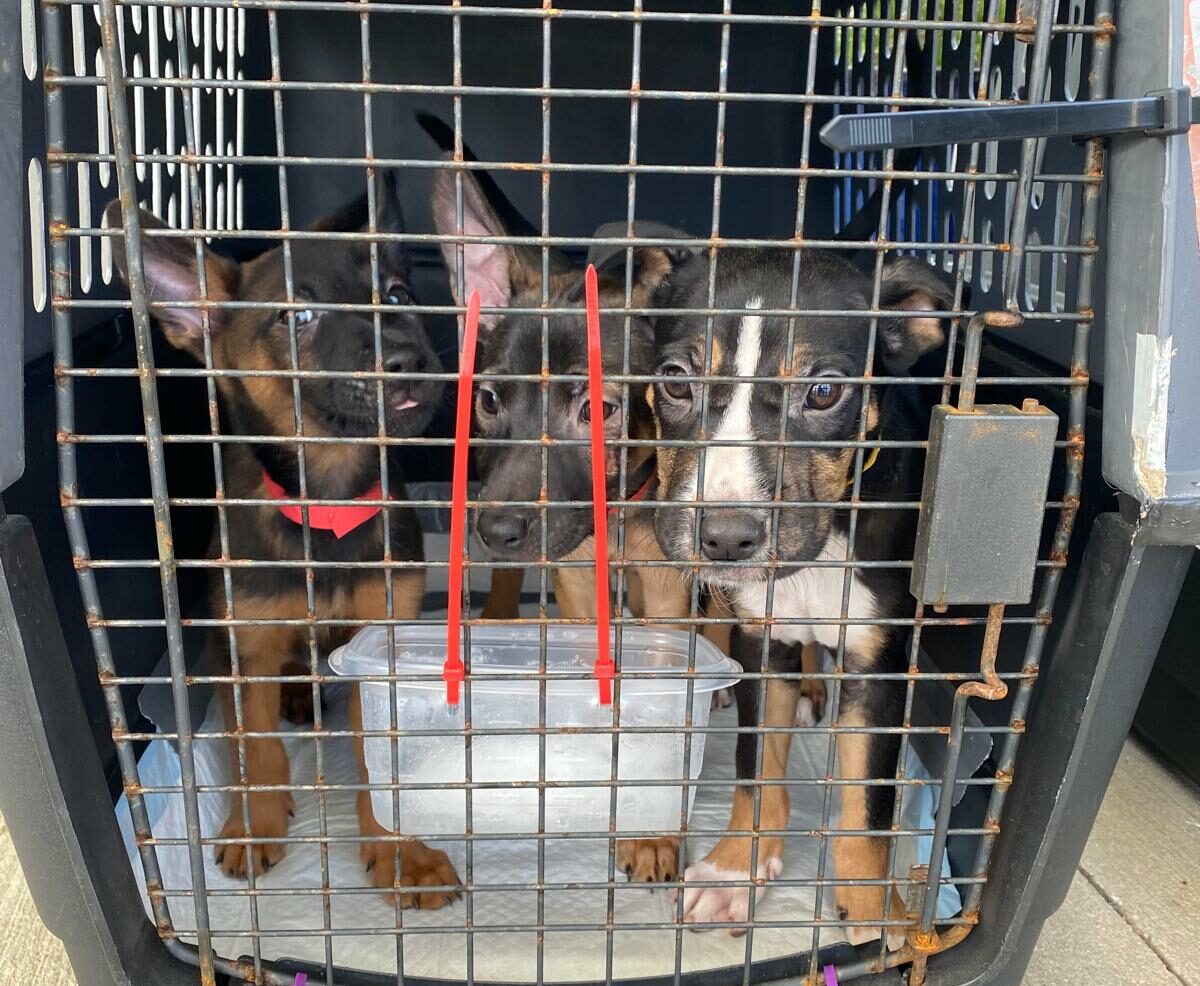
Starting Thursday, pet owners and charities seeking to enter and re-enter the US with dogs will be required to submit a special form from the US Centers for Disease Control and Prevention.
In what CDC calls a move to simplify the process, under the new rules, only dogs 6 months and over will be allowed entry, subject to a dog import form being submitted, for which a receipt must be provided at check-in at Owen Roberts International Airport.
The CDC has also recommended all dogs be vaccinated against rabies.
Cayman Airways, in a statement on Wednesday on the new rules, advised that dogs from rabies-free or low-risk countries like the Cayman Islands must come with a completed CDC dog import form.
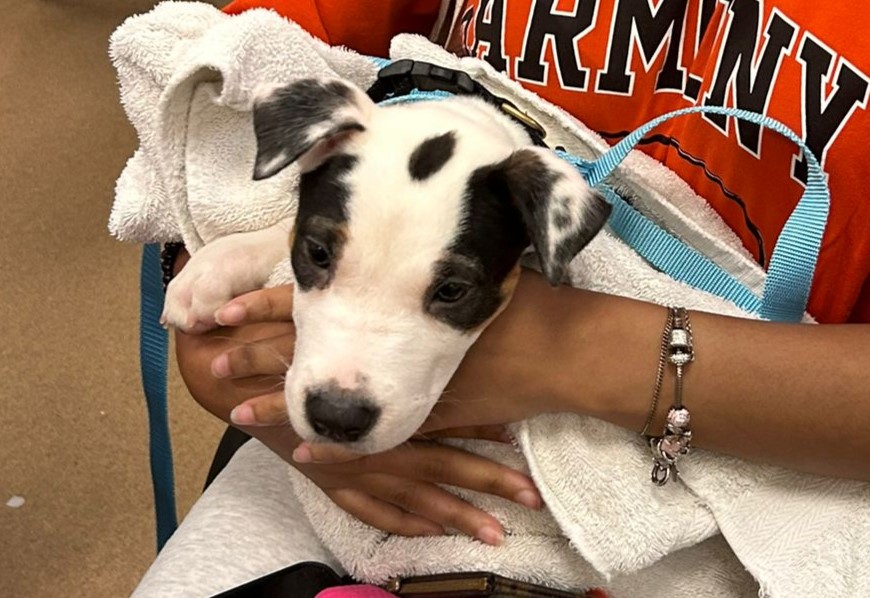
The CDC also requires that dogs must be in good health upon arrival in the US and have a microchip that can be read by a universal scanner for identification purposes.
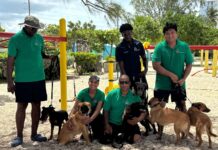
Local charities like One Dog at a Time and the Cayman Islands Humane Society have both expressed concern over the new rules and the resulting challenges to sending rescue dogs overseas.
Previously, puppies as young as 12 weeks old had been sent from Cayman to the United States.
Rise in strays expected
Caroline Johnston, president of One Dog At A Time, told the Compass on Wednesday that it was disappointing that she was unable to secure Premier Juliana O’Connor-Connolly’s intervention over the new rules, and she had also penned a letter seeking her assistance to re-evaluate the spay-and-neuter requirements here.
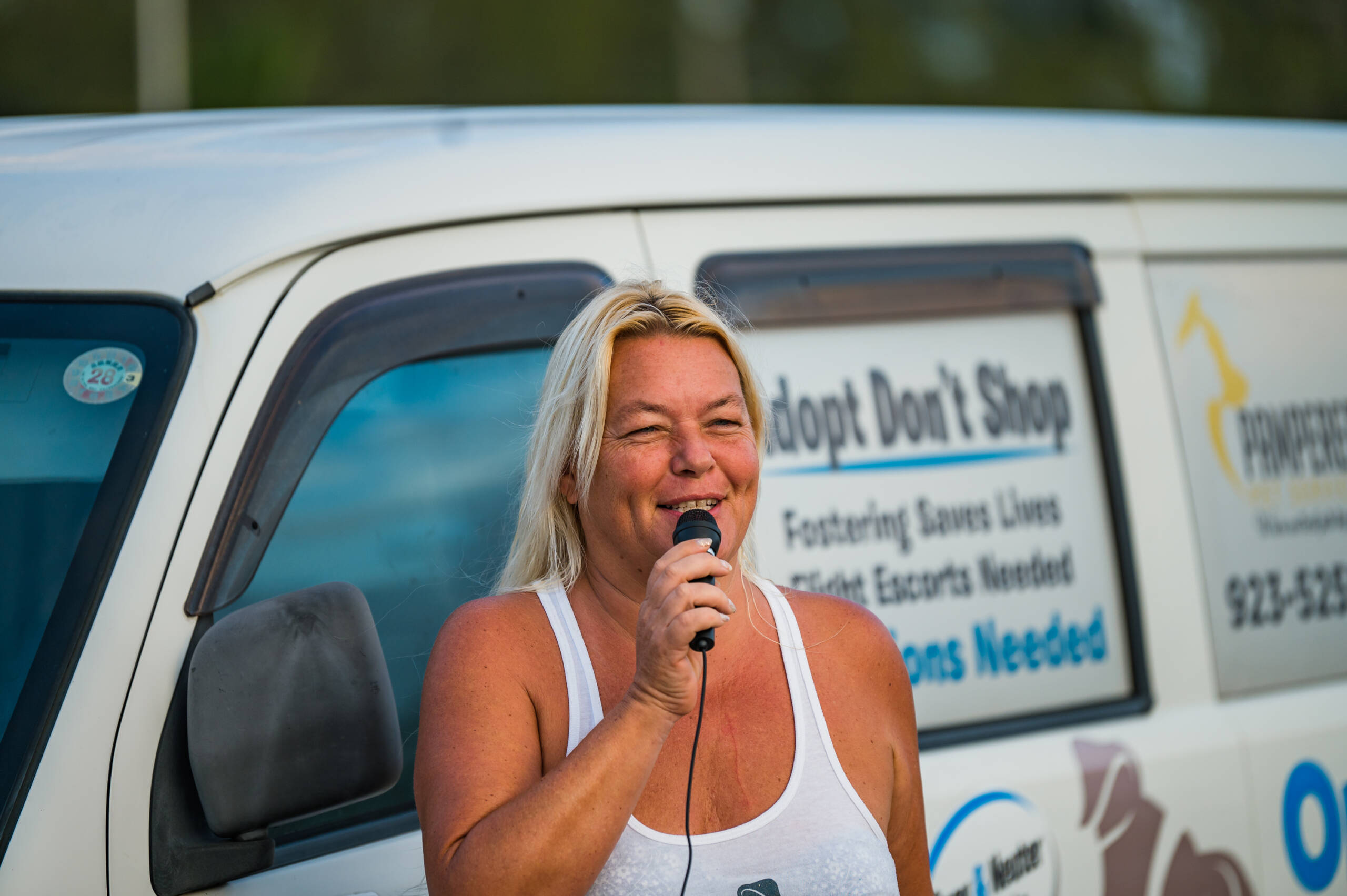
She said with the US entry rules now taking effect, the financial strain on charities increases as not only do they have to house the puppies longer, they will also have to get them vaccinated.
Even though Cayman is rabies free, ODAAT is now limited to sending dogs 6 months and older to the States, and they must also be microchipped and vaccinated against rabies, “which potentially is going to add $75 extra [cost] to all the dogs,” she said.
Johnston said last week One Dog at a Time shipped 20 puppies to the charity’s rescue partners in the US, but now with the new rules those flights are going to decrease.
Without the option of sending puppies under 6 months old to the US, she said, “The only way out is to make sure that all of our adults are spayed and neutered and it’s going to be the same rules for breeders. If they’re on island and they’re trying to send puppies abroad to the States, then that’s not going to happen either.”
Government will have to enforce spay and neutering on island because the situation will only get worse, Johnston added.
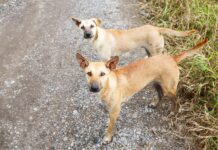
“At the end of the day it means potentially that there are going to be more strays around. It’s going to put more stress on the [Department of Agriculture] who are already picking up strays, left, right and centre. So it’s just an absolute nightmare, but spay and neutering is the way to go,” she said.
Talks on transport rules ongoing
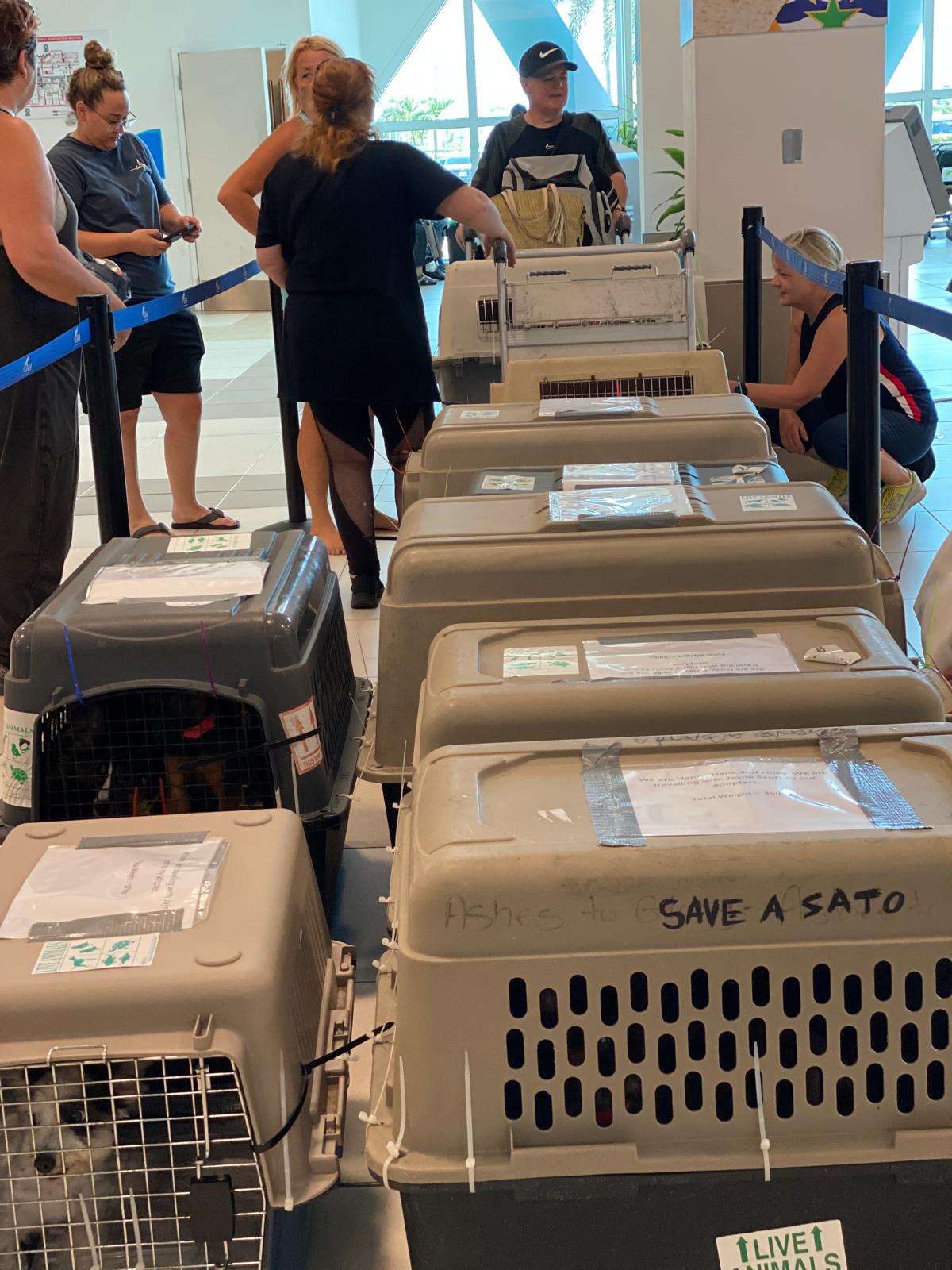
Cayman Airways, in its advisory to travellers, said the passenger accompanying a dog must be able to provide airline staff with a copy of their submission receipt upon check-in for their US flight.
“Upon check-in at the airport, Cayman Airways agents must verify that the passenger has the CDC Dog Import Form receipt (in print or electronically). Passengers will be responsible for housing, caring for, and repatriating any animals that are denied entry to the United States,” the airline said in its statement.
Cayman Airways explained that the imposition of the new requirements follows months of negotiations between the International Air Transport Association and the CDC to “arrive at reasonable requirements to facilitate both the convenience of pet transport and ensuring the necessary safety procedures”.
These negotiations, it said, are ongoing with the temporary arrangement only being agreed to a few days ago.
“Depending on the outcome of these negotiations, transportation of dogs to the United States could change significantly in the months ahead. Cayman Airways will provide the latest details on dog transport as they become available,” the statement added.
Related Videos