

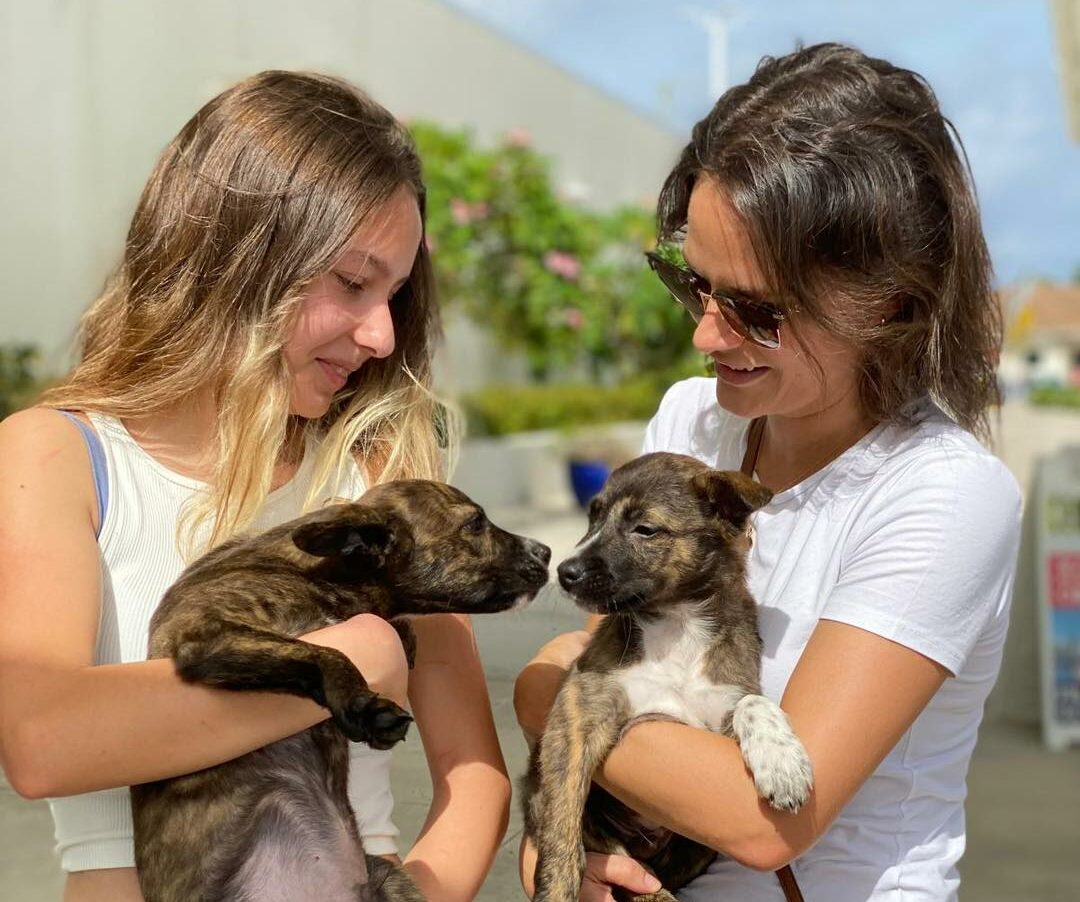
Local charities say new US entry rules for dogs could have “catastrophic” implications for their ability to send puppies overseas and could lead to more euthanasia to manage the island’s already out-of-control dog population.
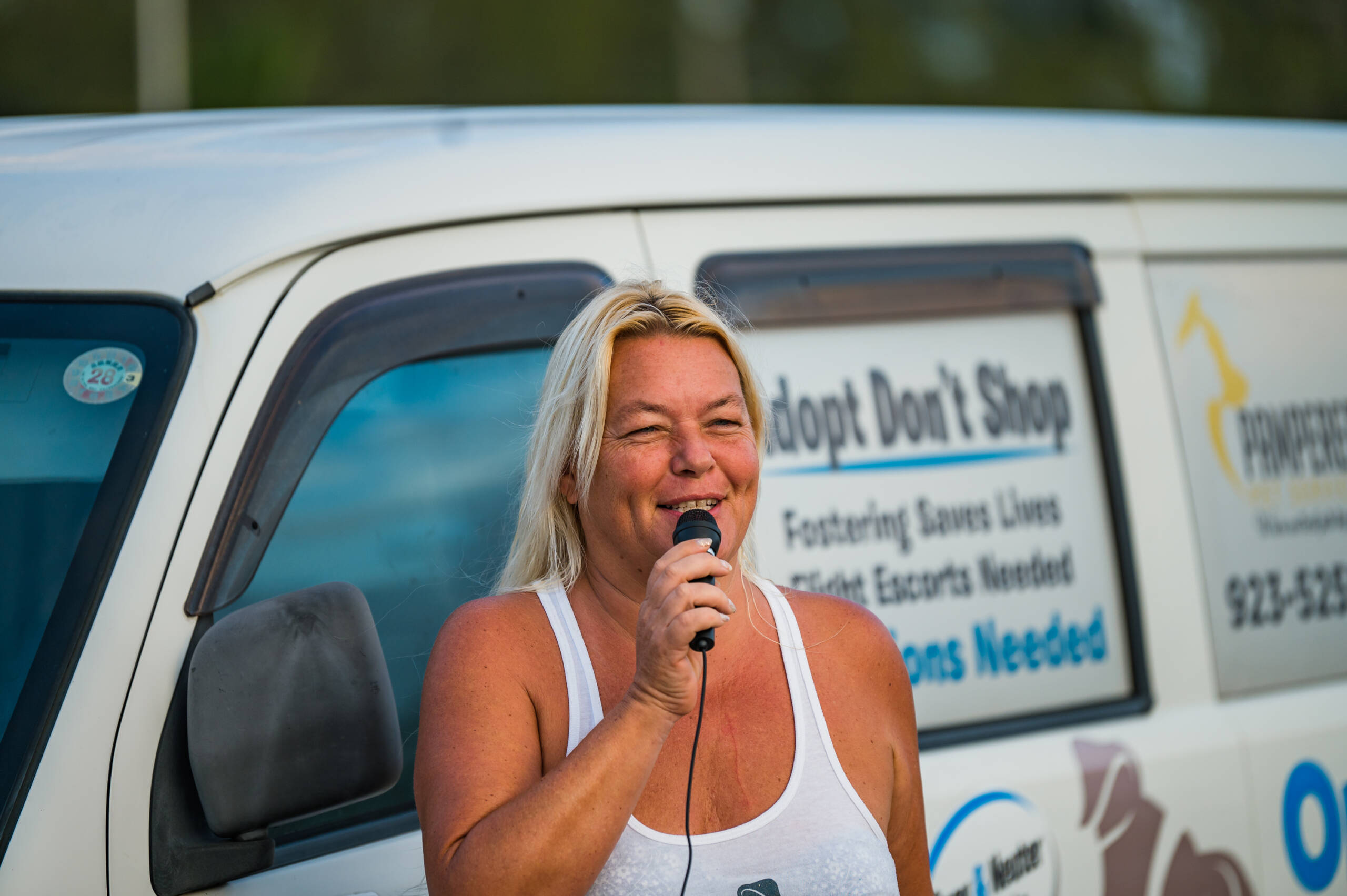
Currently, puppies as young as 12 weeks old are sent from Cayman to the United States.
Starting 1 Aug., however, the US will only allow dogs six months and over into the country. These animals will be required to be microchipped and vaccinated.
Caroline Johnston, president of One Dog At A Time, says the new rules are a “major issue” for local charities seeking to send animals to the states for adoption.
“I just can’t bear the thought of having so many puppies here that basically are going to have to be euthanised because we haven’t got the homes on island for them and we haven’t got the capacity to keep them till they’re old enough to fly,” Johnston told the Cayman Compass in a recent interview.
The Compass has reached out to the Department of Agriculture for comment on the new rules and is awaiting response.
Age restriction increases challenges
Describing the financial implications of the new rules as “horrendous in themselves”, Johnston has penned a plea to Premier Juliana O’Connor-Connolly to intervene on behalf of charities as a matter of urgency.
“As a charity, we do not have the facilities to house them for six months, as well as feeding them. The puppies will need to have had all their vaccinations and be fixed prior to leaving our island. We currently have no government funding and rely on the community and ourselves to organise events so we can pay for the dogs we rescue,” she wrote in her letter.
The restrictions, she said, will increase the financial burden on charities like hers, as many rescued puppies are quite young when they are turned over to the organisation.
“Around 90% of the dogs that we rescue are under six months old. Some of them are just four or five-weeks-old when we rescue them, and with this new law coming into force in the states, it means that every rescue organisation on island is going to have to keep puppies from, for example, four-weeks-old up until six-months-old,” she said.
Only 20% of animals placed in her care are adopted on island, Johnston added.
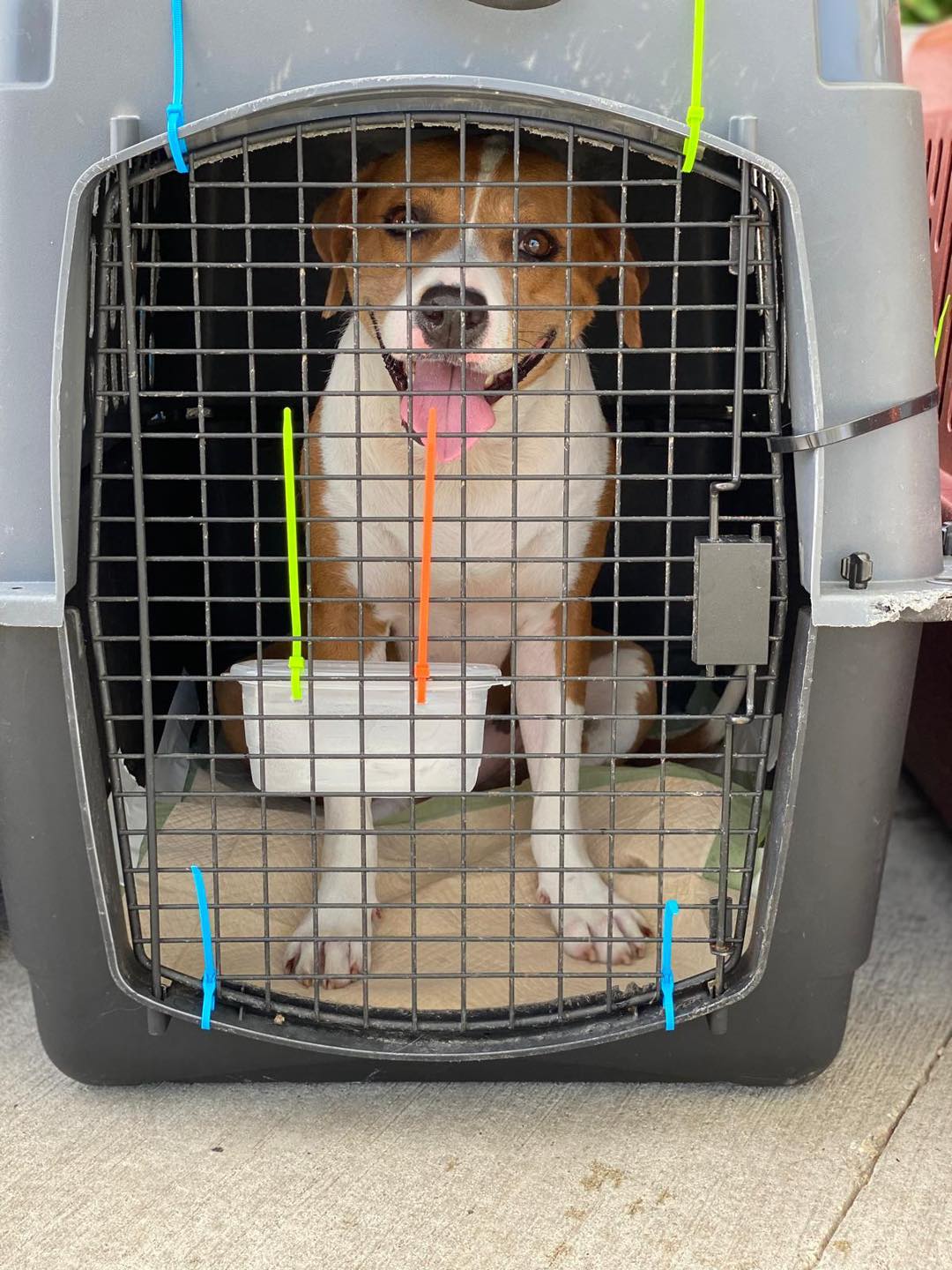
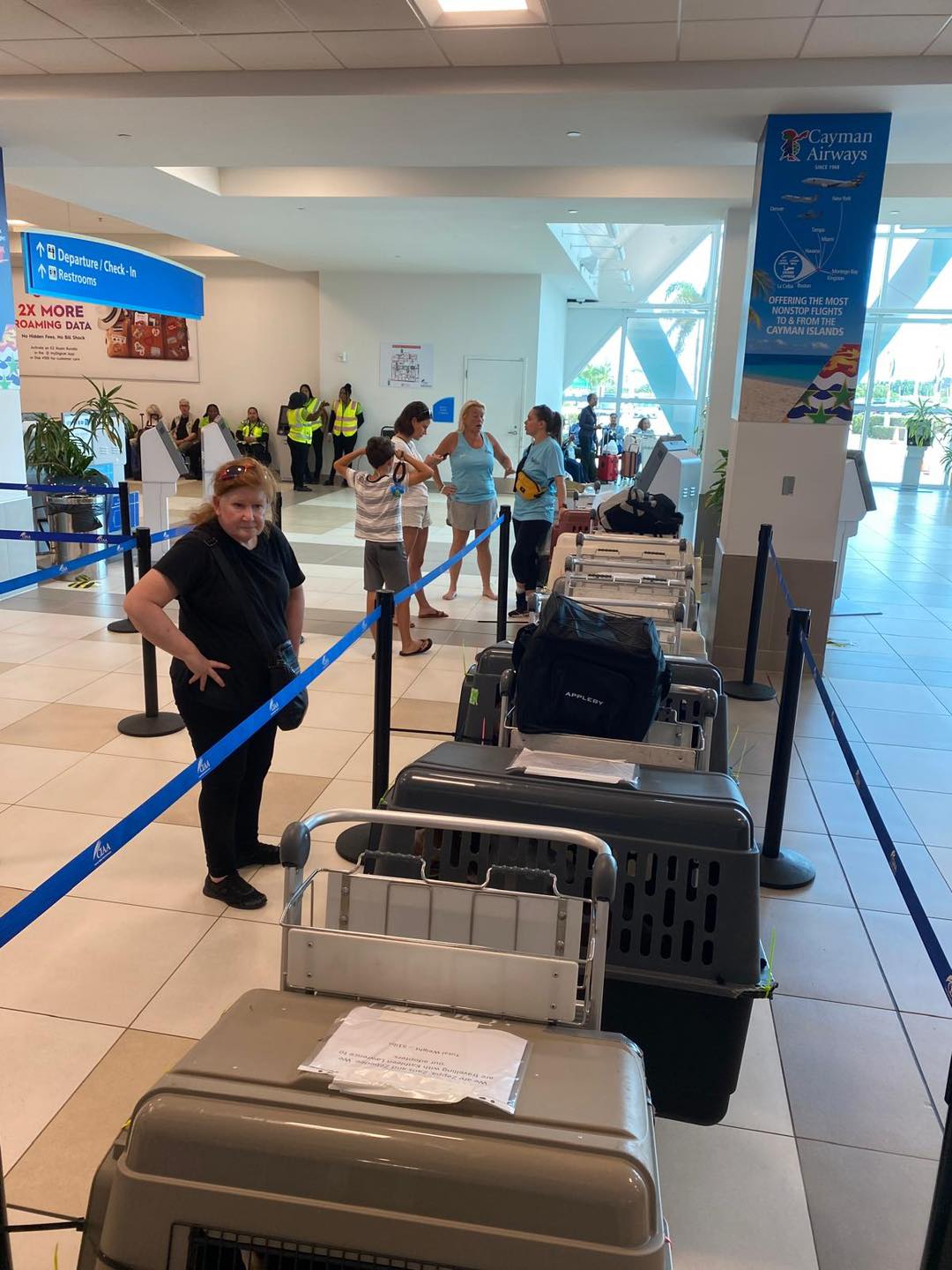
The remainder are flown to the US for adoption.
“You’re looking at every single charity having now to raise funds to pay for all of their care, plus all of their food and housing for up to say four or five months longer than we would do normally. At the moment, we’re sending them off when they’re around 12 weeks old, which is great because they’re small, so we can we can send more in a small crate on the airlines,” Johnston told the Compass.
She said, as a foster-based rescue, the charity is desperately in need of land to set up a sanctuary where the puppies and dogs can be safe until they get adopted or can fly.
The Cayman Islands Humane Society has also expressed disquiet over the implications of the new rules.
“Yes, this will also impact us, and we are concerned about it,” the Humane Society said in a brief statement. “We send puppies to private adopters in the US, as well as some partner shelters. It is a great loss not to be able to do that and I imagine some US citizens will be unhappy about it.”
Implications for hurricane season
Travellers seeking to take their pet home to the United States will also face barriers.
Johnston said she’s concerned for those who may need to evacuate during a storm with their pet and are hit with the new rules.
“If we get a hurricane on island, people who have puppies potentially aren’t going to be able to take them with them. So, what do they do with those puppies that are part of their family?” she said.
In a situation like that, she wrote to the premier, animals will be abandoned, left to fend for themselves and, if unfixed, will lead to a population boom.
“If one dog produces 10 healthy puppies, the females could become pregnant from around 8-10 months old. If those pups then each have 10 puppies, the situation will easily become out of control. As a charity, we do not want to see animals needlessly killed due to irresponsible owners who allow their dogs to walk the streets and then expect charities to deal with the issue of ‘unexpected’ puppies,” she wrote in her letter.
The implications of the rules, she said, are “massive and the government needs to try and step in and bring forward some very quick legislation to try and counteract this”.
Population control needed
Johnston said charities are struggling to keep up with the pace of litters being turned in.
“I’ve got a mum with puppies. The mother was surrendered to us. Then she gave birth without us realising because she was so emaciated. We have all of those puppies, and they will be sent before this 1 Aug. deadline. But any of the puppies who aren’t eight weeks by the first of August, we’re going to have to keep hold of them until they’re six months old,” she said.
Johnston said on Saturday that 15 puppies were sent to the US. She has another seven puppies in her care.
Government, she said, needs to address issues like stray dogs, unregistered dogs and unspayed dogs, which are fuelling the increase in puppies.
Johnston said it is key that breeders are fully regulated and that house and yard dogs are spayed or neutered to prevent unwanted pregnancies and babies.
She added that stray dogs should be fixed by the Department of Agriculture if captured.
In May, the department had 21 stray dogs in its pound. Another five dogs were confiscated and three were surrendered.
The department also euthanised one dog upon request, according to online records. In April, three dogs were euthanised.
Johnston said if dog owners cannot afford the procedure for spaying, assistance should be provided or additional funding given to charities to assist.
“If they’re left to run around and roam free, then the whole island is going to be covered in dogs,” she said.
Johnston said spaying and neutering dogs reduces their chances of many other illnesses, including testicular cancer and ovarian cancer.
“There is so many benefits to having dogs spayed or neutered. When they’re young, they don’t even know,” she said.
Related Videos













To me it makes no sense whatsoever we sending dogs overseas. The US has thousands of unwanted dogs
If Cayman cannot act in a responsible way towards domestic pets, then euthanasia is the logical answer.
No dog should be subjected to life in a cage!
Please offer free spay, pay $100 cash to each dog owner, for the dog brought in for a free spay. Problem solved. If $100 is not enough, offer $200. Plus FREE SPAY. P R O B L E M S O L V E D !!!!!!!!!!!!!
Why does the US need more dogs