


The Mosquito Research and Control Unit is claiming success over Cayman’s mosquito population, saying insect numbers have been vastly reduced through its ongoing preventative methods.
“This year, our efforts have yielded significantly better results compared to last year,” Kevin Watler, MRCU public education outreach officer, said in an emailed response to Cayman Compass queries.

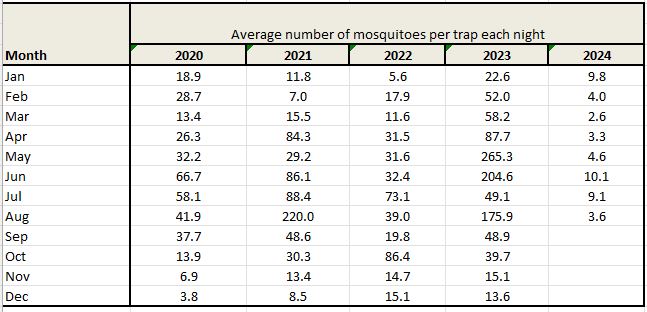
Citing data from traps, MRCU claims mosquitoes are, in some cases, 50 times fewer than they were this time last year.
Their records suggest 2024 has seen the lowest numbers of mosquitoes since 2020.
For the year to date, June had the highest average daily number of mosquitoes in traps, at 10.1, a sharp drop from the 204.6 recorded during the same period last year.
“The trap data we have tells an amazing story of how low the numbers are averaging compared to previous years. That said, what we do is only a part of the fight against keeping mosquitoes low. We can’t control what’s going on in people’s yards. So to keep the numbers down, we need to ensure they’re not breeding in our yards,” Watler said.
The traps used by the MRCU help measure the overall abundance of mosquito populations in certain areas.
Trap numbers falling
Data from the MRCU shows that Cayman’s mosquito trap numbers dropped drastically from last year, with, in some months, daily numbers averaging just above 200.
So far, for August, there has been an average of 3.6 mosquitoes recorded per day, down from 9.1 in July.
Watler said that the mosquito situation “has significantly improved” in recent times due to the unit’s “effective, science-based control methods”.
“We continuously monitor and adapt our approaches to ensure effective control. Several years ago, the MRCU changed its approach to mosquito management, but it proved ineffective. It took a few years to revert to the successful model we use today,” he said.
That method included the failed joint project with Oxitec to combat the Aedes aegypti mosquito using genetically modified self-limiting mosquitos which proved to be an ineffective control tool.
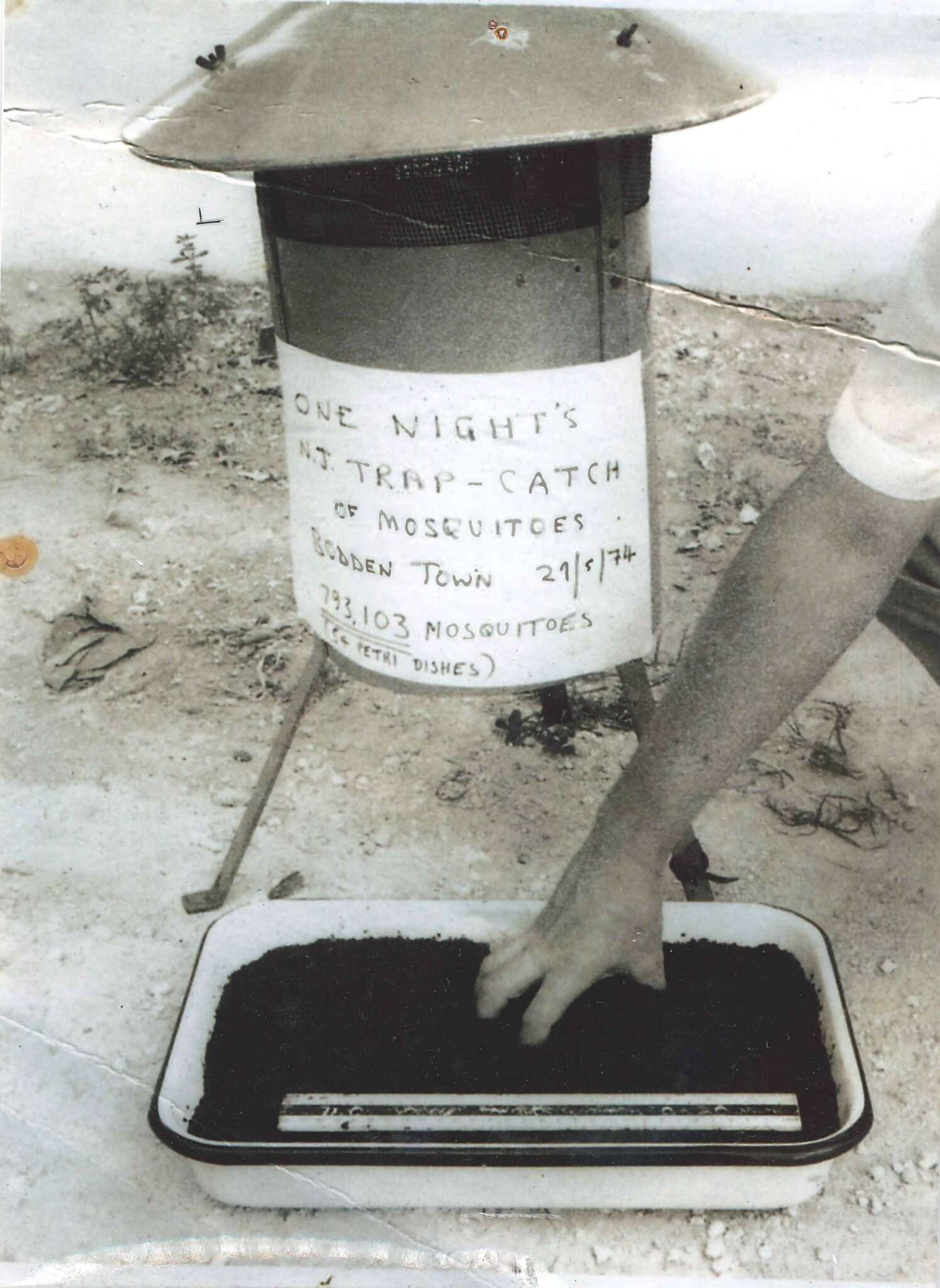
Grand Cayman has come a long way in its mosquito-control methods, Watler said, pointing out that the island holds the world record for the amount of mosquitoes collected in a trap.
“On May 29, 1974, a trap in Bodden Town collected 793,103 mosquitoes,” he said.
For this year, complaints from the community about mosquitoes have declined “indicating that our strategies are yielding positive results”, he said.
Uncontrollable factors, such as significant rainfall and high tides, can create favourable conditions for mosquito populations to increase, Watler added.
“Fortunately, we haven’t experienced excessive rainfall this season, but there have been some notable rainfall events and high tides. Despite these challenges, we have successfully coordinated our preventative mosquito control operations to minimize the occurrence of adult biting mosquitoes,” he said.
Among the methods being deployed are increased aerial spraying and pellet deposits in swampy areas, as well as residential checks.
“Mosquito trap data is just one of the indicators we use. Our Disease Prevention Officers, along with researchers, utilize several variables to anticipate significant mosquito outbreaks. They conduct swamp inspections, property inspections, collect larvae samples, and gather anecdotal complaint data,” Watler explained.
He said every morning the MRCU teams review the data and develop a plan to ensure it is doing its part to keep mosquito populations down.
Additionally, he said, the drier weather conditions have contributed to reduced breeding.
The unit will be increasing its community efforts to stamp out any possible surges of mosquitoes as the peak of the hurricane season approaches, which brings increased rainfall.
“Our Disease Prevention Officers are actively conducting property surveys in West Bay to inspect and identify potential mosquito breeding sites. They will continue this work across the island,” Watler said.
Drone tech explored
Watler said the MRCU is actively investigating the possibility of incorporating drone technology into Cayman’s mosquito-surveillance and control efforts.
“We believe that drones are part of the future of mosquito control and are evaluating what will bring the best value for our operations moving forward. Our current methods are effective, but as the Cayman Islands become more developed, there will be an increasing need for more targeted spot treatments,” he said.
Drones could potentially enhance the MRCU’s ability to monitor hard-to-reach areas, “identify breeding sites more efficiently, and improve the overall effectiveness of our control measures”, Watler added.
No timeline was given for the introduction of drones.
Clamping down on Aedes aegypti

The unit says it will be increasing its community efforts to stamp out any possible surges of the disease carrying Aedes aegypti mosquito with the expected increased rainfall.
MRCU Director Alan Wheeler said there will be increased aerial spraying operations from West Bay all the way to Patrick’s Island this week, including the Seven Mile Beach corridor, George Town and Prospect.
“We’re putting out pellets to prevent mosquitoes emerging. So if this is successful you won’t see any adult mosquitoes. The control work would have been done in the background against the immature mosquitoes,” Wheeler said in an audio message.
On Cayman Brac, fogging operations have been carried out from West End to the Layman E. Scott Sr. High School, as well as from the landfill to the Cayman Brac Beach Resort and on the Bluff.
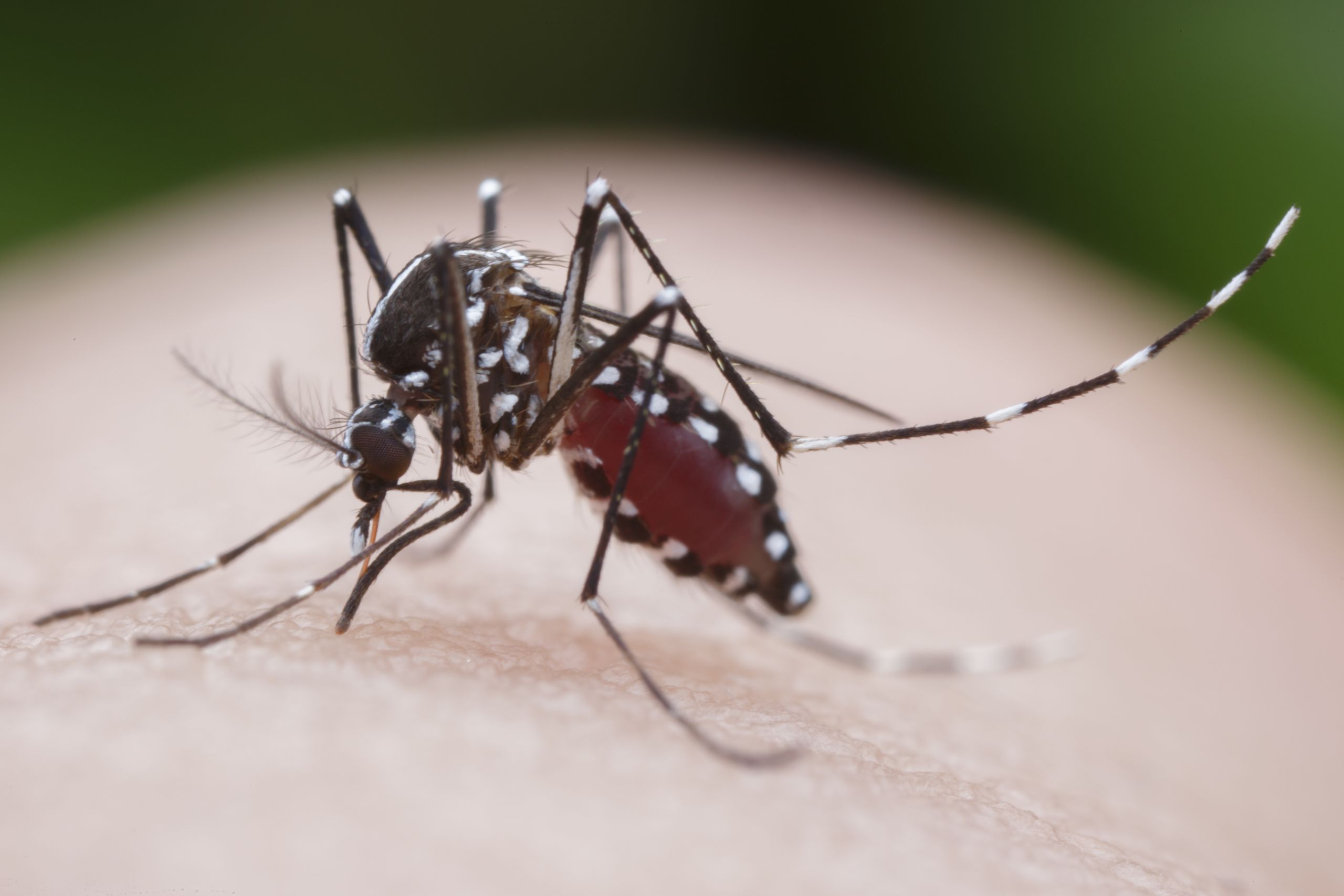
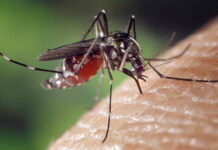
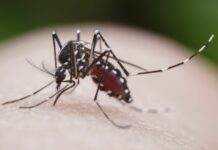
The Aedes aegypti mosquito is a carrier of viruses, including yellow fever, dengue, chikungunya and Zika.
Regionally, several countries have reported dengue outbreaks and deaths.
Wheeler is urging the community to keep their surroundings clean and free of standing water to reduce the chances of the disease-carrying mosquito breeding.

“The best thing that homeowners could do is just simply, once a week, survey their yards for any containers that can hold water. If they see water in the container, even if it’s got mosquito larvae or not, just empty it,” he said.
This will have a considerable impact on a resident’s chance of picking up a mosquito-borne disease because the Aedes aegypti mosquito does not fly very far, Wheeler said.
“So if you’re getting bit by this mosquito, chances are it’s a mosquito that’s bred somewhere within your own yard,” he said.
The MRCU has a team tasked with preventing mosquito-borne diseases, but is seeking additional staff, Wheeler said, adding that officers will be out in the community checking on residential areas.
Related Videos








That’s all fine and dandy.
But what about the birds, bats and any other species dependent on mosquitoes for their food supply?
The success against the mosquitoes this year has been incredibly apparent. Bravo! I am a “mosquito magnet” so I should know. I am so grateful.