

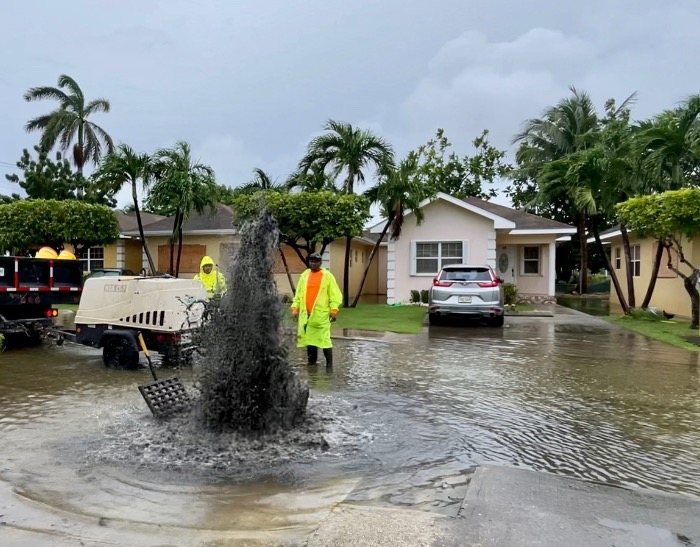
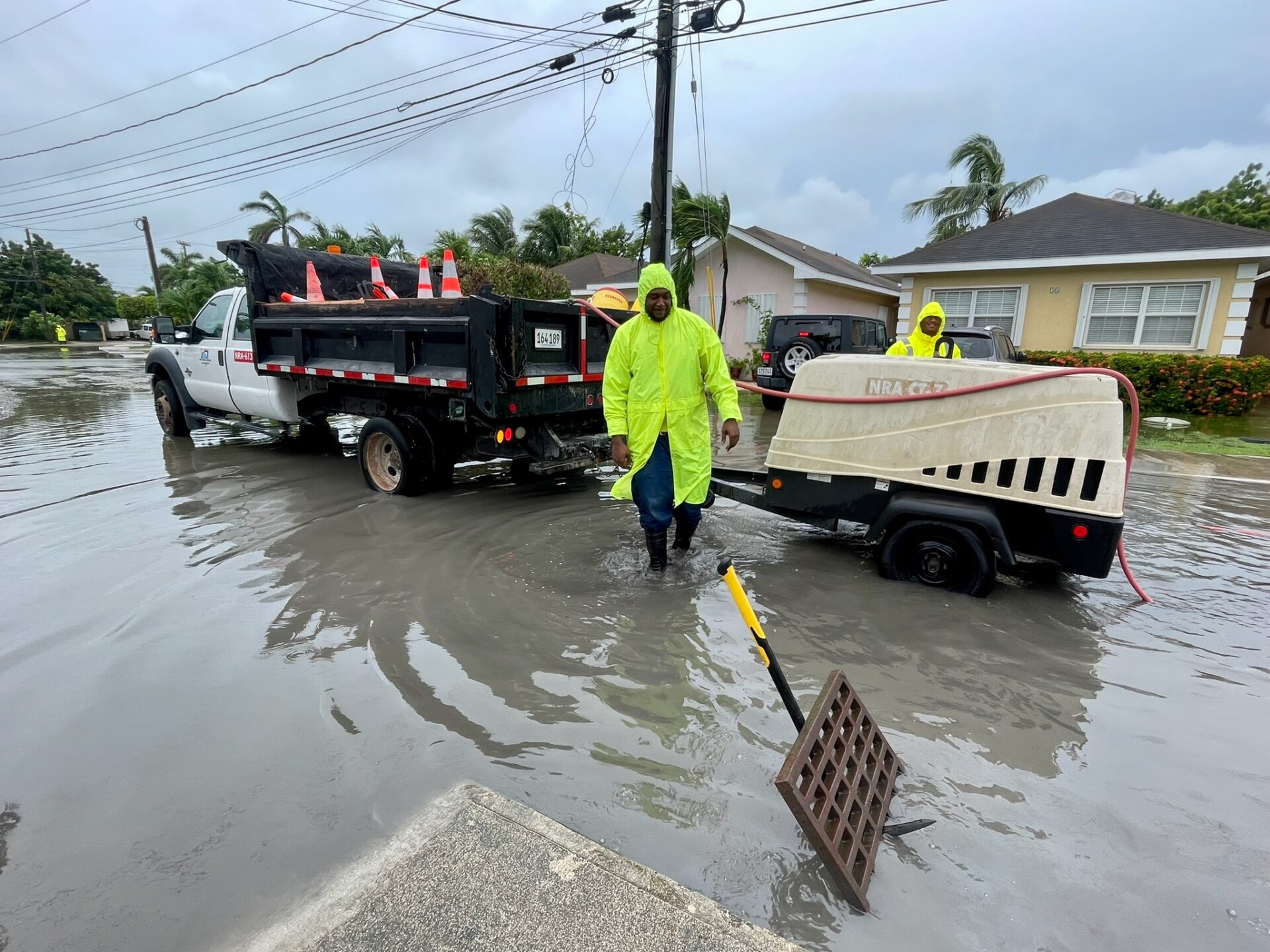
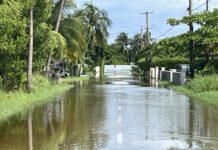
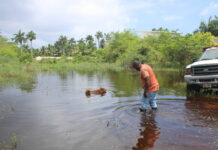
The streets of Grand Cayman ran thick with mucky water Wednesday, as engineers worked frantically to pump out blocked drains following three days of heavy rainfall.
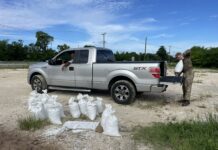
As residents waded through knee-deep puddles and mopped away stormwater that seeped past sandbags and into their homes, officials acknowledged a better plan was needed to cope with an elevated flood risk.
The impact of Tropical Storm Helene, now a hurricane, this week once again demonstrated how population growth and new development have altered the flood-risk map, bringing threats to areas previously untouched by extreme weather. The same issues arose during Hurricane Beryl.
Government leaders acknowledged that new construction and the loss of natural wetlands has increased the impact of flooding across Grand Cayman.
Infrastructure Minister Jay Ebanks, speaking on Radio Cayman, said government aims to buy up land and assemble a task force to put a proper national stormwater management plan in place.
National Roads Authority Chief Ed Howard said a system of canals and catchment ponds would likely be necessary to better manage stormwater in the long term, replicating a function previously performed by natural wetlands.
Highlighting methods used in Florida and other low-lying areas, he suggested Cayman would essentially need to create man-made wetlands to retain water and funnel it to the ocean.
He added that the loss of Mosquito Research and Control Unit canals, which had served as natural drainage but have in many cases now been filled for development, had increased the problem.
The remaining canals, which he described as a lifeline for Cayman in floods, are also in private ownership and are not legally protected.
“The very few we have left are saving us right now,” he warned.
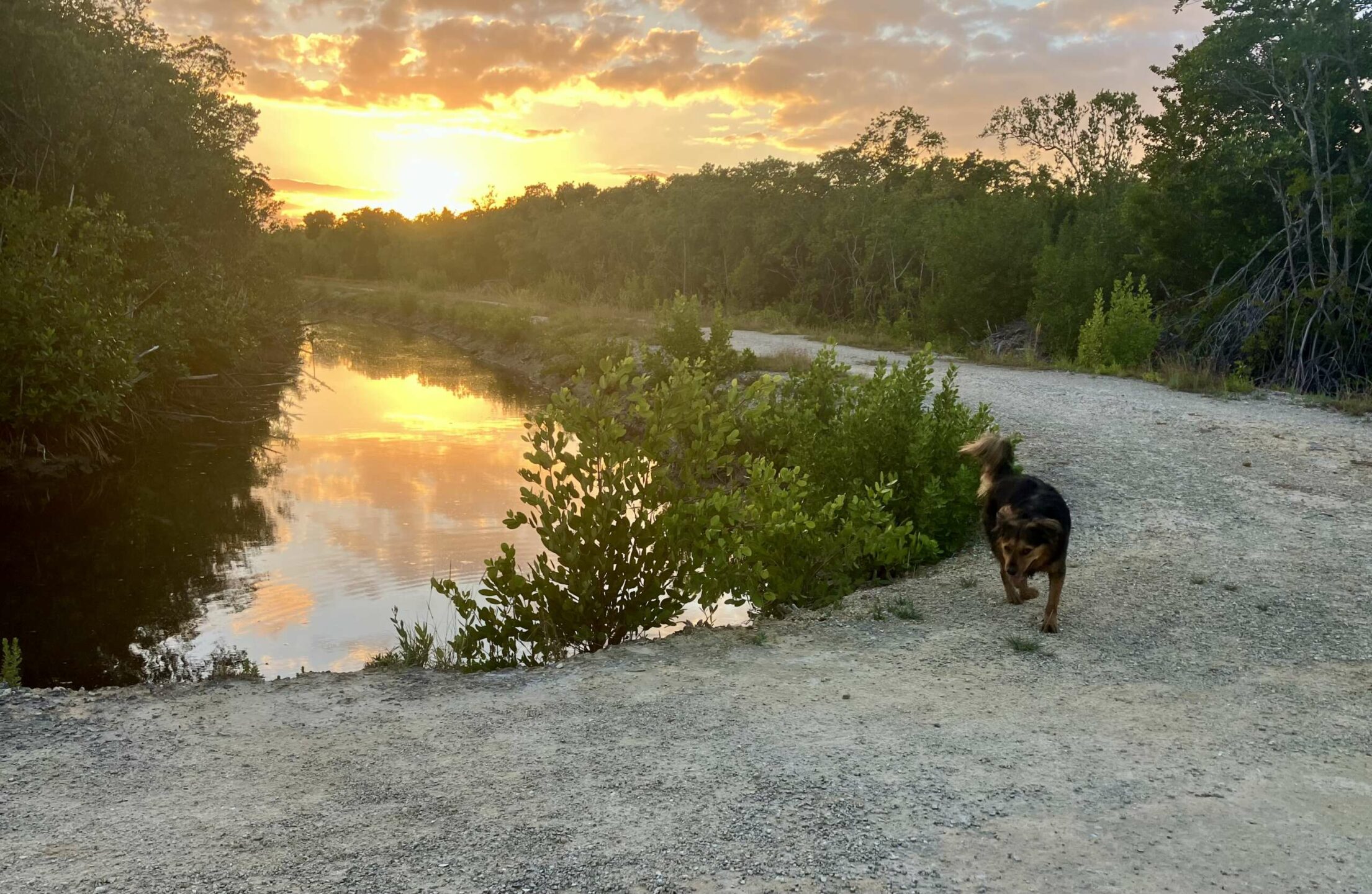
Howard suggested more canals may actually need to be added, particularly in South Sound, where natural drainage systems have been “squeezed and reduced” by new condos. He said the entire area now depends on a single 36-inch pipe.
The Department of Environment has previously highlighted the loss of mangrove wetlands, particularly in the South Sound basin, as a critical factor in increasing flood risk in that area.
Citing the example of Orlando, Howard said Cayman could look at adding man-made lakes, which function as retention ponds in flood prone areas to capture and store the water and release it over time.
“We have lost our natural storage and haven’t replaced it,” he said.
Task force assembling over flooding
Ebanks, also speaking on Radio Cayman’s ‘For the Record’ show, said government had been working to handle the flood situation across Grand Cayman using pumps to clear water.
But he acknowledged this was a temporary fix and said he was looking to put together a working group with the National Roads Authority, Department of Environment and others to come up with a national plan.
He said tweaks to planning legislation could also be required to compel developers, who are building on traditional flood planes, to provide solutions for drainage beyond the perimiter of their property.
He added that government is looking at acquiring key pieces of land to preserve for stormwater management.
The need for a comprehensive national stormwater management plan was highlighted as far back as 2003. But new homes and condo complexes – with foundations built much higher above sea level to comply with post Ivan planning laws – have exacerbated the issue.
The same issues arose during Hurricane Beryl earlier this year with some residents impacted by flooding that lasted for weeks after the rains stopped.
Ebanks said a task force was being put together to come up with a plan.
He acknowledged, however, that there was no money in the budget for any major works and that a national solution was still a long way off.
“We’ve already started to look at areas that we need to try to access or to purchase for stormwater management. That process has been ongoing already, and we’ve identified certain land areas that we think we need to be able to keep for our retention ponds.”
He added, “There is going to be significant amount of money that needs to be put aside first to create a proper, stormwater management plan.”
Related Videos







So the people of cayman will need to pay in the long term because planning department didn’t listen to the warning from dept of enviroment.
Once again, no accountability. Govt officials permit encroachment on wetlands for private developments, create a major problem for the public, and no action is taken against them,
Oh, I know, I know! Instead of limiting our population growth to match current infrastructure and redirecting funds currently being considered for creating new infrastructure, let’s build an all new cargo port, an EWA road through the worst option for the Central Mangrove wetlands and thousands of new homes and roads… you know, stuff we’ll only need if we don’t limit our population. Or… we COULD slow the importation of more expats, solve the landfill problem and set aside more land and coastal access for future Caymanians. Hmmm, let… me… think.