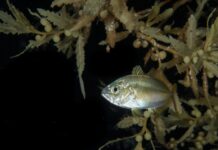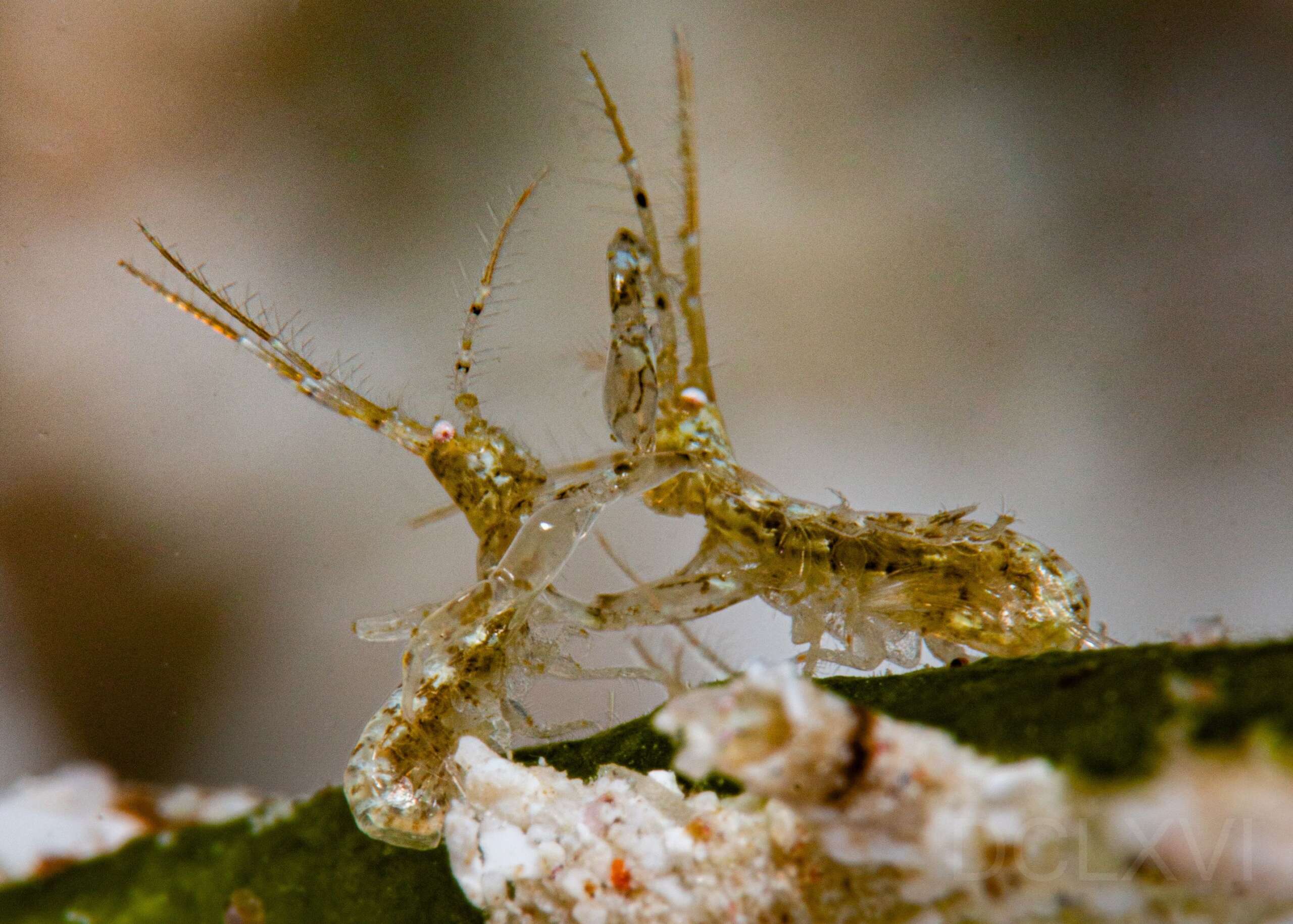
A tiny sea creature, measuring less than a quarter of an inch and thought by many who have photographed it to be a shrimp, has turned out to be a marine isopod – a type of crustacean – never before recorded or photographed in Cayman.
The discovery came about after photographer Lisa Collins answered a request from a friend, who is writing an underwater species identification book, to send him pictures of “any weird stuff” she had shot.
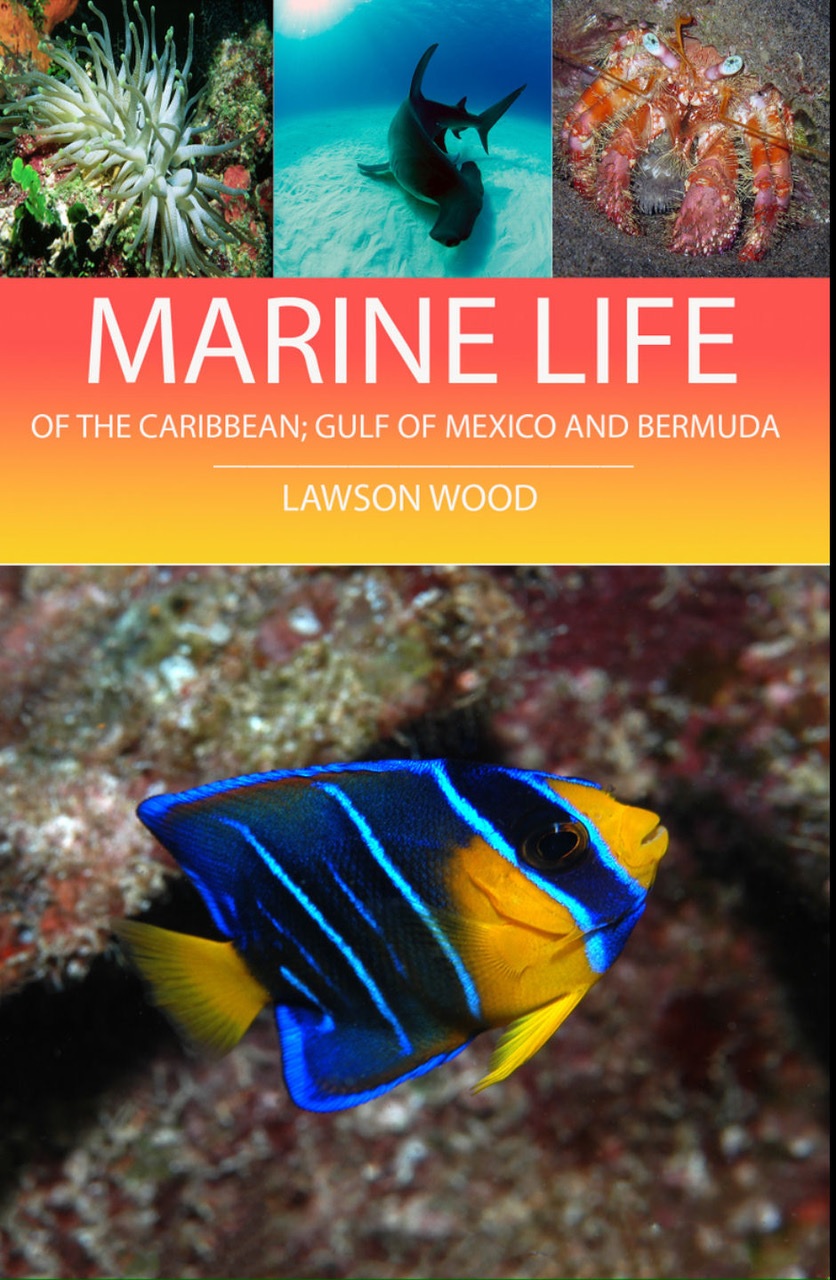
Lawson Wood, who was in the process of completing a ‘Marine Life Identification Guide for the Caribbean, Florida, the Gulf Islands and western Atlantic’ – his third book for Bloomsbury Publishers – had reached out to Collins for photos.
“Quite a task, but having lived in the Cayman Islands, this was the perfect base for exploring the rest of the Caribbean,” he said in a statement.
“Lisa pulled out all the stops and, despite her very busy work schedule, was able to send me an amazing variety of fish and invertebrates, many of which I had never seen before,” he said. “Her amazing selection included pike blennies, masked hamlets, several types of elysia (a type of sea slug), shrimps, snails and one very curious critter which resembled a shrimp and was obviously a member of the Crustacean super family,” he said.
He sent the photo to Professor Mary Wicksten from Texas A&M University, who was helping him identify crustaceans, and, he said, she “became very excited to discover that this species had never been photographed or recorded in the Caribbean, never mind in the Cayman Islands”.
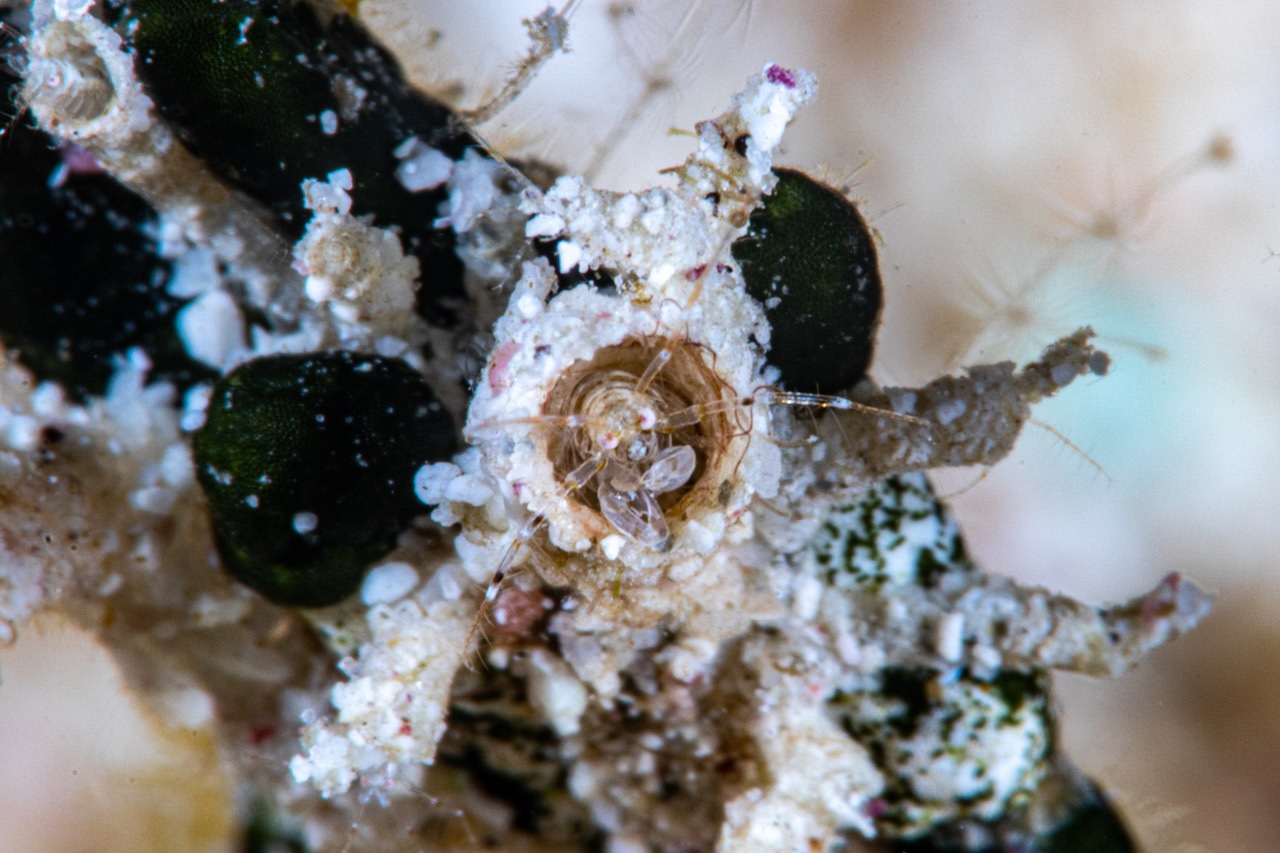
She identified it as a tube-dwelling isopod, Pagurotanais largoensis.
“That it had originally been mistaken for a type of shrimp was not surprising because it is quite shrimp-like in appearance, though you might notice that the largest cheliped (claw) has a distinct hook on its end,” he said.
Wicksten carried out further research, and found that one of her colleagues had noted that the species had been recorded in Cuba only a short time earlier.

However, there had been no Caribbean record of it, “so what Lisa had photographed was a new species as far as the Cayman Islands are concerned”, Wood said.
“This species had previously only been recorded from the offshore northeast Pacific,” he said. “However, it was subsequently found along the offshore Florida coast, where it is known to inhabit old tube worm tubes and small gastropod shells. In fact, very little was known about the species, and Lisa’s photograph was evidence enough to confirm to the marine scientific world of its existence in Cayman waters.”
Two other similar species, Pagurotanais bouryi and Pagurotanais guitarti, have been recorded in Cuba.
Tiny but aggressive
Collins, who runs Capture Cayman photography company, told the Compass she came across the tiny critters while looking for nudibranchs amongst algae leaves in sandy patches at several dive sites around Cayman.
She said they seem to be quite aggressive animals, often apparently fighting each other over territory or food.
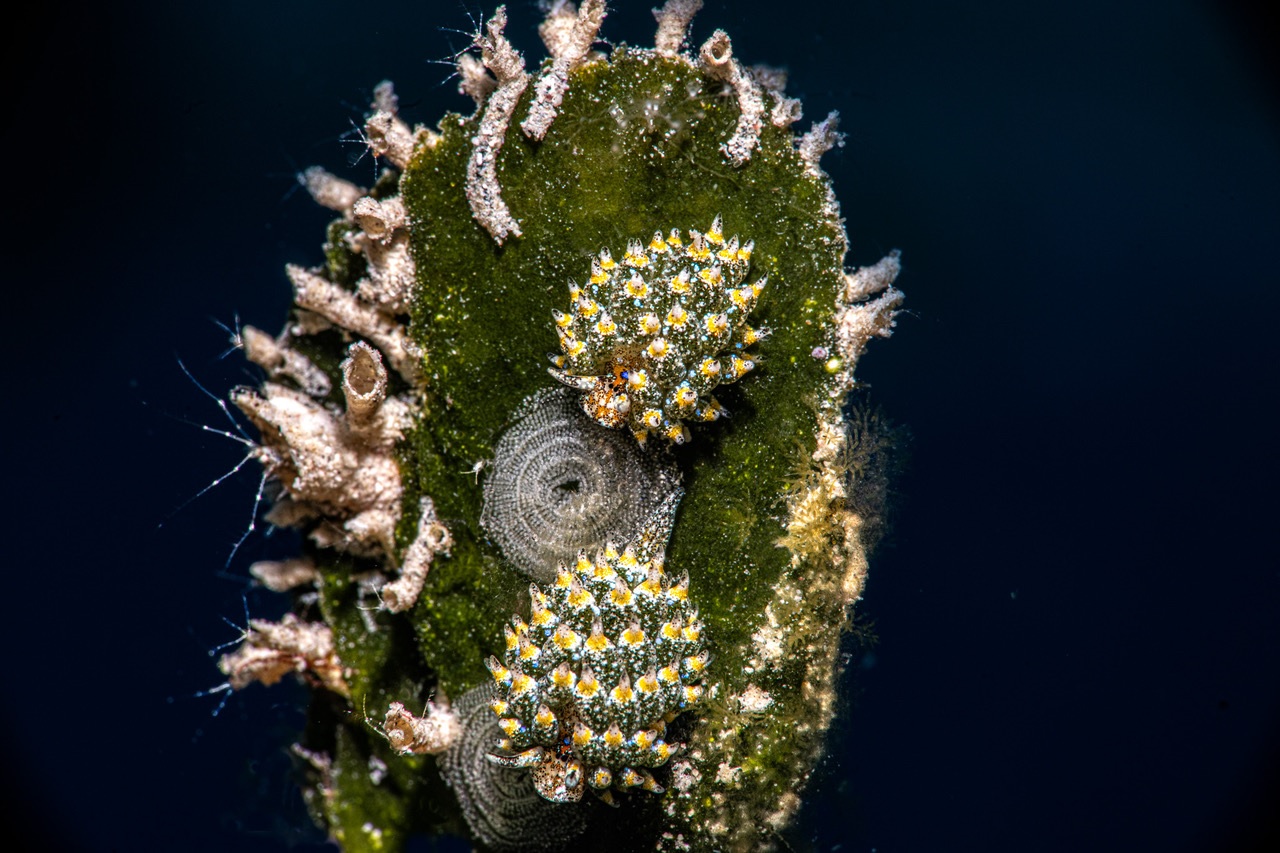
She said she had assumed that they were shrimp, because of their shape, and hadn’t realised the significance of the miniscule creatures, which she had shot several times.
“I’ve seen them all over the place, at Macabuca, Eden Rock, Sunset House, Don Foster’s,” she said. “You find them in places where you’d see Shawn the Sheep (a tiny sea leaf slug).”
“I saw them when I was looking for Shaun the Sheep,” she said. “You see a really quick movement, and think ‘what is that?’ … I took photos because I really liked their little pink eyes.”
Related Videos