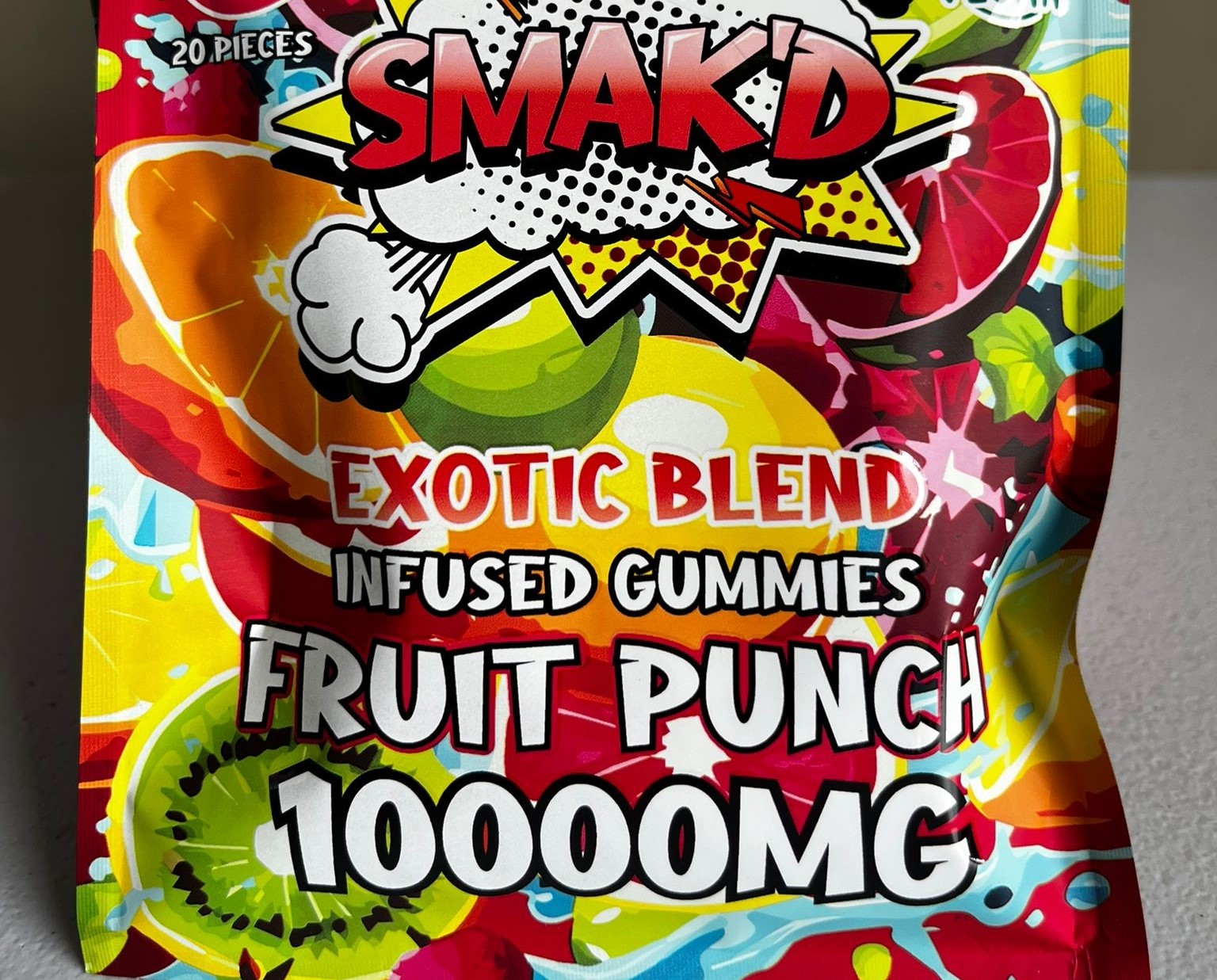
A Halloween warning to parents about the risks of gummies laced with cannabis derivatives was sent out on Monday by Cayman health chiefs and police.
The Public Health Department, the Ministry of Health and Wellness, the National Drug Council and police joined forces for the alert.
Dr. Samuel Williams-Rodriguez, the medical officer for health, said, “As we enter the festive season of Halloween, Pirates Week, and Christmas – celebrations often filled with an abundance of sweets – our focus is on the potential risks posed by THC-infused gummies that may be unknowingly given to children.”
He added, “Even small amounts of THC can have serious effects on a child’s health.
“We urge parents and caregivers to be proactive and aware of the products their children may have access to, given how appealing these gummies can be to children due to their candy-like appearance.”
Williams-Rodriguez was speaking after two children earlier this month lost consciousness when they ate gummies containing THC and required hospital treatment.
He said that people who distributed candy to children had to take “special care” because the similarity of THC-infused products to ordinary sweets made it difficult to distinguish between the two.
Dr. Nick Gent, the chief medical officer at the health ministry, added, “THC is illegal in the Cayman Islands and no amount is safe for children.”
THC is the main psychoactive ingredient in cannabis and causes the “high” when cannabis is smoked or incorporated in food.
Gent added that packaging for the illegal gummies often referred to THC as D8, D9 or D10, or a combination of the three, as well as statements such as “less than 0.3% THC”.
Products with that level of the drug are legal in the US, but not in the Cayman Islands.
Gent said these percentages can lead consumers to erroneously believe the product is relatively safe.
“This is absolutely not the case,” he said.
“These products are created for the American market and for adult consumption.
“When children consume gummies or other edibles laced with THC, or its derivatives, it can lead to serious health complications, including extreme drowsiness, confusion, respiratory issues, and even more severe outcomes such as seizures or loss of consciousness.”
Brenda Watson, the director of the National Drug Council, added, “Mid-term break is approaching, a time when many children and teenagers may be at home without full supervision, making them more vulnerable.
“It’s vital to understand that this is fundamentally a public health concern.”
The three bodies, alongside the education ministry, will also run a special campaign in schools designed to highlight the risks of THC and how to spot potentially harmful items.
Related Videos