

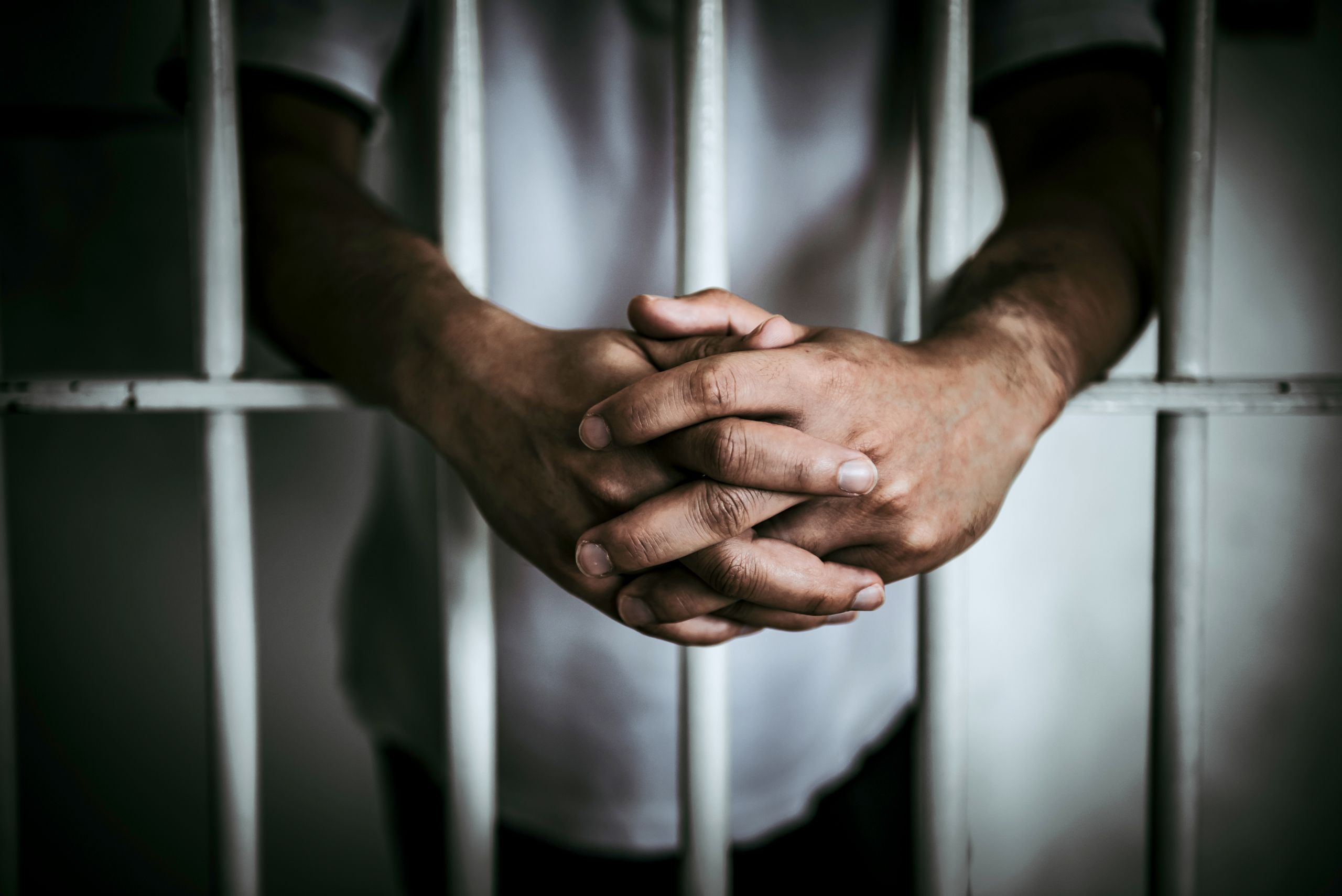
Cayman’s men’s prison is overcrowded, prone to flooding and suffers from shortages of clothing and bedding for inmates, multiple prisoners have told the Cayman Compass.
A recent spike in the prison population has left the facility – which was already overcapacity – bursting at the seams.
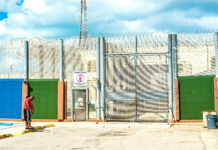
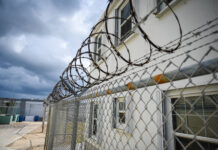
In a special report today, inmates themselves, give the Compass the inside story of what life is like behind the crumbling concrete walls and razor wire fences of HMP Northward.
“This place was condemned 20 years ago. It hasn’t got better. It’s 20 years worse,” said one man.
“It is consistently overcapacity and the recidivism is unbelievable,” he said. “They try to release people to free up space and they are back within a week.”
Director of Prisons Daniel Greaves said the number of inmates is growing year-on-year, straining the capacity of the aged facility which he accepts is “not fit for purpose”.
The average population across both HMP Northward and Fairbanks women’s prison went up by 20% in the last two years alone. The most critical issues are at the men’s prison, where an estimated 230 prisoners pack into a facility built for 167.
New infrastructure has been recommended and has been in the design phase for several years but sufficient funds have not been allocated in government budgets to make tangible progress.
The Human Rights Commission, in a statement to the Compass, urged government to take “immediate action” to prevent the situation from worsening. The commission praised the work done by prison leadership to improve the environment at Northward but insisted investment is needed to address “overcrowding and inadequate facilities.”
‘Back to the Flintstone days’
Meanwhile the number of men, both convicted criminals and those on remand awaiting trial, crammed into the decrepit cell blocks continues to grow.
One inmate said, “They passed max capacity a while ago and started moving us around. The conditions are horrible.”
He described hosing down his cell at the end of the week to get rid of roaches, hanging a sheet over the bars to be able to use the toilet without being viewed by the entire cell block, and using garbage bags to plug leaks in the ceiling.
Another inmate, speaking after a power outage earlier this month damaged air conditioning units, radios and stereos, said HMP Northward had gone back to the “Flintstone days”.
“Right now, we don’t even have air conditioning. I am dripping sweat as I talk to you,” said the prisoner.
The three men who spoke with the Compass, ranging in age from early 20s to middle age, painted a picture of an institution struggling to manage a growing population in a facility that continues to deteriorate.
While they had complaints about the conditions at the facility, they reported relative calm among the inmates.
“Everyone keeps to themselves and tries to stay out of trouble because you want to get out,” said one prisoner.
Supply shortages
The overcrowding is leading to some frustration and conflict, however.
One of the prisoners said there was a shortage of basic essentials like toilet paper.
“I told the officer you are gonna have to give me another roll or I s*** my clothes right now,” he said.
A lack of provisions extends to clothes and bedding.
“It is crowded as f***. They don’t have supplies for people, they don’t have clothes. People are coming in, they don’t even get a pillow,” he said.
Greaves acknowledged shortages in bedding and appropriately sized gear but said this was due to delays in deliveries, which had largely been resolved. He said procurement processes had been adjusted to ensure prisoners have access to basic necessities.
Fire and flood
Storms throughout hurricane season have tested the facility further.
“All the roofs in every single cell block are leaking. We had garbage bags catching rain water for months,” said one prisoner.
“I would be really interested to see how this place manages in a real hurricane.”
Two other inmates said their cells also leaked in a storm.
“When it rains hard, everybody’s cell gets water,” said one.
“When they had the hurricane that was supposed to hit, there was rain dripping through the roof,” said another.
“They put up plastic sheeting but the cell still got wet.”
He added there was mould in the cell block from the damp.
Greaves said the prison service was aware of the issues and was doing its best to deal with it.
“While we acknowledge the concerns regarding cell damage and damp conditions, we are actively working to improve the living conditions as part of a broader plan to modernise and upgrade our facilities,” he said.
There’s similar anxiety around fire. When a mentally unstable prisoner set fire to his mattress earlier this year, an inmate told the Compass, there was no alarm or sprinkler system.
“The officers came banging on the doors to wake us up,” he said.
Earlier this month, the ‘pop pop pop’ of appliances shorting out disturbed a quiet Sunday afternoon.
Televisions, radios and air conditioning units were damaged as a result of technical issues following a scheduled power outage. Several cells were left without air conditioning for days as the prison moved to back-up generators.
Police were called in to provide extra security with the cell blocks in darkness, but there were no serious incidents reported.
The outage served to heighten concerns about the prion’s capacity to withstand natural disaster, however.
‘Barely fit for human habitation’
A 2012 report by a UK prisons inspectorate concluded that conditions at HMP Northward were “squalid”.
“Cells in Northward were dark, stifling and intimidating. Prisoners lived in overcrowded cells on dirty overcrowded wings devoid of privacy. Conditions were shambolic, with most accommodation barely fit for human habitation,” the report stated.
At the time, Nick Hardwick, Her Majesty’s chief inspector of prisons, said in the introduction to the report that what the inspectors had found was troubling and concerning, “particularly given that the prisons operated in the name of Her Majesty’s Prison Service”.
He added, “Whatever one’s view of the role of imprisonment, most people would expect prisons to hold prisoners safely and decently, and to ensure prisoners leave as better people than when they came in. Northward and Fairbanks fall well short of this standard.”
While steps have been taken to remedy some of the findings in that report over the past 12 years, there remain considerable concerns about living conditions at the prison.
The Cayman Islands Human Rights Commission, which has kept up the pressure for improvement since that time, said in a statement that urgent action is needed.
“The Human Rights Commission has observed firsthand the improvements made by leadership at Northward Prison, particularly related to educational programmes, despite significant budgetary constraints,” it stated.
“However, to comply with international human rights standards, investment is needed to address overcrowding and inadequate facilities. We urge the government to take immediate action to prevent the situation from worsening.”
Prison officials acknowledge that a total rebuild is required to fully address the multiple issues outlined in that report.
Greaves agrees that Northward is “not fit for purpose”.
And the challenges have been compounded by a significant growth in the prison population over the past few years.
The average number of inmates across the prison service in 2022 was 208. This year to date it is up to 255 – the bulk of those at HMP Northward.
“The prison capacity for men is indeed listed as 167, but due to current population pressures, we have had to utilize all available space within the establishment by doubling up prisoners in cells,” Greaves said in an emailed response to questions from the Compass.
He acknowledged this was “not an ideal solution”, but said his staff were closely monitoring the situation to minimise the impact on inmates and maintain safety and security at the decrepit facility.
“It is well documented that the current prison infrastructure is not fit for purpose, both from a structural standpoint and a health perspective. We have been working to upkeep and maintain the existing aged facility,” Greaves added.
He said a new prison was a priority and is in the design phase. There have been plans for some time to rebuild the prison in phases at its current location, but no significant funds allocated to accelerate the project.
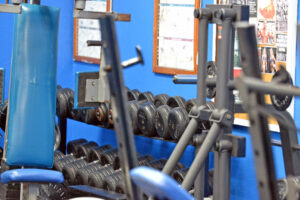
There have recently been improvements to the gym and a pickleball court has been added. But many of the issues highlighted in the 2012 report relate to the condition of the buildings and remain unresolved.
Early release
One possible tactic to ease overcrowding is to consider prisoners for early parole.
Greaves said this was used sparingly, and there are no current plans to follow a UK policy of making inmates eligible for release after serving 40% of their sentence.
Still there is a perception among some inmates that prisoners jailed for less serious matters are being let go in order to make space.
It has been met with mixed results, however.
“The recidivism rate is insane – 80% of the people coming in are repeat customers and that’s a conservative figure. One mother****** was gone 72 hours and he was right back,” said one inmate.
Another told the Compass he had become eligible for early release, but was not able to be paroled because he couldn’t find a place to live.
Life after prison
The high recidivism rate is perhaps explained by some of the challenges inmates face after release.
One recently released prisoner said it was a struggle to get back on track after being paroled.
“When you are leaving prison, some of the officers joke around and say, ‘I don’t want to see you back here.’ Others laugh and say, ‘I know you are coming back next week,'” he said.
The individual, like a lot of released prisoners, has no family financial support and his job prospects are limited after a spell at Northward.
“It is just very hard to get your life back on track,” he said. “It has been a struggle but I am determined not to go back.”
He says he took advantage of what opportunities existed in prison – joining the chess club, working out at the gym every day, and attending church and counselling sessions, as well as training in trade skills.
In some ways, the stint inside has helped focus his mind on the future and connect him with resources and opportunities of which he was unaware before.
But the support network is mixed and he believes there could be more help for people coming out of prison to get back on their feet.
“We need support because we don’t have money,” he said. “We don’t have anywhere to live, we don’t have that much help to find a job. It’s tough when you get out.”
Greaves said the prison service does seek to address recidivism through training and providing therapeutic support to inmates while they are in custody.
“We recognize that releasing individuals into the community without adequate support can lead to a cycle of reoffending, which is why our approach is holistic,” he said.
“We aim to reduce recidivism by providing prisoners with the tools they need to reintegrate into society successfully. This includes access to behavioral programs, education, and skills training.”
Related Videos








Our government should be ashamed of this dilemma!! How can you want to construct a $60 million high school and you have people living like this? Instead of building a refugee holding centre in fair banks, why not construct and renovate/expand HMP? They say you want to see how a country really is, see how they treat their animals, their prisoners and the elderly. Cayman you can do better than this!
The conditions seem dreadful. But none of the men are in there for being fine, upstanding citizens.
And yes, a count of the rows on the pictogram above shows that more than 2/3 of the inmates are Caymanian citizens.
What can be done in our schools and homes to prevent our young men turning to crime in the first place? What a terrible waste of young, and old, lives.
The P.M needs to return from her trip to Samoa and attend to these issues at home including the highly embarassing delay in the Mental Health Facility. I’m sure she will be paying close attention to the construction of the new Brac High School. Yes , the conditions at the prison are unacceptable, and need immediate attention and funding, but on the other hand it should not become a holiday camp. As for Mr Hardwick’s condemnation he must be aware that some prison conditions in the U.K. are so bad that a number of prisoners have committed suicide.
As the conditions at Northward are dire to say the least, the fact that so many prisoners are back inside within a very short time show that the lack of a half way house and facilities for reintegrating them into society just exacerbate the overcrowding problem.
Just hearing in detail how dreadful the prison condtions are, one wonders why this was not given priority when $50 million could be found to build a new high school for the realatively low student population in the Brac.