

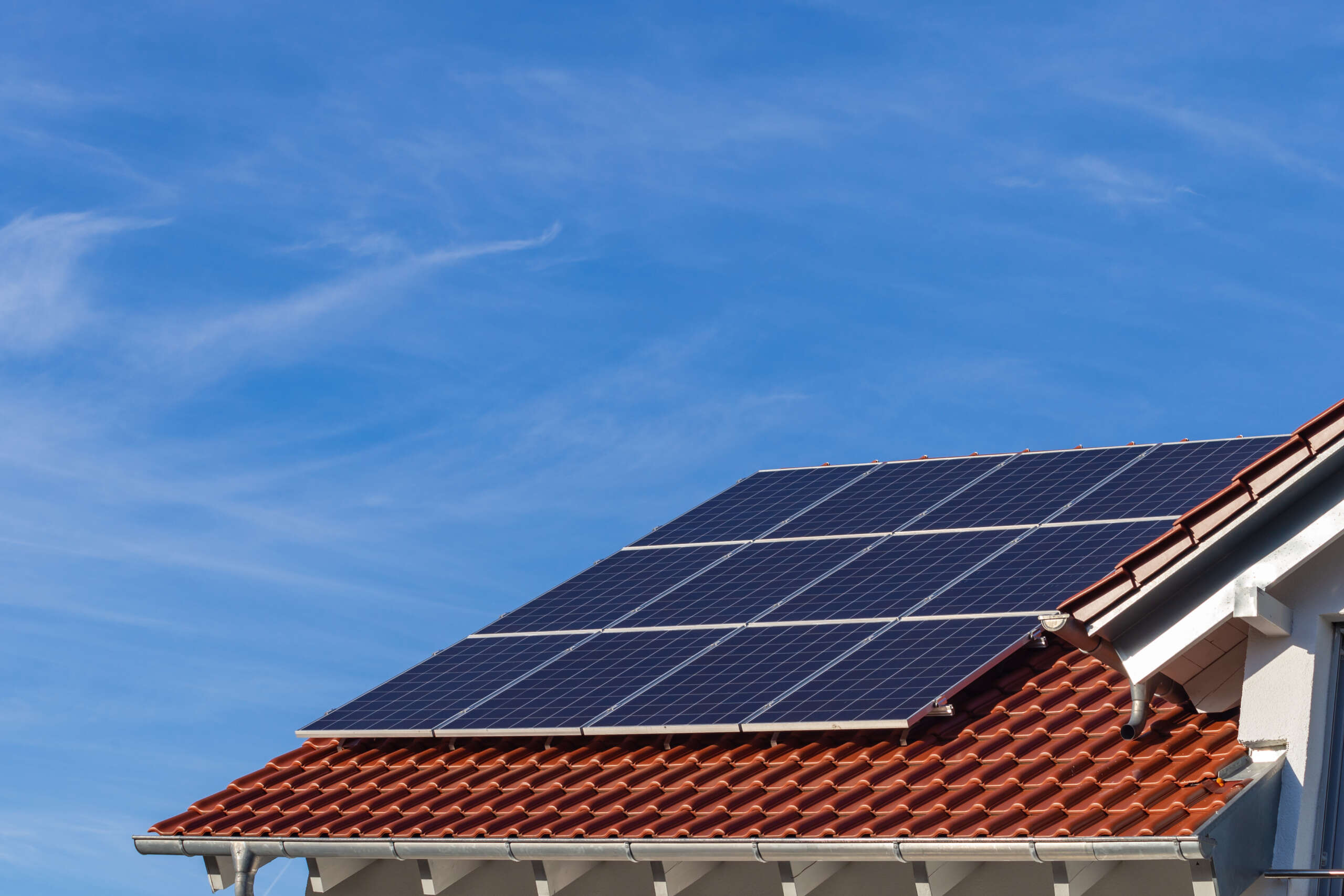
Utilities watchdog OfReg has approved an increase in how much owners of renewable energy systems are paid to add power to CUC’s grid, following what the regulator described as “lacklustre” demand for the existing programme.
The Consumer Owned Renewable Energy programme, known as CORE, is being revamped to include higher rates and capacity brackets, aimed at getting more people involved in self-owned renewable energy generation options, according to OfReg.
After reviewing the existing programme, OfReg said in a statement issued on Thursday that the existing programme did not offer the kinds of incentives needed to attract users and failed to “serve to advance the national energy generation and sustainability goals of the country”.
It added, “Instead, it appeared to have had the consequent effect of disincentivizing the uptake of consumer-owned renewable energy generation, which has seen a decline in demand in recent years despite increasing cost of fossil fuel energy generation, leaving approximately 4.4MW (megawatts) of unused renewable/alternative energy capacity available for the taking.”
According to its National Energy Policy, Cayman aims to have 30% renewable energy by 2030, 70% by 2037 and be 100% powered by renewables by 2045.
The CORE programme allow customers with solar-power systems to connect to CUC’s distribution grid and receive credit for generated electricity.
Rate increase
From 1 Nov., when the new rates come into effect, owners of renewable energy systems, like solar arrays, that produce up to 7.5 kilowatts will be paid 21 cents per kilowatt hour, while owners of larger systems producing between 7.5 and 15 kilowatts will receive 17.5 cents per kilowatt hour from CUC.
The current programme pays 17.5 cents per kilowatt hour for systems that produce up to 5 kilowatts and 15 cents for systems for those between 5-10 kilowatts.
The new CORE rates and capacity brackets apply to all available and unused capacity, which is estimated to be 4.4 megawatts.
Last year, CUC released 9MW of additional capacity to the CORE and Distributed Energy Resources programmes in two tranches of 3MW and 6MW.
OfReg chairman Samuel Jackson said in Thursday’s release, “We are keen to provide viable options for residents of the Country to participate in renewable energy generation for themselves and therefore reducing their electricity bill costs. Equally important, moving to renewable forms of energy generation reduces the demand on fossil fuels, which in turn moves us closer to a more sustainable and greener Cayman.”
‘Long overdue’
The new rates and capacity brackets were welcomed by the local renewable energy industry.
James Whittaker, president of the Cayman Renewable Energy Association, said in a statement that “these improvements have been eagerly anticipated and are long overdue”.
He added, “It is evident that the current leadership at OfReg is committed to advancing solar energy in a way that prioritizes the interests of consumers. With the additional provision for self-consumption outlined in the National Energy Policy, these changes to the CORE program are poised to significantly benefit the solar energy landscape in the Cayman Islands as we move into 2025 and beyond.”
But he stated that his association nonetheless recognised that there is “still a considerable amount of work ahead and changes to be made”, adding, “We are eager to further collaborate with OfReg to accelerate the development and adoption of renewable energy across the Cayman Islands.”
Whittaker has previously criticised CUC and OfReg for failing to expand capacity available to the energy-generation sector, thereby hindering competition from the solar industry.
Only available to new users
OfReg noted that the new rates and brackets won’t be available to any existing programme agreements, including those under extension or subject to request for further extension, where the request for extension is made prior to the public announcement of the 2024 CORE-Renew Programme.
It said the CORE-Renew Programme will be applied on a trial basis, and will be re-evaluated within the next 12 months.
Sonji Myles, the interim CEO of the regulator, said in the OfReg statement, “The Office works to support the aims of the National Energy Policy and therefore must regularly consider how to enhance CORE feed-in-tariff programmes, exercise our statutory power to authorise CUC to purchase renewable energy from consumers, encourage the promotion of development and use of renewable and/or alternate forms of energy by consumers and champion the need to permit, promote and incentivise the use of renewable and alternative forms of energy by consumers, so as to reduce the load on any Transmission and Distribution system and demand for fossil fuel.”
Related Videos












Since this article October 28, 2024. CUC is still TAXING (FUEL CHARGE) the residential owners on their own solar power equipment generation.
Just disgusting that the power that was not generated by CUC is being TAXED with the CUC Fuel Charge!