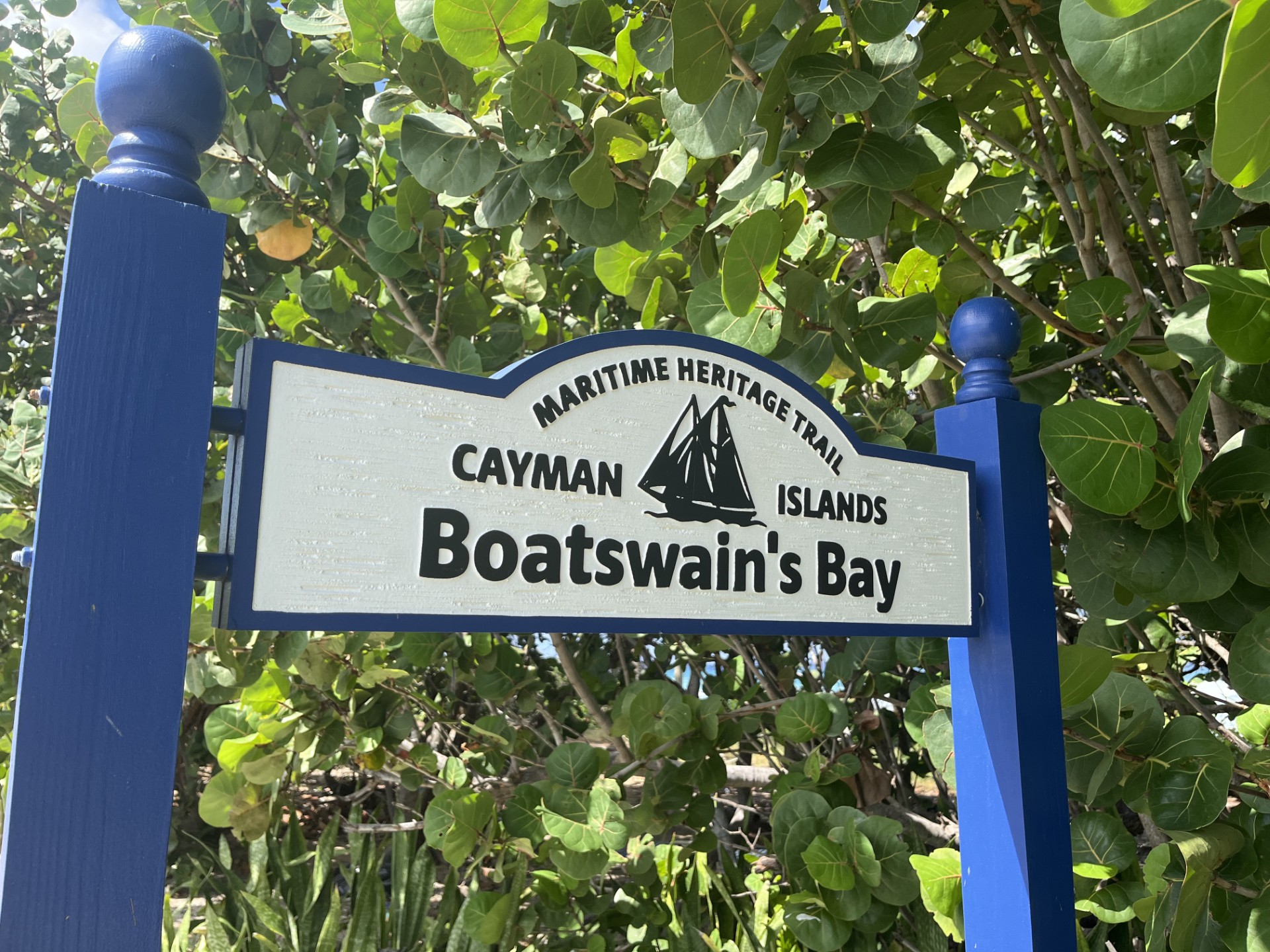
Most people who pass the sign for Boatswain’s Bay (pronounced ‘bosun’) have no idea how this location connects to Cayman’s pirate past, a brutal murder and a vast treasure that could still be out there, perhaps buried in the ground in an old wooden chest, somewhere in West Bay.
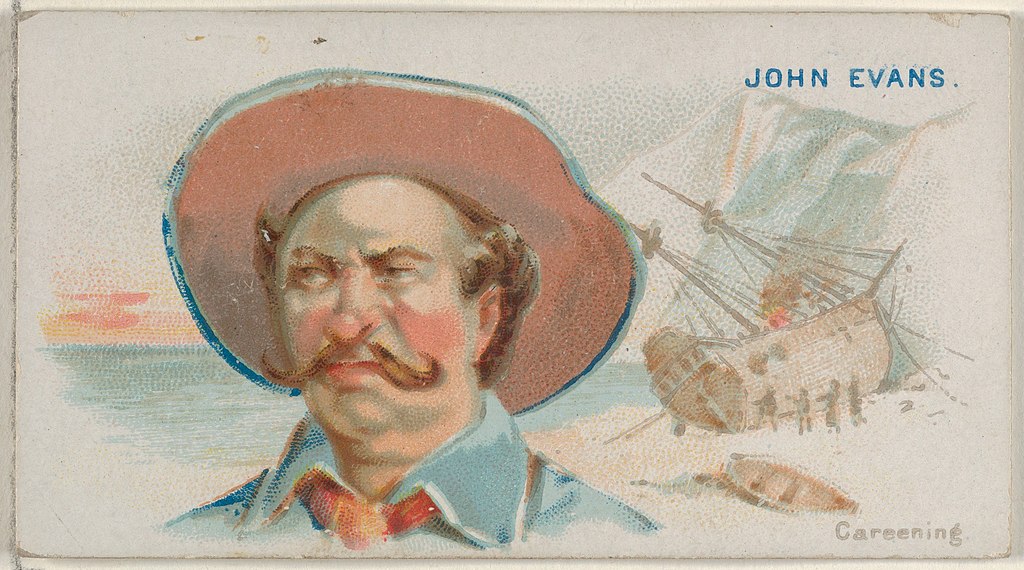
The story of pirate John Evans, his boatswain and crew, along with their connections to the Cayman Islands, is recorded in the book, ‘General History of the Pyrates‘, regarded as perhaps the most important historical account of the days of piracy, written exactly three centuries ago in 1724 by Captain Charles Johnson.
The book describes how in September 1722, a ‘Welch Man’ named John Evans was working as the mate aboard sailing ships out of Jamaica, when he decided, along with three or four of his fellow seamen, “to go abroad in search of adventures”.
According to the history, the men left Port Royal, Jamaica, in a canoe, and at night they came ashore and looted and pillaged a few houses, before seizing a small Bermuda sloop, which they then renamed the Scowerer which they fitted out with four cannons, before sailing off in search of booty and prizes.
After seizing and plundering several vessels, they expanded their company of pirates by persuading some of the crew of the ships that they captured to join them in their pirate ways.
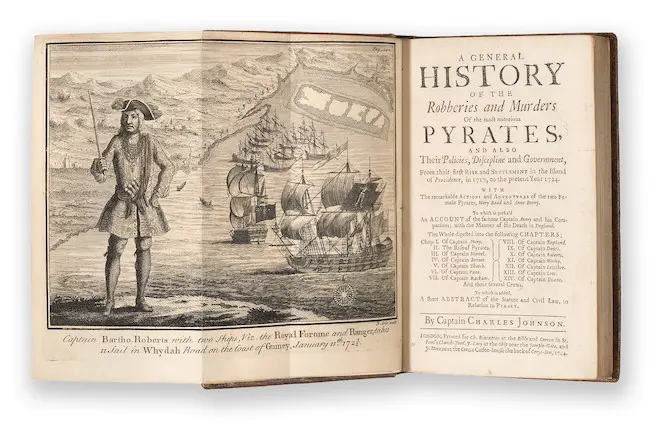
The history describes (quoted exactly as written in the book) how they went to “the Grand Caimanes, about 30 Leagues to Leeward of Jamaica, with Intention to clean there; but an unhappy Accident put an End to their Pyracies, which hitherto had proved very successful to them.
“The Boatswain of the Pyrate, being a noisy surly Fellow, the Captain (John Evans) had at several Times Words with him, relating to his Behaviour, who thinking himself ill treated, not only returned ill Language, but also challenged the Captain to fight him on the next Shore they came to, with Pistols and Sword, as is the Custom among these Outlaws.”
When the sloop arrived at Grand Cayman, Evans proposed a duel, but according to the account, “the cowardly Boatswain refused to fight, or go ashore, tho’ it was his own Challenge. When Captain Evans saw there was nothing to be done with him, he took his Cane, and gave him a hearty drubbing; but the Boatswain not being able to bear such an Indignity, drew out a Pistol and shot Evans thro’ the Head, so that he fell down dead; and the Boatswain immediately jumped over-board, and swam towards the Shore; but the Boat was quickly mann’d and sent after him, which took him up and brought him aboard.
“The Death of the Captain in that Manner, provoked all the Crew, and they resolved the Criminal should die by the most exquisite Tortures; but while they were considering of the Punishment, the Gunner, transported with Passion, discharged a pistol, and shot him thro’ the Body; but not killing him outright, the Delinquent in very moving Words, desired a Week for Repentance only; but another stepping up to him, told him, that he should repent and be damned to him, and without more ado shot him dead.”
The account does not end there. After the death of Captain Evans, the book goes on to recount that there was only one other person left on board the ship that knew the art of navigation.
But despite the entreaties of the crew, he refused to take command of the band of pirates, so, according to the narrative, they “agreed to break up the Company, and leave the Mate in Possession of the Vessel: Accordingly they went ashore at the Caimanes, carrying with them about nine thousand Pounds among thirty Persons; and it being fair Weather, the Mate and a Boy brought the Vessel into Port Royal, in Jamaica.”
Three centuries ago, £9,000 would have been a vast fortune, equivalent to almost £2 million today, but the history contains no further evidence about what became of the pirates or the treasure that came ashore in Grand Cayman.
But today, the clues to those far-off days and the sordid end to the life of pirate Captain John Evans can still found in the signs on the roadside, if you visit Boatswain’s Bay.
Related Videos