

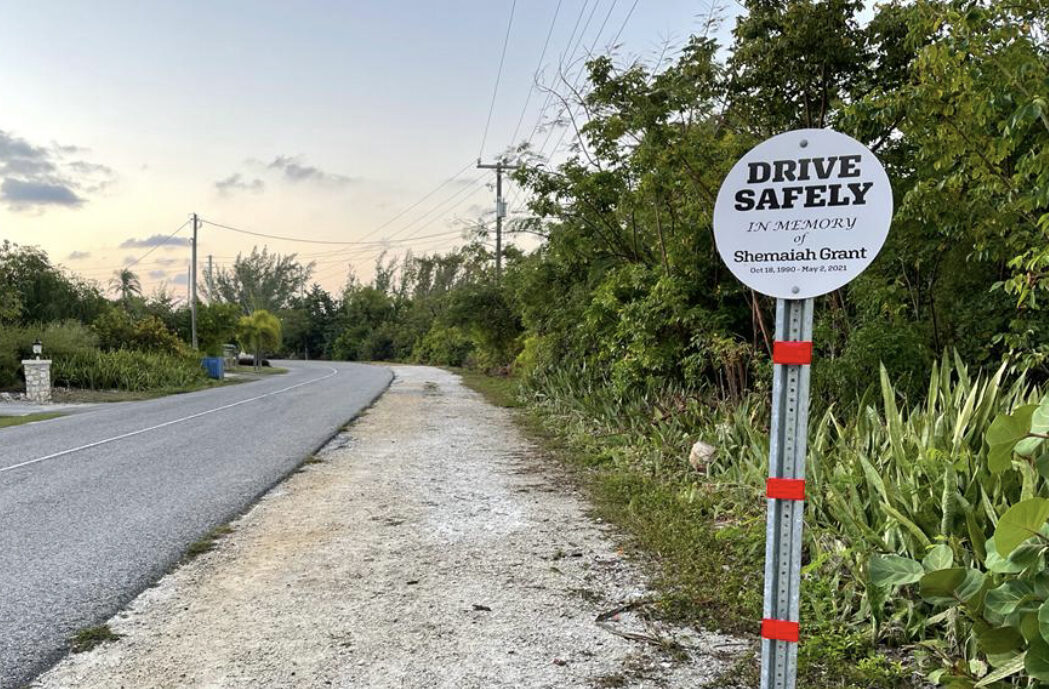
Motorists who cause death by illegal driving could now be made to pay costs for the upbringing of the deceased person’s children.
MPs voted on Monday to change the law in memory of Shemaiah Grant who was killed in a collision three years ago.
Grant, 31, had been riding his motorbike along North West Point Road in May 2021 when he was struck and killed by motorist Jordan Telford, then 38.
Telford pleaded guilty to causing death by dangerous driving and was sentenced to four years and seven months in prison as well as receiving a lengthy driving disqualification after he is released.
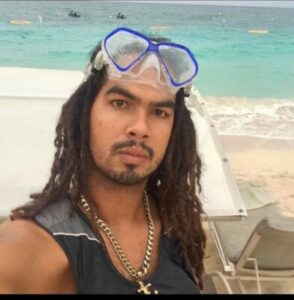
According to the prosecution, the collision occurred because Telford, who was found to be under the alcohol limit at the time of the crash, was texting while driving.
The family say that they have had to shoulder the cost of raising Grant’s four children as a result of the crash, an issue Grant’s family have campaigned on ever since.
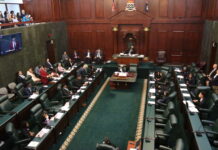
At the vote on Monday, the last day Parliament sat in 2024, MPs approved an extra amendment made at committee stage to the Children (Amendment) Bill 2024, which updates the Children’s Act 2012.
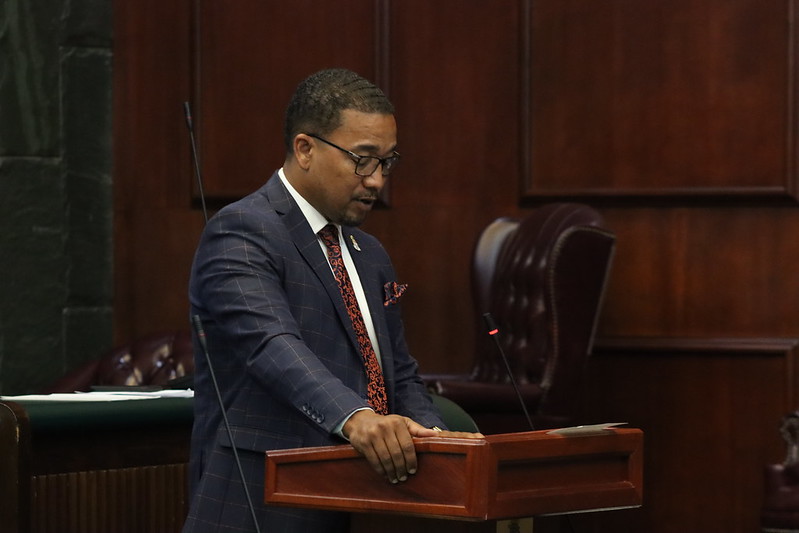
The amendment, to be known as the Shemaiah Grant order, means that if someone is found guilty in court of the death of a parent due to a specified criminal act, the court is able to demand payments from that person or their estate for the maintenance and upbringing of their child or children.
Criminal acts to which the new amendment would apply are:
- causing death by dangerous or reckless driving
- causing death by careless driving or inconsiderate driving
- causing death by driving where the driver is unlicensed, disqualified or uninsured
- causing death by driving or being in charge of a vehicle while under the influence of alcohol or drugs.
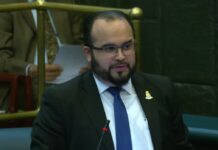
In reading out the changes, Deputy Premier Kenneth Bryan said the change “will give comfort to the Grant family, to know that his life was not in vain and hopefully will protect any other family from such a loss, and [help] from a financial perspective to provide for a child who has lost a parent.”
‘Turning cars into weapons’
The amendment had initially been proposed by West Bay South MP André Ebanks and then added to the Children (Amendment) Bill, 2024 by government.
“Reckless driving and drunk driving in this country is out of hand,” Ebanks told fellow MPs. “We’re turning cars into weapons. When somebody zips by you and you’re doing 40 and they move past you like you’re not even moving, that is a weapon.”
“We have to figure out more and more ways to deter people, this is not acceptable,” he added. “And if you take someone’s parent from them, then you’re going to have to make restitution.”
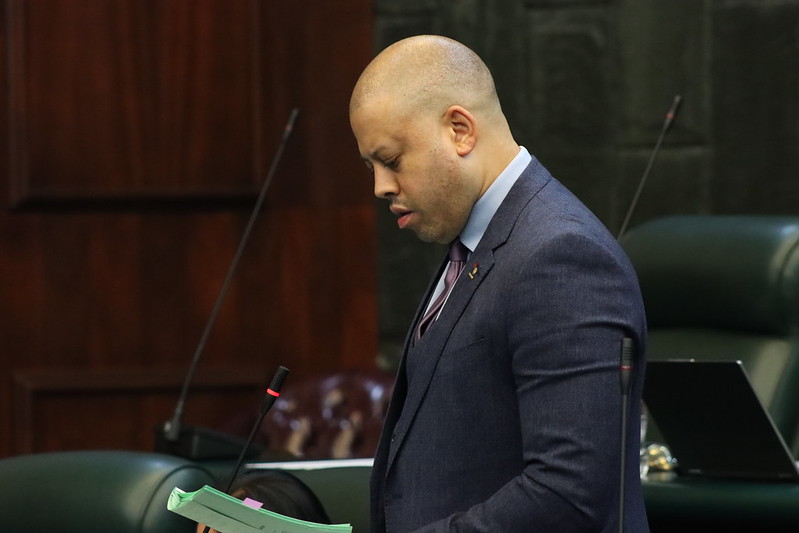
He later said that passing the amendment should have a deterrent effect which will have a positive impact on the community, noting that road fatalities have declined after similar laws on drink-driving deaths were introduced in some states in the US.
Katherine Ebanks-Wilks said she supported the amendment which “should promote more responsible behaviour in our country. It’s a start to providing relief to those children who have lost a parent as a result of a someone conducting a criminal act.”
New Children’s Commissioner
In addition to the Shemaiah Grant order, MPs passed several other changes to the Children’s Act 2012 aimed at increasing protection for children in the Cayman Islands.
This included increasing fines and penalties for parents taking a child out of the jurisdiction without the necessary consent to $30,000 and five years in prison, streamlining the process for transferring a child to secure accommodation, introducing care plans and introducing new provisions regarding children’s homes as well as creating a new office of Commissioner for Children and Young Persons.
Presenting the changes, Bryan told Parliament, “The Children (Amendment) Bill is an important step forward in how we protect and support our children and families. These changes are vital because they put the best interests of our children at the centre of everything that we do, to ensure our systems are better equipped to meet the real-life needs of children and families in the Cayman Islands offering them stability, security and a stronger foundation for the future.”
During the debate, Opposition Leader Joey Hew said, “We often talk about how it takes a village to raise a child, and unfortunately those villages are slowly disappearing within our communities. There was a time where you didn’t have to worry about getting a nanny or a helper because you had an entire family around you to help… everyone chipped in to help raise that child or to look out as a community, and we would always look out for the safeguard and the protection of that child or that young person.”
He suggested that there should, in future, be a halfway house-style provision for children who are between care homes and being independent, and he also said he was encouraged to see the new fines and penalties in the event of child abduction.
Related Videos










My condolences to the Grants family and to the children who now have to navigate through life without their father. Reading the article there were no comments on where the funds will come from to cover the costs of the children’s care and it appears the costs will come from car insurance? If so, how can one continue to secure insurance if it continues to increase?
In some countries not as prosperous as The Cayman Islands are, children who lose a parent are eligible for a “survivor pension” which is considered a social pension, providing a basic flat-rate benefit that is paid to each eligible survivor, with a higher amount for full orphans; this benefit is typically payable until the child reaches 17 years old, or 23 if they are a full-time student. The parent(s) death cause doesn’t matter. This is simply common sense.
Survivor pensions are indexed for inflation.
Depending on the family’s circumstances, additional social assistance programs available to help with living expenses.
In some countries orphans who reach 18 provided a permanent residence free of charge. It is not an easy automatic process, but it is guaranteed by law therefore is doable.