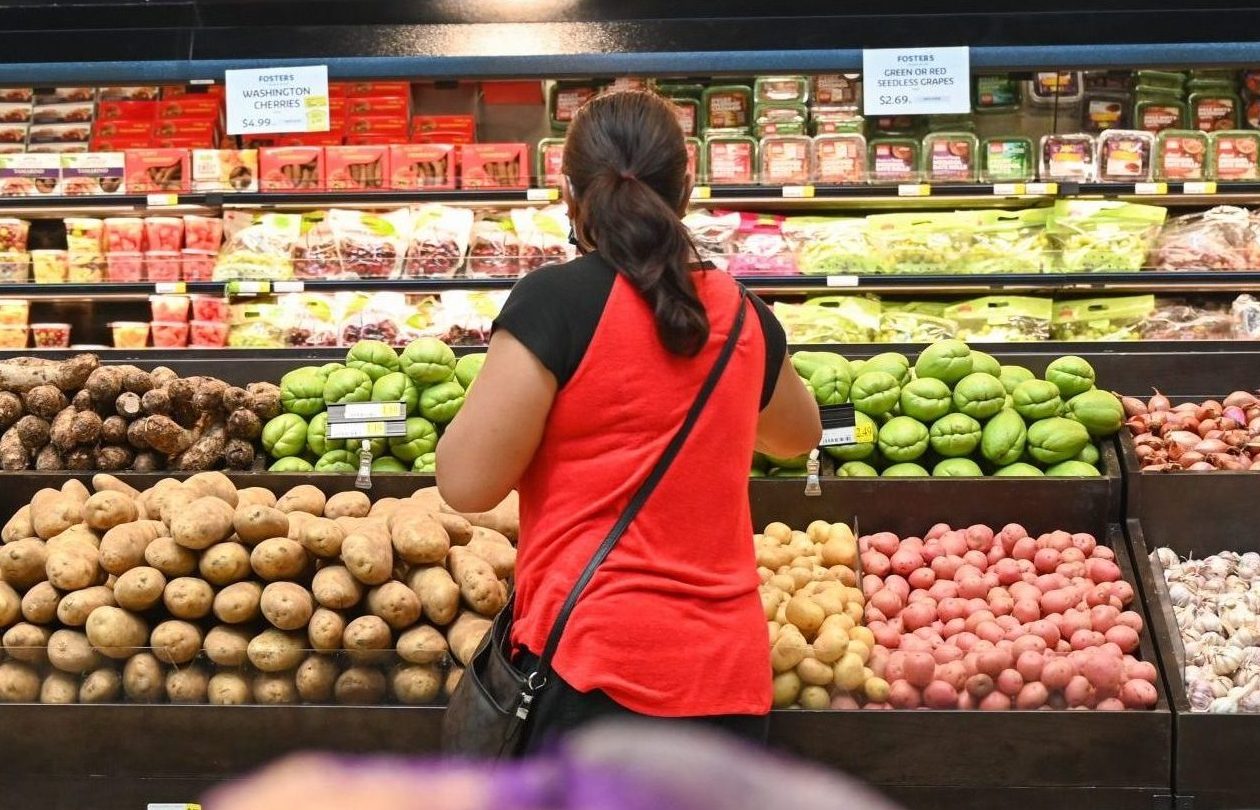
This was the year when rocketing inflation finally eased in the Cayman Islands, with the rate of inflation running at 1.7% as of June 2024, compared with the heady heights of 12.1% in June 2022.
Since that 2022 peak, inflation has been gradually but consistently falling, mirroring falling interest rates in the US, Europe and the UK, but does this mean we are all feeling a bit richer?
It would seem not, as concern about the cost of living is likely one of the leading issues going into next year’s general election, along with static wages and rapidly rising rents.
Interest rates fall
Economist Paul Byles wrote earlier this year about fighting a losing battle against rising prices, citing not only high imports and indirect taxes but rising property prices driven by foreign-investor demand and higher construction costs.
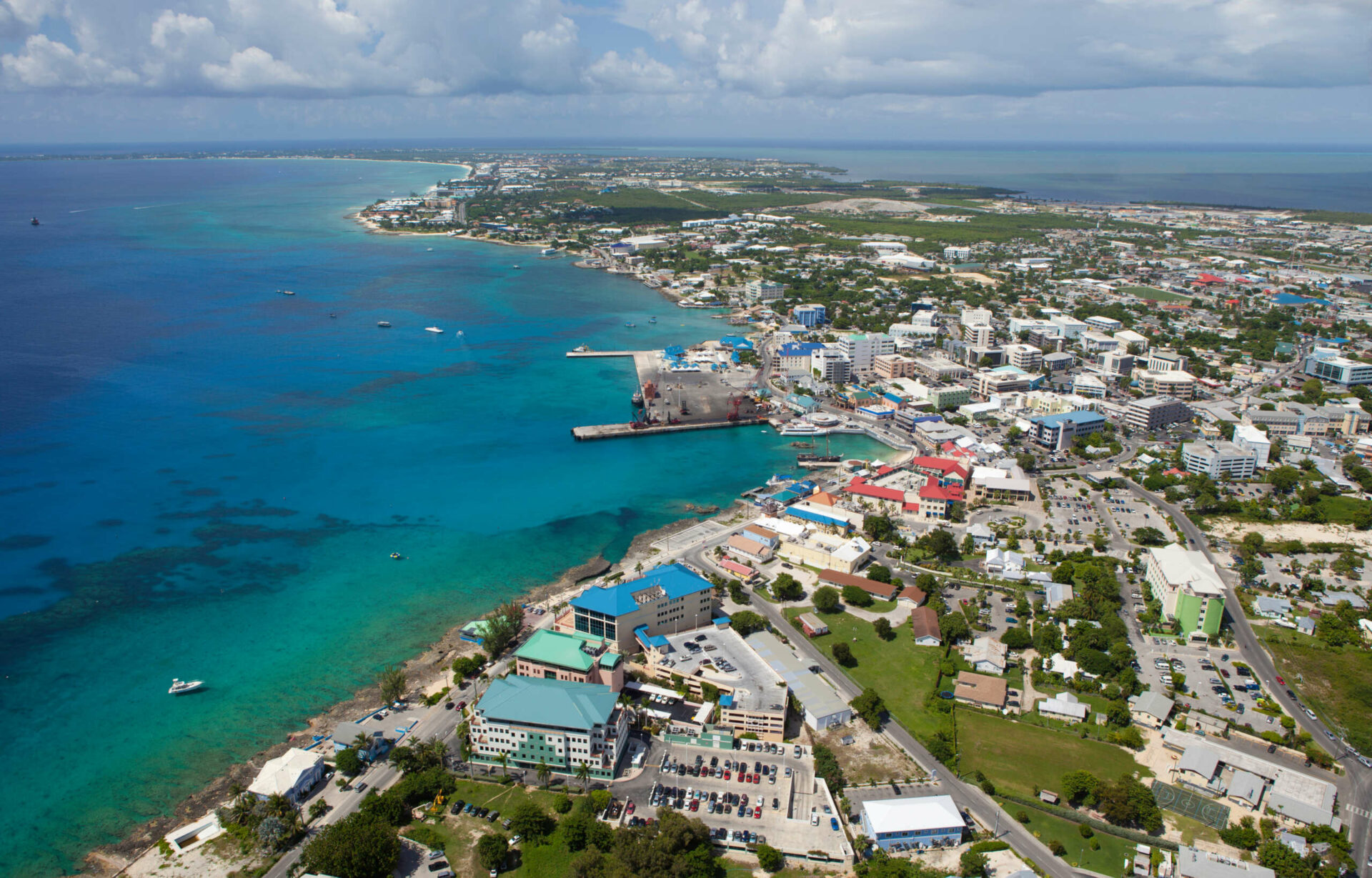
While property sale prices remain high, that doesn’t necessarily translate into fast sales. Nevertheless, the easing of interest rates in the US in the autumn led Cayman banks to follow suit by dropping mortgage rates to 8%.
While this didn’t give much for savers to cheer about, potential homeowners and those on flexible mortgages would have welcomed the news. It is still a long way off, however, from the historic lows seen before the pandemic.
Stagnant minimum wage
While the Cayman Islands is often named as having one of the highest standards of living in the world, figures can be misleading thanks to its large working age population and number of businesses registered here.
While the sky is the limit for the top earners here, the $6 minimum wage in the Cayman Islands ranks as one of the worst globally, working out at an annual wage of just $12,480 compared to the average wage on the islands of $35,994 a year.
Both the European Commission and the UK’s Treasury recommend an adequate minimum wage of 60% of the median wage. Cayman’s minimum wage is at just over a third.
In spite of years of soaring inflation and the cost-of-living crisis, the $6 rate hasn’t been updated since it was first introduced in 2016. The wage was described as a “starvation wage” last year by the chair of Cayman’s Minimum Wage Advisory Committee. The rate is not set to change until next July, when only hospitality and service workers will get a raise to $7.
With the high cost of food and accommodation on island, it is small wonder that many are living pay cheque to pay cheque, meaning that disruption to pay schedules can instantly lead to impromptu strike action as seen last month, when workers downed tools after a payroll robbery.
Island economy
As an island nation, Cayman is heavily dependent on imported goods, so when the cost of essentials such as food, drink, clothing and household goods goes up in the US, Cayman feels it too. While the rising cost of those goods has eased somewhat – hence the fall in inflation – the levying of a typically 22% import tax on goods means that poorer-paid residents feel the brunt more at the till.
On the other side of the coin, tourist visits to the islands are still strong, with 351,248 stay-over guests between January and October this year, an increase of 2.2% on last year. With hotel prices jumping 11.2%, it is clear that holidaymakers are still willing to come here and spend their hard-earned money. That could lead to a future knock-on rise in hospitality prices, including bars, restaurants and leisure activities.
Factor in the increase in rent and property prices and it is clear that the high cost of living in Cayman still has a real impact on its growing population. And with the population continuing to head towards 88,000 people, whoever makes up the new government next year will have to work hard to make sure the demands of inhabitants of the islands are met, which will not be an easy balancing act.
Related Videos