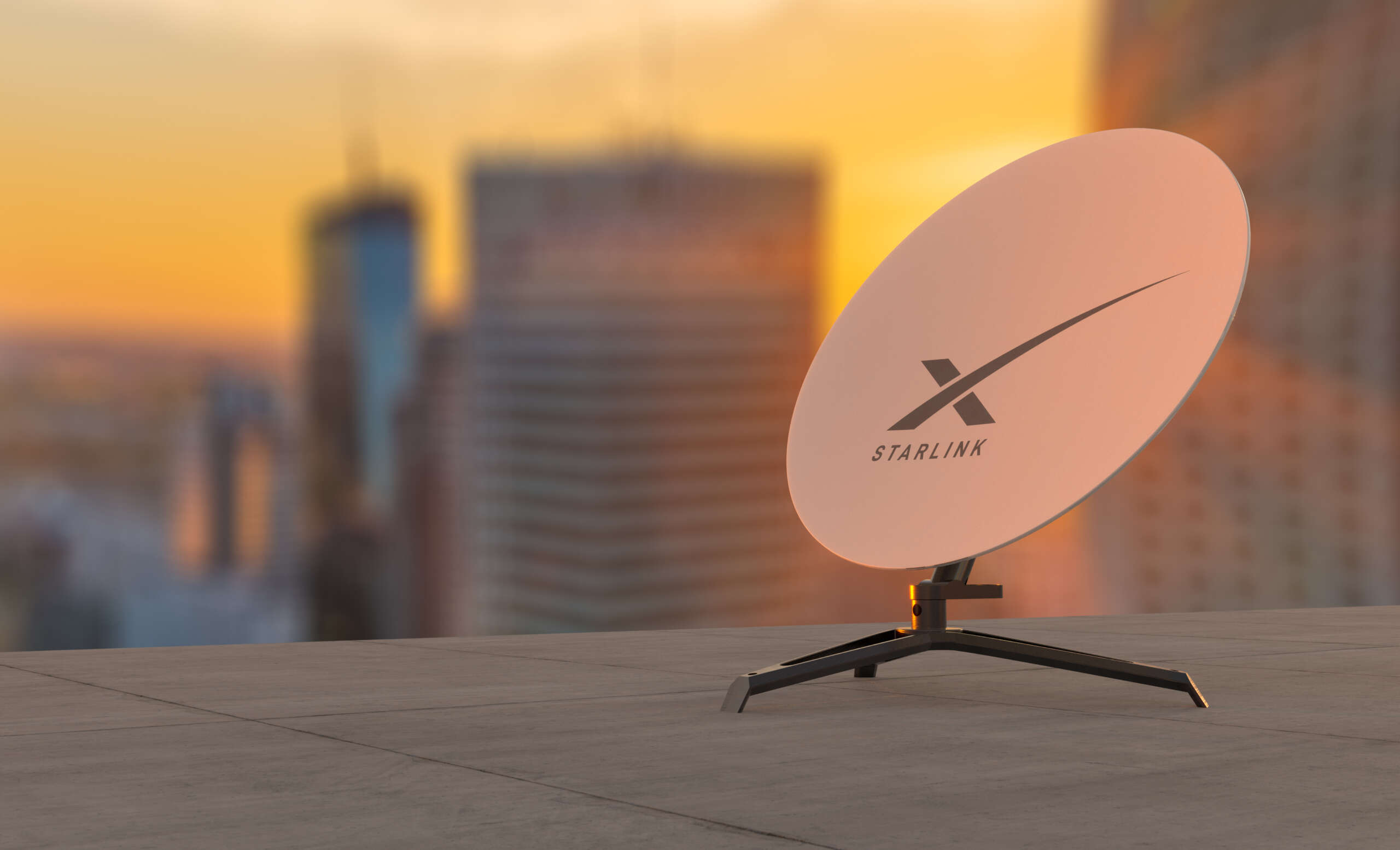
Cost.U.Less has begun selling Starlink terminals, which enable satellite-based internet communications, but day-to-day use of the technology will remain limited.
Utility regular OfReg has confirmed that Cost.U.Less has now been issued with a radio dealer licence, which permits them to retail radio-transmitting equipment, including satellite-based terminals, walkie-talkies and other radio devices.
Under the local ICT legislation, Cost.U.Less is also required to obtain authorisations from any providers whose equipment or services they retail.
Sonji Myles, interim CEO and executive director of ICT at OfReg said, “It is our understanding that Cost-U-Less has the necessary authorisation to retail Starlink equipment through their parent company.”
Monthly residential rates for satellite internet can be cheaper or at least competitive with local internet providers, but according to the regulator, Starlink does not have a licence to provide services in the Cayman Islands.
It is permissible, however, to use Starlink services in the Cayman Islands, but only in the following circumstances:
- By major ICT licensees (such as Digicel or Flow).
- On Cayman Islands registered vessels or aircraft under the terms associated with the permission to use ESIM issued by OfReg.
- In emergency situations when no other service providers are available, and this has a material impact on ongoing business activities, like in the aftermath of a hurricane.
Richard Womersley, OfReg’s spectrum manager, said, “When someone purchases a Starlink terminal from Cost-U-Less, they will also be provided with a ‘Class 200’ licence, which permits the use of Starlink (and other satellite services, such as satellite phones) in emergency situations.”
He added, “Day-to-day use of Starlink or other satellite-based voice or internet service providers is not currently licensed in the Cayman Islands.”
While satellite equipment can be registered in other countries and brought to the Cayman Islands, OfReg says that the satellite providers have mechanisms in place which will terminate or restrict service after a period of time, if someone is believed to be using equipment in a country where they are not licensed to provide service.
Additionally, according to Womersley, “OfReg also has the ability to identify the use of satellite terminals by means of sophisticated equipment, which can identify and locate any use of radio transmitters. Satellite internet terminals require two-way communication and these transmissions can easily be detected and located by OfReg.”
So while the use of satellite internet for regular, everyday use is still not permitted, OfReg said they have commenced a consultation process, relating to the licensing framework for satellite-based telecommunications services for the Cayman Islands.
“We received responses from many major satellite companies, including Viasat, Starlink and Amazon, as well as local telecommunications service providers and users,” Womersley said.
“The consultation discussed the unique circumstances surrounding the provision of connectivity via satellite and how this differs from terrestrial service providers, and sought input on how these might be regulated, encouraging innovative technologies whilst protecting users and maintaining fairness.”
OfReg said the majority of respondents felt that there was a scope for enabling consumer satellite services. However, they recognised that there are a number of hurdles to jump, including ownership rules, the handling of the licensing of satellite terminals, and dealing with national requirements such as 911 calls.
“We are in the process of analysing the responses in detail with the intention of publishing our findings and proposals in due course,” Womersley said.
Related Videos