


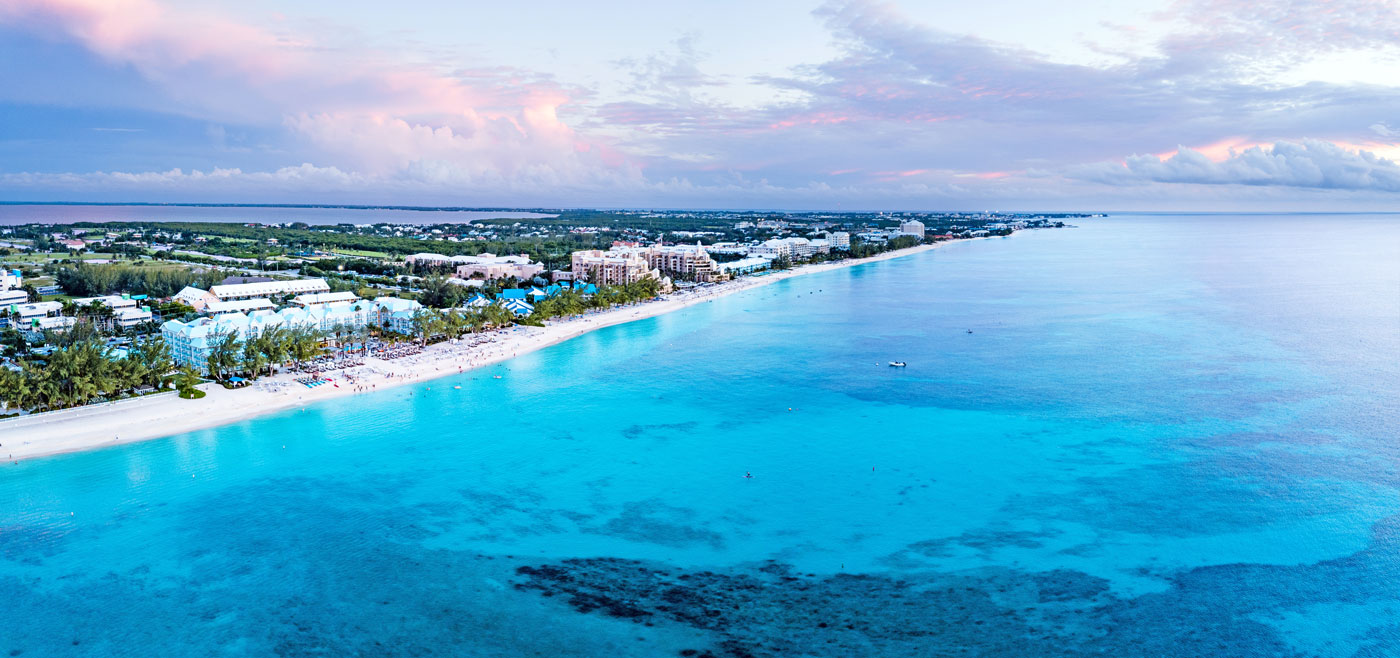
You can see it in the private jets lined up at the airport, in the adverts for multi-million-dollar penthouses and the stylish sailboats moored up at the yacht club. If you didn’t know it already, Cayman’s status as a hot spot for the super rich has been highlighted in a new report on global wealth migration.
Henley and Partners indicates Cayman is currently home to 12 billionaires and 102 centi-millionaires – people with more than $100 million in personal wealth.
Seven Mile Beach and George Town – classed as one ‘city’ in the report’s world’s wealthiest cities index – are independently home to 40 so-called ‘centis’ and those numbers are expected to grow in the coming decade.
“The report identifies numerous rising stars that are projected to more than double their resident centi-millionaire populations over the next 10 years, including George Town and Seven Mile Beach in the Cayman Islands,” it states.
While Cayman Compass is not able to independently verify the data, the findings chime with insight from realtors, economists and immigration experts.
Andrew Amoils of New World Wealth – Henley and Partners’ wealth and investment migration tracking arm – said wealth data modelling from those core numbers suggests there could be as many as 6,800 millionaires currently living in the Cayman Islands.
He cited the island’s tax-neutral status and idyllic location alongside more recent trends for new and emerging businesses to domicile in Cayman as the reasons behind the recent and projected growth.
Cayman Islands (statistics as at December 2024):
6,800 millionaires
102 centi-millionaires
12 billionaires
Millionaire growth over past decade: +65%
Source: Henley and Partners
Are wealthy migrants good for Cayman?
Amoils said, from their point of view, millionaires moving to a country is a good sign.
“Sometimes it can depend on who the millionaire is, but if it is someone setting up a business presence in the country and creating jobs and using services, that is almost always a benefit. Even a wealthy retiree is purchasing property and spending money in the economy,” he said.
He acknowledged the potential inflationary impact on house prices, but said this is not necessarily a bad thing. For example, 50% of Caymanians own their own home and for those people, a rise in property value is a good thing.
Cayman economist Simon Cawdery sounds a note of caution, however, about rising inequality.
“These stats, if true, are a great example of how attractive Cayman is to those with money, but an illustration of how the high cost of living in Cayman is of no issue to such people,” he said.
He cautions that those who are not part of the success story risk being left behind.
“Those with multi-millions in assets don’t worry about the day-to-day cost of living that impacts local Caymanians on a daily basis,” Cawdery said.
“One question arising is whether Cayman could do better with attracting legacy donations from such people for long-term infrastructure investments in Cayman.”
Privacy in paradise
Cayman’s appeal to the ultra wealthy is nothing new. The island has long been a little piece of paradise for those that can afford to live or vacation here.
Basketball legend Michael Jordan and boxing great Floyd ‘Money’ Mayweather have been among the celebrities to visit Cayman in the last few months alone.
Realtor Kim Lund of RE/MAX said he was seeing an ongoing trend of more affluent tourists and residents coming to Cayman.
“The impact of this has been that more expensive properties like ultra-luxury homes and prestigious condominium developments [are] being built to supply this growing market,” Lund said.
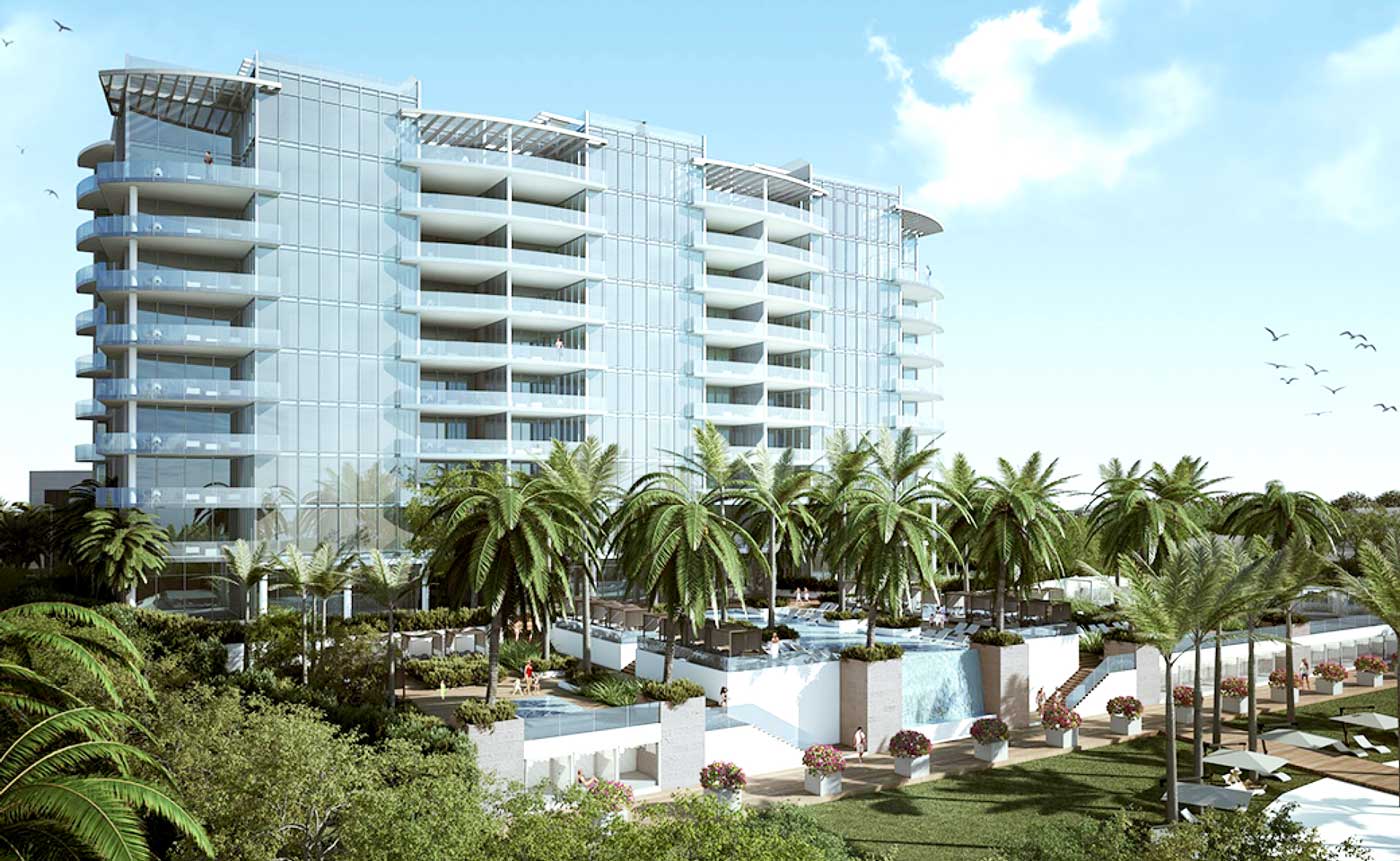
He acknowledged some public concerns about this, but said low-density development for higher-spending residents and visitors made more sense for Cayman than higher-density development.
Immigration lawyer Nick Joseph, founder of Reside Cayman, says the report chimes with what he is seeing. He said Cayman had enhanced its reputation during COVID as a safe haven amid the chaos of global events.
Describing Cayman as a “sanctuary in an increasingly distraught world”, he said the islands’ attractiveness lay in its low-key approach typified by discretion, friendliness and respect for privacy. Wealthy families and businesspeople can live a normal life in Cayman, he said.
“However, understated we may be (and wish to remain), our secret is out,” he said.
“As much of the world continues to struggle with everything from politics to division, conflict and pollution, our standing is more and more attractive.
“Advances in everything from our education institutions to healthcare facilities, restaurants, and communications continue.
“Our location, at the geographic centre of the Americas, our language, our relationship with the British Crown, and our business and regulatory sophistication renders further inward investment and immigration inevitable.”

He said it was for politicians to determine what limitations on immigration become necessary, but added his view that Cayman’s larger immigration issue is linked to “importing poverty”.
Wealthy residents through consumption, investment and charitable donations contribute disproportionately to government coffers, he said.
“We can and should, however, do a much better job in ensuring that the Caymanian people are direct beneficiaries,” he said. “If we can do that, this would be a good thing.”
The other side of paradise
At non-profit Acts of Random Kindness, Tara Nielsen sees both sides of the coin. While Cayman may have upwards of 6,000 millionaires, there are more than 10,000 people living on less than $8.75 an hour, according to research by the islands’ Minimum Wage Advisory Committee.
ARK provides housing support to Caymanian families in desperate need. And Nielsen sees hundreds, if not thousands, of people living in decrepit homes without power or water.
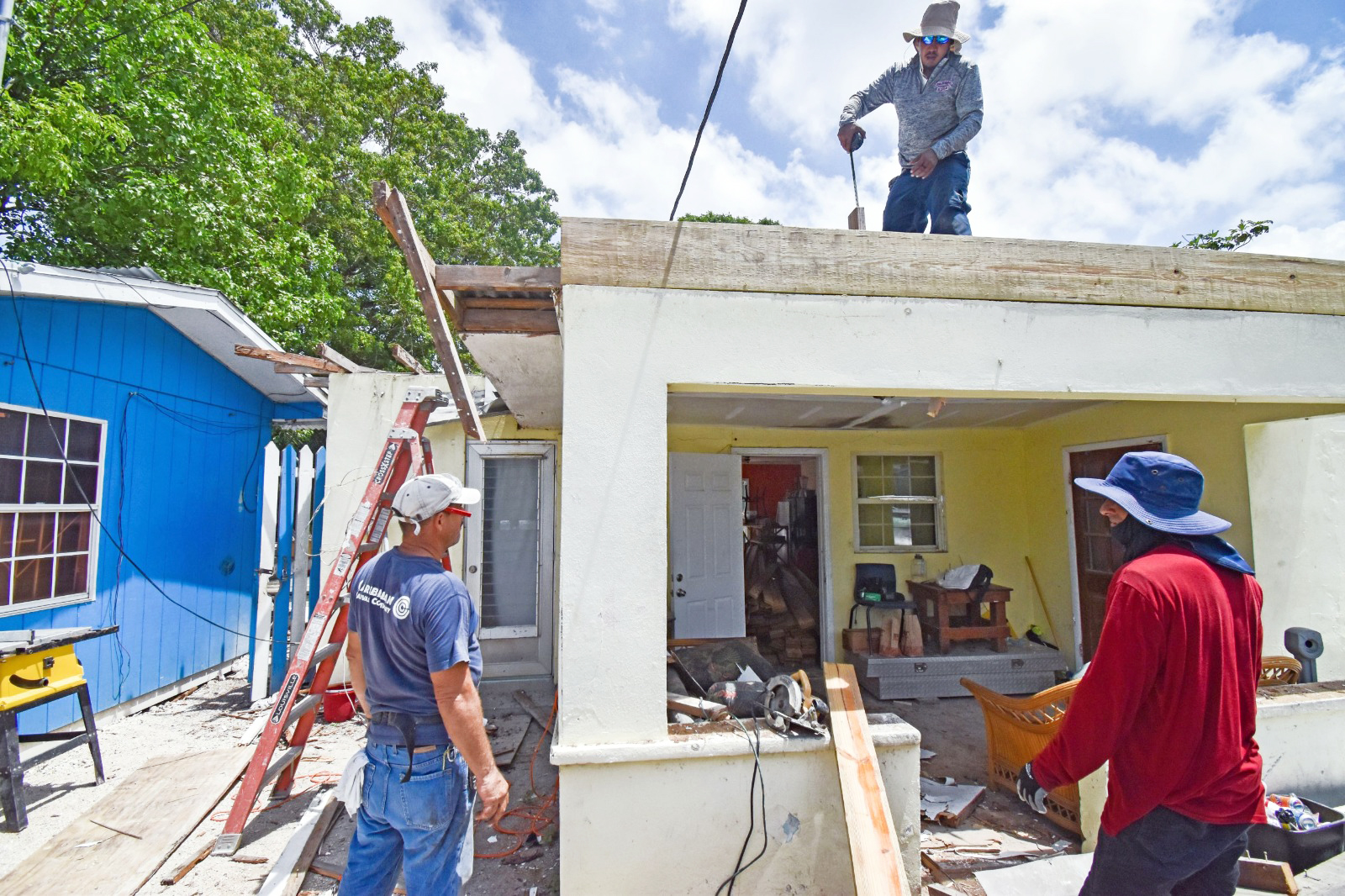
The charity does benefit from the generosity of wealthy donors – both corporations and individuals – that have helped to fund its tiny home projects and renovations of properties for those living in unsafe conditions.
She said, “It is quite jarring to see such extreme wealth and extreme poverty side by side. That is one of the unique features of Cayman that makes it especially tough. You can be taking a bus to your $6-an-hour job at the gas station, and you pass all these beautiful condominiums and expensive cars on your way into work.”
On a more basic level, she said, the inflationary impact of high-wealth residents on basic needs, like groceries and housing, exacerbated the challenges for those left behind economically.
She would like to see the government do more to address poverty and access to housing in Cayman and suggests with greater awareness, many of the islands’ wealthiest residents can play an even larger part in helping solve those problems.
“I have to say that ARK wouldn’t still be going after more than 20 years without the help of all those kind, wealthy people and companies that have helped fund our projects. That is what keeps us going, but there is still so much work left to do,” she said.
Related Videos









And these same wealthy persons pay the same taxes that the minimum wage pays. How does this present structure benefits the country on a whole? As I see it the only people directly benefiting from this program are the Realtors. Then the rest pays for the new hanger and the new private hanger from their $6 wage. Tell me how is this is fair?
A wealthy person moving here as a legal permanent resident pays a fee of $100,000 KYD. Plus extra per spouse or dependent.
They need to buy an expensive home to qualify for PR. About a further $200,000 in Stamp Duty.
Plus 43% on one or two nice cars. Say a further $50,000 KYD.
Then there’s the import duty on their furniture and most things they buy.
How many teacher’s salaries does that pay for?
These wealthy tourists don’t travel on cruise ships, they don’t want to see a view littered with cruise ships either.
Preserve your natural resources, it is our wealth.
Oddly enough it’s the wealthy who have the greatest vested interest in there being a well paid, well-housed sub class, I don’t mean poor just not uber rich. These are the folks who build the houses, provide them with food, keep the streets tidy, prevent criminal outbreaks and make sure the public utilities work properly.
Without them, their world falls apart very fast especially with no income tax.
The Cayman government recognizes this need and makes token efforts. Is it good enough? Try hiring someone to do any of these tasks and the hundreds of other rather mundane jobs the real world deals with and your question self answers.
So if the ordinary folks aren’t looked after or provided with the means and facilities to look after themselves they will not stay. And no ordinary folks, selling you groceries, fixing your eye glasses, servicing your car or driving it, no ultra rich guys.
After all, it’s really not how much money you have that makes your life good it’s how well you deploy whatever you have.
And if there’s nobody to deploy it to get the services you want then it’s game over.
An economy is not a static thing. It’s not your bank account or even a hundred thousand collective bank accounts, it’s how well the cash circulates within the society that makes for a successful economy.