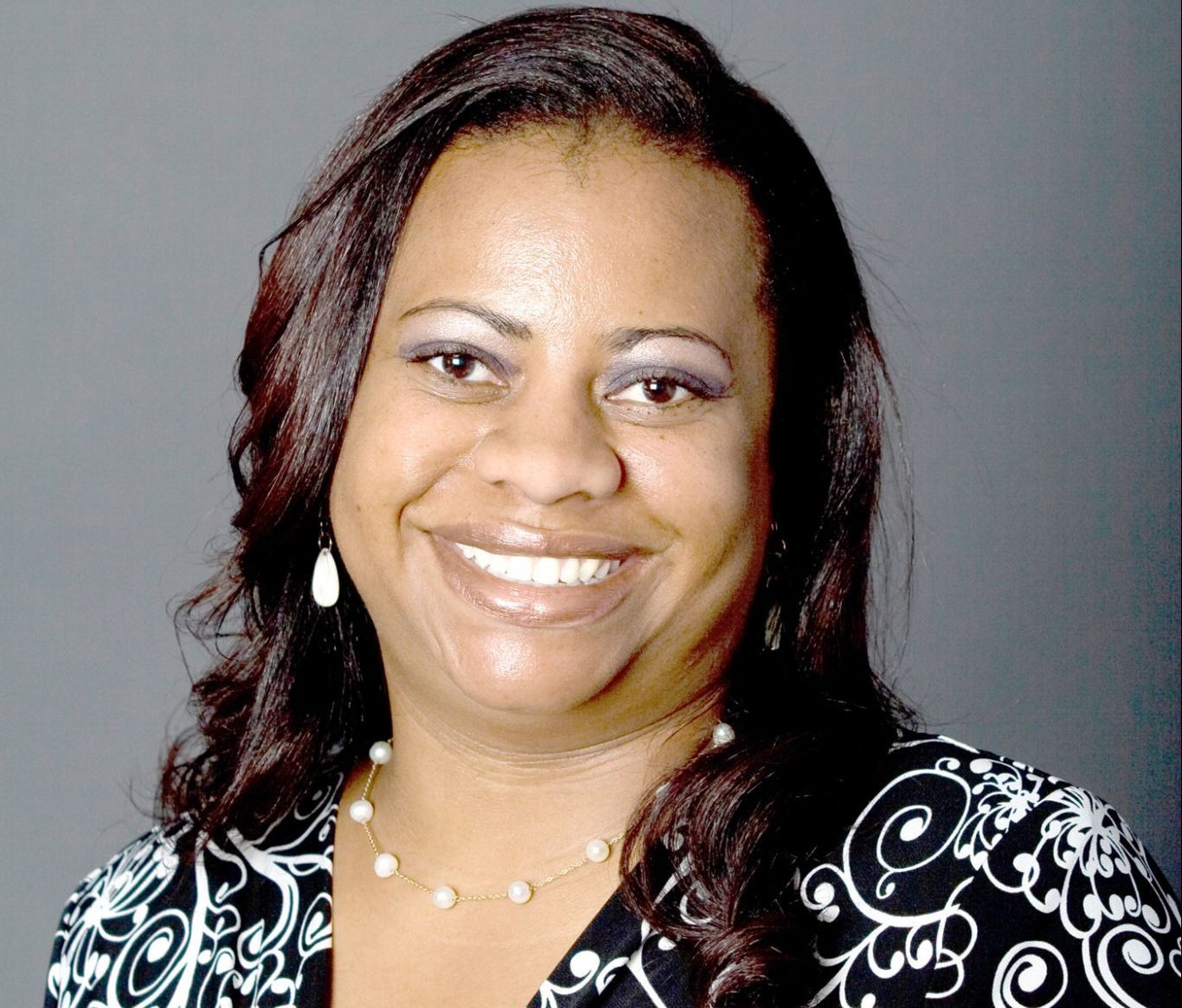
Cayman’s Court of Appeal has quashed a conviction against Sandra Hill, owner of website Cayman Marl Road, for verbal statements on a podcast that branded a former political candidate dishonest and a sexual predator.
A panel of three judges ruled Hill’s conviction for use of an information and communications technology service to “abuse, annoy, threaten or harass” Matthew Leslie, with whom Hill had worked for a short time, was unsafe.
Hill had also been fined $3,000 by Acting Justice Roger Chapple in the 2019 Grand Court case and a restraining order was granted.
But the Court of Appeal’s 14-page judgment said counsel for the appellant and the respondent “agreed that the judge’s directions fell significantly short in several ways, requiring the conviction to be quashed…”
Hill wrote on Cayman Marl Road after the judgment that she wanted to “express my sincere gratitude to my family, attorneys and the many supporters who stood by me with unwavering encouragement throughout this journey”.
She added, “This victory is not just personal – it’s a reaffirmation of our collective fight for openness, transparency, and the right to speak truth to power. That fight continues.”
Right to free expression
The ruling, handed down on Thursday, said the judge “did not, as he was required to do, approach what was said by reference to what is permissible in a free and tolerant society having regard to the importance of the fundamental right to free expression and all the circumstances.
“He did not adequately direct himself on the need to give ‘great weight to free speech’ or the need for tolerance of a wide range of opinions.”
But the appeal judges emphasised that the quashing of the conviction did not mean that, if the law had been properly applied and “on consideration of all the relevant evidence, it necessarily follows that it would not have been open to the judge to convict”.
The ruling said Chapple, in a judge-alone trial, had failed to take into account the truth or otherwise of Hill’s statements in a 2019 podcast about Leslie, which was “plainly highly relevant when assessing the proportionality of criminalising it”.
The judgment added, “There is a significant difference in criminalising the expression of what is or may be true and criminalising what is false.
“Although we can understand why he did so, it does seem to us the judge should not have excluded evidence going to the truth of what was said. He should have proceeded on the basis that what was said was, or may have been, true.”
The panel added that it agreed with Edward Fitzgerald, KC, who appeared with lawyer Amelia Fosuhene for the appellant, that Hill’s belief in the truth of her allegations should have formed “an important element of the judge’s consideration of the proportionality of criminalising what she said”.
The appeal court judges ruled, “That must depend on all the circumstances, not least the basis of such a belief. For there is a considerable difference in promulgating what, on a reasonable assessment of the available evidence, you believe to be true, and a belief reached without any sound basis.”
The judgment said, “In the result, and for the reasons we have set out, we agree that this appeal must be allowed and the conviction quashed.”
The appeals court said Chapple had also failed to give sufficient weight to Hill’s constitutional rights under section 11 of the Bill of Rights, which deals with freedom of expression.
It added that, in fairness to Chapple, it should be said that the submissions made in support of the appeal were not advanced at the original trial.
The appeals panel added that the conviction dated back six years and that, although it would consider any submissions, it doubted whether a retrial would be in the public interest.
Related Videos