


Hurricane season begins 1 June and agencies like Hazard Management Cayman Islands have been ramping up the planning and preparedness message on social media platforms, in person at hardware stores and in schools, and at local businesses and non-government organisations.
“Each year, we see greater public engagement with Preparedness Month, and the value of these efforts is clear,” said Mark Codling, deputy director of preparedness, planning and mitigation at Hazard Management.
“With the reality of more frequent and unpredictable weather systems, extending our outreach through June gives residents additional time and support to prepare effectively. Building a culture of readiness is a year-round priority, and every step taken in advance helps strengthen our community’s resilience.”
While the probability of a significantly damaging impact for the Cayman Islands in any single year is reasonably low, our geographical location in the warm waters of the Caribbean Sea means that the possibility exists that Cayman could be impacted by a cyclone.
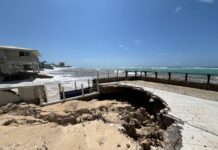
These storms, in certain circumstances, can bring a sea surge of more than 10 feet, sustained wind speeds in excess of 100 miles per hour, torrential rain and enormous waves. Localised flooding is a persistent threat and, in some cases, these storms can even be accompanied by tornadoes.
So, the question remains, are we ready or – at least – as prepared as possible?
Pre-hurricane season planning
On 28 May, Tropical Shipping hosted a disaster management workshop at Kimpton Seafire Resort + Spa around the theme of strengthening public-private sector partnerships to build a culture of resilience.
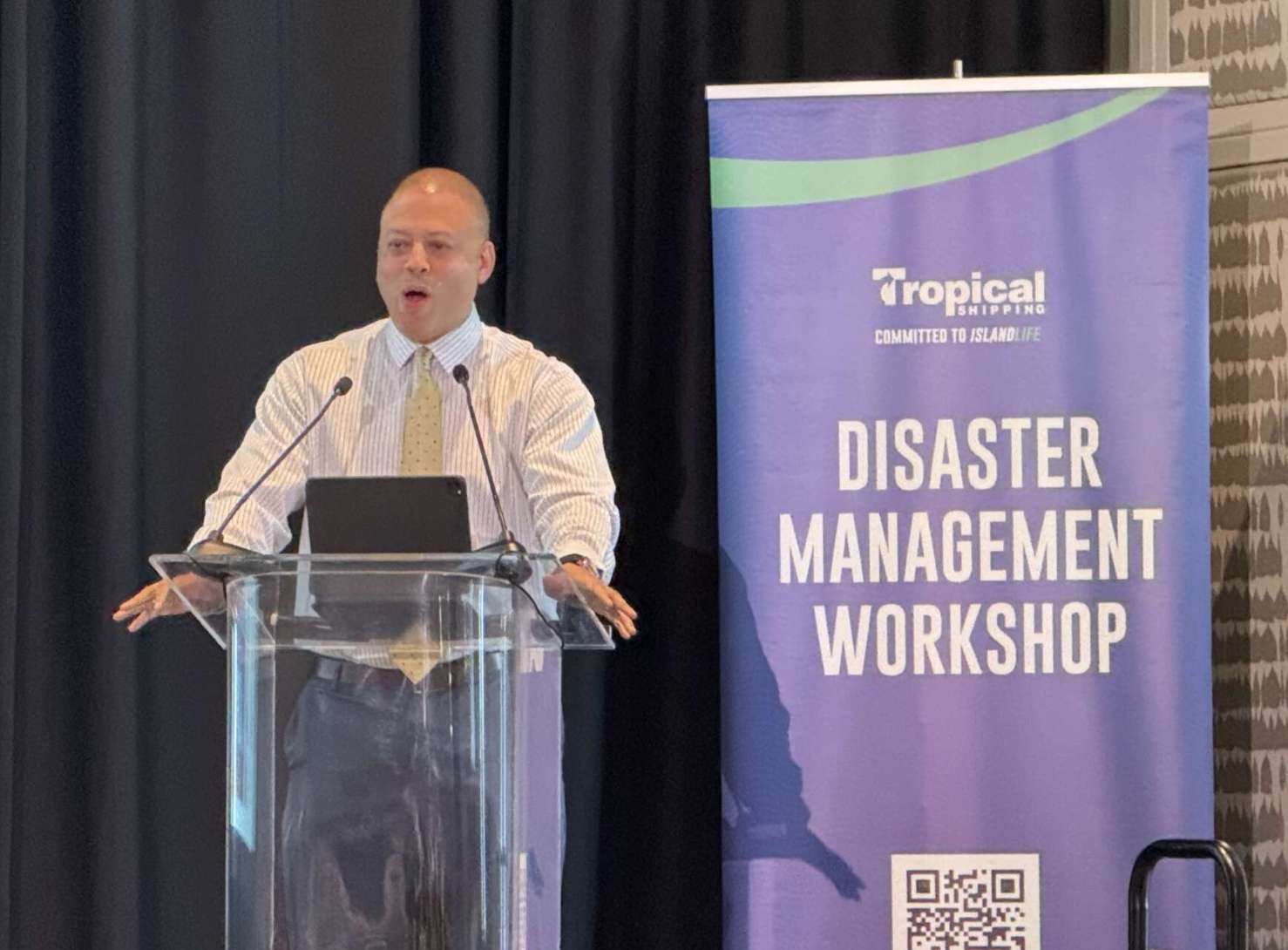
This workshop brought together industry experts, emergency planners, including key representatives of the National Emergency Operations Centre, and maritime professionals to exchange knowledge and strengthen disaster resilience, especially within the shipping sector.
Wil Pineau, speaking on behalf of the Chamber of Commerce and its 600 corporate members, said, “If we’re unprepared, our people and our businesses suffer, and if our businesses suffer, so do our communities.”
Pineau urged everyone in the audience to have a plan.
“Even if your business doesn’t have a complete plan, the first step is to start to review the resources from the Hazard Management Cayman Islands website and other websites,” he said.
“Use toolkits, set deadlines, assign responsibilities,” he said. “Treat preparedness like any other critical part of operations, because it is.”
Pineau added that practice makes the plan real.
“A binder on your shelf won’t help in a disaster. You need a team that’s trained, tested and ready,” he said.
Rosa Harris, director of the Department of Tourism, emphasised the importance of clear and effective communications when hurricanes threaten. She noted that at any given time during the hurricane season, there could be tens of thousands of stayover visitors on the islands.
“That increases our population, which increases the responsibility that we have in keeping everybody safe.”
Hazard Management Director Dani Coleman spoke about the importance of guiding the relief aid process after a hurricane impact. This means conducting damage and impact assessments and using inventory tracking to ensure that the relief items shipped into the Cayman Islands are what is really needed most after a storm.
“Unsolicited donations and unwanted items can sometimes slow down the relief distribution process,” explained Coleman, who shared some of her disaster response experiences in Thailand following the 2004 tsunami and in the British Virgin Islands after 2017’s Hurricane Irma.
“Cash donations and distributing vouchers for food can sometimes be more effective and may also help to stimulate the local economy in a post-impact environment,” she said.
International partnerships
Director of the Cayman Islands Port Authority, Paul Hurlston, thanked the Tropical Shipping representatives for organising the disaster management workshop and for its advocacy in Washington, DC, which led to the removal of steep tariffs on shipping, in particular for Chinese-linked vessels, that would have resulted in increased costs for importing food and other items in the Cayman Islands and the wider Caribbean.
“It is imperative that we take the time now to renew and strengthen our relationships with local and overseas partners,” he said.
“The importance of these partnerships was clear almost 21 years ago with the passage of Hurricane Ivan. It tested our resolve to survive, but we rebuilt rapidly and returned as a stronger country from that experience.”
Hurlston added, “We have learned many, many lessons, but it did indeed highlight one, which then and now still holds true. That is that we need the outside world to recover, and that ports and open ocean shipping will be central to making this possible.”
Hazard Management representatives said they will continue to ramp up their outreach efforts as we enter hurricane season. They encouraged residents to prepare and visit their social media pages or the Caymanprepared.ky website for further information.
Hurricane preparedness guides can be found in the racks at the Government Administration Building. Hazard Management also provides free hazard awareness presentations at businesses, schools, government departments, churches and non-government agencies.
Related Videos








Has the Tsunami monitor in the G.T. harbour been repaired?.