The Utility Regulation and Competition Office has created a regulatory framework that allows satellite firms to sell telecom services on the islands. Experts say it will protect Cayman’s communications during hurricanes while also providing much-needed additional capacity to the two existing undersea data cables.
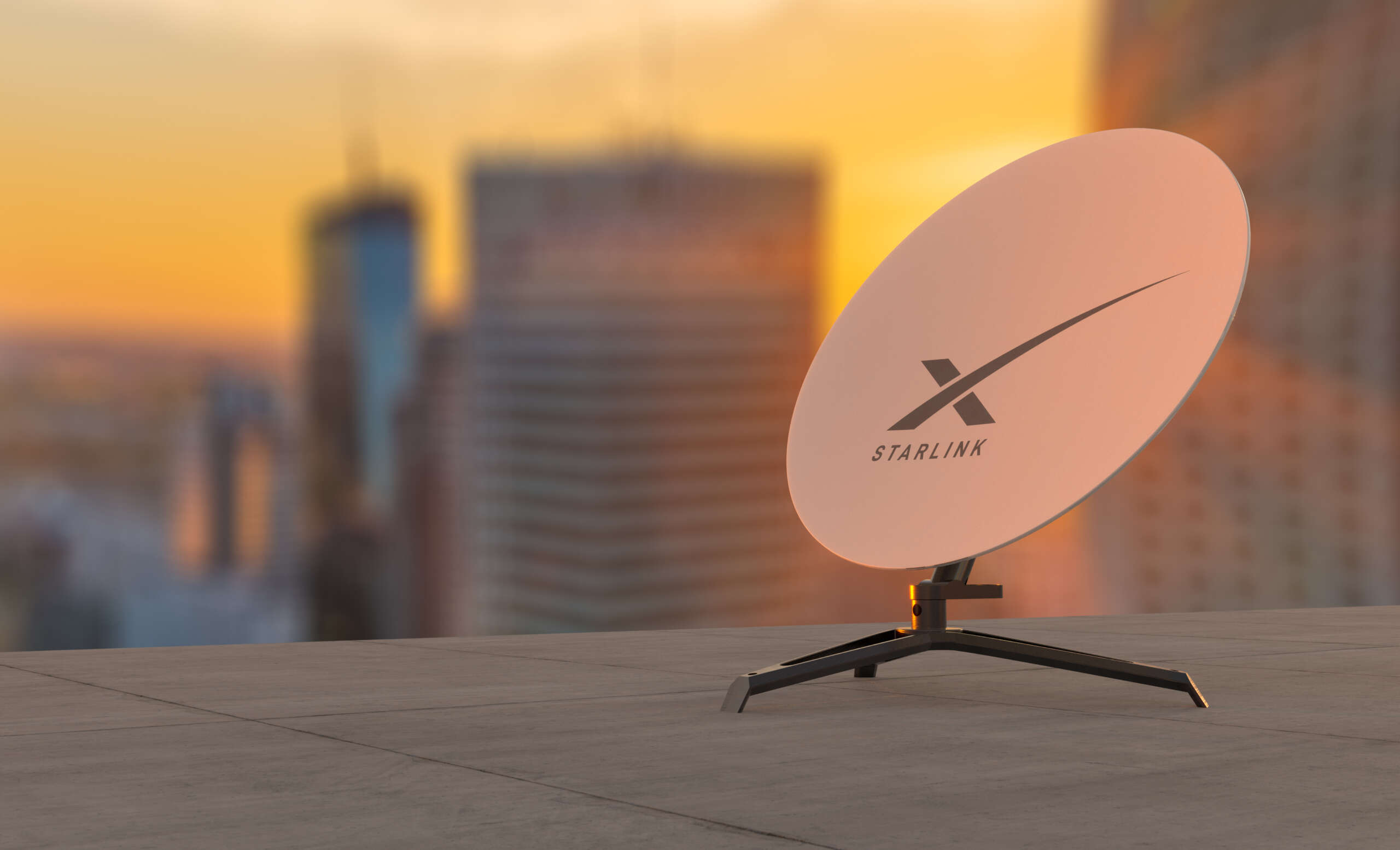
On 25 Sept., the office, known as URCO or OfReg, announced its final decision on the framework for licensing satellite-based telecommunications providers. With the regulations in place, companies like Starlink, Amazon, Viasat and Eutelsat OneWeb can now be licensed to provide services to individuals and companies in the islands.
It’s a marked contrast from August 2024, when OfReg announced it had taken action to stop Cost.U.Less and Shop Smart Cayman from selling Starlink terminals, because the service wasn’t yet licensed.
One early mover is expected to be Starlink, which is owned by Elon Musk’s SpaceX and has the world’s largest constellation of communications satellites. A local subsidiary, Starlink Cayman Ltd., has already been created, although the firm did not respond to request for comment for this story.
“There were some companies that had already installed their own satellite systems to provide a back-up in case local internet infrastructure was impacted by hurricanes but that was a very expensive or illegal option,” said Julian Morris, a local economist. “Now we will have a low-cost provider in the form of Starlink.”
He added, “The problem in hurricanes is that above-ground cables get knocked out by falling trees or collapsing poles. Or the electricity needed to power part of the infrastructure gets taken out. Obviously, you don’t have that problem with a satellite terminal.”
In a disaster situation, a house or office with a power generator or battery would be able to keep transmitting data via Starlink, as its connection to the internet would not be affected by the failure of land-based communications infrastructure.
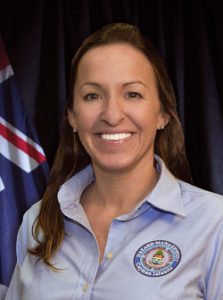
Danielle Coleman, director of Hazard Management Cayman Islands, agrees. “Satellite internet services present a critical solution to this vulnerability by offering a non-terrestrial, infrastructure-independent mode of connectivity.
“Unlike other communications systems, satellite services can be established and operated without reliance on local ground-based infrastructure, allowing for fast deployment and operational continuity even in the event of widespread local damage.”
Increased capacity
But it’s not just about improving the resilience of Cayman’s communications. Satellites also offer a quick way to increase the islands’ international data transfer capacity, which is currently limited to the two existing subsea cables.
A government-funded report in 2024, highlighted the risks surrounding Cayman’s main subsea cable, Maya 1, which is nearing the end of its scheduled lifespan. In August, Liberty Networks, which owns one of the cables and has a stake in the second, announced it would upgrade Maya, providing some respite.
“I think there are big challenges when it comes to building a new cable,” said Bob Taylor, former CEO of WestStar (now Logic) and former chairman of a Cayman-based undersea cable company. “Obviously there is the financial barrier.”
In March 2024, industry experts told the Compass that a new cable between the US and Cayman would cost $100 million. “But there are also [potential political] barriers,” Taylor said. “Donald Trump has a good relationship with Liberty and [it is unclear] how that would impact the approval of a competing cable.”
Even if a new cable were financed and approved it would take years to build, while the likes of Starlink can operate as soon as it is licensed. Yet it is still unclear how satellite communication providers will respond to the new regulatory framework.
“I think that OfReg could have created more attractive conditions for these firms to come,” said Taylor.
It also remains to be seen how incumbent telecom providers, like Flow and Digicel, respond to the regulations.
Yet Morris believes that “OfReg has done a good job of responding to objections and putting together a decision.”
OfReg noted that the following companies commented on the proposals: Amazon, Digicel, Eutelsat, Flow, Iffi Tech Ltd, Rivada, SatelIoT, Starlink, Viasat and Logic.
Related Videos