By Lesli Tathum
She was told the procedure would feel like a ‘little pinch’. Instead, she found herself screaming in pain.
Caymanian Lauren Lucas-Currie, 27, has endometriosis, adenomyosis and polycystic ovarian syndrome, three conditions that affect women’s reproductive health, and are some of the leading causes of infertility. The symptoms can include irregular bleeding, pelvic pain, fatigue and more.
To treat the symptoms of these conditions, women are often prescribed birth control, and for some women, they may be recommended to use an intrauterine device, better known simply as an IUD.
“Nothing else was working. All other birth controls made me incredibly nauseous and gave me migraines,” Lucas-Currie said.
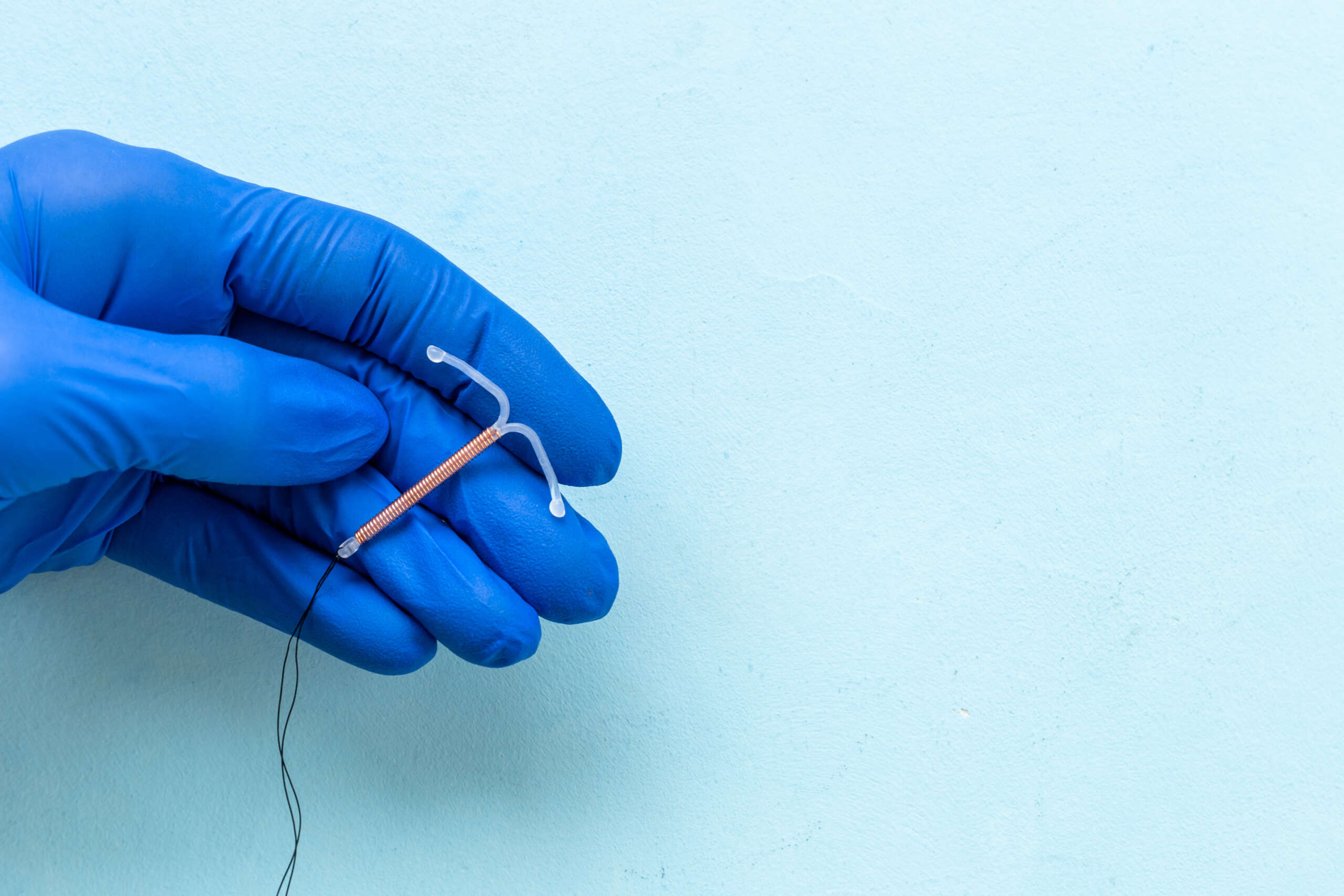
An IUD is a T-shaped device that gets inserted into the uterus by a doctor, typically at a women’s health clinic, and is a highly effective, long-acting form of contraception, ranging between five to 10 years.
In 2016, Lucas-Currie underwent her first IUD placement, where she expected only a few seconds of discomfort. However, what she experienced instead was a wave of pain that left her very uncomfortable.
“I didn’t have any prior pain medication. I had absolutely nothing … just a hand to hold and an optimistic hope for this new birth control method that was supposed to make me better,” she said.
While the device was being inserted, she screamed, jumped back in the gynaecological chair and was confused when her doctor told her not to move.
While she left the clinic in pain, she said that she was thankful the pain wasn’t as bad as what her sister experienced. Her sister almost passed out from the pain, and similarly did not receive pain medication.
Due to Lucas-Currie’s negative experience the first time around and because she needed excision surgery for her endometriosis, it was recommended to remove her IUD. She sought out another doctor and requested for her second IUD to be placed while in surgery.
“I did not want to go through that pain again,” Lucas-Currie said.
She said it was difficult to tell if she had pain due to the IUD or the surgery she had undergone.
However, after leaving to go to university a month post-op, Lucas-Currie was unable to get regular check ups in Canada to see if her IUD remained in the correct position. In just under a year, she was experiencing severe pain and discovered that her IUD was embedded in her uterine lining. Dr. David Stone of OceanMed, a women’s health care facility in George Town, was able to remove the IUD without surgery by administering local anaesthetic to her cervix.
“I literally walked right out afterwards. It was so simple,” she said.
Her third placement was performed postpartum without anaesthesia. Postpartum patients often report little to no pain during this procedure due to physiological changes that occur after a vaginal delivery.
An urgent need for pain management
In a recent clinical consensus by the American College of Obstetricians and Gynecologists, it was recommended that doctors offer local anaesthetics and engage in shared decision-making to better manage pain during IUD insertions and other uterine and cervical procedures.
Dr. Stone is an obstetrician and gynaecologist and the medical director at OceanMed. He is also a fellow of the American College of Obstetricians and Gynecologists.
“I think this article [outlining the new consensus] has been a long time coming,” he said.
“It correctly addresses an issue in our profession that I feel has been wholly underrepresented, underserved and underappreciated.”
Stone said on average he does about 10 IUD placements a month. His approach is to first counsel his patients on their options and how to manage the symptoms post insertion. Once the patient is informed, he will get verbal and written consent and then an appointment is scheduled for the procedure. Depending on their circumstances, most can get the placement in office, but some might need to have it done in surgery.
He says patients are positioned on their back with their legs supported in stirrups, as is the case with Pap smears. The area is cleaned and a lidocaine-based paracervical block is administered for pain relief.
“I do encourage patients not to miss any meals and to make sure they’re well hydrated before coming in for the procedure,” he said.
“We may encourage patients to consider using a form of non-steroidal, anti-inflammatory drugs such as ibuprofen or naproxen, as directed, and to report back if they’re having pain or bleeding that’s not improving over time.”
Stone said he will then set up a one-month follow-up appointment where he will perform an exam to ensure that the IUD is in the correct place and the patient’s body isn’t rejecting it.
Procedures in and around the uterus and cervix have historically been considered painful procedures, he said. For this reason, Stone agrees that patients deserve to have safe alternatives.
Stone says that any clinician performing procedures involving the uterus or cervix — such as IUD insertions or endometrial and cervical biopsies — should provide pre-procedural counselling to discuss potential pain and the available options for managing or reducing it.
Questions to ask your physician
Should your doctor not provide adequate information when discussing these procedures, Stone recommends asking the following:
• Do you have experience in placing IUDs?
• How long have you been doing these procedures?
• Do you offer some form of pain relief, not just for the procedure but for the possibility of pain afterwards?
He says if a doctor refuses pain management options, it might be time to reconsider the procedure and seek a second opinion.
Related Videos