

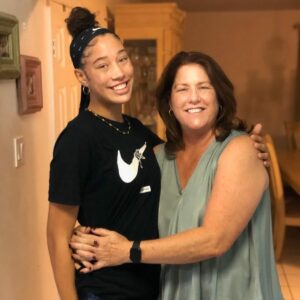
Rhonda Kelly, mother of Addison Kelly who died by suicide at age 16 in 2022, still vividly recalls the experience of reading headlines about her daughter, and the wave of social media commentary on her mental health that followed in the days after her passing.
“I can still go back and look at a post … All the comments that were made…,” she said. “Unless it’s changed since the last time I looked at it, there are 150 comments of varying degrees. Some are sympathetic and nice – and some are very judgmental.”
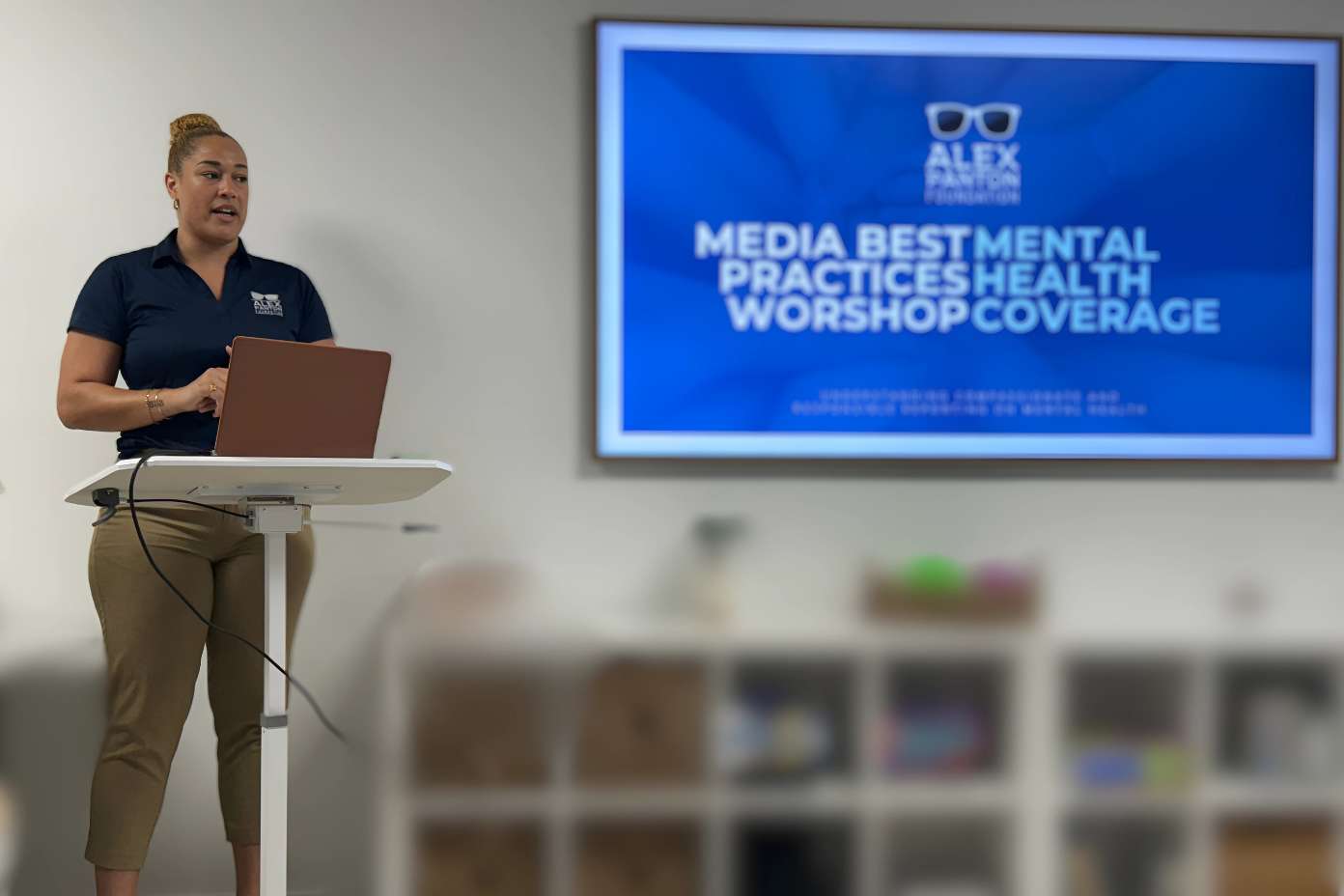
Kelly, the marketing chair of the Alex Panton Foundation and founder of the Addison Kelly Mental Health Education Fund, brought a powerful personal perspective to the ‘Best Practices Workshop on Mental Health Media Coverage’, held on 27 May.
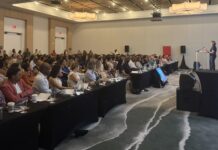
Organised by the Alex Panton Foundation and led by Chantal Basson, clinical psychologist, and clinical and educational lead at the foundation, the workshop brought together media professionals from various outlets, alongside representatives from the Ministry of Health.
Kelly emphasised how lasting and visible media posts – and especially comment sections – can amplify grief for families. It was a profound reminder of the media’s influence in shaping public discourse – and private pain.
In the aftermath of tragedy, hurtful comments can include blame directed at parents, harsh judgments and insensitive or derogatory language, adding further pain to an already devastating situation.
“I think that people need to understand that families and friends of these people see these comments, and they are up forever until they are taken down,” Kelly continued. “I mean, some people don’t care … To hear somebody has died by suicide, and an hour later for you to be saying, ‘Boy, these parents gotta do better, you know’ … That is not helpful to anyone, and it is just constant. People don’t understand who’s reading.”
The workshop focused on the media’s responsibility to foster empathy, accuracy and compassion in mental health coverage, not only through reporting but also in how public engagement is managed. Participants were asked to consider their reporting styles and comment moderation – the headlines, the framing and the comment sections that can either offer comfort or inflict harm.
Basson encouraged media professionals to adopt a biopsychosocial lens when covering mental health issues – one that accounts for the interwoven biological, psychological and social factors that impact well-being.
This message was echoed by the foundation’s executive director Emily Kelly, who urged media to explore stories that contextualise mental health within broader life circumstances.
In a small, tightly-knit community like Cayman, these conversations are especially urgent. When media coverage veers toward sensationalism or fails to provide context, it can deepen wounds, isolate the vulnerable and even spark what Basson called a “cluster effect” – a documented rise in suicide risk, particularly among the youth, following a suicide in the community.
A journalist at the workshop noted that stories, including those on social platforms, can become “digital memorials”, adding, “Because Cayman is such a small community, chances are that someone we know is connected to the issue. The bereaved are watching. We need to have empathy.”
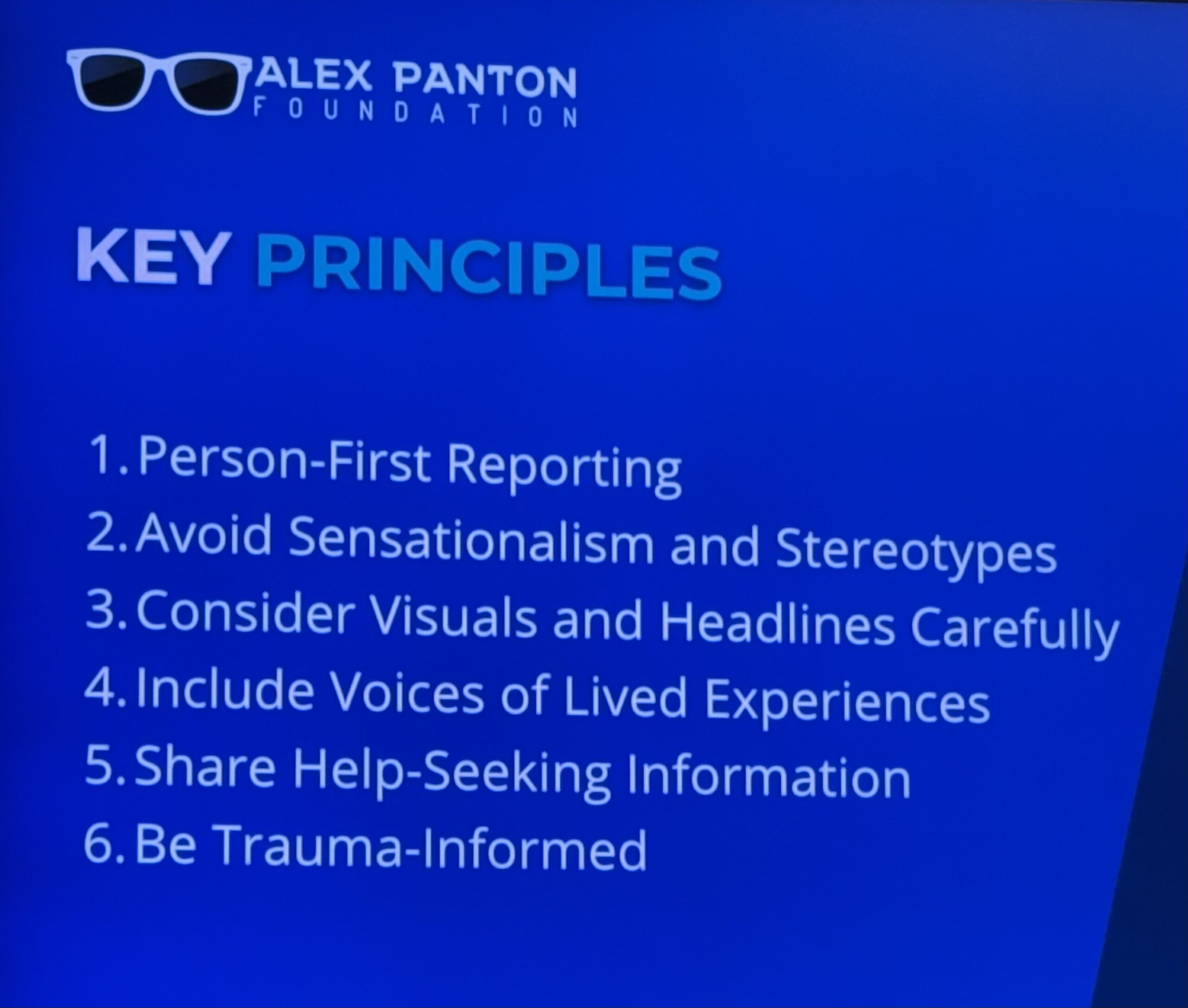
Basson highlighted that following a death by suicide, it is critical for the community to “feel held”. She stressed that instead of focusing on the dramatic elements, journalists should offer solutions – supportive resources, information on warning signs and stories of resilience or recovery.
Some participants voiced the challenges of monitoring online commentary and were asked to reflect on their own role in managing the responses of their audience. Solutions raised included disabling comments on sensitive stories, educating readers about the consequences of harmful language and providing reminders that families are affected by what is said.
As one participant put it, “The question we all have to ask is: Are we part of the problem, or part of the solution?”
Rhonda Kelly’s willingness to share her family’s experience was met with deep appreciation. “To have someone like you say something like this – I think it’s humanising – you’re bringing back that family that people don’t see,” said one media representative. “It’s an unfair ask of you and your family to do something along those lines, but it is essentially what the community needs, because everyone is so used to the screen and they’re not seeing it.”
Emily Kelly praised the session as an important step toward shifting the narrative around mental health in Cayman. “It was a pleasure to have such meaningful dialogue about the mental health landscape in the Cayman Islands, and the impact of media on our community’s understanding and engagement with these topics,” she said.
Mental health resources
If you or someone you know is facing challenges related to the issues discussed in this article, the Alex Panton Foundation recommends the following resources for support and assistance:
Alex’s Place, Health Services Authority
Adolescent mental health hub for ages 10-20
Telephone: 244-7856
Located at the front of Anthony S. Eden Hospital (formerly George Town Hospital) on the left after passing the main atrium.
Open Mondays to Fridays from 10am-6pm
Services available by walk-in or referral
Cayman Islands Crisis Centre
Provides support to all victims of domestic violence through “services and programmes focusing on domestic and sexual abuse”. Among its services, it provides shelter, counselling and a 24-7 crisis helpline at 943-2422 (or toll free at 1 (800) 543-2422)
Administration telephone: 949-0366
Administration email: [email protected]
For more information, go to the Crisis Centre website.
CayMind Mental Health Help Line
Call 1-800-534-6463 (MIND)
Open Mondays to Fridays from 6pm-11pm
Department of Counselling Services
Call 949-8789 or email [email protected]
For more information, go to the Department of Counselling Services website.
HSA Behavioural Health Services
Call 244-2530 or go to the Behavioural Health Services website.
For a more extensive list of mental health resources, go to the Alex Panton Foundation website.
Related Videos









Can the Compass provide an update on the Poinciana Mental Health facility- are all the rooms occupied now, and have there been any problems after all the structural defects that held up completion for so long?.