The international maritime community celebrates the Day of the Seafarer this week in honour of the vital work of seafarers in supporting the global economy and local communities.
In Cayman, seafaring is an integral part of the islands’ heritage and history, recognised in the national motto, “He hath founded it upon the seas.”
While Cayman’s relationship with seafaring has evolved, the industry remains essential to Cayman’s connection to the world, facilitating trade and tourism.
“Seafaring is a proud part of Cayman’s heritage,” said Governor Jane Owen, speaking about the Day of the Seafarer, held each 25 June.
“For many years, Cayman’s main export was its seafarers, whose earnings supported families at home and our national economy.”
These days, there are almost no Caymanians actively working as merchant mariners — the career path that allowed previous generations of young men to travel the world and earn money for when they came back home. Seafaring, however, remains key to Cayman’s economy.
“Today, over 80% of global trade moves by sea, and Cayman’s maritime links remain essential, bringing in goods, food and supplies,” Governor Owen said.
“We also recognise our coast guard, fishermen, marine biologists and cruise ship captains, whose work sustains our islands.”
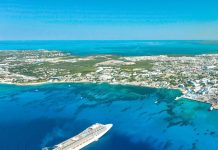
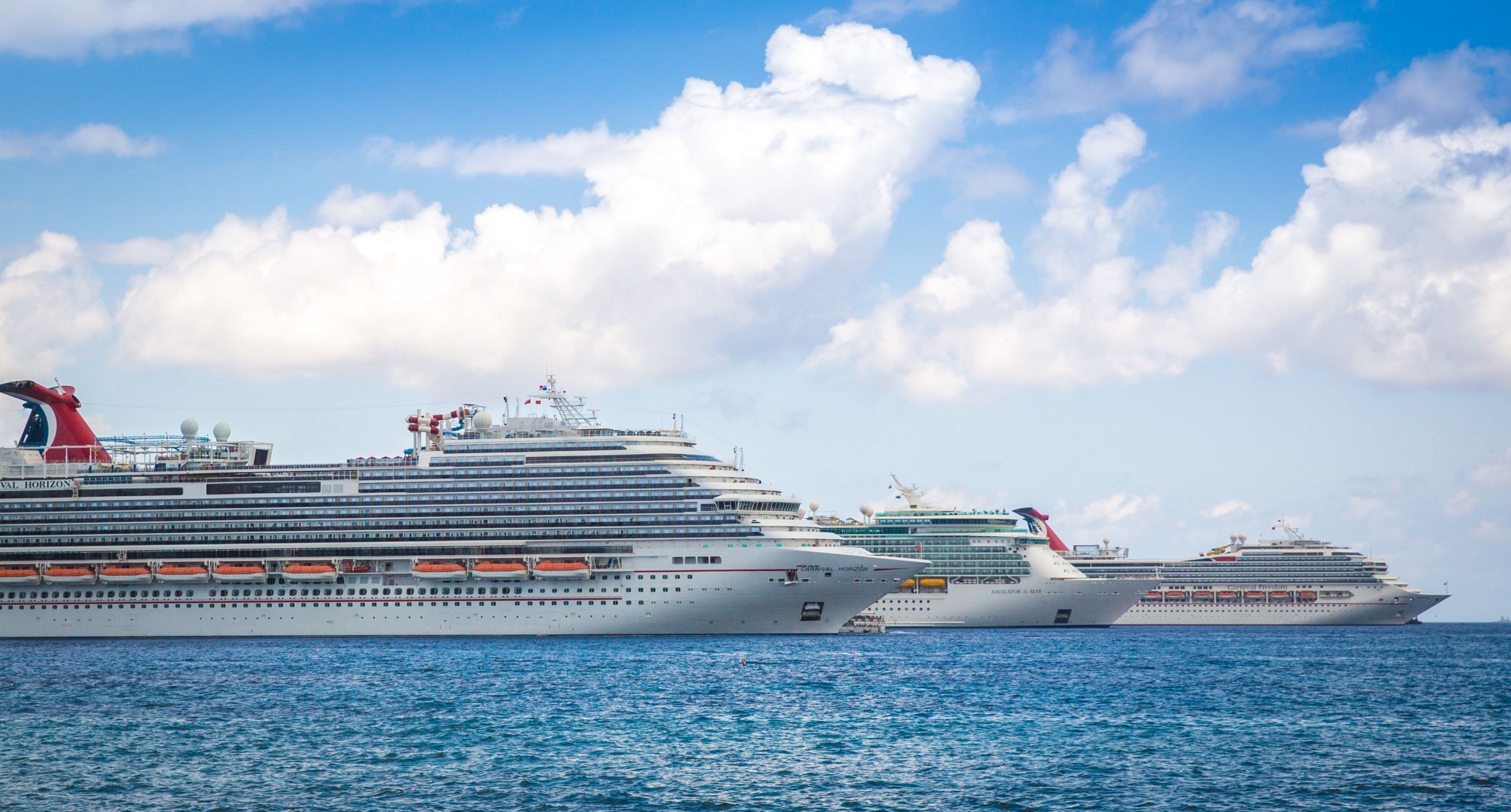
On any given day, there may be as many as 4,000 seafarers in the George Town port. Most of these mariners arrive on cruise ships, each of which are crewed by over 1,000 seafarers. There are also the crews that direct the cargo ships, bringing in almost all of the food and goods consumed in the islands.
Seafaring’s evolution
Paul Hurlston, director of the Cayman Islands Port Authority, recognised Cayman’s “almost lost tradition” of seafaring as the foundation for the islands’ modern success.
“Back in the 1950s until late 1970s, shipping presented large-scale employment for Caymanians, which was lacking locally,” he said.
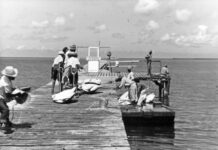
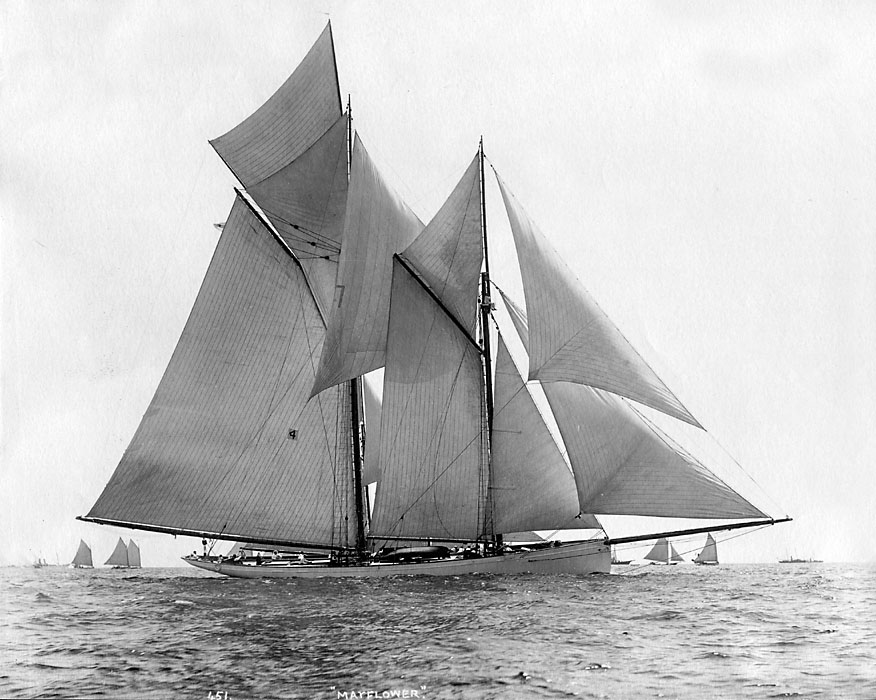
Before that era, when many of Cayman’s young men went to work as merchant mariners for the National Bulk Carriers, Caymanians built schooners locally and ranged around the region in search of sea turtles, bird eggs and sharks, which were used for the leather industry.
As the tourism, real estate and financial services sectors began to grow in the early ’70s, however, so did the opportunities for work back home in the Cayman Islands.
Hurlston explained, “It became financially viable to remain onshore, along with all the other benefits of family life. Thus, our economic success has killed the seafaring careers that once started and maintained the islands’ economy.”
In modern times, Cayman’s shipping industry focuses much more on bringing goods and services into the islands – rather than shipping young men out, to work on vessels elsewhere.
Chris Balls, a master mariner who works as the principal surveyor for the Cayman Islands Shipping Registry, believes the future will hold new opportunities for Caymanians in the seafaring and shipping sectors.
“Over the years, seafaring has continuously adapted to new technologies and as the era of remote-controlled ships and even autonomous ships approaches, seafarers will adapt to this and indeed there will be good opportunities for those with an interest in maritime-related employment who do not wish to spend long periods away from their loved ones, as is often the case with conventional seafaring,” he said.
One of those autonomous vessels, Saildrone, has been surveying Cayman waters to produce mapping data and improve understanding of the islands’ natural resources.
All around the world a technological shift is occurring, Balls said, as artificial intelligence and automation disrupt how ports and ships are operated.
“Ports around the world are also embracing technology and automation to remove the dull, dirty or dangerous aspects of port operations, which is where autonomy can be of the most benefit to society,” Balls said.
“The challenges of integrating both ship and port technology will no doubt be overcome with time to improve the whole maritime transport industry and reduce its environmental impact.”
Related Videos