

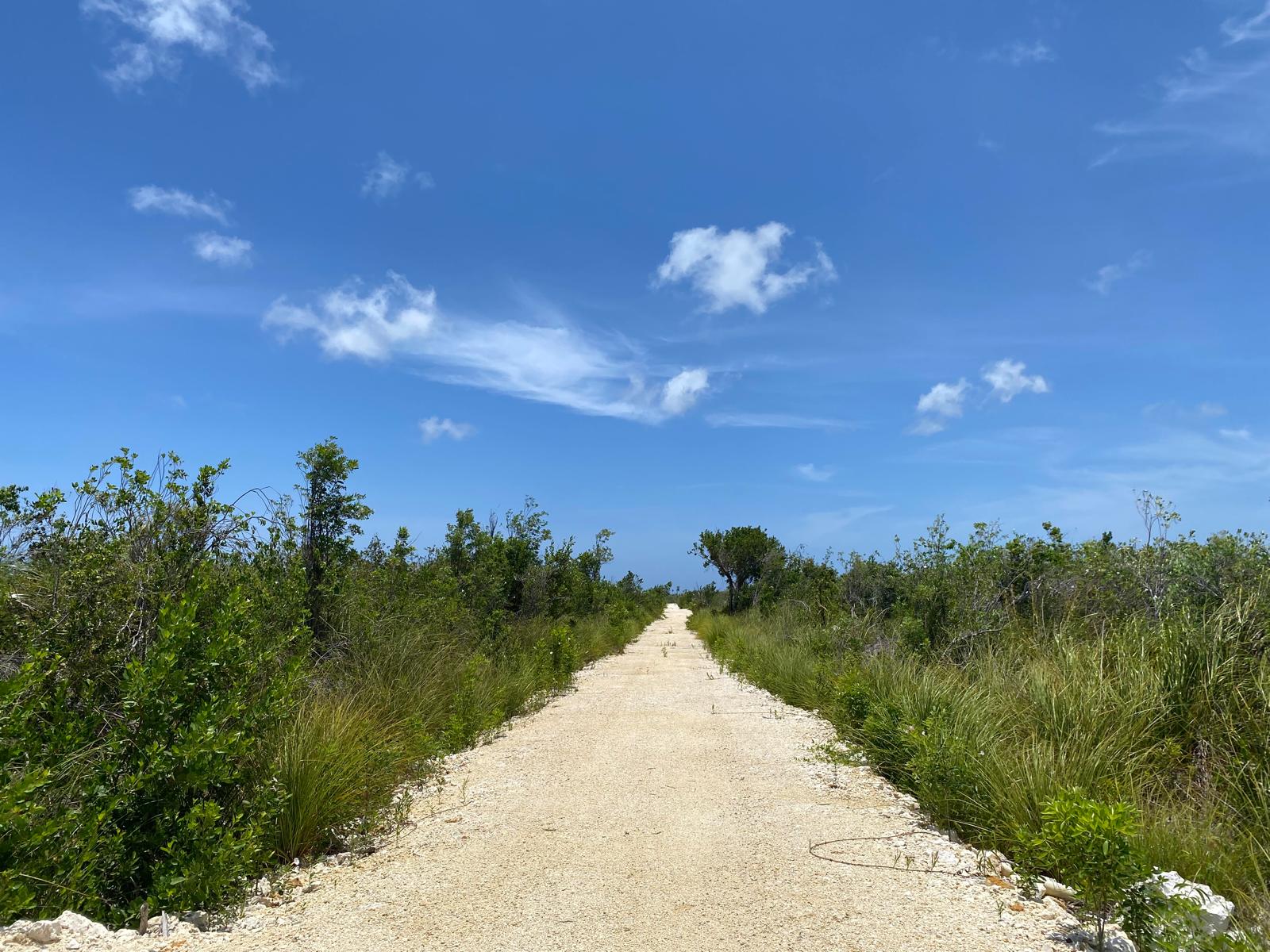
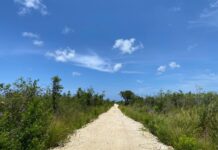
Caymanian lawyer James Bergstrom has been fined $40,000 for removing mangroves from his East End property in order to build an access road.

Bergstrom’s land company Bon Crepe was found to have breached the National Conservation Law, which protects endangered animals and plants.
The fine includes a $10,000 compensation order to replant the buttonwood mangroves.
Handing down the sentence on Wednesday, Chief Magistrate Angelyn Hernandez said there was no evidence that the road was designed for commercial purposes. The court accepted Bergstorm’s explanation that it was designed for low-level farming and recreational purposes and that the work impacted less than one acre on a 300-acre plot that was otherwise left in its natural state.
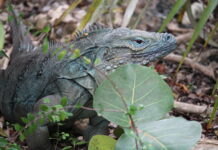
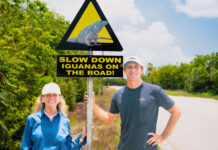
In a separate civil case, the Grand Court quashed an after-the-fact grant of planning permission for the two-mile road. Because the construction impacted the critical habitat of a protected species, the blue iguana, the decision should have been referred to the National Conservation Council, the court ruled on that occasion.
The Summary Court proceedings were linked specifically to the removal of buttonwood mangroves during that construction process.
Lawyers for Bergstrom told the court that the work began prior to the pandemic, before legislation was introduced making mangroves a protected species. When he resumed construction after that pause, he says he was unaware that the law had changed.
He also says he was unaware that he needed planning permission for the project as it was on a registered right of way.
The court judgment indicates that the road project came to light when a Department of Environment officer noticed it from a plane flying over the eastern districts.
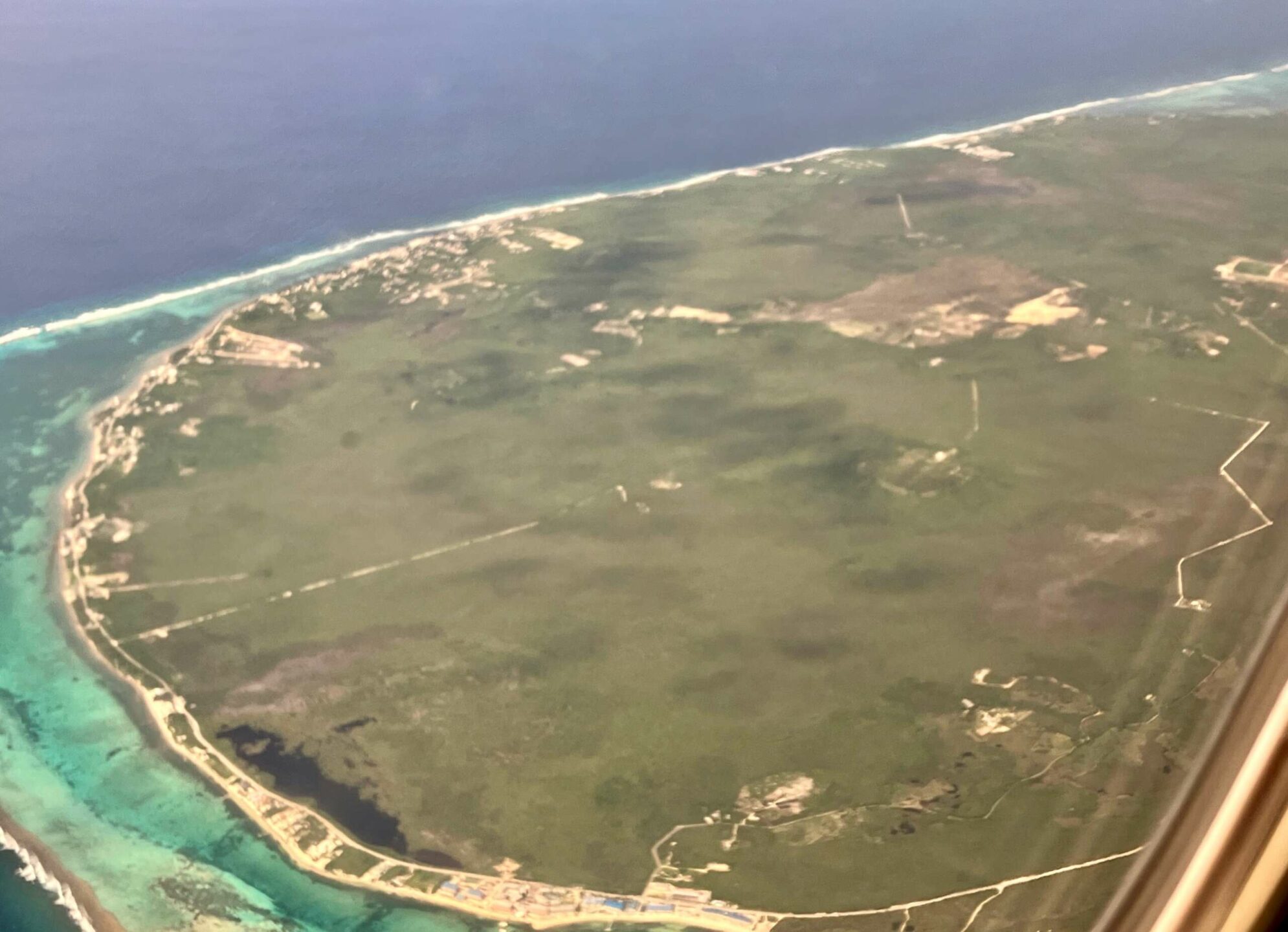
The large piece of land is close to the Salina Reserve and Colliers Wilderness Reserve — the primary habitat of the blue iguana, which is endemic to Grand Cayman.
Magistrate Hernandez, in her sentencing note, said the landowner had co-operated with a cease-and-desist order once he was made aware he was in breach of the law.
She said the harm was at the lower end of the spectrum and the sentence reflected that.
“The difficulty here is that I do not know if the harm is “significant” or “minor.” For example, I do not know if the Blue Iguanas were displaced.
“However, if one must consider that the area is 1 acre of 300 acres, it would not be unreasonable to conclude that harm was minimal,” she wrote.
Related Videos








A Caymanian Lawyer should know better. That’s not a great look for our people. I was expecting to open an article an see an expat but then there is James.
Suprised there isn’t a year of prison attached to this tiny fine. 40k won’t even make a lawyer blink.
A $40,000 fine is not a deterrent for any of these developers!
Ignorance of the law is no excuse, especially not for an attorney who knows better. This individual’s actions show a blatant disregard for environmental protection and the rule of law. It’s disturbing to witness someone in a position of influence act as though they are above the consequences. While the fine may have been modest, the message is clear: time is longer than rope, and karma doesn’t miss a step. When you possess the knowledge, you carry the responsibility. He should be held to a higher standard, not just legally, but morally, for choosing to ignore both law and conscience.