An investigation is under way at a government care facility after a vulnerable resident was bitten on two separate occasions by another occupant.
The individual, who is paralysed and cannot communicate verbally, was also injured in unexplained circumstances on a third occasion, sparking concerns about the level of supervision at the facility.
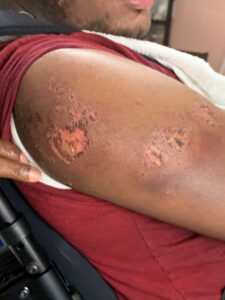
The Compass has been shown photographs of some of the injuries sustained by the victim along with a complaint filed by his mother. She said her son had been in government care for over 30 years. He was born with severe mental and physical disabilities and requires round-the-clock attention. All three incidents happened within the last two years, the most recent in April this year.
On the first occasion she said she had visited her son and found him in good health, only to be told hours later that he was on life support in intensive care after suffering a severe and unexplained throat injury.
“To this day, no one has explained to me how he was injured,” she said.
Bitten while helpless
Several months later, she received another call from the facility – which the Compass agreed not to name to protect patient confidentiality – indicating her son had been bitten by another resident. On that occasion he had significant bite wounds on his face, bicep and forearm.
“My son is nonverbal and nonmobile. I could not understand how he could have been bitten so many times when he is supposed to be under supervision.”
The facility is staffed 24 hours a day and has a one-to-one staff-to-resident ratio. Even more concerning, she said, were reports that her son was bitten again by the same resident a few months later. That time he sustained an injury to his eyelid.
“I was told someone was there when this situation occurred and that it happened so fast, but the bite still pierced his skin. This really saddens me as my son is the only one there that cannot walk and cannot defend himself.”
On a fourth occasion, she said her son had unexplained injuries to his forehead and index finger.
She said her son had received great care at the home for three decades but something had changed in the last two years and she is pleading with government to investigate.
The Compass understands the home caters to residents with a multitude of complex physical and mental health challenges. While staff are trained as carers, they are currently dealing with more complicated issues with some residents. Even investigating a complaint is legally complex, given the requirement to access health records and other personal information.
A spokesman for the Ministry of Social Development confirmed it has received the complaint, saying that it takes the matter seriously and that an investigation is under way. He said he could not comment further while the investigation was in progress.
The ministry’s complaints procedure indicates that complainants are entitled to a written response once an investigation is complete, regardless of the outcome. It is open to someone who is unhappy with the response to seek redress through the ombudsman.
Mental health challenges highlighted
The incidents and the investigation feed into broader concerns about mental health care in the community.
Psychiatrist Dr. Mark Lockhart, former chair of the Mental Health Commission, said various institutions were dealing with people with complex issues that they don’t have the resources, the expertise or the budget to address properly.
He said the burden of Cayman’s mental health issues was falling on prisons, care homes, drug rehabilitation facilities and families.
“I still see people with serious illness walking on the street dishevelled and not cared for.”
The Compass has reported on challenges of the prison with inmates who are mentally ill. Similar issues can be found at halfway houses and at the island’s main hospital in George Town, where a 11-bed acute care facility is stretched beyond its capacity.
The unit currently has 16 patients with children and adults, including Travis Webb who is effectively incarcerated on the ward after being found not guilty by reason of insanity on an attempted murder charge.
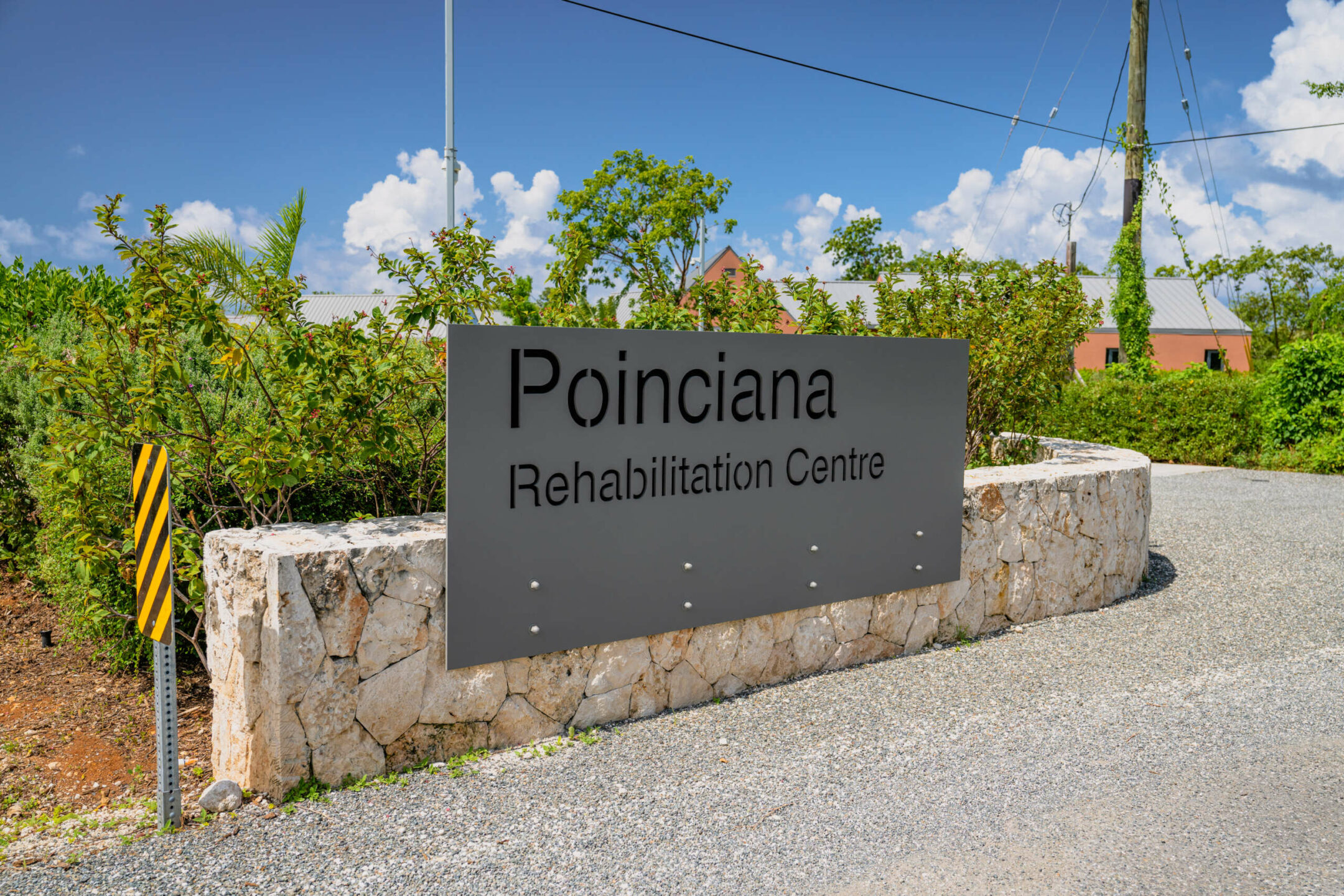
These challenges come in spite of the opening late last year of a new 54-bed long-term mental health facility in East End. Lockhart acknowledged the Poinciana Rehabilitation Centre was currently under-utilised.
Fewer than one in five of those beds are occupied.
And he said there should be a discussion within the mental health community and the government on how to properly staff the Poinciana to cater to some of the unmet need in the community.
“We are constantly swimming upstream when we have a facility out there with 54 beds that’s not even a quarter full,” he said.
Lockhart added, however, that increasing capacity at Poinciana needed to be done in a considered way and with assurances that the right complement of staff was in place.
He believes assigning a point person in the Ministry of Health to coordinate mental health affairs would be a step in the right direction.
Meanwhile, the outcome of the Ministry of Social Development investigation into the incidents – during which the paralysed resident was bitten twice and suffered additional injuries – is pending, and officials continue to assess whether existing supervision and staffing levels are sufficient to safeguard the facility’s most vulnerable residents.
Related Videos