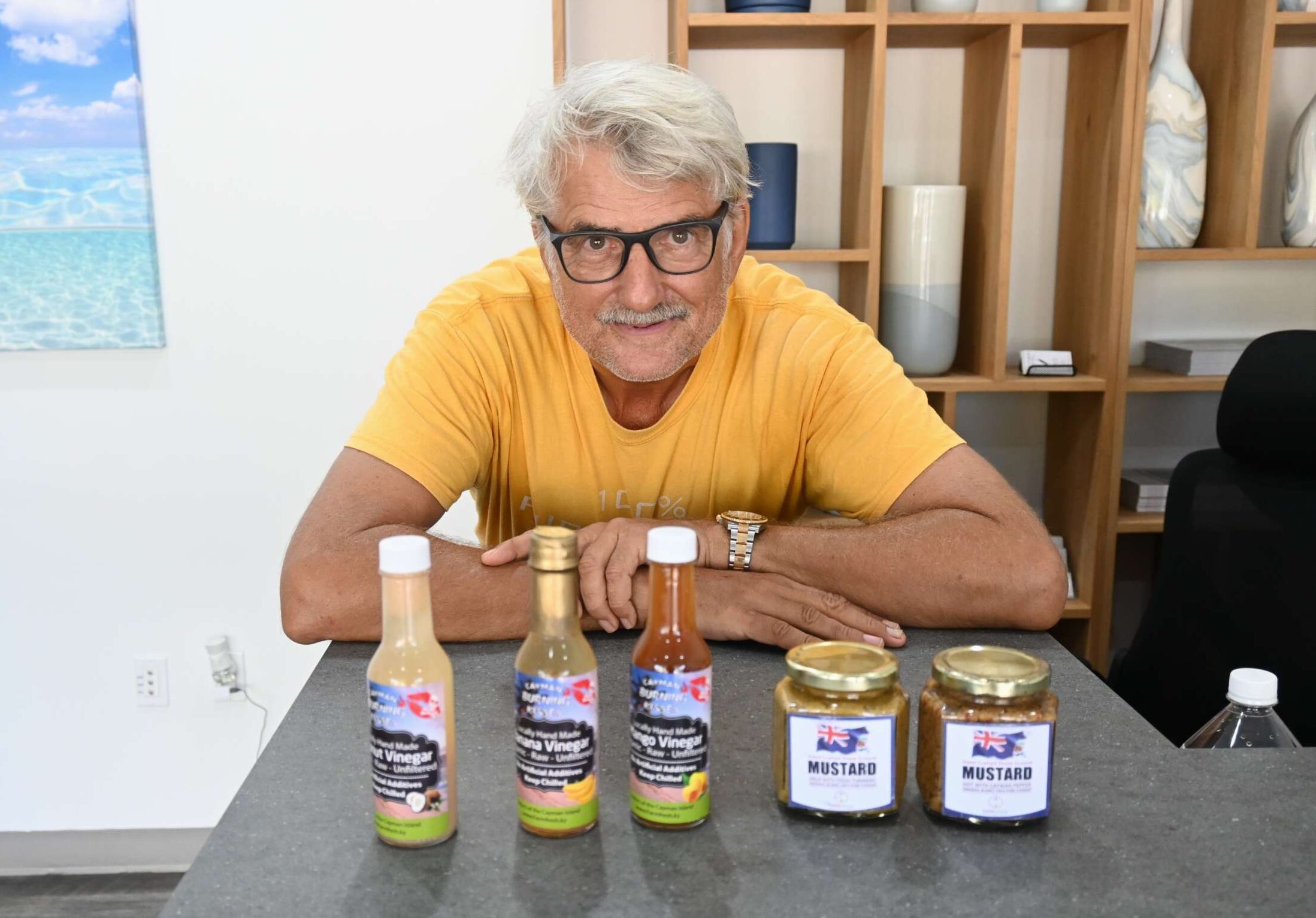
Vinegar maker Martin Richter says the secret ingredient in his range of flavoured condiments is the unique effect of Cayman sunshine.
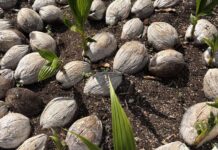
Richter explained that leaving his ‘Cayman Burning Kisses’ vinegars, infused with coconut, mango and banana, to ferment in the strong island sun helped produce unique flavours.
He is also planning a new vinegar, flavoured with Cayman guineps, also known as Spanish lime, in the next couple of months.
“I let it sit for at least six months in the sun. The sun is really the secret,” Richter said.
“Here the sun is much more intense and it breaks down the individual ingredients much more efficiently that it would anywhere else.”
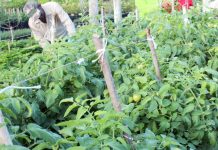
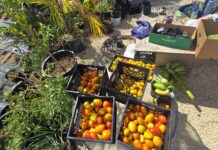
Richter said many of the ingredients for his products come from the small-scale backyard farm he had created around his West Bay home.
He added he created two mustards, one flavoured with Cayman peppers and the other with turmeric, about two years ago and demand has been high.
Richter said, “The problem is, I can’t produce enough, to be honest. But it’s really a labour of love. In Europe, these jars of mustard would cost a minimum of 15 euros each. Here, I’m charging six to seven dollars. I’m making very little out of it.
“Everything except the mustard seeds is local. A lot of it comes from my own yard.”
Richter said he was inspired to make mustard on a trip to Austria, where he tasted a variety of flavours and decided it could also be done in Cayman.
He added, “I talked to a mustard producer there and he gave some ideas and the mustard seeds, which are organic, are coming from there.”
Richter said, “I’ve given it to some of the chefs on the island to test and they love it. They said it’s amazing.”
The 66-year-old has been involved in the food and drink business for decades and is a former general manager of the upmarket Grand Old House restaurant in George Town.
Support for local producers
Richter said he grew sweet potatoes, papayas, zucchini, pumpkins, ackee and yams in his backyard, which amounted to about 8,000 square feet.
He added that more Caymanian food production contributed to food security, but that small-scale operators needed more government help with costs like funding desalination plants for irrigation.
Richter said that his glass containers had to be imported, but that smaller operations were penalised because duty concessions only applied to large amounts.
He added, “Government should be looking at these things to encourage smaller producers and help them to make a proper living.”
Richter said, “There should be much greater government support for the farmers market; not just lip service.”
But he admitted agriculture, like hospitality, was an area people seemed reluctant to consider as a career.
“They don’t realise the opportunities there are in both professions,” Richter said.
“There are a huge amount of opportunities for entrepreneurs to go into food production and people are willing to pay for it because it’s local and fresh.”
The products are available at Foster’s supermarkets. Richter said that without the company’s support, he and other small producers would struggle to stay in business.
He said he had also worked with Hurley’s and the chef there had used his vinegars in sushi and sashimi.
Richter said he used to make up to 40 products, including fermented juices using noni leaves, native to southeast Asia and Australasia, but also widely grown in the Caribbean. The juices were such a hit that a wealthy fan in the exclusive Monte Carlo ordered it by the case, he said.
Richter added he was considering retirement, although he had still to fix a date, but that he would like to pass on his hard-earned skills before he did.
“I would like to teach somebody how to do it because it took me years of experimentation,” he said.
Richter added that people did not realise how productive even a relatively small backyard could be.
“It would be really good to highlight backyard farms to show what people can do on a small scale,” he said.
“If people could increase food production, it would help the islands greatly.”
Related Videos