

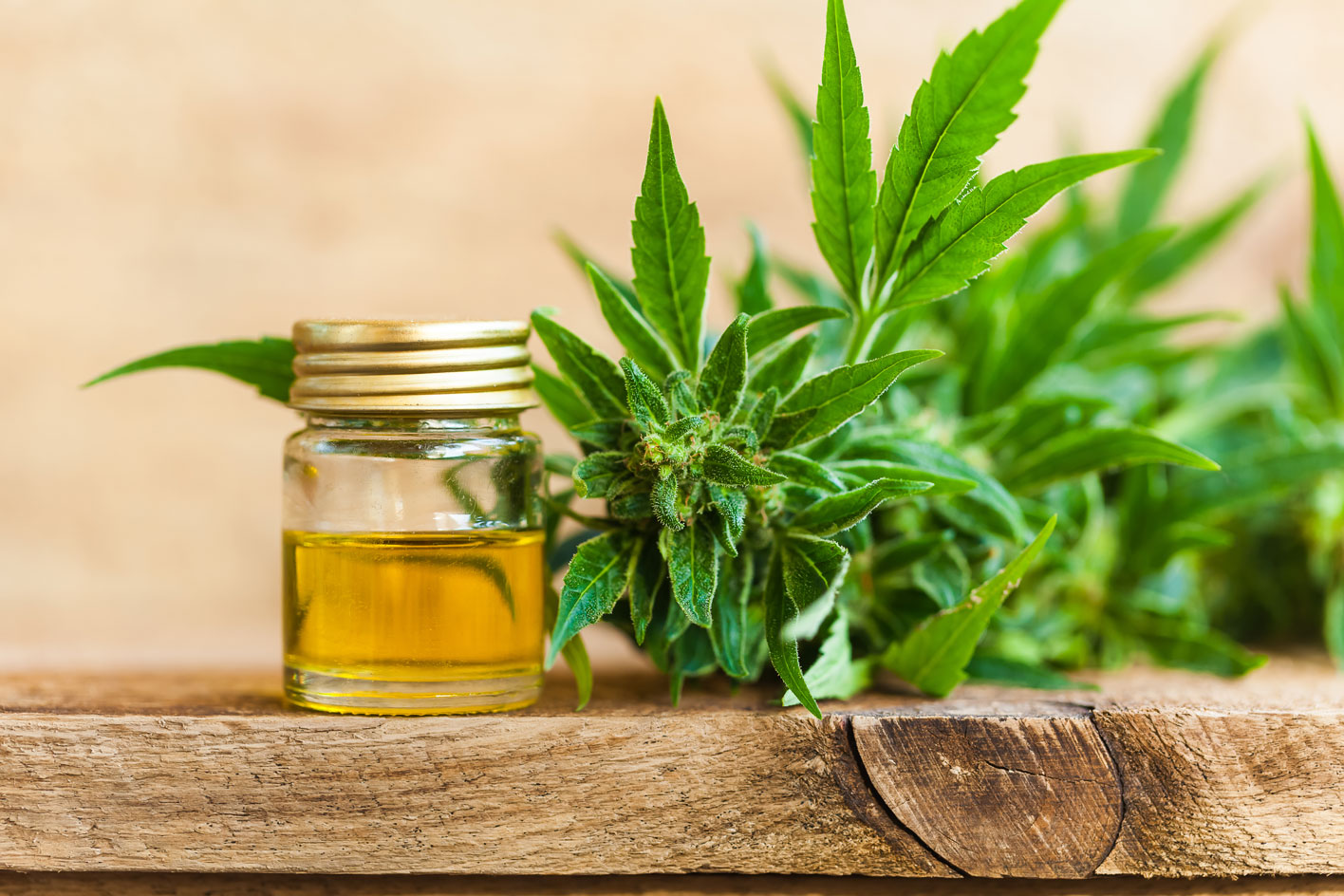
Two local lawyers have welcomed news that the decriminalisation of ganja has gone to the Law Reform Commission after a referendum earlier this year backed the move.
President of the Cayman Islands Legal Practitioners Association, Richard Barton, who has campaigned for a loosening of the law on cannabis, said a change in the law would reflect society’s attitudes.
Barton, who emphasised he was speaking in a personal capacity, said, “The recent update from the government and the Law Reform Commission as to the progress made in the wake of the referendum result on ganja decriminalisation is welcomed.
“Their efforts to examine this pivotal issue and to explore practical solutions for reform demonstrate a commitment to answer the call for change and a readiness to ensure that the process delivers laws that reflect the community’s expressed views.”
Barton was speaking after the commission confirmed that the Cabinet had referred the legalisation of possession and use of cannabis in small amounts to it after an April referendum, run alongside the general election, which backed decriminalisation and the establishment of a national lottery.
A commission spokesman said it was required first to consider the scope of the referral, then advise government on how to proceed and provide suggested timelines.
He added, “The timelines will depend on the complexity of the issues, the extent of public consultation required and the demands of comprehensive legal analysis.”
The commission has already drafted a paper outlining legal, regulatory and policy matters and carried out research on similar models of decriminalisation elsewhere, as well as on how other countries have set up national lotteries.
The spokesman added the commission had also reviewed the referendum results and collated public concerns.
He said members of the body has also compiled “relevant domestic legislation” and assessed “possible intersections with existing laws”.
Orrie Merren, a barrister who wrote a paper with veteran psychiatrist Dr. Marc Lockhart suggesting legal amendments to loosen the cannabis regime, in line with changes made in Jamaica and Bermuda, said the commission had done “a very thorough and stellar job” in past deliberations.
He added, “While the stipulated area of focus specifically relates to ‘decriminalisation of the consumption and possession of small amounts of cannabis’, it would be nice if perhaps the scope was widened in the future to see cultivation of small amounts of cannabis considered within the decriminalisation scope and, beyond it a bit further, also to see broadening medical cannabis legislation addressed as well.”
Merren said he looked forward to submitting his views at the public consultation stage and that he and Lockhart planned to “provide our own views to the Law Reform Commission to assist in considering the relevant issues”.
He added international law, including UN conventions, also had to be observed, as well as Cayman constitutional rights.
Merren highlighted that anti-money laundering regulations and Financial Action Task Force (FATF) rules also had to be considered, particularly as Cayman is soon to undergo a FATF evaluation of its anti-money laundering regime.
But, he said, “I am confident that the Cayman Islands will ultimately arrive at a positive result in implementing this important area of emerging and modern legal principles, which is both fair and also protective of society.”
Jamaica decriminalised possession of up to 2 ounces of the drug in 2015 and allowed cultivation of up to five cannabis plants per household.
The Jamaican legislation also created a licensing authority to give permission for cannabis cultivation for medical, therapeutic and/or scientific purposes.
Merren earlier explained that, through Cayman’s relationship with Britain as an overseas territory, the islands would put Britain in breach of international treaty commitments if it moved to legalise recreational use of cannabis on a commercial basis.
He backed the views of Barton and others that children and young people had to be protected from potential risks from use of the drug.
“As such, preventative and protective measures should be put in place to ensure that children and young persons are protected against the adverse effects of cannabis,” Merren said.
“Moreover, around age 25 is when most human brains stop maturing. Therefore, before age 25, unless prescribed by a medical doctor, children or younger persons should abstain from use of cannabis.”
Related Videos












Cannabis when used on a long term basis is internationally recognised to cause serious adverse medical consequences. It’s not just young people who need to be protected, if legalisation goes ahead it must be very carefully crafted to protect all users.