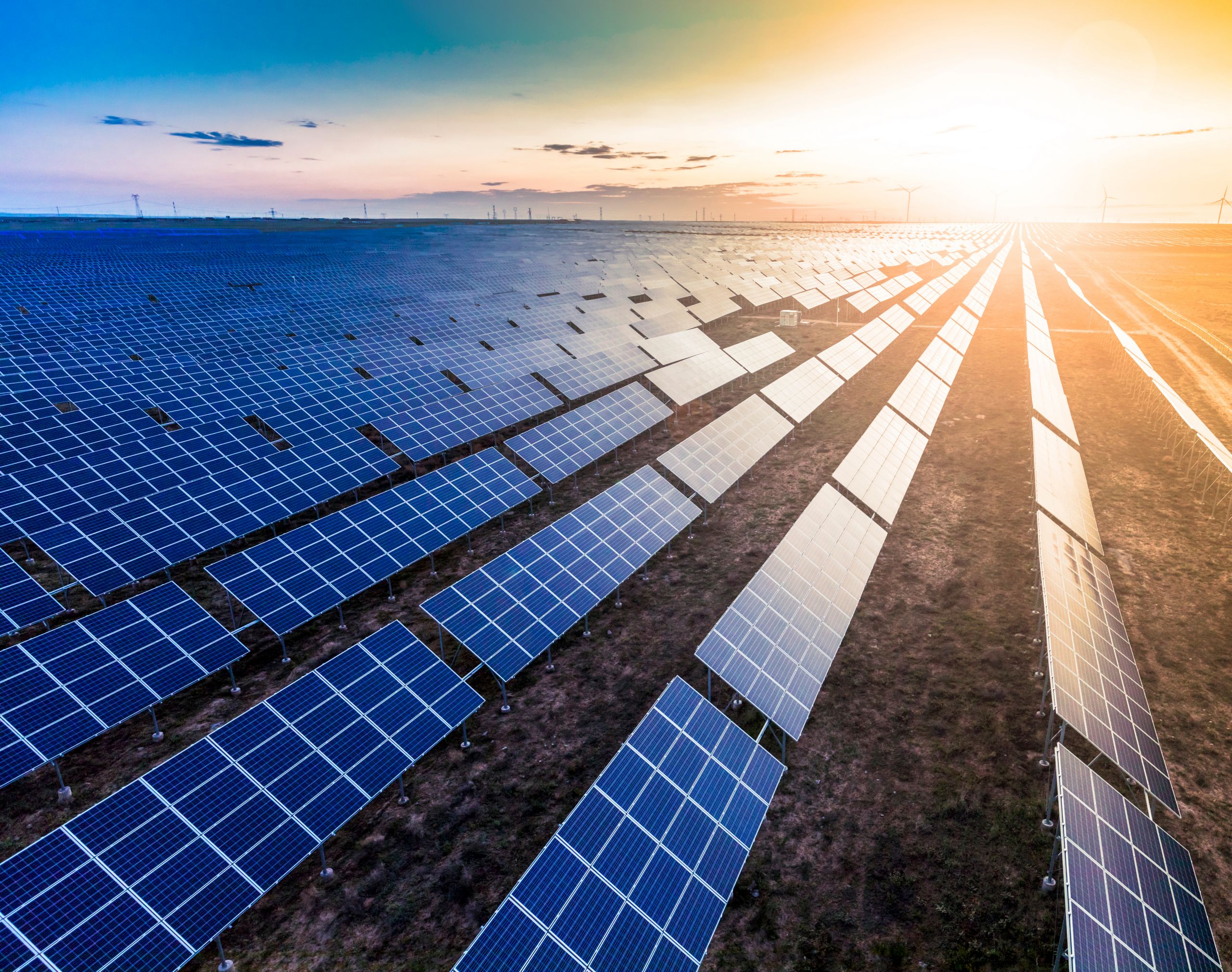
The Caribbean director for the World Bank has called for more use of alternative power to cut energy costs, along with faster adoption of new digital technologies.
Lilia Burunciuc highlighted the region had “abundant” alternative power sources that could be used to benefit residents and tourists.
“It’s very difficult to comprehend why the region is still relying predominantly on fossil fuels and is so vulnerable to fluctuation of prices and it is so expensive to actually … buy electricity in the Caribbean,” she said.
“How can the Caribbean be competitive with these levels of tourism when there are abundant resources of solar and wind and even the ocean energy?”
She said the World Bank had piloted a scheme in the Caribbean to use wave-generated energy to power air conditioning and that it had proven to be “much more cost-effective”.
Burunciuc warned that Caribbean countries also had to catch up on “digital development”, which was “vital for future prosperity”.
She said, “There is no excuse for being behind the rest of the world in advancing the new digital infrastructure and technology.
“This is the opportunity. This is where the rest of the world is moving and there isn’t enough progress in this area in the Caribbean.
“And, again, it has to be done regionally. It can’t be every country has its own rules, its own regulations.”
Vulnerabilities
Dilka Escobar, the deputy director general of the Panamanian government’s Directorate of Investments, Concessions and State Risk, said climate change was a huge area of vulnerability.
Referring to the island of Gardi Sugdub, she said her country already had to organise the movement of residents of the low-lying island to the mainland because of rising sea levels.
Marla Dukharan, an economist and expert on the Caribbean, added she regularly discussed environmental threats and singled out Cayman’s ‘Mount Trashmore’ landfill.
“I talk about the Cayman Islands all the time; their highest point is their landfill,” Dukharan said.
“There are countries that in the next decade or so will probably have to reach out to [Panama] and learn from you guys how to effectively relocate communities, coastal communities, who are affected.”
The Cayman Islands Ministry of Tourism and Trade Development as well as the Cayman Islands Tourism Association have been contacted for comment.
Related Videos