

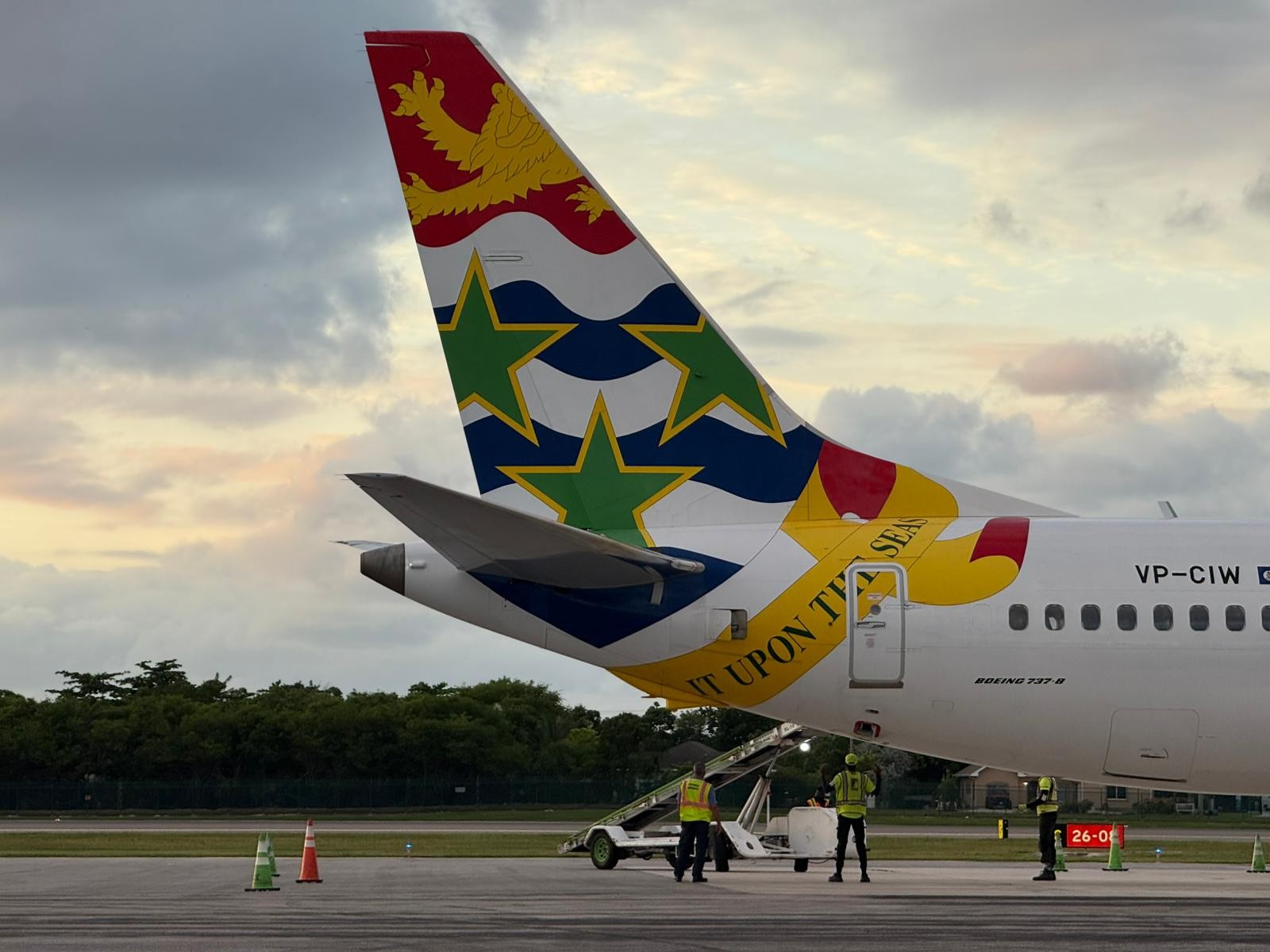
The Cayman Islands has pledged essential supplies and resources to help Jamaica recover from the impact of Hurricane Melissa, the worst storm to ever hit the island.
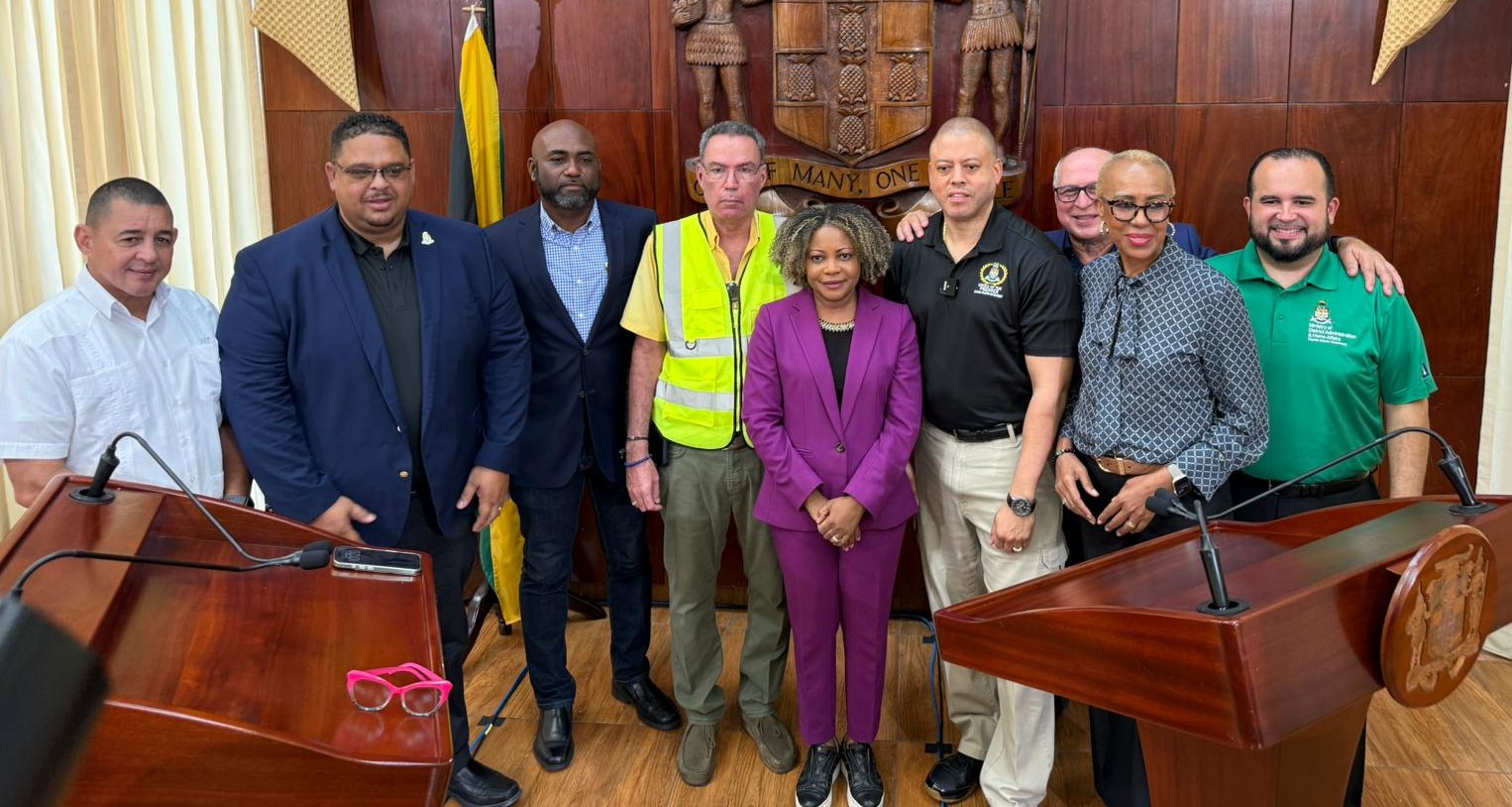
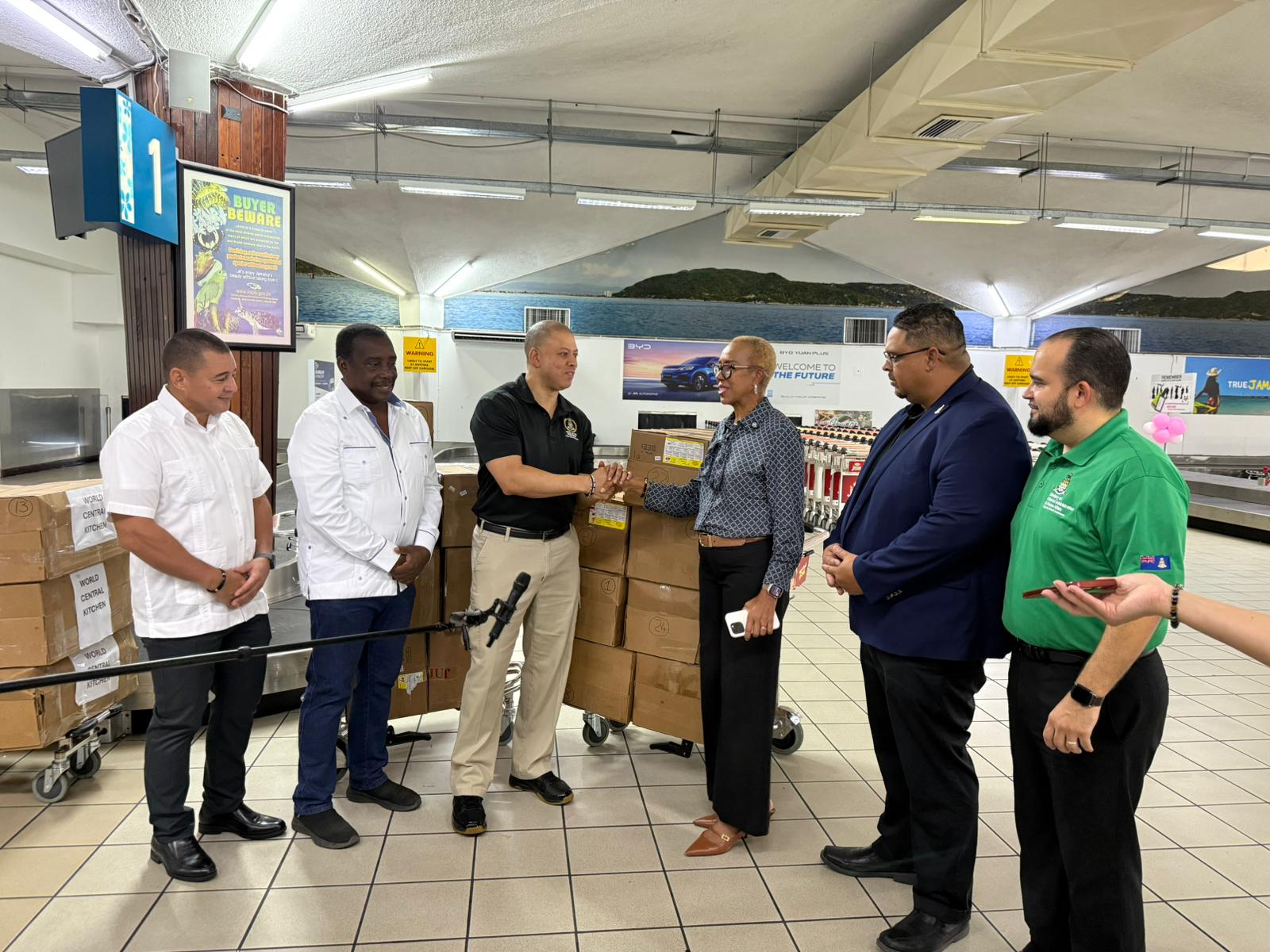
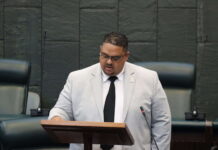
Premier André Ebanks, who flew to Jamaica early on Thursday morning on the first relief flight into Kingston airport, brought US$200,000 of essential supplies and pledged a further US$1.2 million in aid, saying, “Cayman stands with Jamaica.”
Caribbean neighbour
Speaking at a press conference in Jamaica, Ebanks said, “The Cayman Islands has a deep heritage and history with Jamaica.”
He added, “We have had our own experience with Hurricane Ivan and Jamaica was there for Cayman, so we pushed aside our usual state business and got on the first flight that we could, to pledge our support.”
Thousands of people have been left without homes or power on the island, while in some of the worst-affected areas, emergency services are having to cut their way through blocked roads on foot to reach residents.
Jamaican government minister Dana Morris Dixon described the scenes as “devastating”, saying “There are entire communities that seem to be marooned and areas that seem to be flattened.”
Worried Caymanians have spent days trying to contact friends and family members living in Jamaica after Hurricane Melissa caused devastation across the island.
The Category 5 hurricane made landfall on Tuesday, 28 Oct. and wreaked havoc on roads, buildings and utility networks, cutting phone lines and leaving much of the island without power.
Half a million without power
After the all-clear was sounded, energy providers have been hard at work restoring the network, including eight major hospitals and Kingston’s Norman Manley International Airport, which had been left without power.
However, almost half a million people were still without power by the end of Wednesday. Telecoms coverage was also severely impacted, but engineers were hard at work trying to install the Starlink satellite-based internet system to provide broadband coverage for key communications.
The Jamaican government said that restoring the phone networks was a priority.
Energy minister Daryl Dax said in a press conference on Thursday morning, “We all know how important communication is in a time like this. There are people who have still not been able to make contact with their families, their loved ones, their friends and road access is still impossible. So you can imagine the deep, deep sense of worry that is widespread across Jamaica.”
Cayman Airways among first relief flights
All three of the island’s international airports are now open for relief supplies. The Kingston airport resumed commercial passenger operations on Thursday morning and the Ian Fleming International Airport in Ochos Rios and the Sangster International Airport in Montego Bay were expected to restart commercial flights soon.
The first plane to arrive on the island after Hurricane Melissa was the Cayman Islands relief flight containing vital supplies from organisations including Hazard Management Cayman Islands and the Health Services Authority. On the flight with the premier were government ministers Jay Ebanks and Nickolas Da Costa and Opposition Leader Joey Hew.
As of Thursday, around 13,000 people remained in 521 emergency shelters across the island, down from the 25,000 people who had been housed during and immediately after the storm, as some people have been able to return home.
The Jamaican government has pledged to keep the shelters open as long as they are needed.
Many schools remain closed due to damage or because they are still without power and water.
International agencies such as the Red Cross, UNHCR and Rotary have been raising funds for the disaster relief effort, as has the Jamaica government via its Support Jamaica appeal.
However, the Jamaican government warned that at least 28 websites worldwide have been fraudulently pretending to be official government channels collecting donations in the aftermath of Hurricane Melissa and told people to only use official channels.
Casualties
The known death toll in Jamaica from Hurricane Melissa as of noon Thursday stood at five, but government minister Desmond McKenzie says he expects it to rise as more information feeds through official channels.
“What I will say is, there has been causalities and, based on our information, there will be more,” he said.
At least 25 people have died across Haiti and 18 are missing, Haiti’s Civil Protection Agency said in a statement on Wednesday. Twenty of those reported dead and 10 of the missing were from a southern coastal town where flooding collapsed dozens of homes. Cuba has yet to report any storm-related deaths, but the area in and around Santiago de Cuba, the country’s second largest city, is understood to have experienced widespread destruction.
As of Thursday afternoon, Hurricane Melissa was heading northeasterly as a Category 2 storm in the direction of Bermuda, which is under a hurricane warning. It is then expected to pass close to Newfoundland, Canada, early Saturday morning.
Related Videos








I’d like to know on what basis Premier and CIG have chosen Jamaica over Cuba and Haiti.
Why won’t they also stand in solidarity with the people of Cuba and Haiti?
Why do Premier, ministers, government officials and personnel from Hazard Management Cayman Islands ALL have to fly to Jamaica?
It is not common for high-ranking government officials, such as a Premier or ministers, to personally deliver humanitarian aid supplies to a disaster zone.
The actual physical delivery and distribution of aid (food, water, shelter kits, medical supplies) are normally handled by professional, specialized personnel.
High-ranking officials usually focus on allocating funds, coordination and oversight.
While a minister or a premier might be present at an airport when aid supplies are being loaded or a plane is arriving for a photo opportunity, they rarely engage in the direct, personal delivery to individual victims on the ground. Their involvement is strategic and political, while the operational work is left to the professionals.