

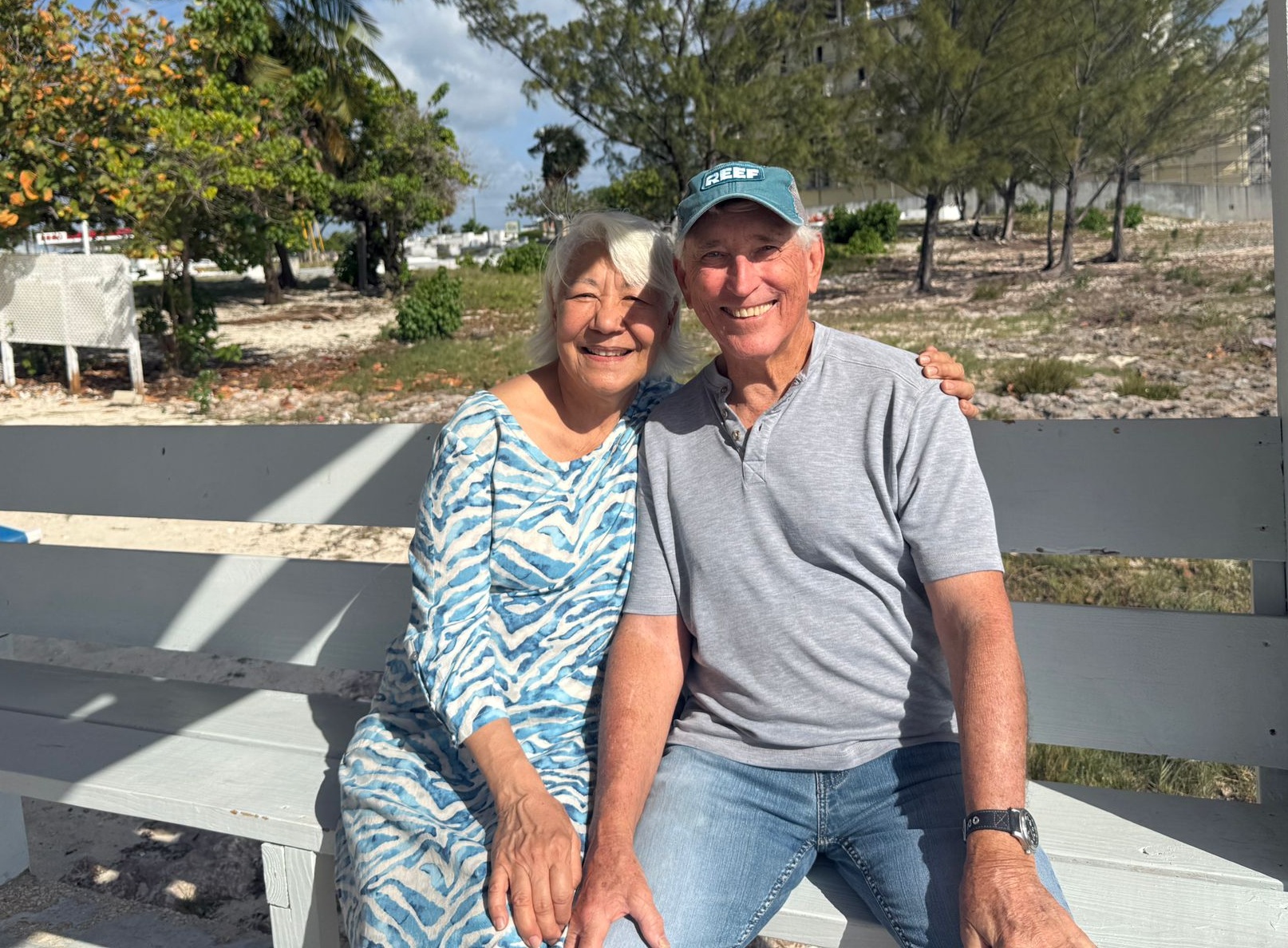
Two special visitors explored Cayman waters this month, continuing to spot and document the unique marine creatures that exist here.
Ned DeLoach, one of the authors and photographers behind the ever-popular Caribbean fish identification books that one can find on most local divers’ bookshelves, and his videographer wife Anna returned to Cayman for a week-long visit to dive and film and photograph the underwater world.
Cayman has played a pivotal part in the scientific identification of fish and other marine species over the years, said Ned in an interview with Compass Media.
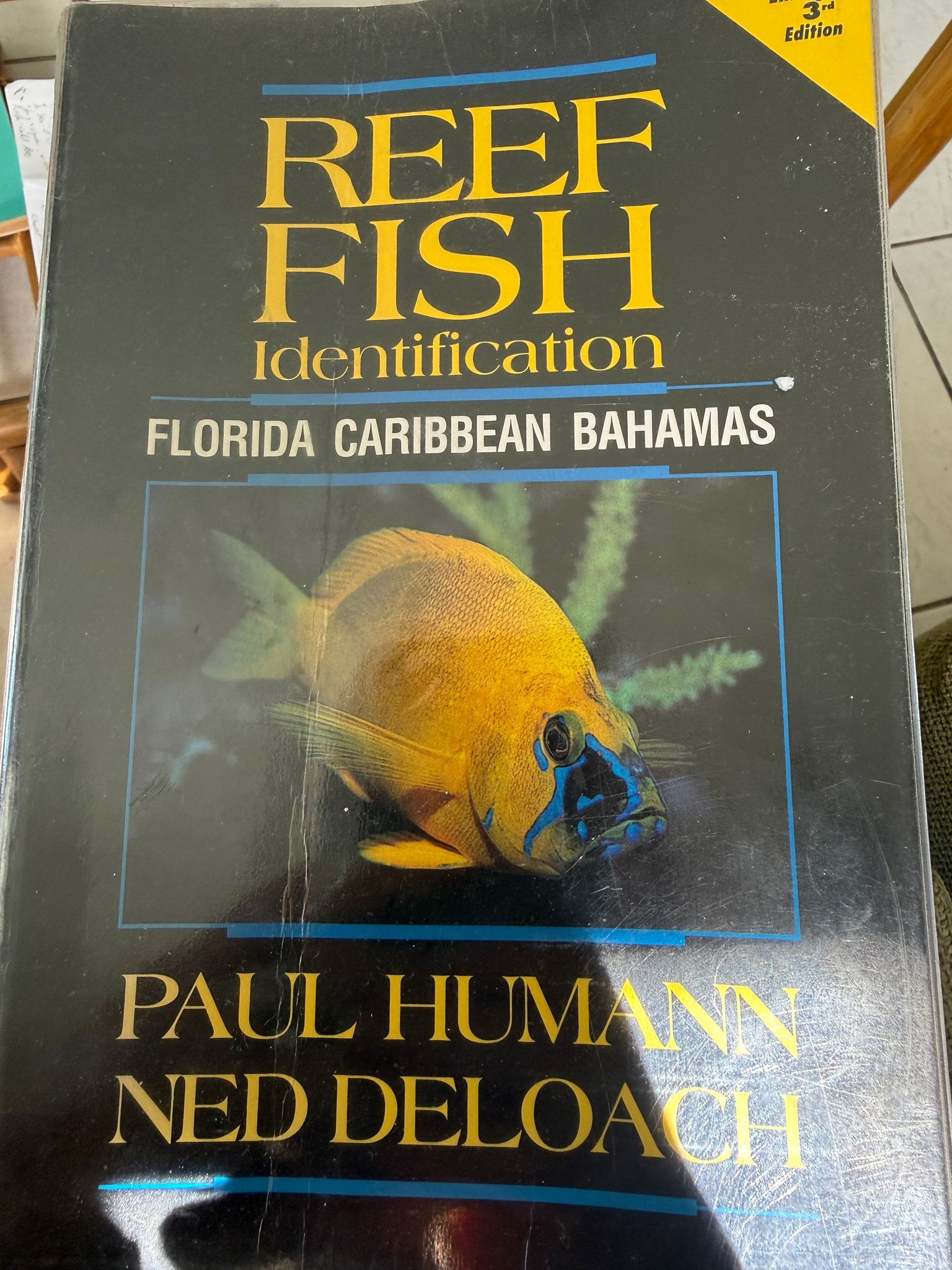
The DeLoaches have worked with the late Paul Humann, who co-authored the fish ID books and who from 1971 operated the Caribbean’s first liveaboard boat, the Cayman Diver since the 1980s. They are also connected to Cayman through the Reef Environmental Education Foundation, or REEF, which is one of the bodies behind the annual Grouper Moon project on Little Cayman.
Many of the fish, creatures and coral featured the ID books were photographed in Cayman waters.
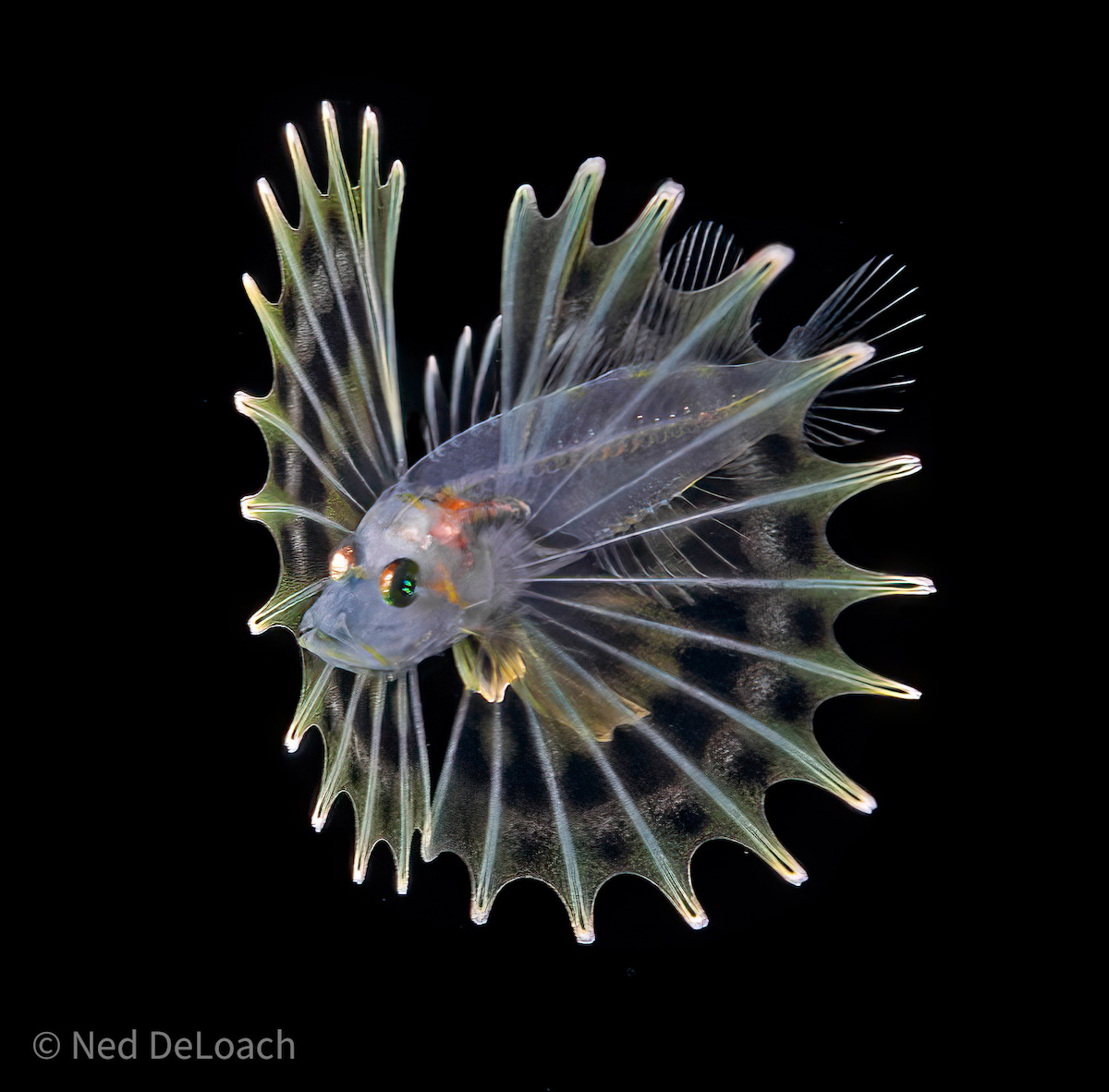
The couple was most recently in Cayman taking part in ‘blackwater’ dives with Sergio Coni at Don Foster’s Dive, diving in the open ocean at night to film and photograph tiny larval deep-water and reef creatures.
“We feel like we have a history here, because of Paul, and because of REEF and the Grouper Moon Project, and then coming here and diving with Sergio. We’ve dived with other operators here before, too. The blackwater is really fun for us right now … so we know we’ll come back,” said Ned.
Whether diving in the open sea at night with the abyss below or during the day floating above a coral reef, he says “there’s still a natural history that hasn’t unfolded yet”.
He added, “I say all divers are explorers, and they can’t find a better place, a more convenient place, and with such a long history as the Cayman Islands.”
The DeLoaches have been doing blackwater diving for several years, often in Hawaii and off West Palm Beach. They tried out the blackwater dives in Cayman back in 2022, along with some fellow photographers and marine scientists.
“Like I always say – this is a natural history we only know about a nickel’s worth of, because, recent generations … are the first to be able to actually go freely swim with these fishes and observe them and their behaviour,” Ned said.
He said fish observation is “really kind of our true love”, and he and Anna produced a book reflecting that – ‘Fish Behaviour: Caribbean, Florida, Bahamas.’
“And that kind of leads to really why we’re here, because we are studying the larval phase of reef fish,” he said. “Most people, even some seasoned divers … though they see all these beautiful fish on the reef, they don’t realise they have two-part lives. The first part, they’re spawned on the reef … and develop into larva in the open ocean.
“We still don’t know exactly why this dynamic works, but we think it’s mainly to get away from the hungry mouths on the reef.”
He added, “What is so wonderfully remarkable, is these guys, … a lot of them, try to imitate jelly plankton, jellyfish, with tentacles and all kinds of spangles and elongated fans. … For photographers and videographers, this is just a real new frontier for us.”

Citizen scientists
Anna, who serves on REEF’s board of trustees, says the citizen science work that the organisation carries out has informed the marine scientific community for years. This includes its flagship programme, the Volunteer Fish Survey Project, which has 17,000 volunteers worldwide and has 320,000 surveys in its database.
In fact, while in Cayman and not blackwater diving, she and Ned have been carrying out their own fish surveys.
“We have a survey group coming here in the next year,” she said. “Last week, we had a reef survey trip on Cayman Brac. You can come with a group, sign up for a trip, and then you get a lot of mentoring and teaching. Or you can just start on your own. …
“You don’t have to know 200 or 300 fish. You can just start with 10 fish you know and learn how to identify them and survey them.”
The data gathered by the underwater survey takers is used by “marine park managers, by policy makers, by scientists”, Anna said.
Anyone interested in finding out more about the citizen science underwater surveys can visit reef.org.
Related Videos






