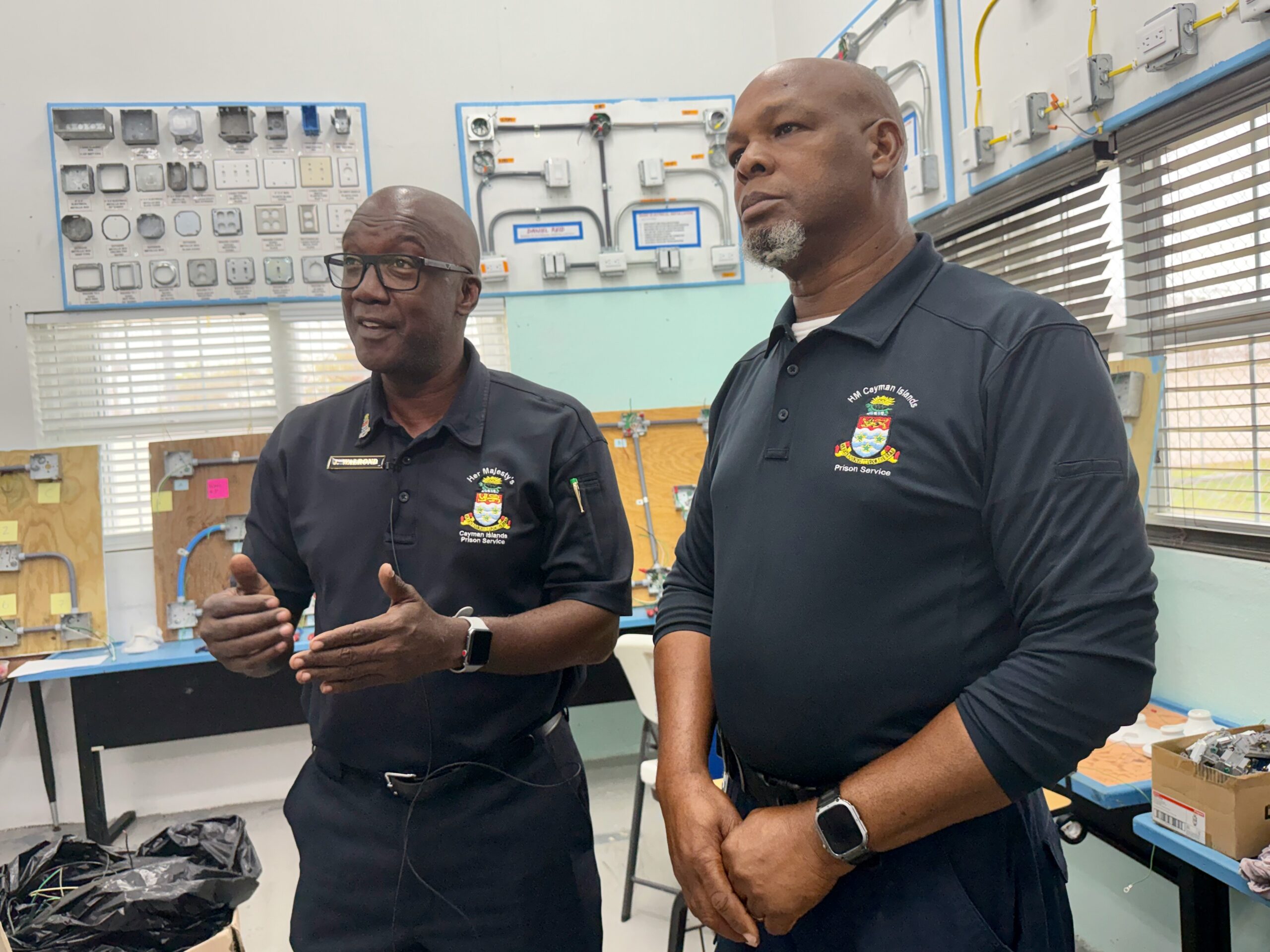
There’s a line James Walrond hears a lot from the inmates that come through the vocational training programme at HMP Northward.
“Why did I have to get a prison number before I could get a City and Guilds certification?”

For many, says vocational supervisor Walrond, the prison’s training programmes offer a first chance, not a second.
One of the ironies of the decrepit state of the prison plant is that it affords multiple opportunities for inmates learning trade skills to get practical experience fixing the cell blocks that hold them.
Prisoners have rewired cell blocks, fixed plumbing problems and built some of the furniture.
Northward’s vocational training centre – a neat pale blue building on the far side of the prison compound – is a serious facility.
Inmate Council chairman Canover Watson calls it “a first-rate operation”.
Electrical, plumbing, carpentry, HVAC, auto mechanics and agriculture are all taught on site, and inmates can obtain qualifications accredited by City and Guilds and internationally recognised.
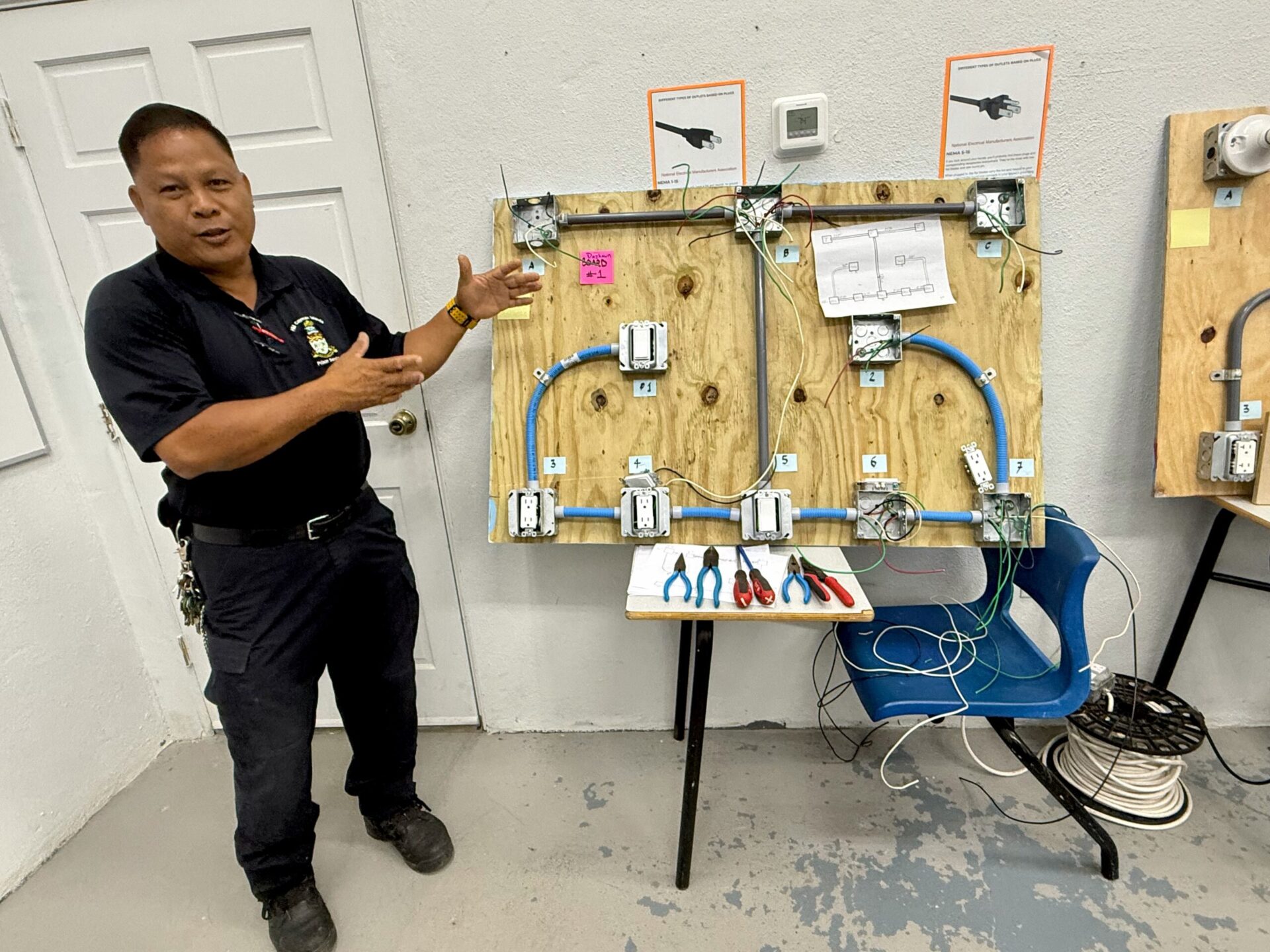
In the electrical classroom, a group of inmates work through the theory of wiring circuits. On the wall behind them, a purpose-built training panel displays junction boxes, conduit runs and wiring components, constructed by prisoners themselves.
One of the students gestures at the ventilation work overhead.
“You see the vents? We did that,” he says.
The same group assisted with electrical work on one of the cell blocks.
“Prisoners do internal work on the infrastructure, and that has helped us immensely,” said Director of Prisons Daniel Greaves. “It is also an opportunity for them to gain practical skills.”
In the woodshop, carpentry instructor Marlon Watson supervises inmates working on picnic tables and domino boards for public parks and community centres across the islands.
Watson says clients are consistently impressed with the quality of the work.
The inmates, he says, notice the reaction.
“They feel their worth, that their work and their labour doesn’t go in vain.”
A glimpse of freedom in the prison farm
Outside, acting supervisor Austin Williams rolls back the chain-link fence that separates the vocational centre from the prison farm.
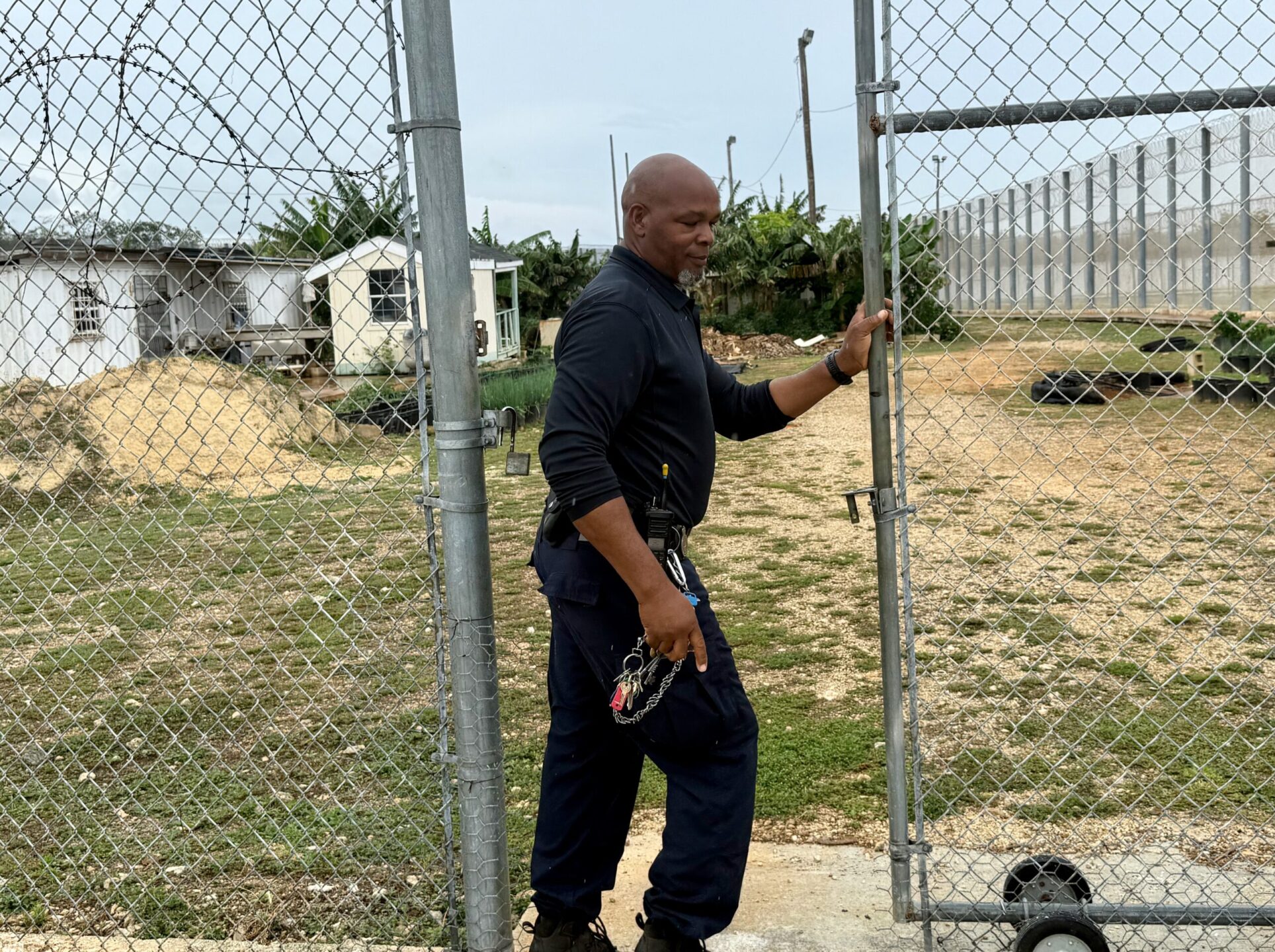
Lush greenery and rows of tomato plants surround the dilapidated outbuildings beyond. Inmates grow fresh produce for the prison kitchen and for sale to Foster’s, Hurley’s and Kirk supermarkets.
Northward’s kitchen has stopped buying scallions from grocery stores entirely because its farm now delivers around 90 pounds a week, three times a week, year round.
One former prisoner, Williams says, is now running a large commercial farm in Jamaica, growing produce for hotels and supermarkets, using techniques he learned on this patch of ground.
Williams describes the farm as a therapeutic unit, as well as a productive one.
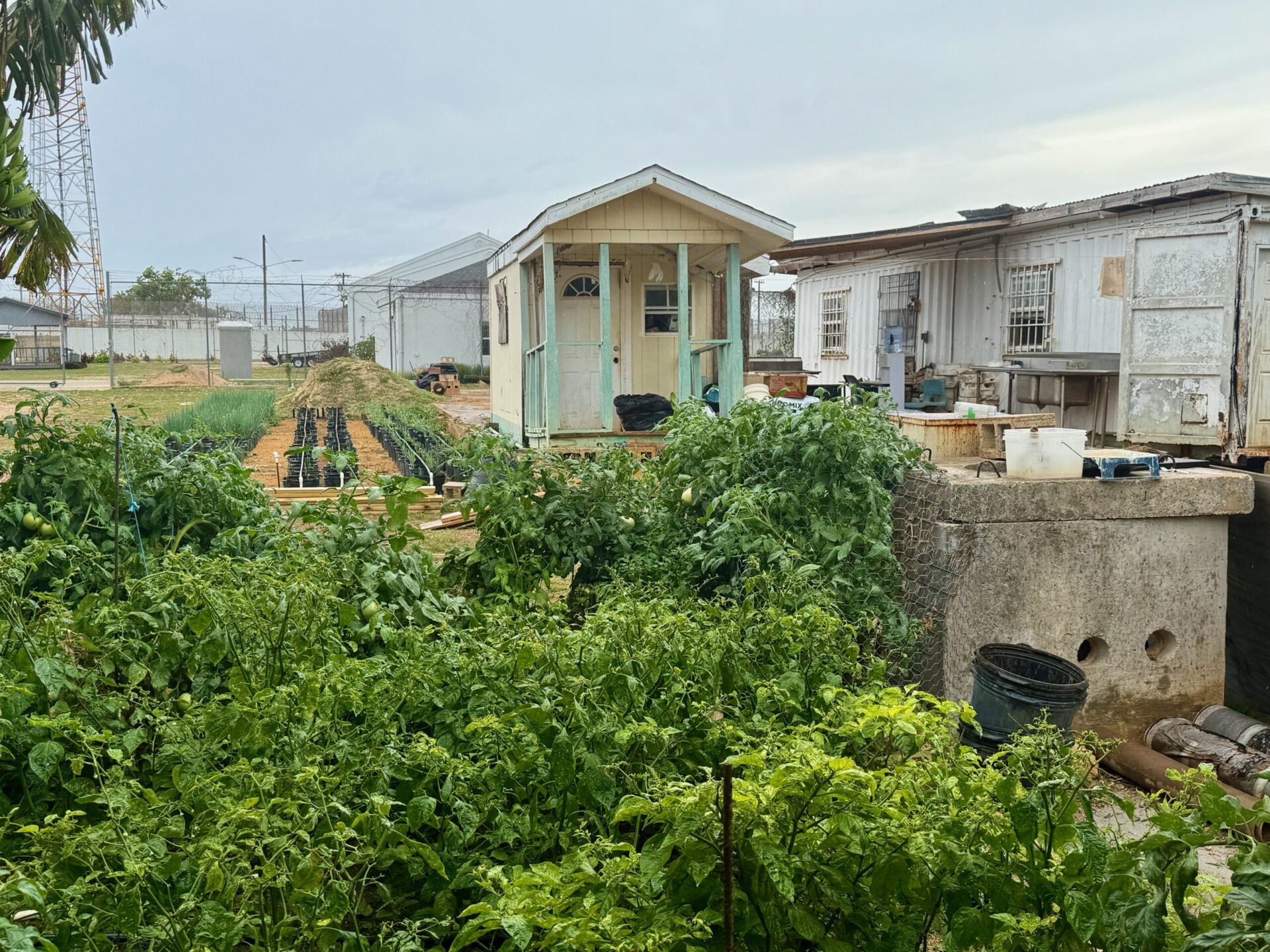
“Once they come through that gate, it’s like they completely forget about prison life. Here, they get to plant things and watch them grow, watch it produce, and they get a good feeling from it.”
For many inmates, a first chance to learn
For many of the men who come through the vocational centre, it represents something the outside world never offered them.
Vocational supervisor Walrond says it is motivating for staff to give inmates, no matter what they have done, a different kind of opportunity in life. He said the only certificate one of his students had ever received prior to this was his birth certificate.
He had no school qualification of any kind until last June, when he collected his electrical certificate in the chapel at graduation.
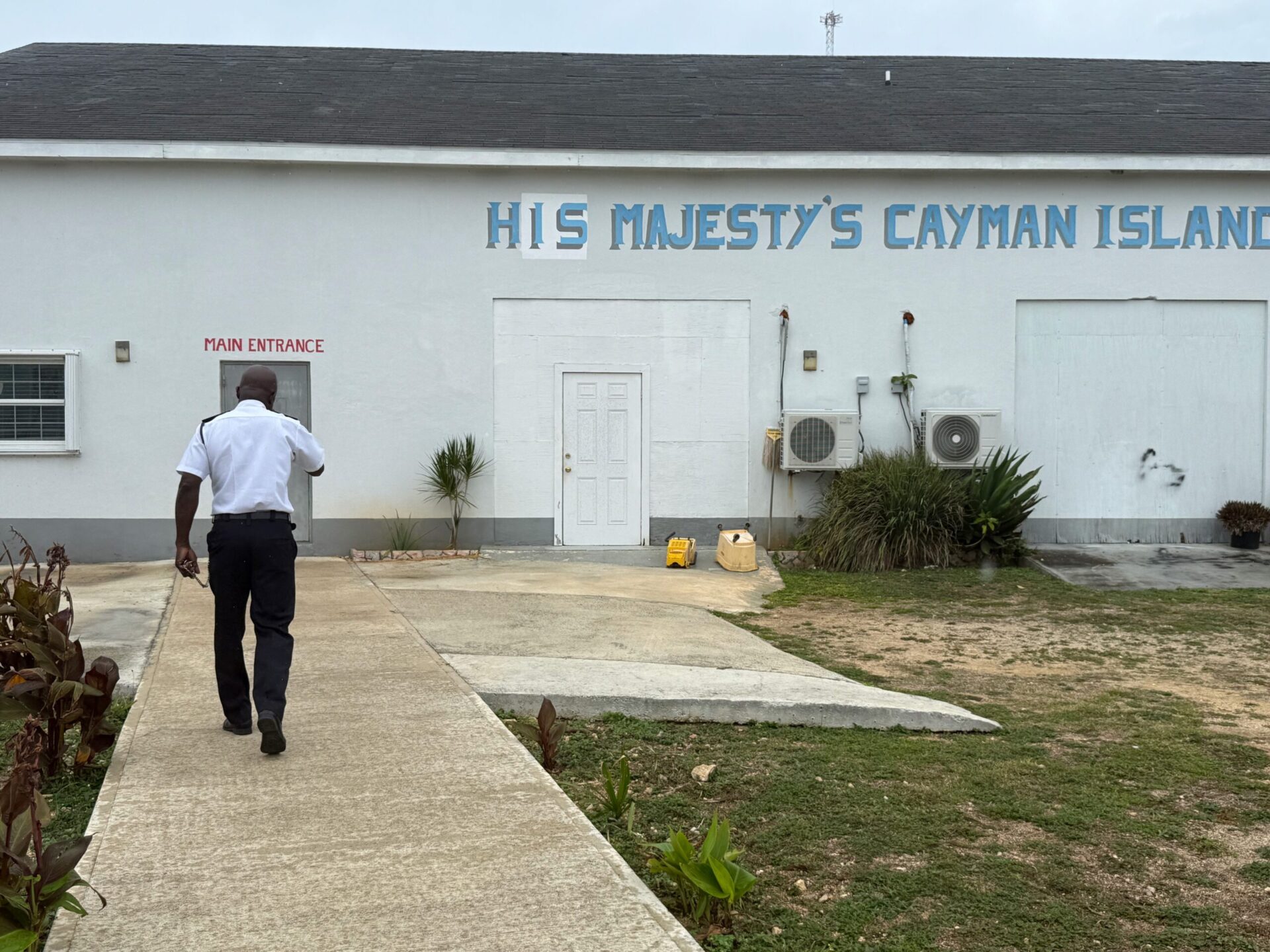
Some needs are more fundamental. A 2017 prison-wide literacy assessment, the most recent conducted, found that 73% of prisoners were functionally illiterate on arrival.
Education supervisor Tamar Barclay, who has spent years teaching reading and writing inside Northward, says prison can be life-changing for those people.
She recalls a prisoner who arrived unable to read a single word. He was on a routine hospital escort, passing Foster’s supermarket in George Town, when he was able to make out the sign for the first time.
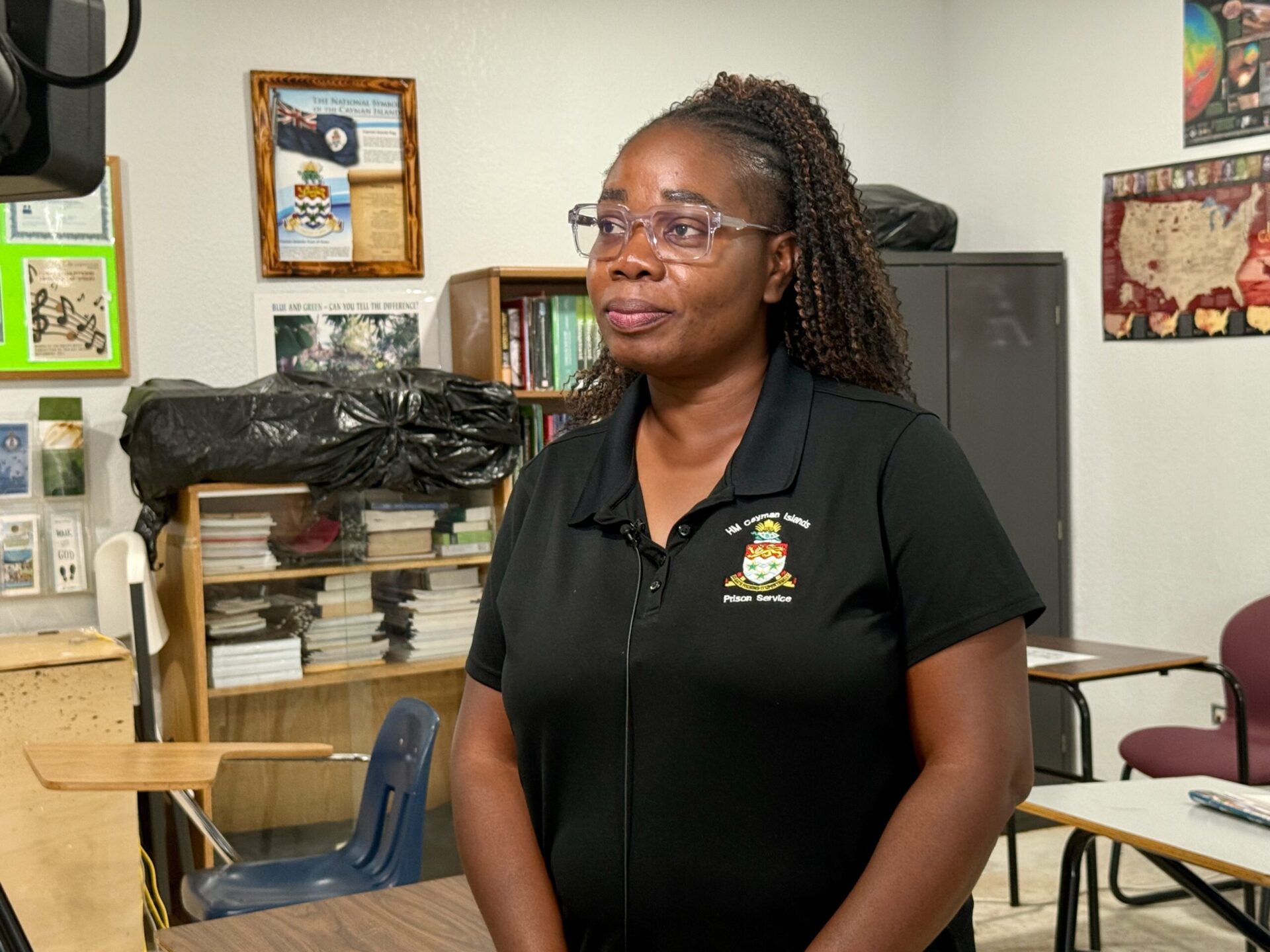
“He came back to the class and told us,” says Barclay. “He said, ‘Miss, I was not even able to read the word supermarket, and I go to the supermarket every day.'”
Research, she said, shows a consistent link between illiteracy and crime. Educating prisoners is one way to help make Cayman safer.
“If we are able to fill that gap, then, yes, it is a public safety service we are providing,” she said.
For the staff, the success stories are what sustain the work.
Keehon Moore, who runs the prison’s reintegration programme, said he has been sent wedding photographs and baby pictures by men who have come through the programme and come out the other side.
He can always tell when its a former inmate calling out to him in the supermarket.
“Once you hear ‘Mister’,” he says, “you know.”
Inside Stories is a multi-part series looking at the conditions in Cayman’s prison system. Look out for more stories in print, online and on television.
Related Videos