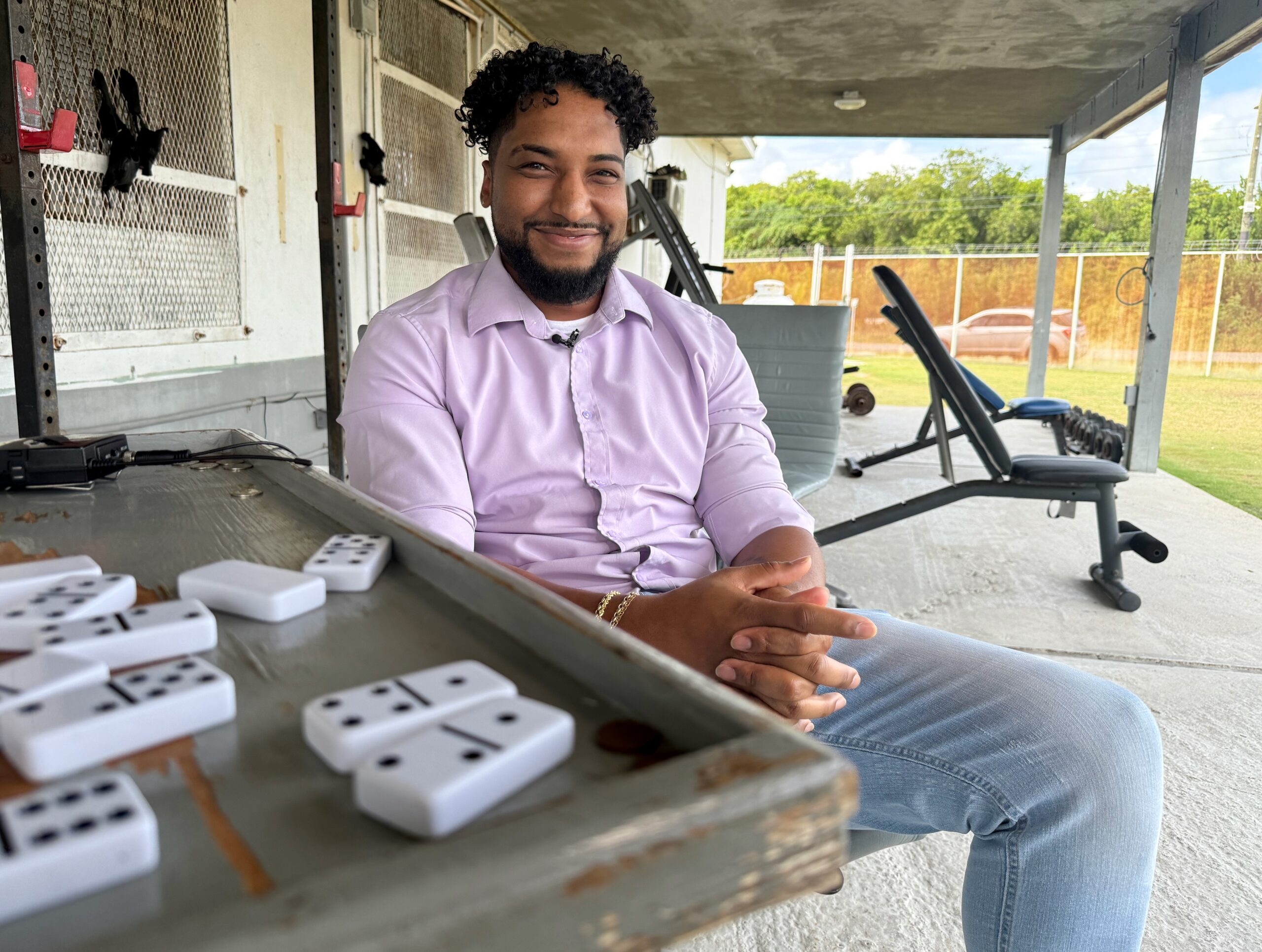
Kesley Ebanks knows he is one of the lucky ones.
He has been through almost every cellblock at HMP Northward from the remand section, through the narrow corridors of Bravo wing, to a first taste of limited freedom on the lower security Foxtrot block.
Now, as he sits across a dominoes table at the Enhanced Rehabilitation Unit, his blue prison uniform replaced by the freshly ironed shirt he wore to work that morning, he wonders if the next step might be the hardest yet.
“The biggest concern is acceptance,” he said.
“Once you’re through the system, you’re basically labelled. Going into the community, sometimes society doesn’t really accept you fully.”
In 2021, Ebanks was involved in a collision that resulted in the death of a woman. He pleaded guilty to causing death by dangerous driving.
“It’s something I have to live with for the rest of my life.”
As he approaches release, he has been rehired by his former employer.
“Cayman National has been incredibly supportive throughout,” he said.
“They provided counselling and mentorship to help me cope following the accident and its tragic outcome. In addition, they played a key role in my reintegration into society by offering me the opportunity to return to my job.”
He’s aware that not everyone gets that kind of chance. But he would like to see more inmates get opportunities for employment before they leave the prison.
“Anyone can end up in Northward,” he says.
“It’s not something I would love to go through again, and I wouldn’t recommend it for anyone, but there’s always light at the end of the tunnel. Anyone who goes through the system should know that.”
He urges more employers to take the chance that Cayman National took with him.
“How can we make change if we don’t give it a chance? Sometimes, you have to take a leap of faith. It comes with a lot of risk, of course, but they just may prove you wrong. All it takes is just a chance.”
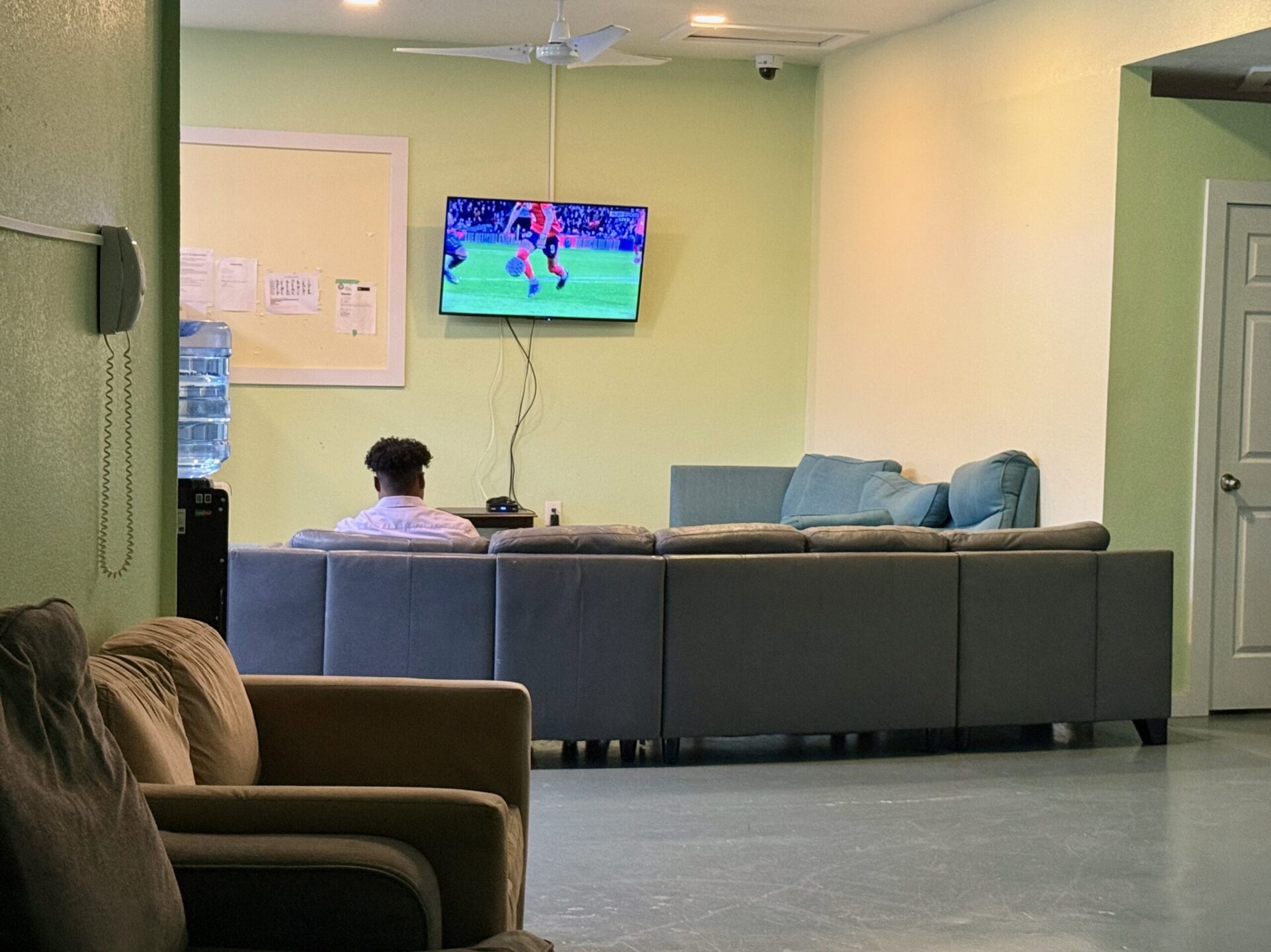
The rehabilitation unit is designed to help give inmates that opportunity. Prisoners remain under lock and key, but in a dormitory-style environment, with shared kitchen space. Football plays on a small LCD television and a rusting set of dumbbells is there for those that want to use them.
Like most of the prisons plant, the facilities are in need of repair. But the atmosphere is calm.
Back to reality
Keehon Moore, acting supervisor in the Re-Entry and Rehabilitation Unit, says Ebanks’ journey is what the Enhanced Rehabilitation Unit makes possible. Right now, 15 men reside in the small unit on a compound off Fairbanks Road.
Of those, 11 are there as part of the formal Release on Temporary Licence programme. They go out Monday to Friday for work, with one day on the weekend reserved for a home visit. Three others were transferred from Northward simply to relieve pressure on the main prison.
The programme provides an opportunity to rebuild finances and relationships before release.
“After being in custody for a while, you might become institutionalised, and many things that we take for granted are struggles for them. When they come to the ERU, it allows them to slowly ease back in,” said Moore.
The criteria for entry into the programme is strict, however, and places are limited both by the size of the facility and the number of employers directly involved.
The missing bridge
The prison’s Inmates Council highlighted vocational training and education as one of the main strengths of the prison, but the transition back to the community is seen as challenge.
Even those who earn qualifications and walk out of the gate with a City and Guilds certificate, the route to steady employment is not always simple.
“There is a breakdown,” says Inmates Council chairman Canover Watson.
“There’s no consistent link between the intake, the skills training, the certification and then work placement post release.
“Taking someone from prison and getting them into a job at a liveable wage has been a big challenge. People end up leaving the prison, not being able to find a job, and going right back into the communities where they came from.”
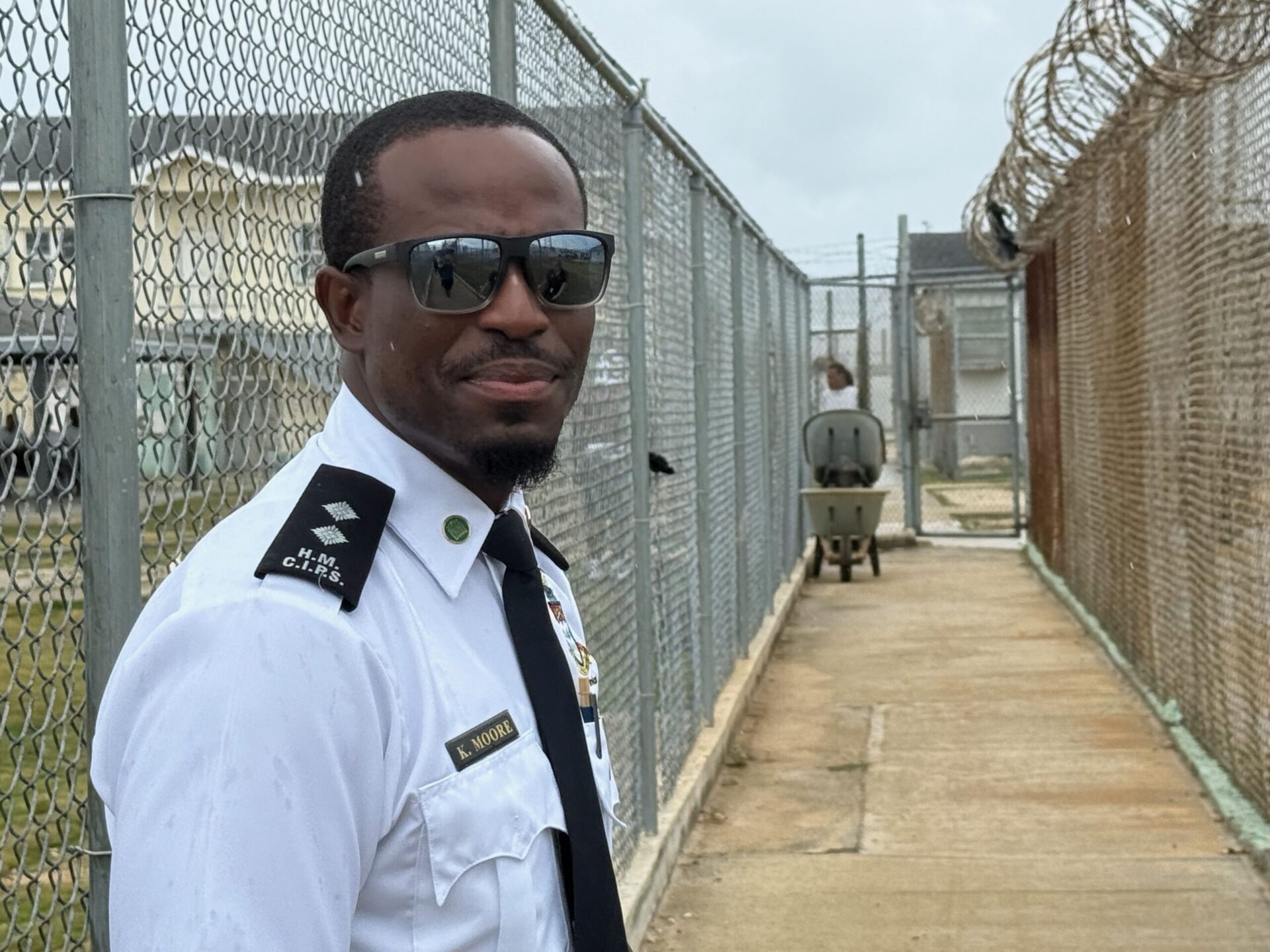
The re-entry team is working with 15 employer partners. Four of those, Moore says, will always say yes when he calls. But the team is stretched across a prison population of more than 250, and resources are limited.
Watson argues this is a community issue, as well as a prisons issue. A lack of halfway houses, social support, jobs support or even general guidance after release contributes to re-offending, he believes.
“The re-entry department needs more staffing that can sit with inmates and work on case plans that translate into jobs,” Watson says.
“The [Department of Community Rehabilitation] needs community officers who can go into the communities, work with the young men who have just been released, make sure they don’t relapse, help them with housing and employment. That’s not happening now.”
Currently, government calculates the recidivism rate at around 20%, based on the number of offenders who are sentenced for fresh criminal charges within two years of release. Anecdotally, the figure is far higher. Long-term inmates refer to “frequent fliers” coming in and out of the prison on a regular basis.
The discrepancy may be down to how the numbers are calculated. There had been no consistent methodology for calculating re-offending rates until the ministry started using the UK formula in recent years.
Positive steps
Moore insists that steps are being made in the right direction. Until recently, bank accounts were routinely denied to anyone with a criminal record, making it impossible to be hired by employers who require one for payroll.
The government minister responsible for prisons, Nickolas DaCosta, credits a working group led by Moore with persuading financial institutions to change that policy.
He wants employers and businesses to take a more forgiving approach to reintegration. Too many, he argues, see only the person that committed the crime, not the changed individual that is coming out of the gate.
Sometimes, he acknowledges, people don’t think in those terms until it impacts them directly.
“If it was a member of our family, if it was a member of our friends circle, every one of them we would consider deserves a second chance,” he said.
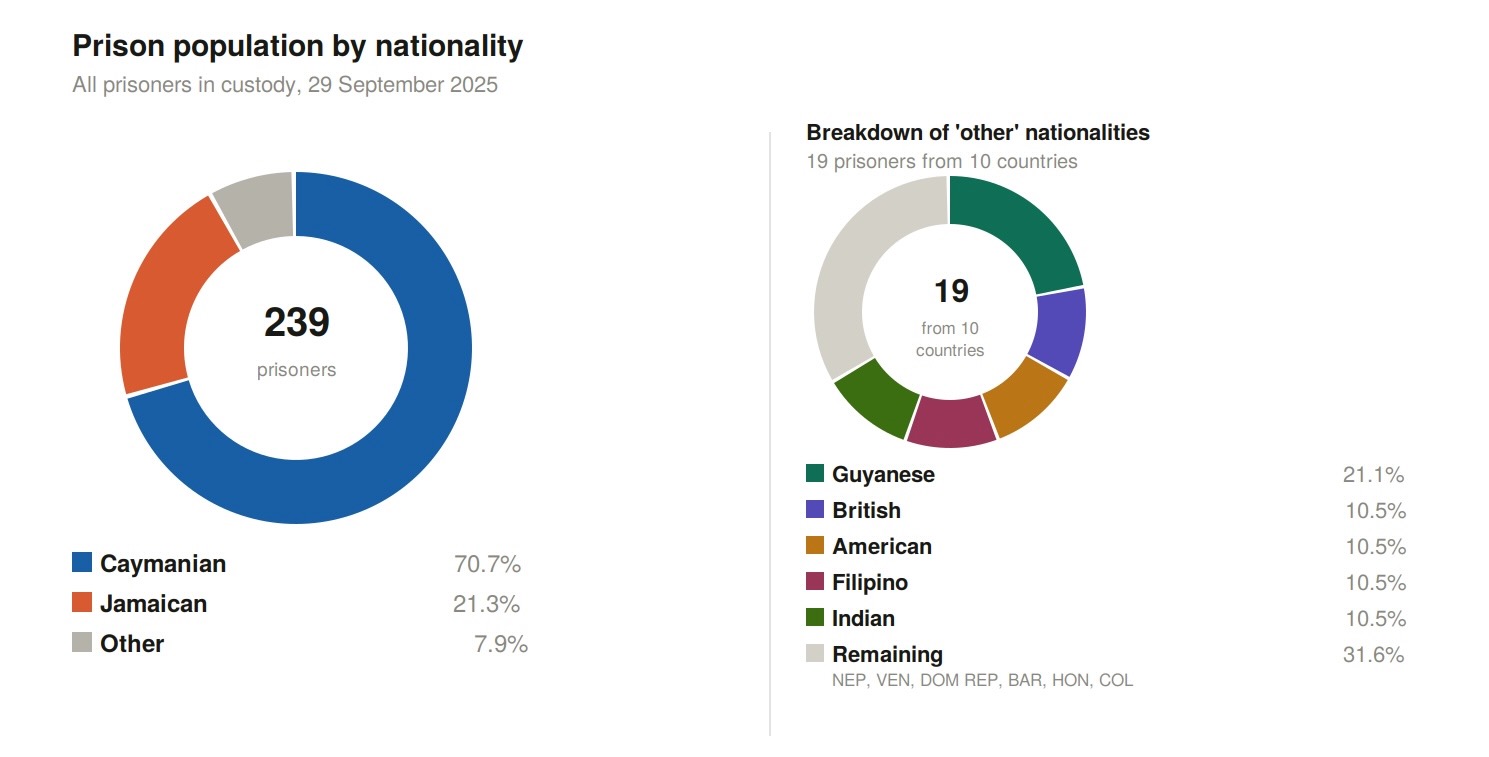
Current data shows more than 70% of offenders in HMP Northward are Caymanian. They will all be coming back out into the community at some point.
Simply from a public safety perspective alone, DaCosta said, it was better to have inmates return to the community with skills, housing and employment.
‘People can change’
For Ebanks, the door to freedom is already ajar. But his support network and offence category, as well as his previous unblemished record, make him a lower risk hire than some other inmates.
His spell in prison has opened his eyes to the level of challenge that others face.
“If you look at the lives of persons who keep going back to Northward, they don’t have that support system,” he said.
“It begs the question, what can we do to help them?
“We need the community to come together to realise that change can happen. People can change.”
Related Videos