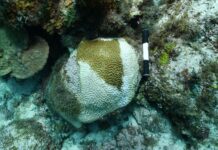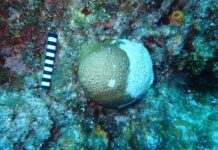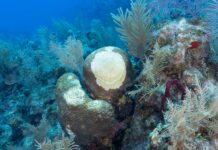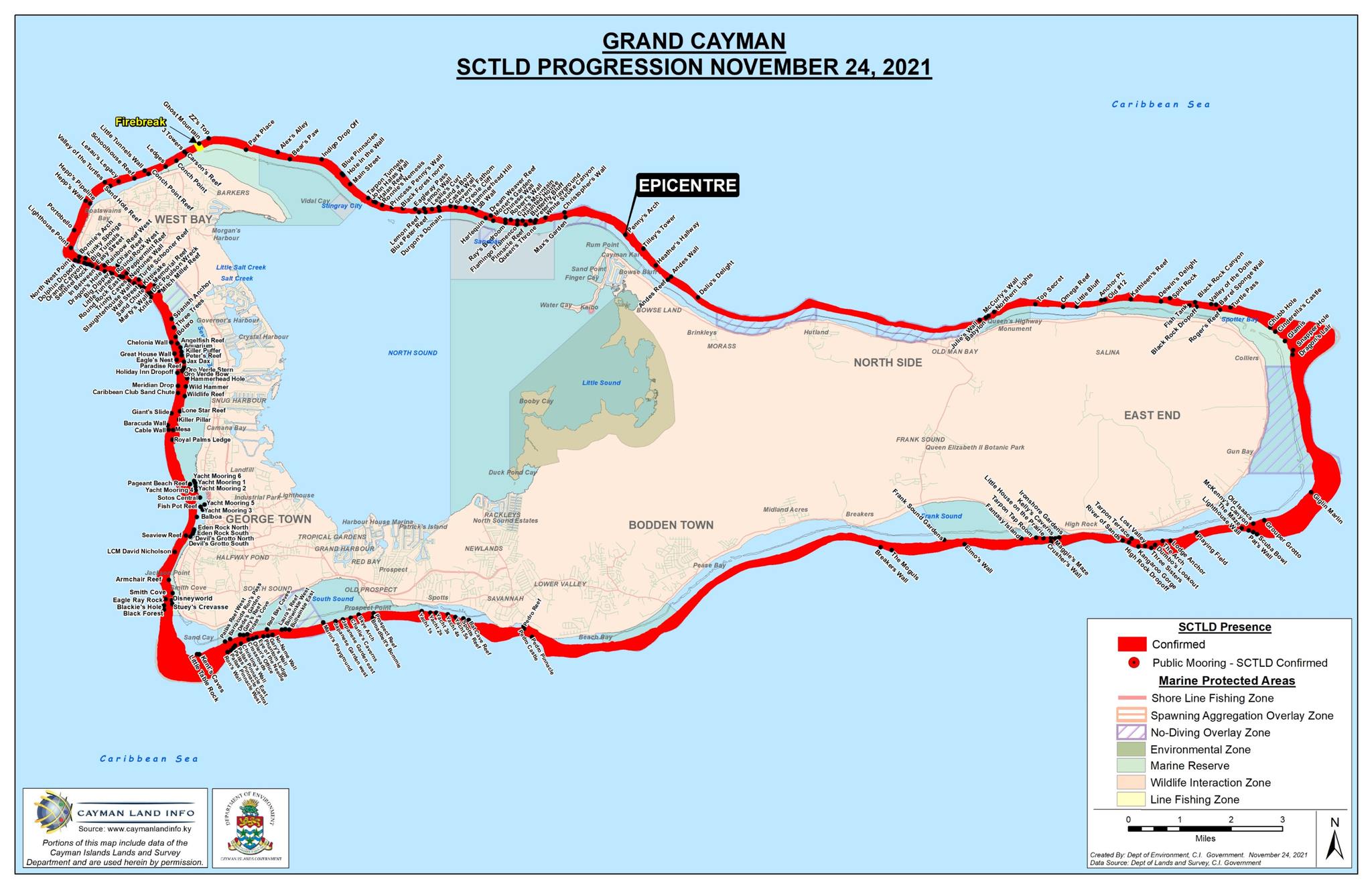
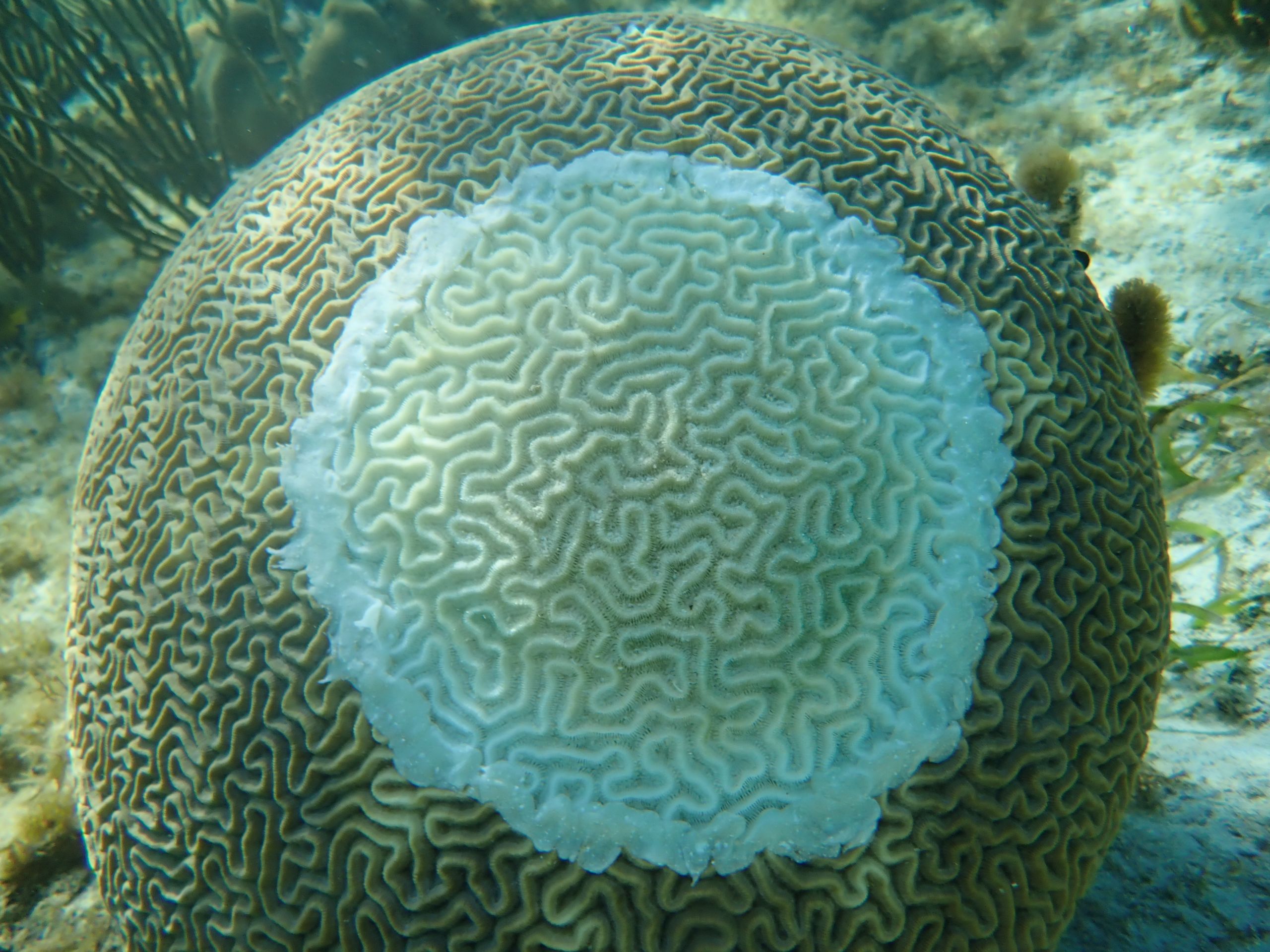
Stony coral tissue loss disease, which is deadly to more than 24 species of hard corals, has now spread all around the coast of Grand Cayman, the Department of Environment confirmed Tuesday.
The latest disease progression map from the DoE’s SCTLD Response Team shows that the last areas that had been holding out, along Seven Mile Beach and Spotts, have now been impacted.
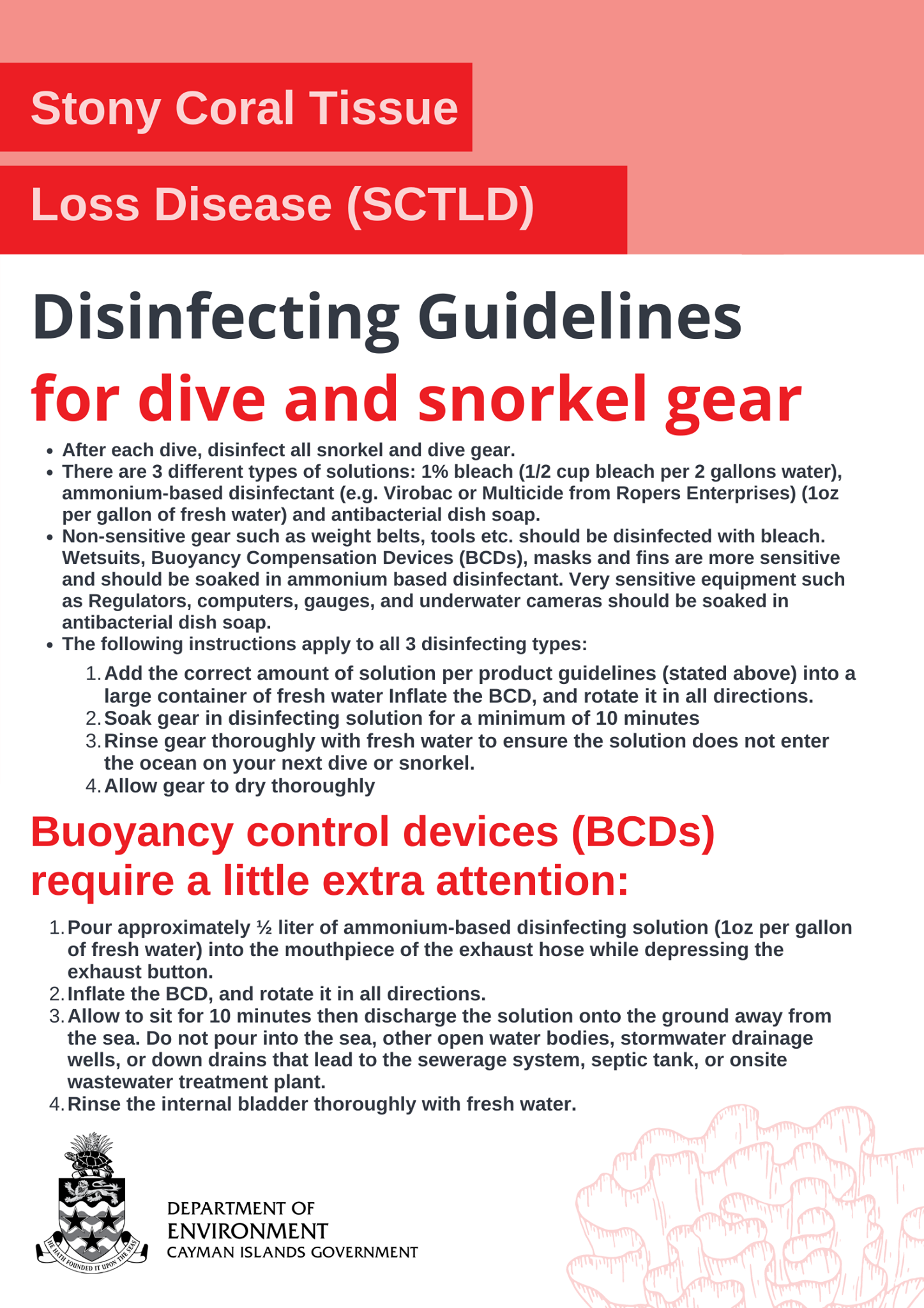
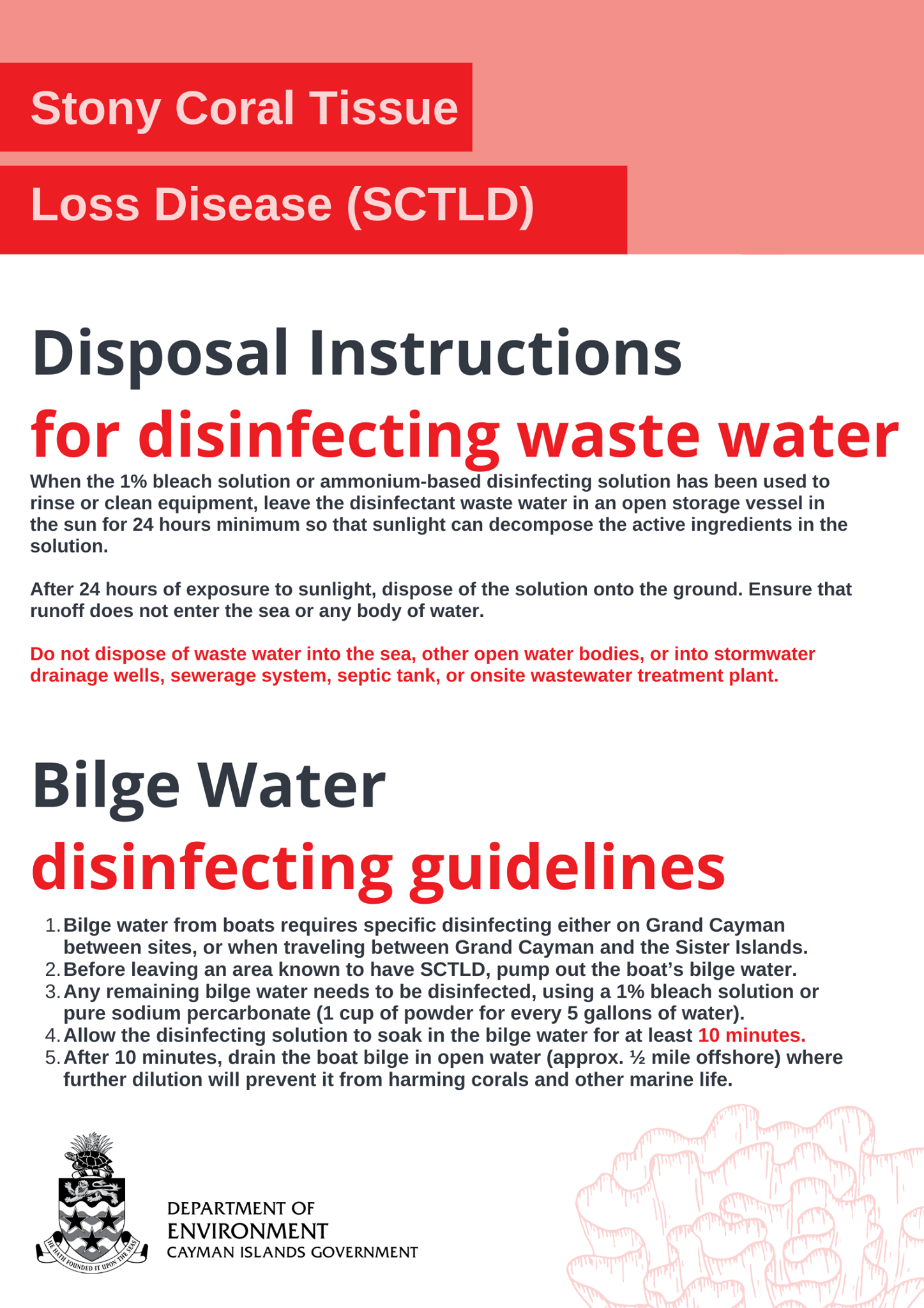
In a statement published on Facebook, the DoE said, “While we agree that this may seem overwhelming, our team is confident that our antibiotic treatments, combined with the community efforts of disinfecting SCUBA gear, snorkel equipment, and boat bilges, IS making a difference!”
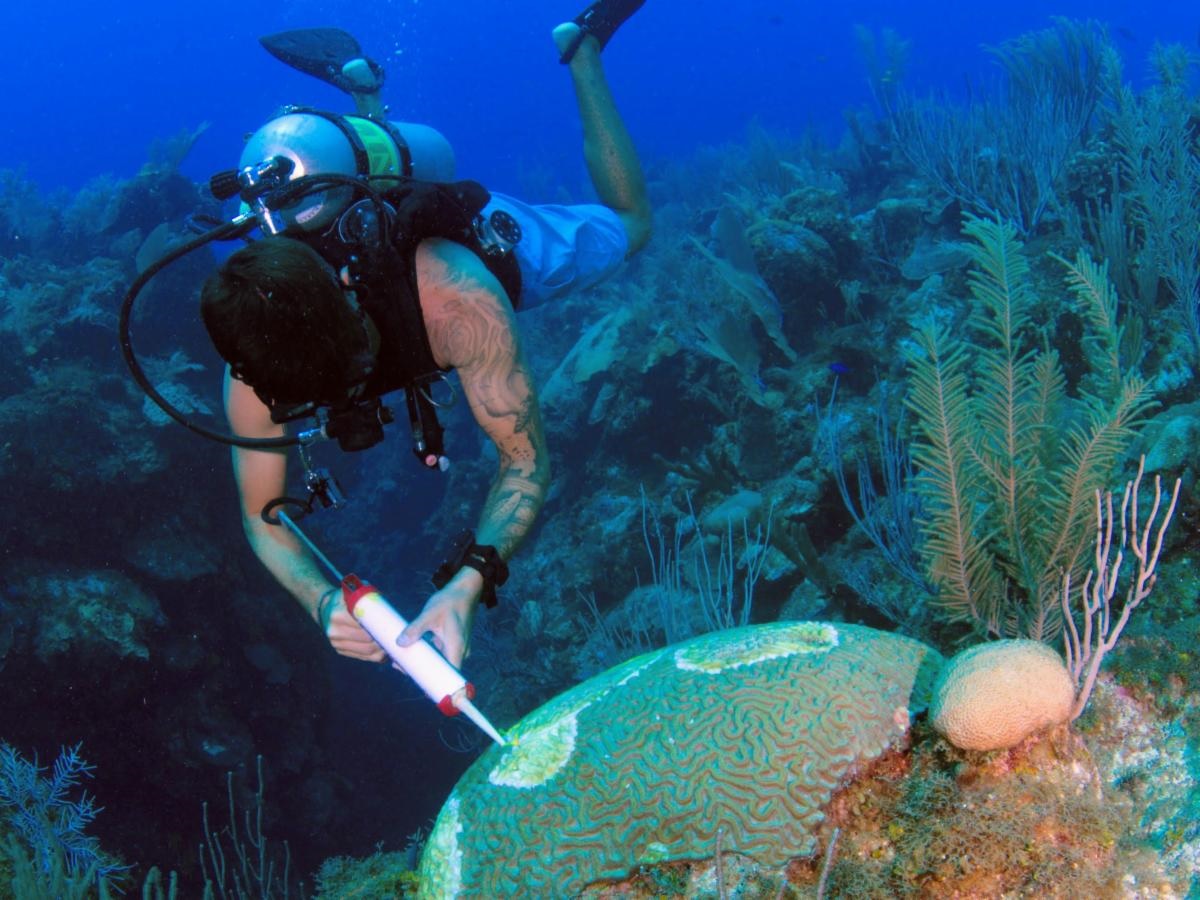
The department noted that there is less SCTLD in the surrounding area with every visibly-infected coral treated and, therefore, less viral load in the water column. The disease has also not been detected in the corals off Cayman Brac and Little Cayman.
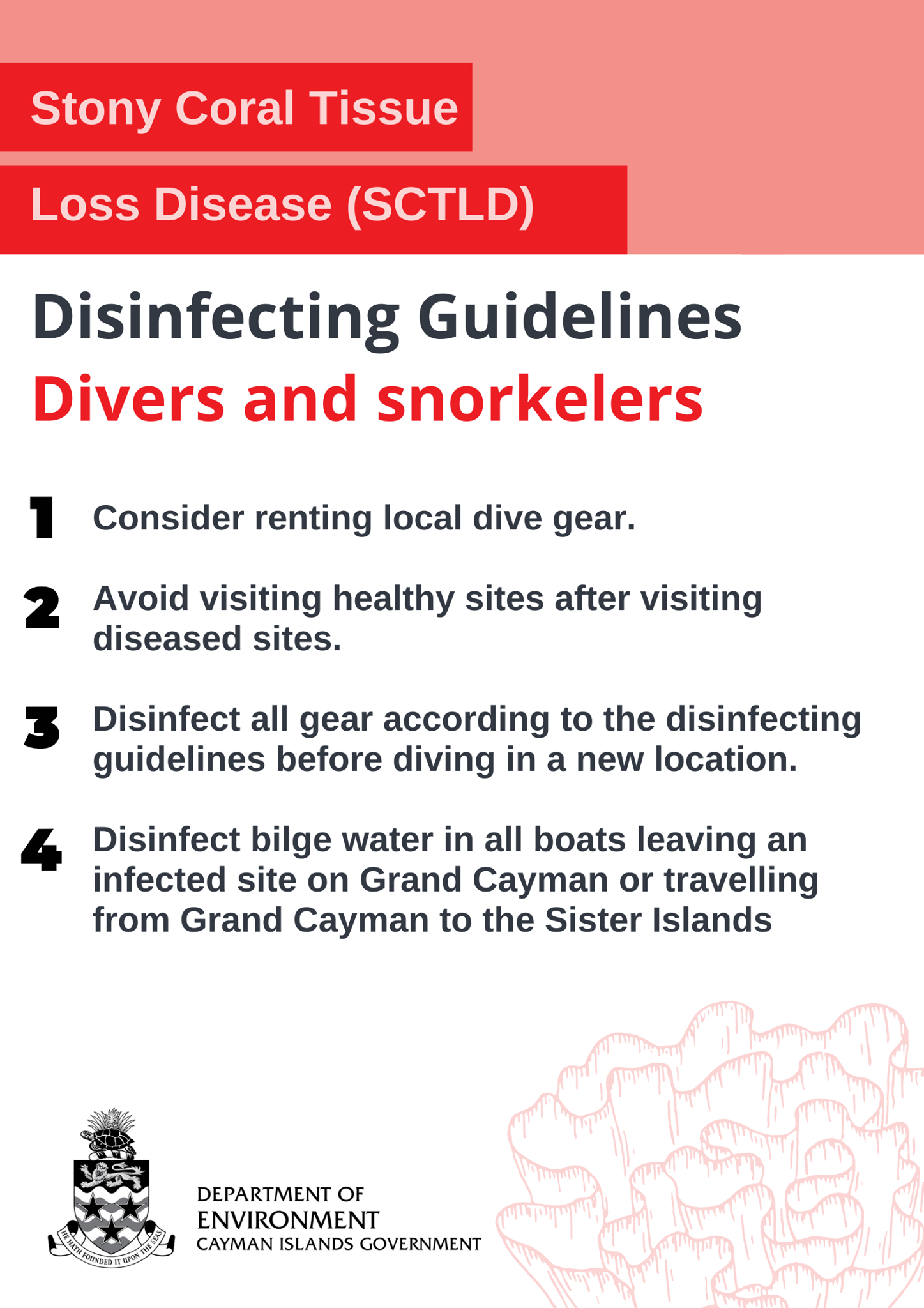
Despite the spread of the disease to new sites, the DoE is continuing to appeal to divers, snorkellers and boaters to disinfect equipment between uses.
“With every piece of dive and snorkel kit disinfected, there is less potential of transferring the disease between dive and snorkel sites which may have a low infection rate of SCTLD,” the DoE said. “With every boat bilge disinfected between sites, there is less disease transmission to more reefs around the island.”
It added that the response team is continuing to use antibiotics on infected corals and conducting research at the sites.
“Without these efforts, we are confident that the damage to our coral reefs caused by this disease would be much worse,” the DoE said. “So while this map may appear disheartening, we want community members to know that our SCTLD Response Team is still working tirelessly to slow the spread of the virulent disease across Grand Cayman’s reefs and that we continue to need everyone’s help in minimizing the devastating effect that SCTLD is having on our corals.”
The disease was first identified off the coast of Miami-Dade in Florida in 2014. Since then, it has spread along the coastline of Florida and to reefs throughout the Caribbean. It was found in Cayman for the first time at Penny’s Arch, off Rum Point in North Side, in June last year, and began spreading in both directions from the epicentre. Within a year and a half, it had encircled the entire islands.
Related Videos