

As the Cayman Islands looks for solutions to escalating traffic challenges, Sustainable Cayman is urging government to prioritise quality of life and environmental protection.
Melanie Carmichael, an executive of the not-for-profit advocacy group, makes the case for footpaths and cycle lanes and investment in public transport as alternatives to building bigger highways.

Do we need a more wholesale rethink of transport rather than simply building roads?
Absolutely. The long-term road plan gazetted in 2005 without a proper needs assessment should be updated to reflect current global trends. We collect traffic data but what really are the most viable potential solutions to alleviate congestion problems which are deliverable, affordable and offer value for money?
Maybe a simple data collection exercise would be to calculate how many cars and people live in each district and what their daily travel requirements are. We assume the congestion is due to the amount of cars on the road but this could also be attributed to bottlenecks such as the Hurley’s roundabout.
I suspect there is more we can do to enforce or mitigate driving offences and traffic accidents.
Fuel costs are about to skyrocket, which will affect the cost of goods and services, even asphalt is an oil-derived product, so alternative solutions for more cost-effective transport will have to be found. We all need to be more carbon conscious in everything that we do, both on a personal and public level.
What other infrastructure should we develop to make Cayman more cycle and pedestrian friendly?
The UN sustainable development goals have clearly identified, that by 2030, countries should try to ensure safe, affordable, accessible and sustainable transport systems for everybody.
There has been a big calling to make the George Town districts, which are heavily populated, more pedestrian- and cycle-friendly.
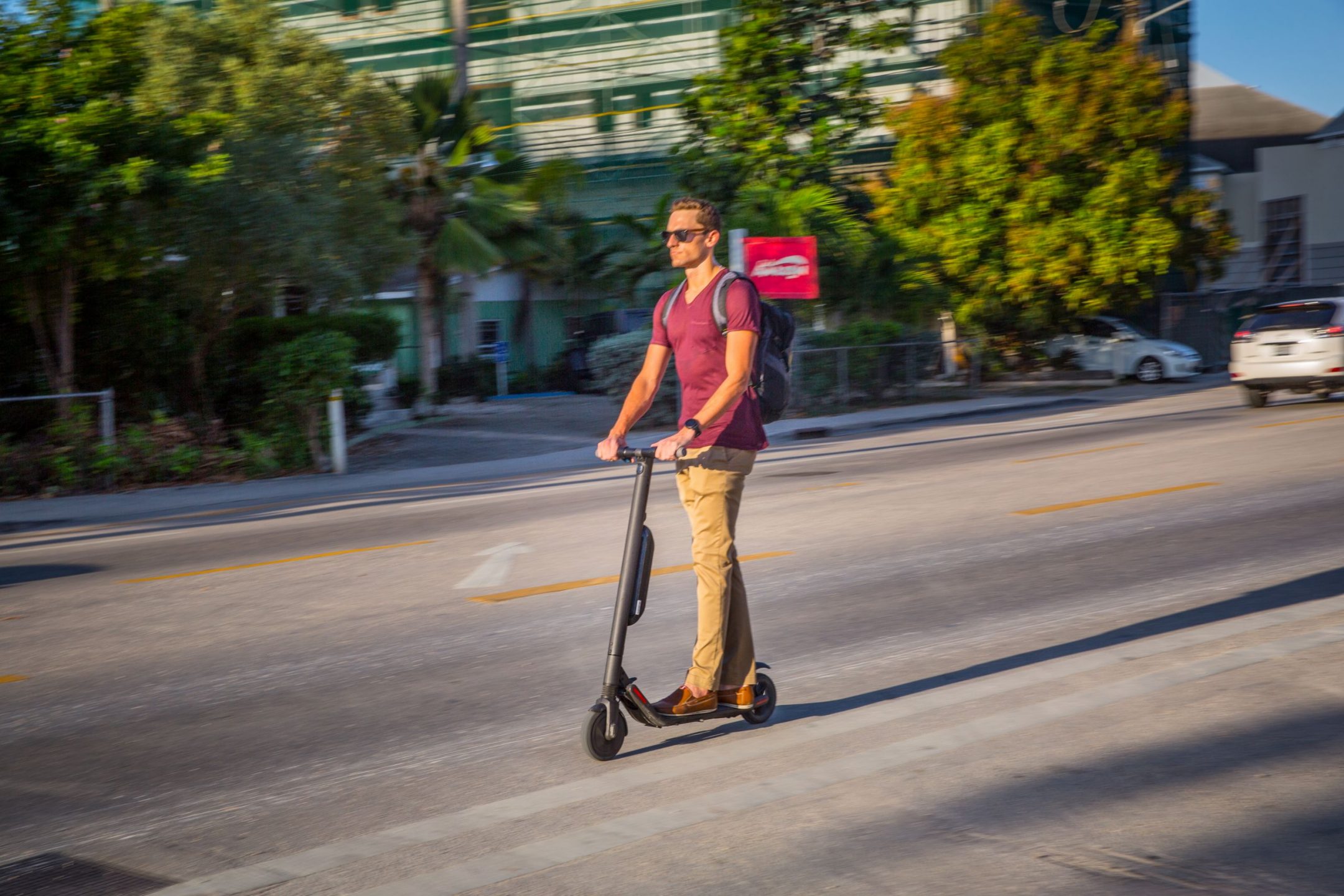
With the increasing popularity of electric bikes and scooters, these are more affordable options and would immediately help to reduce congestion. These modes of transport also provide additional benefits of health and wellness rather than contributing to global warming, pollution and obesity.
What do you think it will take to get people out of their cars in Cayman?
We need to reduce our consumption of materials and energy dramatically and embrace a greener, circular economy.
Related stories
Incentives such as pedestrian- and cycle-friendly routes – together with upgrades to the existing road network to provide a safe, affordable, efficient bus service – would help, along with smaller local transport networks. Businesses can hit carbon offset pledges by having employees work from home part of the week.
We could make e-bike rentals and ownership affordable and perhaps employers could be encouraged to provide a stipend for public transport so workers don’t have to buy cars. App technology could also be used for carpooling whether it be for school drop-offs, special events or getting to work.
These are all simple measures that can be put in place relatively easily.
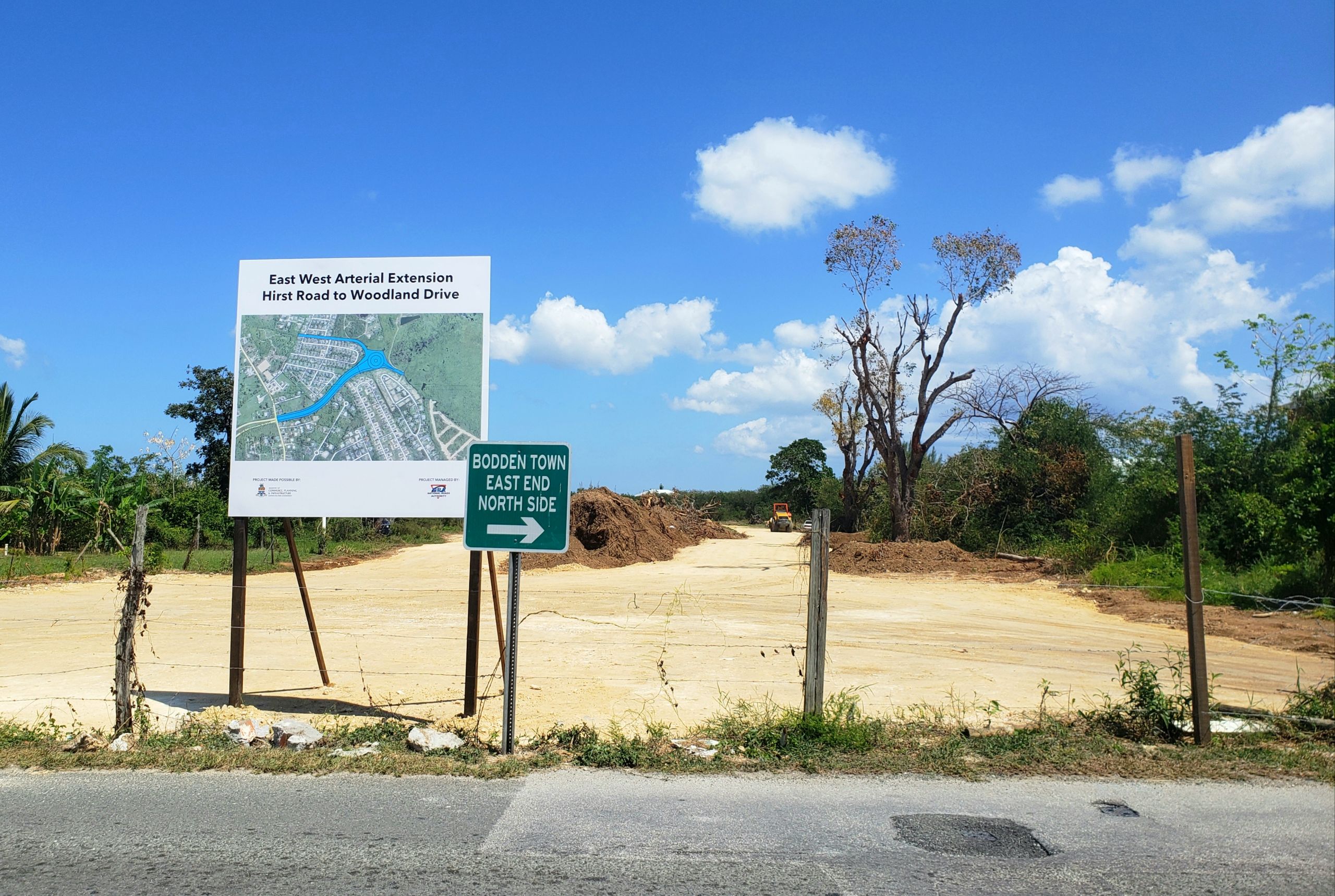
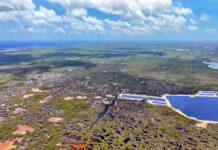
What concerns do you have about the East West Arterial extension and its potential impact on the wetlands?
The relationship between quality of life and how our environment protects and provides for us, is central to environmental stewardship. The 2021 Environmental Survey identified that 99% of respondents felt that the protection of our central mangrove wetlands is important, highlighting the need to strengthen protection for these areas within national and neighbourhood plans.
Not only are we ignoring our Environment Charter, but without environmental consultants being invited onto the relevant committees and ignoring policy advice and global directives such as adopting a climate change policy or national biodiversity action plan, government is failing in its most basic obligations.
The cruise port proposal was a national project which likely hurt the Progressives in their bid to return to office, due to public concern that arose out of the cost of the project, the damage to the environment, ignoring legislation and a question of who benefits – so a pier on land is no different.
Do the people of the Cayman Islands want the East-West connector to become the largest and most expensive infrastructure project undertaken by the PACT government and is there a need for this area to be opened up for development? It’s a question that has not been weighed against our development plan which in of itself has not been updated since 1997. Without a modernised plan, the only recourse available is for the public to register their concerns.
Related Videos









Great topic! There are so many potential suggestions – each one should be weighed carefully.
Some don’t require a ton of money:
* Stagger office hours to reduce the bottleneck
* More permanent work from home
Some need investment:
* Clean energy, new buses – electric buses charged by solar-powered microgrids
* Incentives for new job development on the east side of the bottleneck
* Redesign of the bottleneck areas
Of course major problems are the bottlenecks at Hurley’s and the A L Thompson roundabouts.
Put in overpasses (flyovers) and 2/3 of the congestion goes away.
With the summer heat and rains cycling will never be a viable solution.