Following calls from local and international bodies for support for dementia sufferers and a government-led plan to deal with the disease, the Health Ministry has presented a $50,000 grant to the Alzheimer’s and Dementia Association of the Cayman Islands, saying it is committed to working towards a formal national plan.
Health Minister Sabrina Turner announced the one-off grant in a statement Monday afternoon, saying the funds are separate from the organisation’s request for consistent funding, which is being reviewed as part of the 2024-2025 budget cycle.
“However, my hope is that these funds will provide more stability, and help to enhance the organisation’s internal capacity, as they deliver numerous services to individuals, families and the community,” she said.
The Compass highlighted the plight of dementia patients earlier this year as local advocates called for more resources and a national plan.
The issue was again raised last week as Alzheimer’s Disease International chief executive officer Paola Barbarino called for governments within the Caribbean, including in the Cayman Islands, to develop a national dementia plan with some urgency as the dementia crisis looms.
Dorothy Davis, founder and chair of ADACI, welcomed the government support.
“ADACI is committed to working with the Ministry however is necessary. We are also happy to state that we have, in fact, made some progress when it comes to laying down the foundation for a national dementia plan,” Davis said, in the ministry statement.
She said communication with the ministry has been established and awareness and education work in the community is ongoing, “all things which many other places in the region have not yet been able to get to.”
The ADACI grant, the ministry said, will help the organisation with operational costs, which include providing care packages to individuals in need of assistance.
Cayman’s dementia picture unclear
On Friday, Barbarino, in a Zoom interview with the Compass, said the Caribbean is expected to see an increase of 155% in dementia cases by 2050, up from over 291,000 in 2019 to 744,000.
She says it is important that countries make dementia a policy priority.
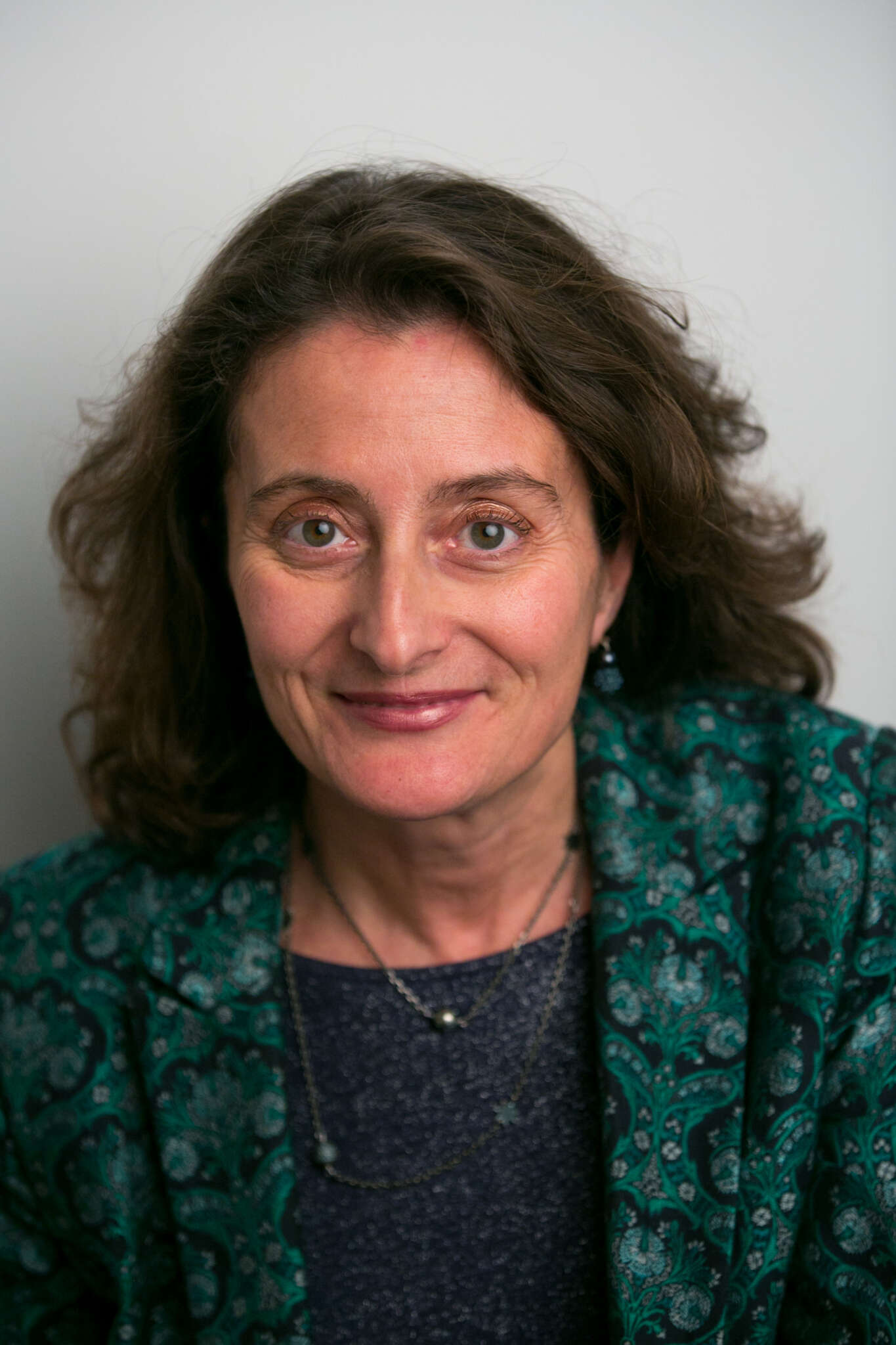
“Dementia is a very big issue, and it is not just concerning a medical area… but also a social welfare area because so much of it impacts on caring, impacts on family. So we do need these plans to be proper plans, really properly thought out,” she told the Compass.
She added there are new therapies and medicines coming out “so people will want to be diagnosed and so many countries don’t even have that. So we need this plan”.
Cayman’s Chief Medical Officer Dr. Nick Gent, in a statement Monday, said the health ministry has been working to gain a better understanding of local data when it comes to non-communicable diseases.
“Understanding the local prevalence of dementia is essential in order for us to take a data-driven approach to decision making that takes into consideration not only what is happening now, but also what will be necessary in the future.
“At the moment, we have a very good system of providing in-home care to persons diagnosed with dementia,” he said, adding that does not mean that “there is no room for improvements”.
Burden of care
HSA statistics released health ministry in 2021 stated there were 1,053 people in Cayman diagnosed with dementia, the majority of whom had Alzheimer’s.
There has been no updated figure since then; however, the health ministry said in January it was working on determining the prevalence of dementia cases.
Discussions around dementia, Gent said, must include the burden of care of the disease on family members and caregivers.
“We appreciate the severity and destructiveness of this terrible illness which robs family of their connection and interaction with loved ones, and the tremendous sacrifice that care demands,” he added.
Turner said a national dementia plan is one that extends beyond the health ministry.
She said ADACI has been doing a “tremendous job” educating the community on how a dementia diagnosis impacts all facets of an individual’s life.
“There is a social component, a financial component, an educational component for family and caregivers, legal components, physical safety components, nutrition, and so much more. No one is questioning that health will need to lead the way, in partnership with organisations like ADACI,” Turner said.
However, to do this effectively, she said, the health ministry “has to be equipped with accurate and relevant data that will move those partners to action.”
Lack of regional progress ‘disappointing’
Barbarino said it was disappointing that only 16% of Caribbean countries have made progress on developing a national plan.
Last week the ADI issued an urgent call to meet the 2025 deadline for World Health Organization member states to be able to follow through on their 2017 National Dementia Plans.
It reported that only around 20% of member states have followed through on their plans.
In 2017, it said, all 194 WHO member states unanimously agreed to address the growing risk and threat of dementia and adopted the Global Action Plan on the Public Health Response to Dementia 2017-2025.
The plan was “aimed to improve the lives of those living with dementia as well as their carers while mitigating the impacts of the neurological condition on wider communities,” an Alzheimer’s Disease International statement said.
With dementia, Barbarino said, people are more aware that it’s a disease, but to make it a public priority, governments have to admit that there is a problem.
“Many governments are still in denial. They don’t believe that it’s a disease. Indeed, 62% of doctors and nurses don’t believe it’s a disease globally. So this is a big problem because if the doctors don’t know the disease, then how can you help people,” she said.
She added time is running out to tackle dementia as “it is one of the greatest public health threats of our time”.
Cayman is moving forward
Davis, of ADACI, told the Compass while dementia here is not a crisis yet, “it will become a social service burden, and it could become a burden on our healthcare system if we don’t recognise and do something soon.”
She said the disease is complex and so too is finding a solution to address it, and it will take resources and a change in how the disease is viewed.
“Stigma is still a big problem because they attached dementia to mental health rather than a brain disease,” Davis said.
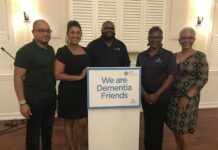
Davis said the local association has soft launched a dementia friends programme, in which elderly people are checked on by neighbours and others in the community.
She said with the funds raised from the 2022 Deputy Governor’s 5K she will be able to formally start the programme.
She added that there is need for a care facility here along with funding for it.
Davis said there are plans to host a dementia conference in Cayman in November.
Related Videos