A new report from Alzheimer’s Disease International, which points to the increasing incidents of the memory-loss illness, warns of “a perfect storm gathering on the horizon” which will require a global effort to prevent.
In its World Alzheimer 2021 report, which was released last month, ADI said more than 55 million people are living with dementia worldwide, and that number is expected to grow to 78 million by 2030.
Here in Cayman – according to the latest numbers released by the Ministry of Health – between the third quarter of 2019 and the second quarter of 2021, 1,053 people were diagnosed with dementia, the majority of whom have Alzheimer’s.
However, the Alzheimer’s and Dementia Association of the Cayman Islands fears this is but a fraction of Cayman’s true numbers.
The World Health Organization defines dementia as “a syndrome in which there is deterioration in cognitive function beyond what might be expected from the usual consequences of biological ageing”.
Progressive impairment
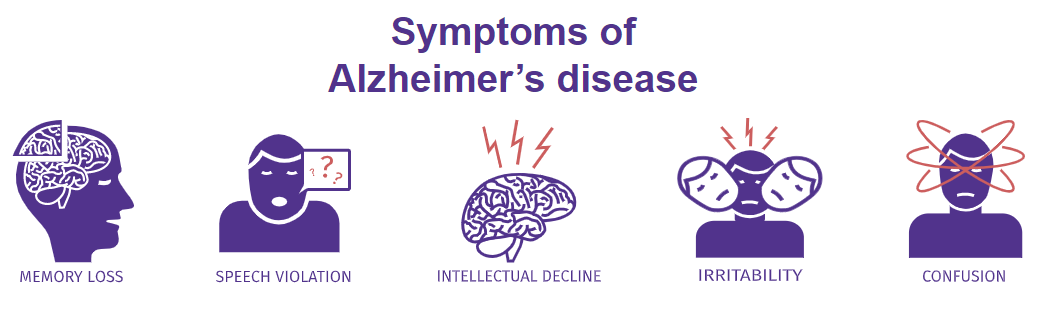
Some of the symptoms of the non-communicable disease include progressive impairments in memory, thinking and behaviour that can negatively impact a person’s ability to carry out everyday tasks.
According to WHO, Alzheimer’s “is the most common form of dementia and may contribute to 60%-70% of cases”. Globally, WHO says dementia is the seventh-leading cause of death among all diseases, approaching 2 million lives lost in a list it published of the top 10 causes of death in 2019.
“There is a perfect storm gathering on the horizon and governments all over the world should get to grips with it,” said Paola Barbarino, CEO of ADI, in the World Alzheimer Report 2021.
Dorothy Davis, founder of the Alzheimer’s and Dementia Association of the Cayman Islands, spoke of the issues surrounding an Alzheimer’s diagnosis.
“There are many persons living in the community that have not obtained a [formal] diagnosis, which [may be] due to stigma and/or family members just thinking that the individual is ageing, therefore the behaviours and/or memory issues are normal,” she said.
Her comments echo global findings, which show that 75% of people with dementia go undiagnosed in some low- and middle-income countries due to “stigma and a lack of awareness”, as well as financial barriers and lack of access to trained clinicians.
Davis told the Cayman Compass that although the true prevalence of Alzheimer’s and dementia is unknown in Cayman, the available figures show that among the diagnosed population, the average age of diagnosis for men is 65 and women is 70.
“The youngest person to have been diagnosed with Alzheimer’s disease in Cayman is a 40-year-old male, who no longer lives in Cayman, as his family was unable to afford the care he required,” she said.
She added, “The other young man diagnosed with Alzheimer’s at the age of 50, he is married and has a young child. He can no longer work as a supervisor, but his company has kept him on to do… whatever he is capable of doing until such time that he will be unable to.”
‘Cruel and terrible’
“This is a cruel and terrible disease, that requires a lot of love and patience to deal with,” said the wife of a man who was diagnosed at the age of 55 with early onset of the disease. She asked not to be identified, for fear her husband would suffer the stigma associated with Alzheimer’s.
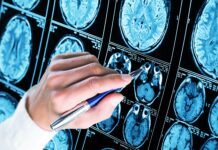
“I first noticed something was wrong when he said things to me, and when I reminded him, he could not remember saying it, then he became more and more forgetful,” she said. “At first, we tried an MRI but that didn’t show anything; then after discussions with his employer, his family and me, he agreed to do a CT scan which showed the signs.”
She said she has had to change his diet and establish a routine for him.
“I have seen videos online of mothers forgetting their children, husbands forgetting their wives, and I fear that this will be our fate one day,” she said. “So, for now, all I can do is love him as much as I possibly can and develop even more patience.”
She added, “I hope that the rest of Cayman will understand how serious this disease is, and that it is here affecting our people, and hopefully the government will also step in and help support these families.”
The pandemic has delayed diagnosis and treatment for patients in Cayman who are suffering from a variety of cancer-related illnesses. Davis said the Alzheimer’s community in Cayman is experiencing a similar problem as potential patients go undiagnosed.
In its report, ADI said the movement restrictions and lockdowns caused by COVID-19 since 2020 have “cut off much access to healthcare services for people with dementia symptoms” and the full impact of that disruption to diagnoses has yet to be seen.
In total, 3,542 clinicians participated in the organisation’s online survey from 101 different Alzheimer’s and dementia associations. Of that number, 98% “maintain that the COVID-19 pandemic delayed access of people with cognitive decline for assessment”.
The fight to end Alzheimer’s
There is still no cure for Alzheimer’s some 100 years after it was first described by German neurologist Dr. Alois Alzheimer. However, medicine has made significant advances in early detection and treatment of the illness.
“In Cayman, technologies such as MRIs and CT scans are available to help detect Alzheimer’s,” said Davis. “However, these tests can often cost a minimum of $1,000, and even at a 20% co-pay this is still a financial barrier that prevents people from getting diagnosed.”
Davis said her organisation supports Cayman’s less-affluent families through one-off payments to assist with obtaining an official diagnosis. It also offers support to families through training and counselling, in an effort to teach families how to care for and live with afflicted relatives.
“We often go in and help them to secure the rooms by changing locks and windows and to help secure their loved ones,” said Davis. “We also have attorneys on our board that help to advise on matters such as financial planning, drafting wills and even obtaining a custodial or guardianship order.”
The University of Miami, Florida, published a research paper in April 2021 on how stem cell treatment in animal trials has shown promising results in helping to combat Alzheimer’s.
According to the research paper, the “results show how the timing and frequency of [Mesenchymal Stem Cell] injections can delay and even modify several components of [Alzheimer’s disease] pathology in an animal model, strengthening the conceptual argument for clinical use of MSC therapy for Alzheimer’s disease”.
Although this new treatment could be a promising solution in efforts to end Alzheimer’s disease, Davis said it is still a long way off, and until then, the best solution is for people to get diagnosed as early as possible.
Related Videos