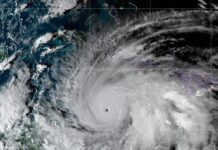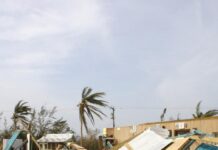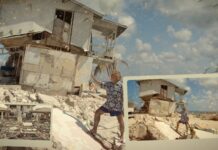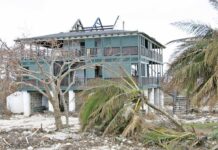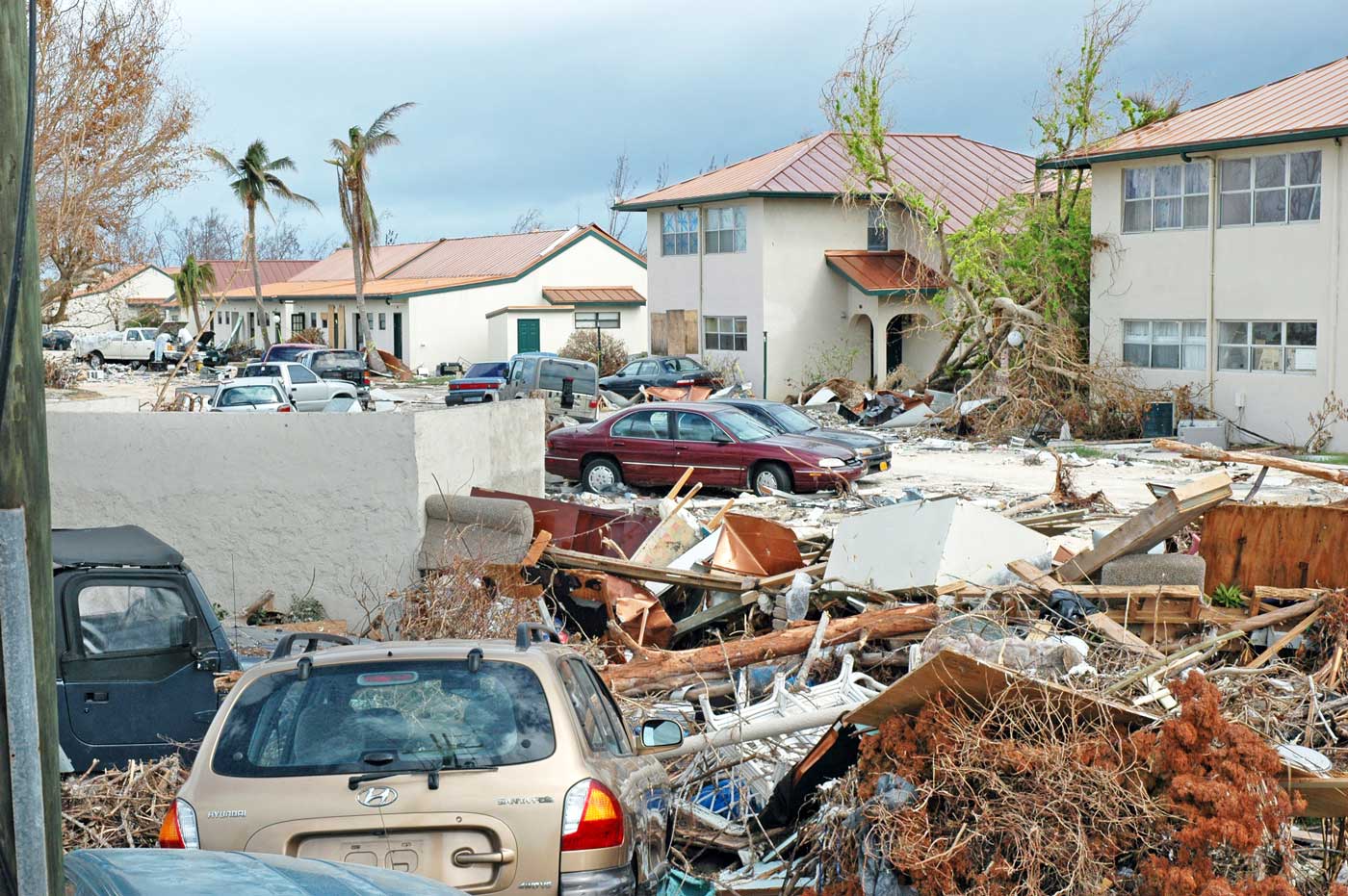
While the lessons of Hurricane Ivan have changed how governments look at risk and disaster management, 20 years on there is still work to be done to protect vulnerable communities, according to the head of a regional risk insurance body.
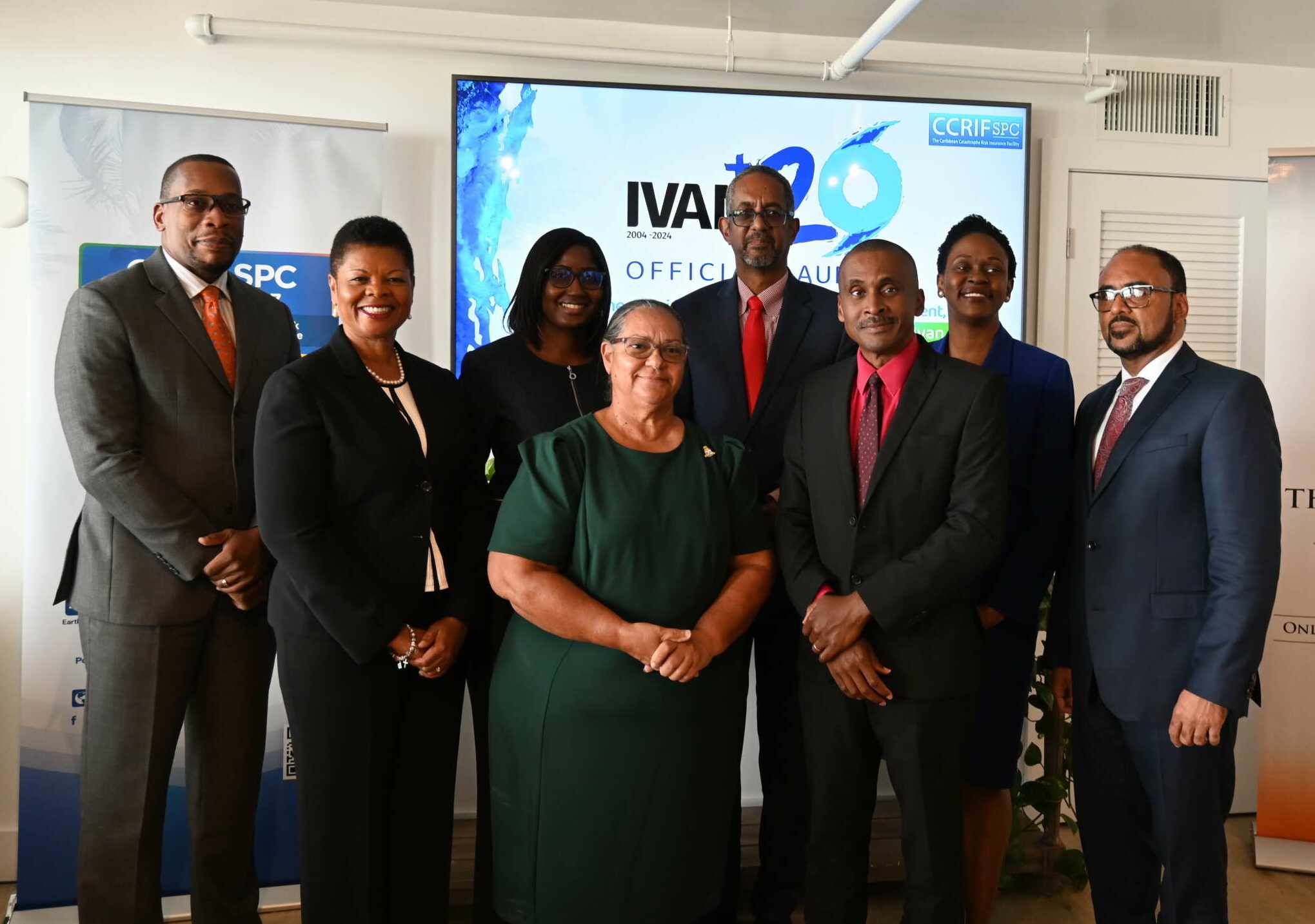
Caribbean Catastrophe Risk Insurance Facility (CCRIF) CEO Isaac Anthony explained that the need for action has led his organisation to launch a new regional campaign to build more resilient communities based on experiences in the aftermath of the devastating storm.
“[Hurricane Ivan] really exposed the vulnerability of our member countries and the extent to which they were not prepared for such disasters… in a sense, Hurricane Ivan was… really and truly a wake-up call,” Anthony told the Cayman Compass at the launch event at the Grand Cayman Marriott Wednesday afternoon.
Financing gap
Now, 20 years later, he said, the reality is that, particularly with climate change and other natural hazards, the financing gap in the event of disasters remains “very significant”.
“In other words, the protection gap is significant and while we have been able to provide some resources, there’s more that needs to be done. So, CCRIF is actually exploring the opportunity of being able to scale up coverage, get countries to buy more coverage, provide additional products, and potentially to bring on the other countries that have not yet been part of this programme,” Anthony said.
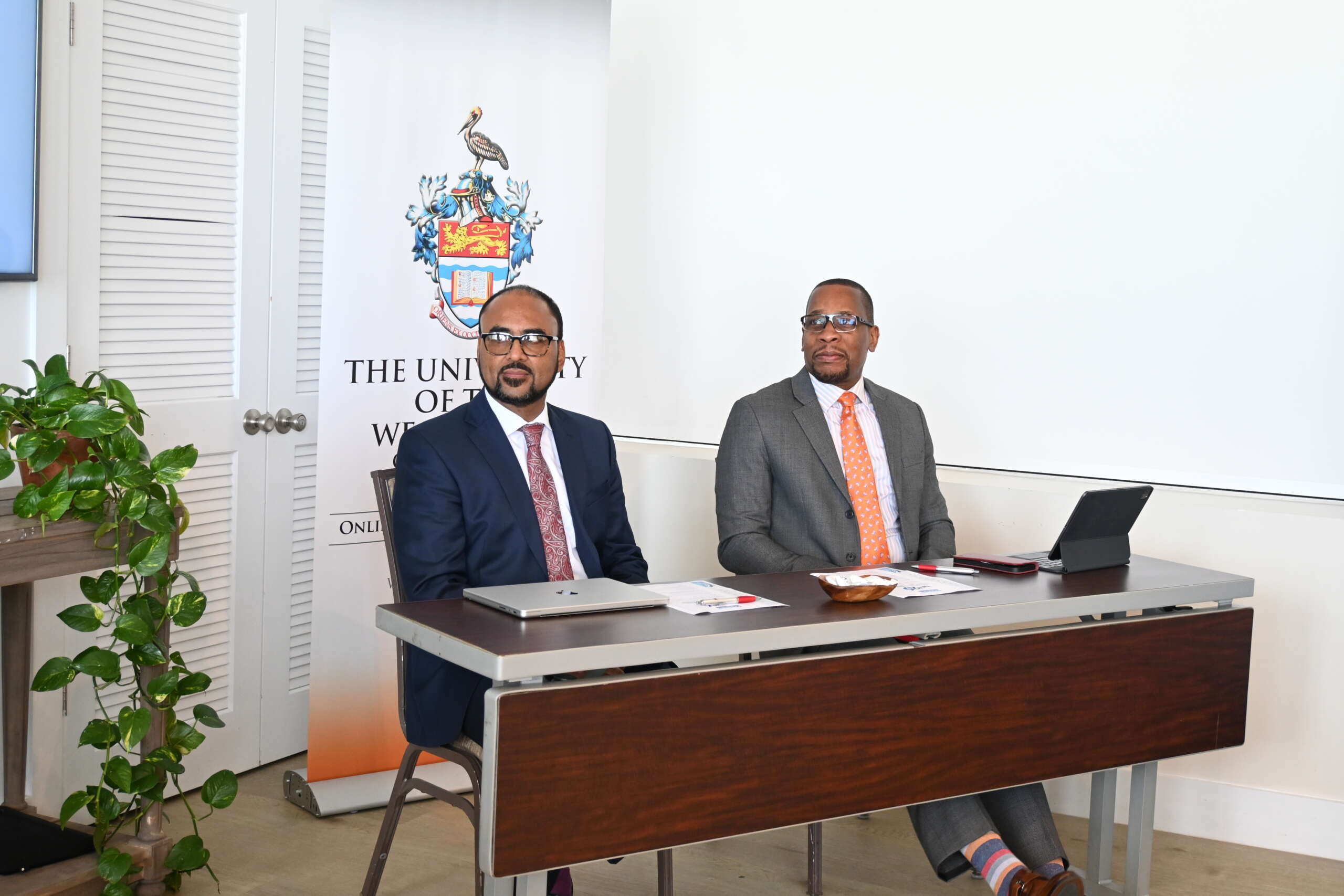
Called ‘Ivan+ 20’, the campaign is a year-long series of events that will be held in different countries around the region and in the Cayman Islands to commemorate the 20th anniversary of Hurricane Ivan, and work to enhance disaster risk management through education.
As part of the campaign, two scholarships will be available to students in the Cayman Islands to study at Caribbean universities in programme areas including disaster risk management, climate change and coastal management as part of the initiative.
Elizabeth Emmanuel, head of the CCRIF technical assistance programme, said the aim of the scholarships is to build a base of disaster risk managers in the region.
“We recognise all vulnerability and the importance of having technical expertise. We also recognise that there were gaps. So it’s investing in the next generation,” she said, adding that at present six scholarships are open to regional students.
Anthony said one of the reasons the ‘Ivan+ 20’ campaign was launched in Cayman is because it has come such a long way since Hurricane Ivan. The hurricane took a physical, emotional and economic toll on the jurisdiction, killing two and causing $3.4 billion in damages.
“20 years after Hurricane Ivan, Cayman has actually done very well. It’s been a very, very resilient country. It speaks to… the level of the quality of the work in terms of the infrastructure… and I think we need to build on that. I actually think there’s an opportunity to showcase the Cayman Islands as a best-practice country for resilience… in the wider region,” he said.
The Ivan+ 20 initiative, he said, will focus “on remembering the past, reflecting on the present and visioning for the future” for the region by recognising vulnerabilities and preparing for them.
Part of the programme includes educating students and to this end, the organisation has published the book ‘Hazards, Disasters and Climate Change’ for children aged 8-12 which will be distributed to schools.
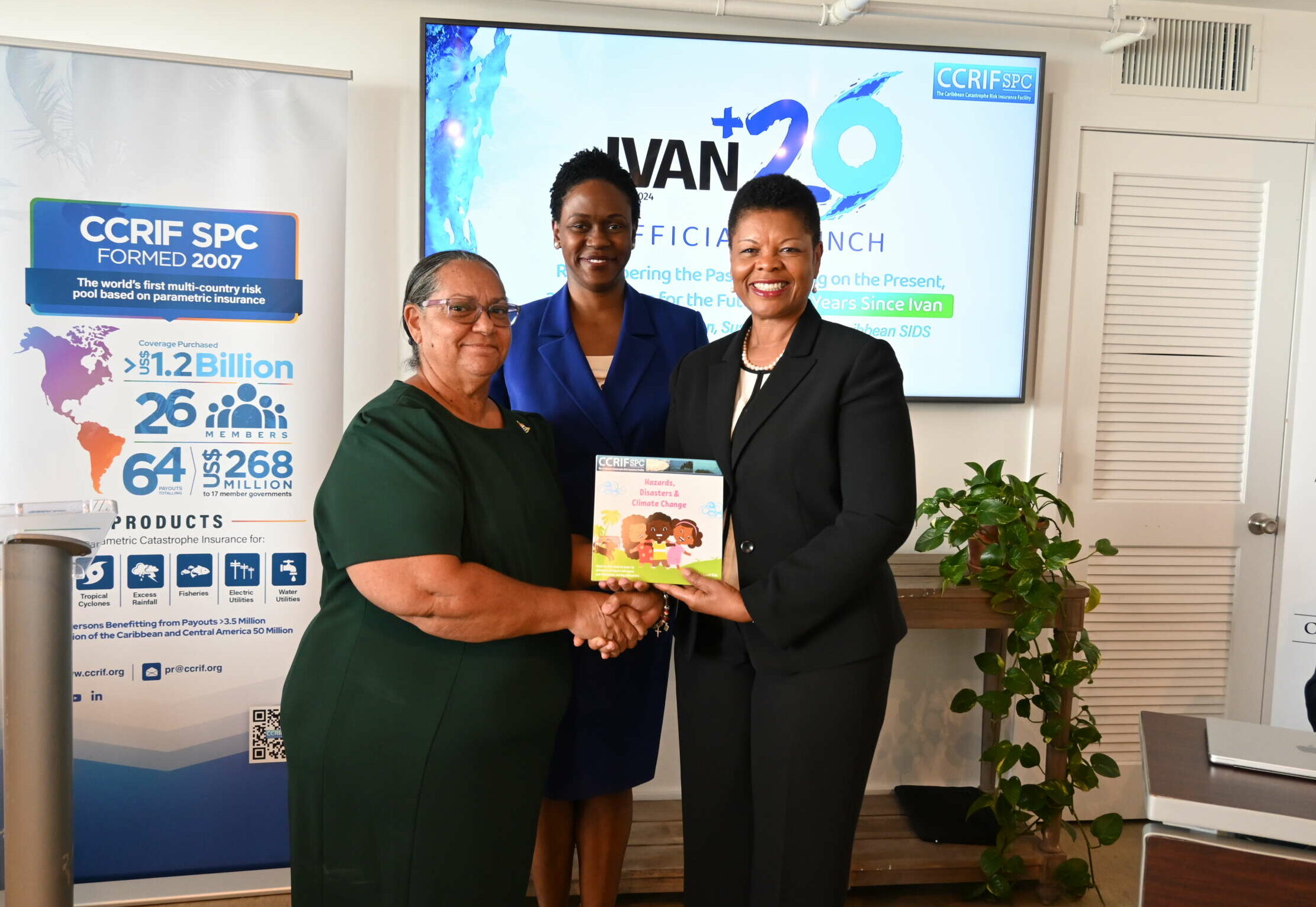
Premier Juliana O’Connor-Connolly, who was on hand for the launch, was presented with a copy of the book in her capacity as Minister for Education.
Michael Nixon, senior assistant financial secretary in the Finance Ministry, said the Cayman Islands government has commenced efforts to make the islands more resilient through a comprehensive disaster risk management policy.
Ivan triggered action
It was out of the need for disaster risk financing in the aftermath of Ivan that CCRIF was created by Caribbean governments to provide immediate financial assistance in emergencies.
“In a sense, one can say that [Ivan] was a watershed moment for the Caribbean in terms of the impact of hurricanes and the fact that the heads of governments of the region decided on collective action for the first time to come up with mechanisms for pre-financing disaster risk,” Anthony said.
He explained that, previously, in the wake of a hurricane or natural disaster, there would be an “appeal to the international community for help”.
Since its creation, he said, CCRIF has paid out US$268 million in 64 payments to 17 governments for various emergencies and disasters.
These payments, he said, were all made in 14 days following the request which meant that governments were able to at least commence recovery efforts while awaiting international aid.
CCRIF, which is domiciled in the Cayman Islands, has 16 member countries and offers six ‘parametric’ insurance products which cover earthquakes, hurricanes, excess rainfall, fisheries, electric and water utilities.
The US-based National Association of Insurance Commissioners explains that parametric insurance “insures a policyholder against the occurrence of a specific event by paying a set amount based on the magnitude of the event, as opposed to the magnitude of the losses in a traditional indemnity policy”.
Related Videos