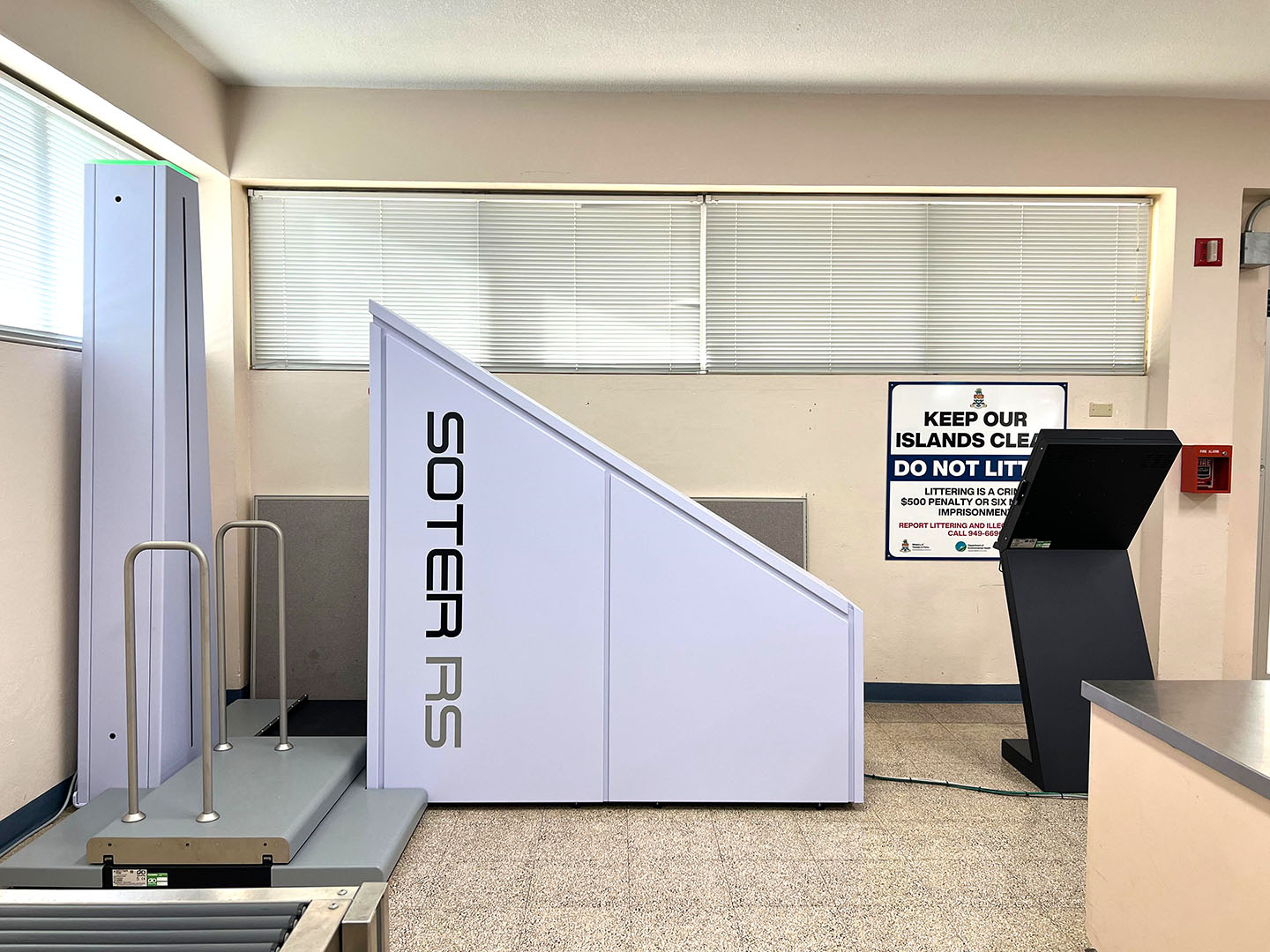
Government has spent a total of $264,826.80 on its contract for two new non-intrusive body scanners as part of security upgrades at the Owen Roberts and Charles Kirkconnell international airports.
Customs and Border Control, in announcing the installation of the scanners last week, said they were a significant enhancement to security infrastructure and are “designed to detect individuals attempting to smuggle illicit drugs and other contraband into the Cayman Islands, thereby closing critical gaps in border security”.
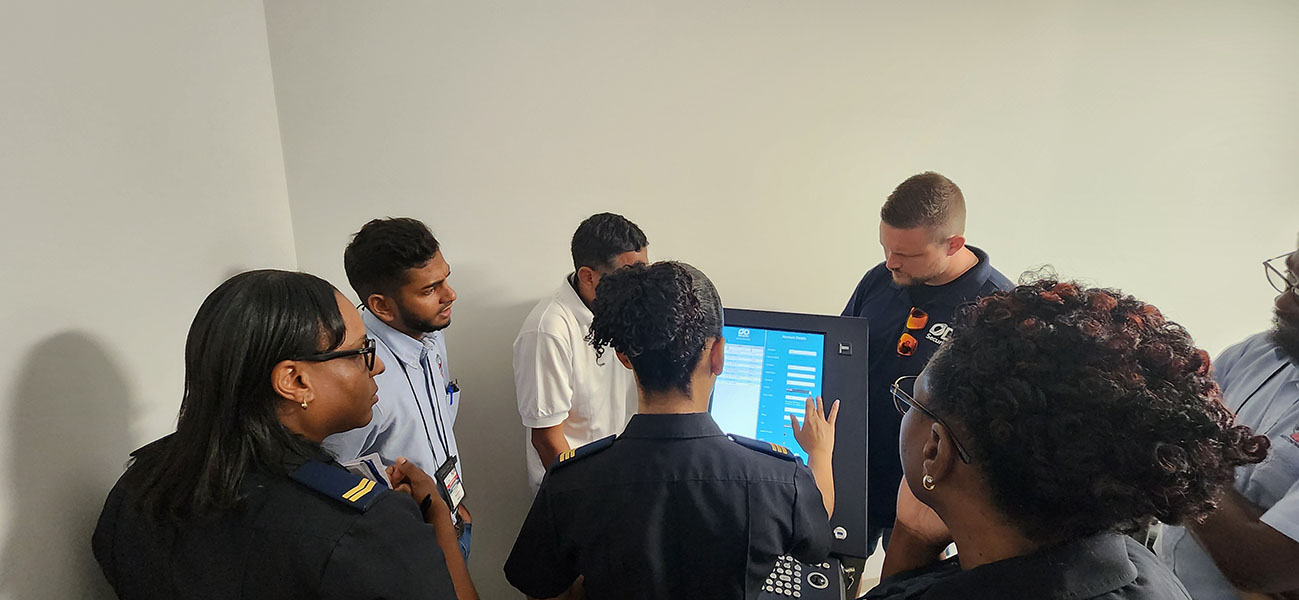
The contract for the scanners, purchased at $121,138.40 each, also includes training for six CBC officers, valued at a total of $3,350, and a three-year maintenance cost of $19,200, according to financial details released to the Cayman Compass on Monday.
The acquisition of the new equipment, which has already been installed at the two airports, and described as “cutting-edge body scanners”, was the result of a partnership with AVCOM, including Installation Technologies International in the US and OD Security in the Netherlands.
Earlier this year, CBC said that in January alone, 11 people were arrested for various offences while passing through Owen Roberts, including importing ganja, ecstasy, THC gummies and an unlicensed firearm.
In February, three people were arrested for possession of marijuana; two for importation of marijuana; and one for being concerned in the importation of marijuana.
As part of the overall border management process, the statement said, CBC officers will conduct an initial screening of passengers supported by “intelligence and key behavioral indicators”, all of which will aid in determining the degree of certainty regarding items concealed internally.
“Those passengers deemed to pose a high risk for internally concealing prohibited or restricted goods will be subject to being scanned. The new body scanners utilize advanced imaging technology to provide detailed, non-intrusive scanning capabilities,” the statement said.
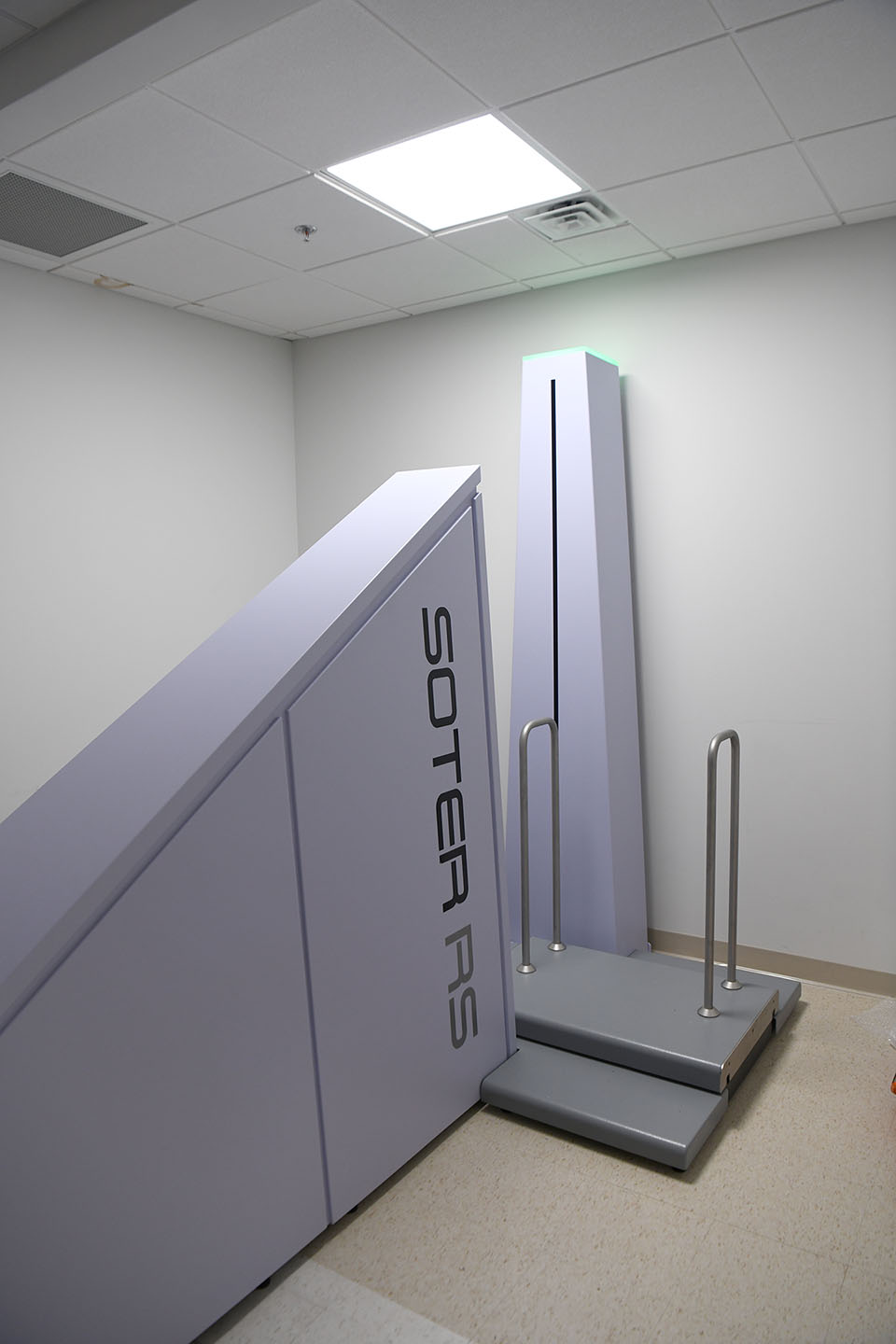
These scanners can provide visual indication of concealed substances and objects with “unprecedented accuracy”, the statement added.
“The introduction of non-invasive body scanners represents a monumental leap forward in our efforts to maintain the highest standards of border security. This technology enhances our ability to detect and prevent drug smuggling and ensures a safe and secure environment for all travelers,” Border Control Minister Dwayne Seymour said in the statement.
CBC Director Charles Clifford added that non-invasive scanners serve to address and rectify existing vulnerabilities in the current security framework, ensuring a more comprehensive approach to passenger screening.
“The installation of these advanced scanners showcases CBC’s commitment to utilizing innovative solutions to tackle emerging security challenges. By adopting this technology, we reaffirm our dedication to protecting its borders and safeguarding the wellbeing of its citizens,” he said.
CBC officers will undergo training to operate the new equipment, ensuring that the technology is used to its full potential, he added.
Related Videos