A plan to replace Cayman’s unsightly landfill with a waste-to-energy facility would not have provided value for money, according to a scathing report from the auditor general.
The project was finally scrapped last week after 10 years of planning and negotiation ended in failure.
Following that decision, a previously unseen value-for-money analysis from the public spending watchdog has been widely leaked to the media. The Compass has obtained a copy and verified its authenticity with multiple sources.
The report, prepared in 2021, highlighted serious concerns with the contract signed between the previous Progressives government and a consortium of companies, led by the Dart group, that came to be known as ReGen.
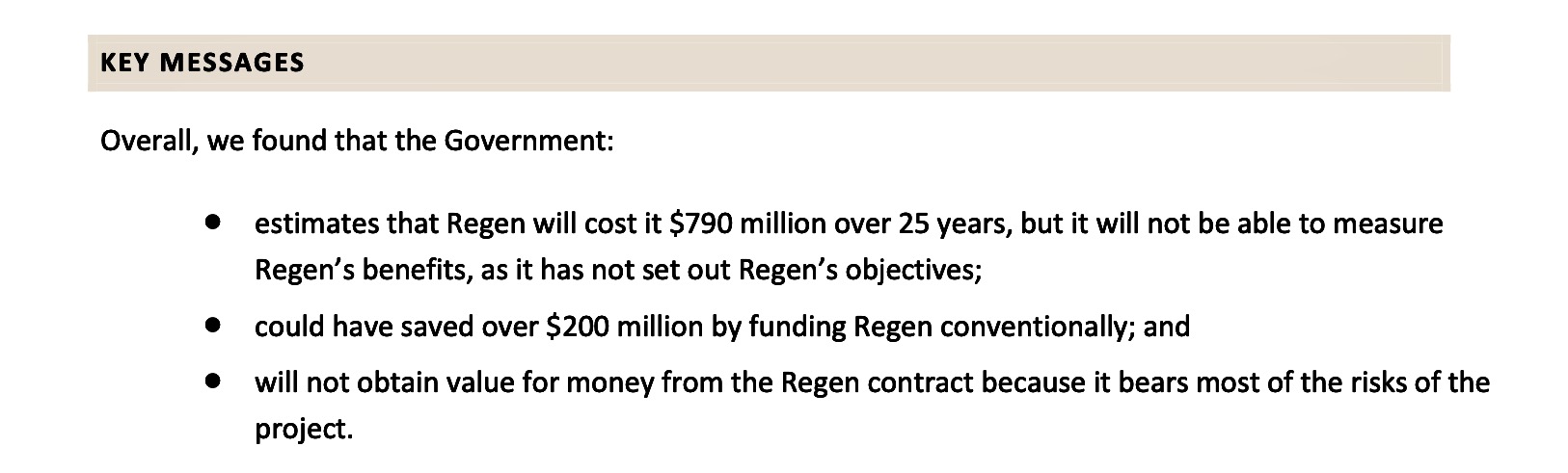
The auditor general’s report indicates the cost estimate as of March 2021, when the provisional contract was signed in the run-up to a general election, was $790 million over the 25-year lifespan of the contract.
It indicates, however, that this was likely to be an underestimate. It did not include the cost of refuse collection, which would continue to fall to government, and didn’t properly consider the range of possible costs associated with inflation and increasing amounts of waste going into the landfill.
The report indicates that the then-government expected to be able to recoup $406 million from the sale of electricity to CUC. There was no certainty over what would happen if those sales did not materialise, however, and the price estimate was said to be significantly higher than what the utility typically pays for renewable energy.
“In my view the project will not provide value for money,” Auditor General Sue Winspear wrote in late 2021, in the analysis requested by the incoming PACT government.
Nonetheless, the auditor suggested that, given the terms of the contract, including a binding land swap deal with the Dart consortium and the fact that the current landfill is running out of space, government’s best option was to continue to negotiate.
“I believe the government has to proceed with the project and negotiate the best deal that it can.”
Winspear highlighted a catalogue of failures and delays in the extended procurement for the project and encouraged government to “operate as a more intelligent client” in future.
10 years and millions of dollars spent
Since that report was written in 2021, it has been kept under wraps as negotiations continued. Those talks finally collapsed last month.
The project will now have to begin from scratch amid increasing uncertainty about the future of waste management on the islands.
The original documents on Cayman’s waste-management strategy estimated the Cayman Islands would run out of landfill space in 2021.
That has since been revised, thanks to a number of mitigation measures to manage capacity, yet it remains an accepted fact that the landfill is at risk of running out of space in the near future.
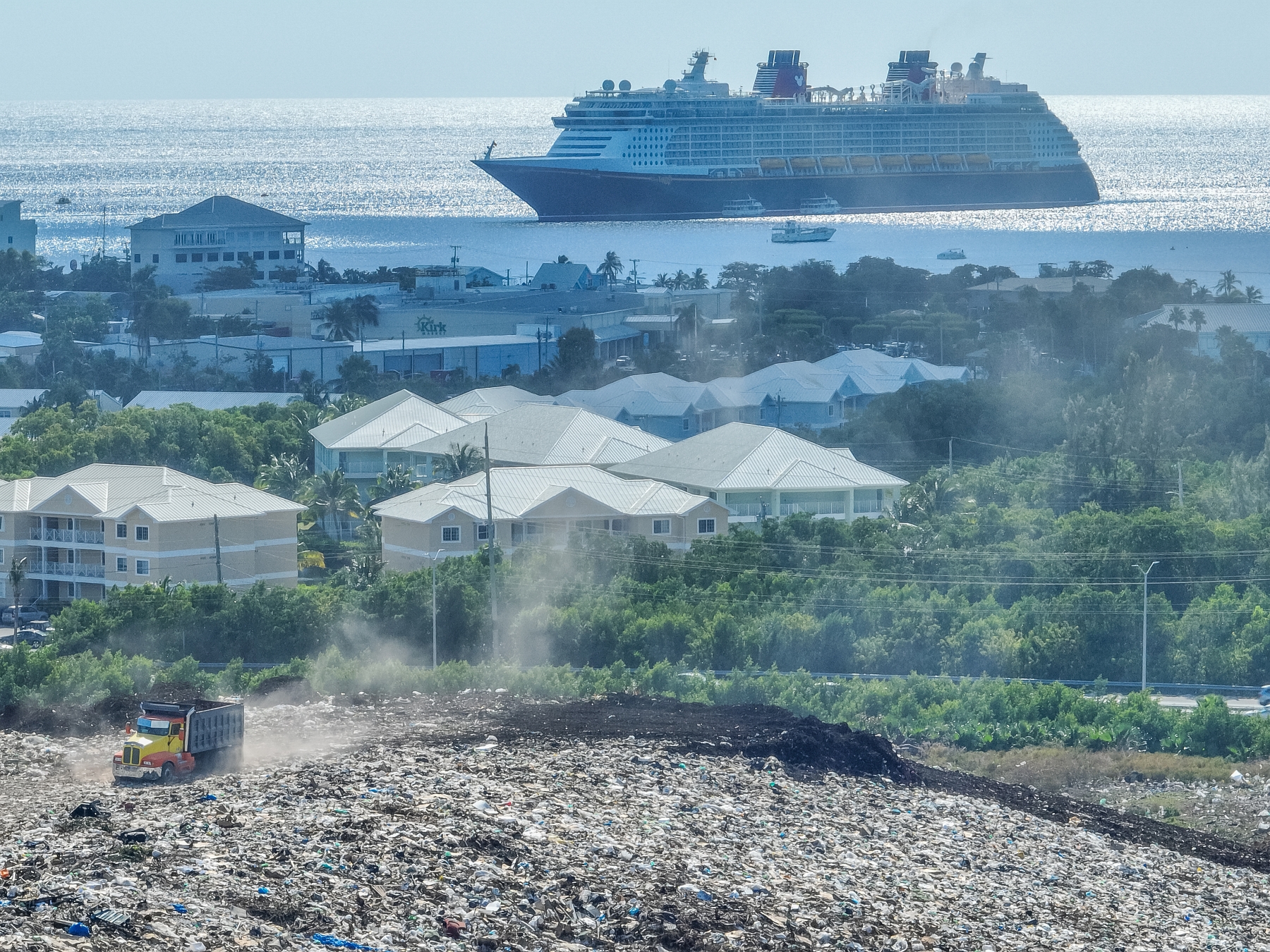
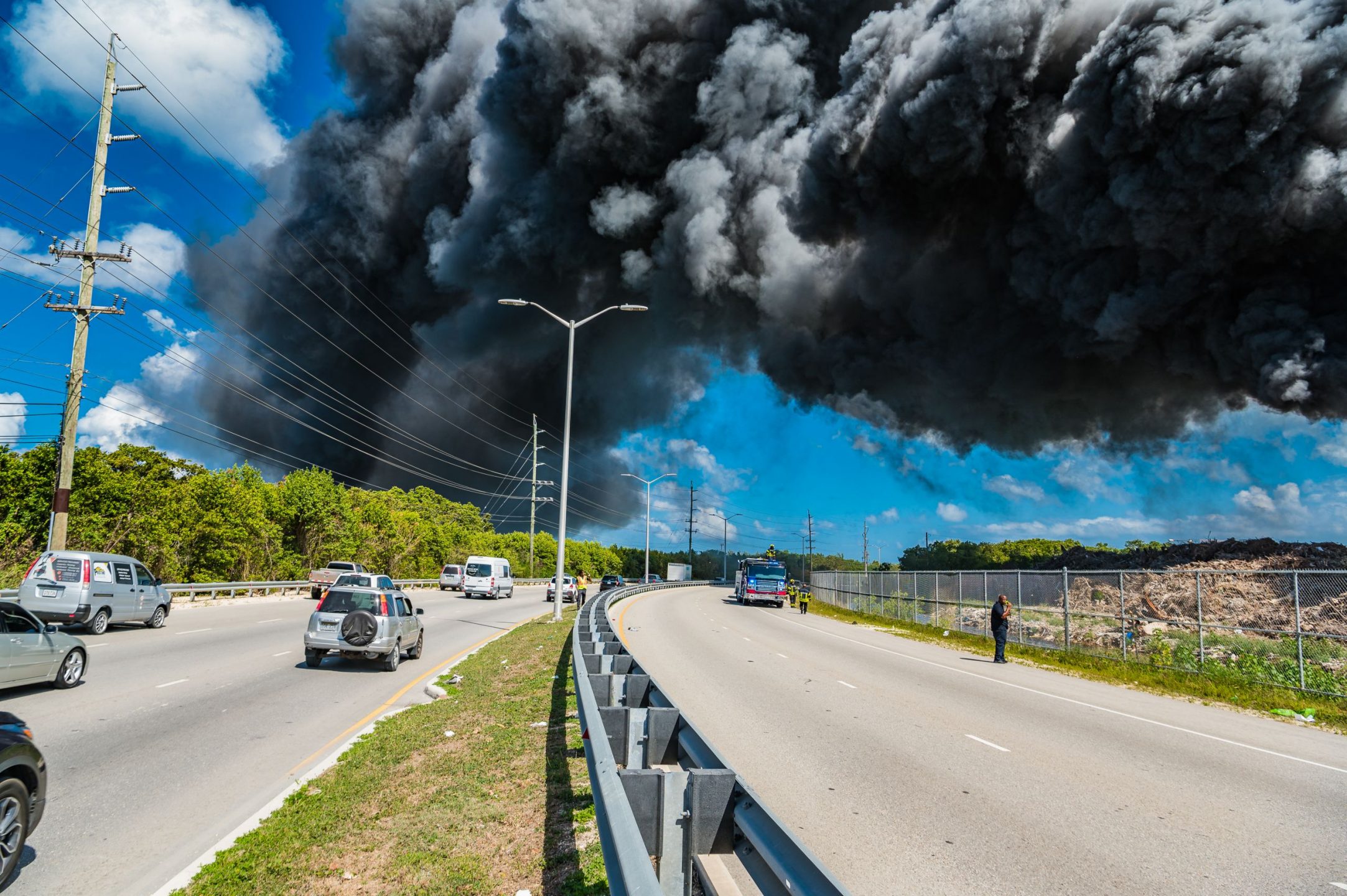
The out-of-date unlined facility is also recognised as a fire hazard, an environmental risk and a potential public health threat.
A Compass special report in 2023 revealed there had been 50 fires at the site and an additional 600,000 tonnes of waste heaped onto the landfill in the five years since the ReGen solution was announced. Firefighters spent more than 170 hours fighting nine separate blazes at the site in 2022 – roughly 5% of the total time the Fire Service spent at all incidents that year.
Government has indicated it hopes to begin a new business case and procurement process soon. However, it appears, at this point, that the island is no closer to a solution to the decades-long problem than it was when a previous idea for a new lined landfill in Breakers was aborted in 2013.
Despite those ongoing issues, the detail of the previously unseen report does seem to vindicate the current government’s reluctance to proceed.
The Progressives government first set out its policy for a waste-disposal system in 2013, the auditor stated, highlighting that procurement was still ongoing more than seven years later (this has since increased to a decade).
The auditor general wrote, “During this period, the consortium members changed without due diligence checks, the estimated waste tonnage increased, the construction cost and the cost to the public purse increased significantly, and most of the risks transferred back to the Government.”
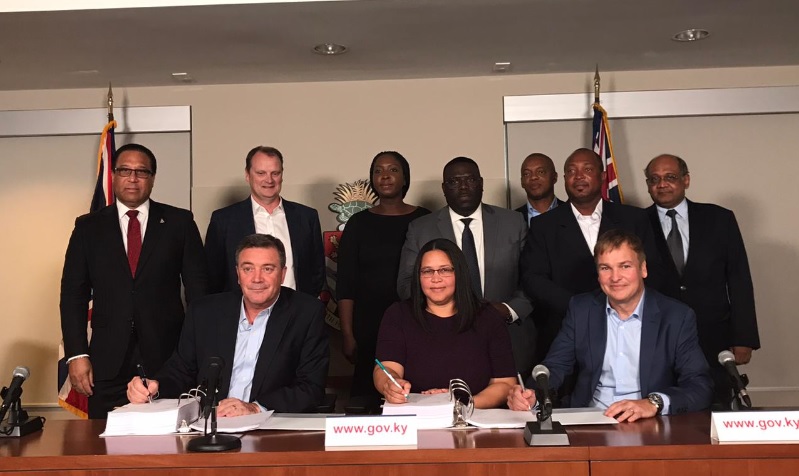
The agreement signed in 2021 involved the Dart-led consortium funding the $206 million cost of building a waste-to-energy facility, which it would operate.
The consortium would recoup costs through a ‘unitary fee’. According to the auditor, this was estimated at $29 million for the first year and $790 million for the duration of the project. Her analysis suggests it would likely have been higher.
Key findings of the 2021 report:
- The project cost estimate of $790 million was likely a significant underestimate.
- That did not include garbage collection which government would still fund separately. The current annual operating budget of the Department of Environmental Health is $13.5 million.
- Project cost estimates did not sufficiently take into account possible inflation, rising interest rates or likely increases in waste.
- The cost of construction increased from $130 million to $206 million without any updated value-for-money assessment or independent checks if the increase was appropriate.
- Government was taking on most of the financial and reputational risk.
- The government and its advisors mistakenly assumed a ‘public-private partnership’ did not qualify as borrowing and therefore miscalculated the comparative value for money of the project and the impact on its future borrowing capacity. The Progressives dispute this interpretation.
- It would have been $200 million cheaper for government to simply borrow money and finance the project itself.
- At least $6.5 million spent on outside advisors (as of 2021) did not represent value for money.
- The initial cost estimates likely overestimated the price that could be obtained for the sale of electricity to CUC. The ability to get that price depended on an assumption that regulator OfReg would be able to set the rate if CUC did not agree to it.
Waste going to landfill increasing
The failure to properly consider the possible impacts of inflation, interest rates and escalating amounts of trash going into the landfill were highlighted among several factors that could have raised the cost of the project by hundreds of millions of dollars.
The auditor wrote, “Government was not quick enough in identifying the waste produced annually was increasing and to account for the speed and scale of the change.”
The potential costs escalated with the amount of waste processed.
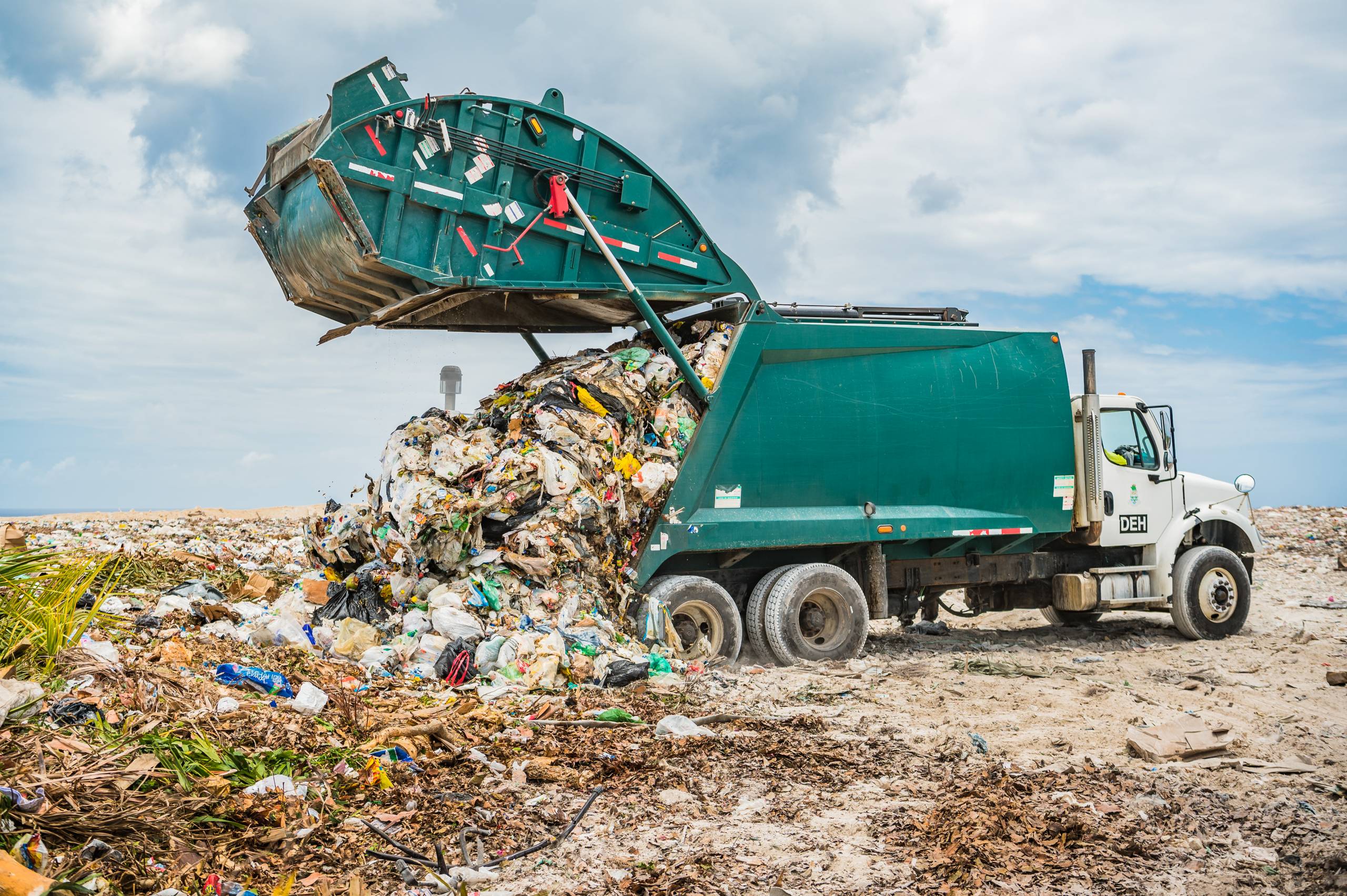
Despite data that showed the amount of waste going into landfill had increased by 7% each year over the previous five years, the project cost estimates only accounted for the possibility of a 1.47% increase each year over the course of the project.
Just increasing that to 3% – still significantly less than what the data suggests – would have added $115 million in costs. The report indicates ‘no sensitivity analysis’ was done and the likely spectrum of possible costs was not considered in the estimates.
Similarly the possible inflation calculation was limited to an estimate of 1.6% from a 2016 outline business case and was not adjusted to a more reasonable 3.3% to reflect changed economic circumstances at the time the contract was signed. This calculation would add another $100 million to the estimate, the auditor stated in her report.
She added that the government did not prepare a final business case to reassess the value for money despite the four-year timeline between selecting the preferred bidder and signing the contract. She said this was a “significant gap in the accountability process”.
Her report concludes, “In my view the project will not provide value for money.”
Editor’s Note: The Cayman Compass is a subsidiary of Dart Media and Entertainment.
Related Videos