

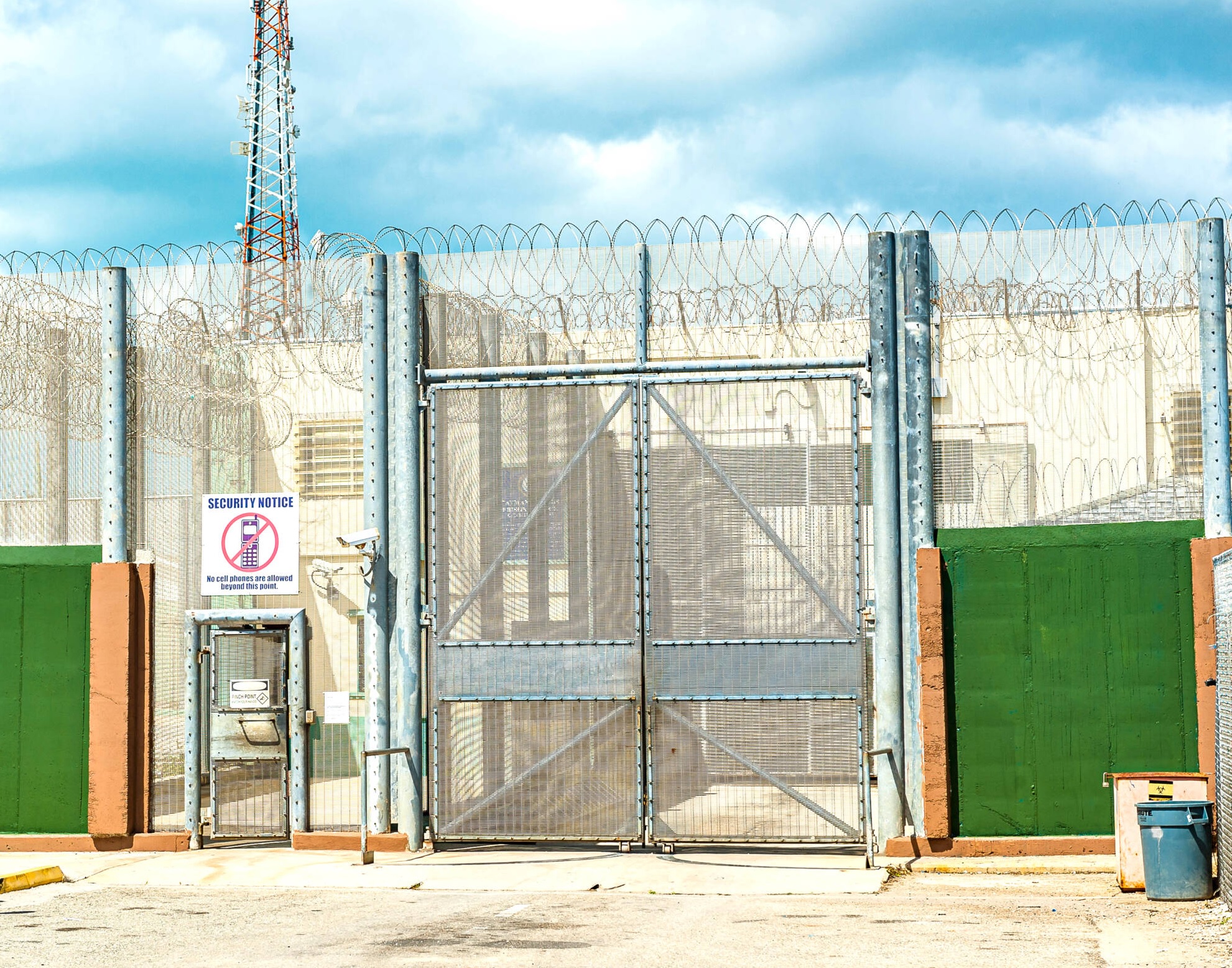
For many inmates, getting out of prison is far from the end of their sentence.
One young man, who served a year in Northward for non-violent offences, faces a long road back to stability and acceptance in Cayman.
Even before he was arrested and convicted, Axel, who agreed to speak with the Compass using a pseudonym, faced challenges with housing and employment – circumstances that prompted him to get involved in drugs.
Now, after a stint in prison, those issues have only magnified.
“It’s hard coming out, especially if you don’t have family you can lean on,” he said.
With the support of probation officers and a non-profit organisation, Axel, in his 20s, has found temporary accommodation and enrolled in a training programme.
He hopes that will lead to a trade and a full-time job, but, in the interim, he is struggling to find housing and financial stability.
His challenges encapsulate some of the issues facing prisoners on release that help explain the islands’ extremely high, though officially undocumented, reoffending rate.
Without money for rent and food, and with already bleak job prospects worsened by a recent criminal record, the temptation to return to a life of crime is obvious.
While Axel acknowledges that pressure, he is determined to learn from his past mistakes.
“I am not going back,” he says of his time in prison.
But he knows that this is what is expected of him.
“When you are leaving prison, some of the officers joke around, and say, ‘I don’t want to see you back here.’ Others laugh and say, ‘I know you are coming back next week.'”
That mixture of support and cynicism sums up his encounters with authority figures during his time in prison.
“Some of the guards just have bad mind towards you,” he said.
“You are just a criminal to them. Other officers have hearts and want what is best for you.”
Axel was eligible for parole six months before he was actually released. But because he had nowhere to live, he says he was unable to leave.
A charity eventually helped him find somewhere to live.
The months following his release have been a struggle – trying to get a driver’s licence, a passport, support from the Department of Financial Assistance (formerly the Needs Assessment Unit), and a job that pays enough to pay rent.
“It is just very hard to get your life back on track,” Axel said.
Part of the challenge for a lot of prisoners is that their lives were never really on track in the first place. Northward is filled with people who didn’t graduate high school, don’t have supportive parents, and lack the life skills to lift themselves out of challenging circumstances.
Axel says he took advantage of what opportunities existed in prison – joining clubs, working out at the gym and attending church and counselling sessions, as well as vocational training.
Despite the decrepit conditions of the overcrowded prison, the leaking, roach-infested cell blocks, and the fickle approach of the guards, he said the environment was relatively calm. He was never in fear.
“If you go in there and stick to yourself and do what you can, you get through it,” he said.
In some ways, the stint inside has helped focus his mind on the future and connect him with resources and opportunities of which he was unaware before.
But the support network is mixed and he believes there could be more help for people coming out of prison to get back on their feet.
“We need support because we don’t have money, we don’t have anywhere to live, we don’t have that much help to find a job. It’s tough when you get out,” he said.
Related Videos












One can understand the catalogue of problems that Axel faces, and cannot resist being sympathetic to their situation. I wonder why Govt can’t assist they have numerous low level, unskilled positions that ex-prisoners could fill, such as garbage collectors, dump maintenance, port labour, truck drivers etc. It’s a vicious circle for Axel, and employment is the first hurdle he must surmount.
I appreciate the stigma and the lack of opportunities for released prisoners and I hope the truly rehabilitated ones have the opportunities to move forward with their lives. Just want to publicly state that I hold all employers accountable for their employees when they are dispatched to people’s home. I personally would like to know.