The names of three hurricanes that did enormous damage in 2024 have been retired from the official list of names that rotates every six years.
Beryl, Helene and Milton, each of which impacted the Cayman Islands in various ways, have now had their names consigned to the history books, to be replaced by Brianna, Holly and Miguel.
These three storms from 2024 join a list of nearly 100 other hurricanes, like Ivan, Gilbert, Sandy and Katrina, that caused such extensive human and economic losses that their names were also retired.
The announcement came from what is known as the RA IV Hurricane Committee, which hosts an annual meeting of hurricane experts to share best practices and knowledge, and looks at strategies for advancing early warning systems and ways to improve impact-based forecasting for tropical cyclones.
This year, the meeting is being held in Panama between 31 March and 3 April. Representing Cayman is chief meteorologist at the Cayman Islands National Weather Service, Kerry Powery.
Beryl
On 4 July, Hurricane Beryl passed 50 miles southwest of Grand Cayman at its closest point of approach. Fortunately, Beryl had weakened slightly to a Category 3 hurricane as it passed, but strong tropical-storm-force winds were experienced on all three islands.
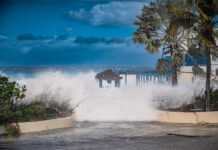
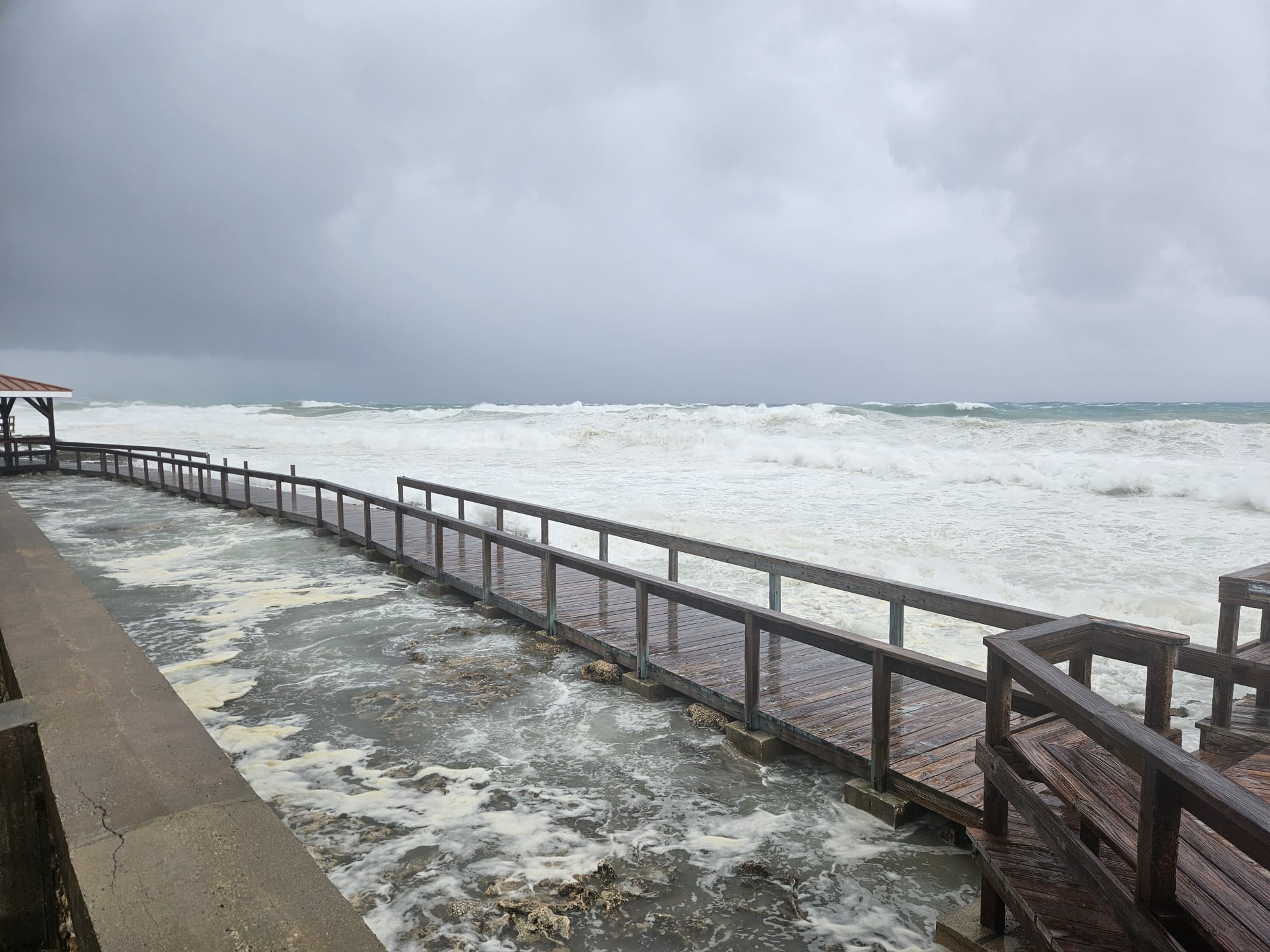
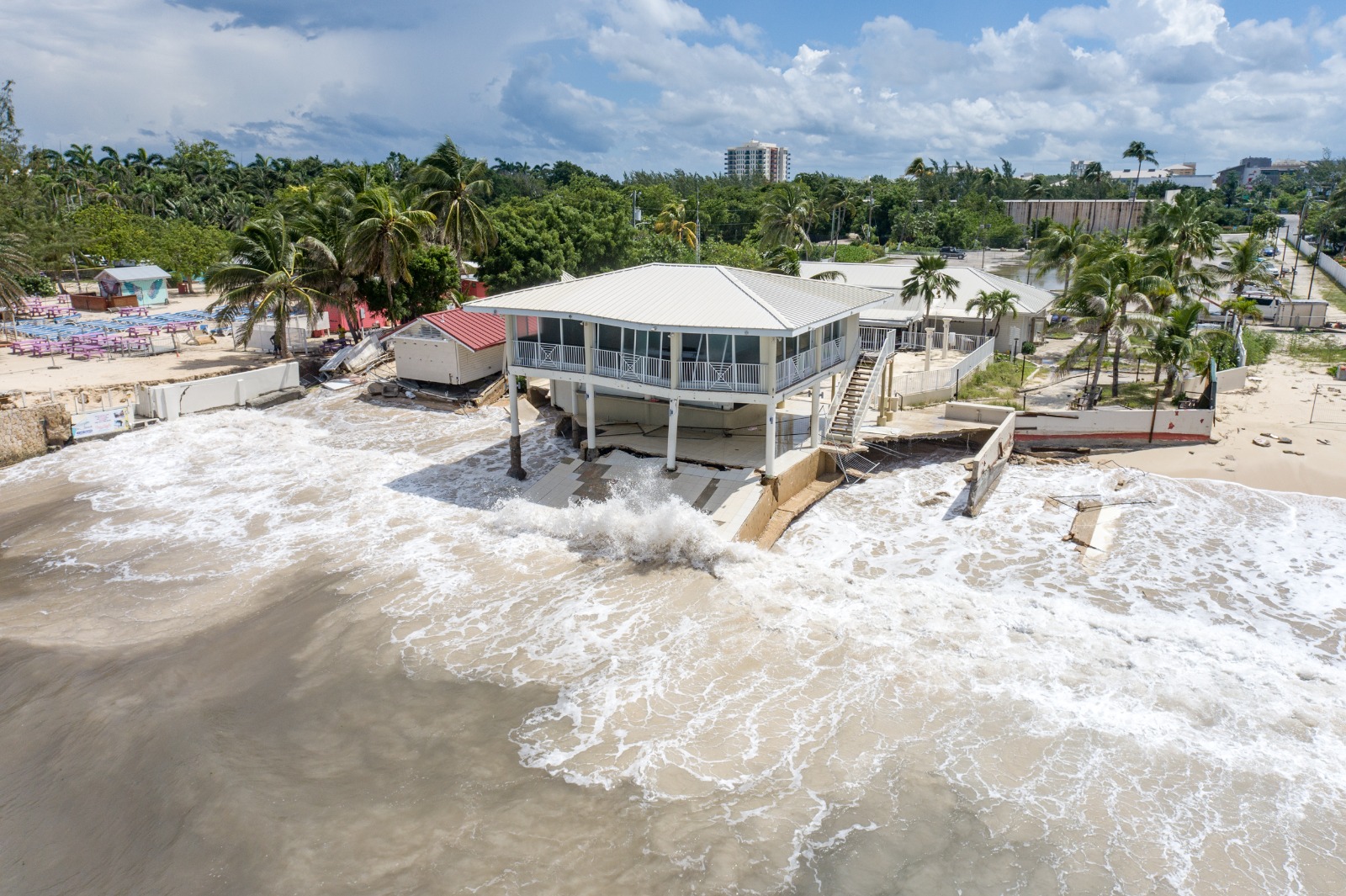
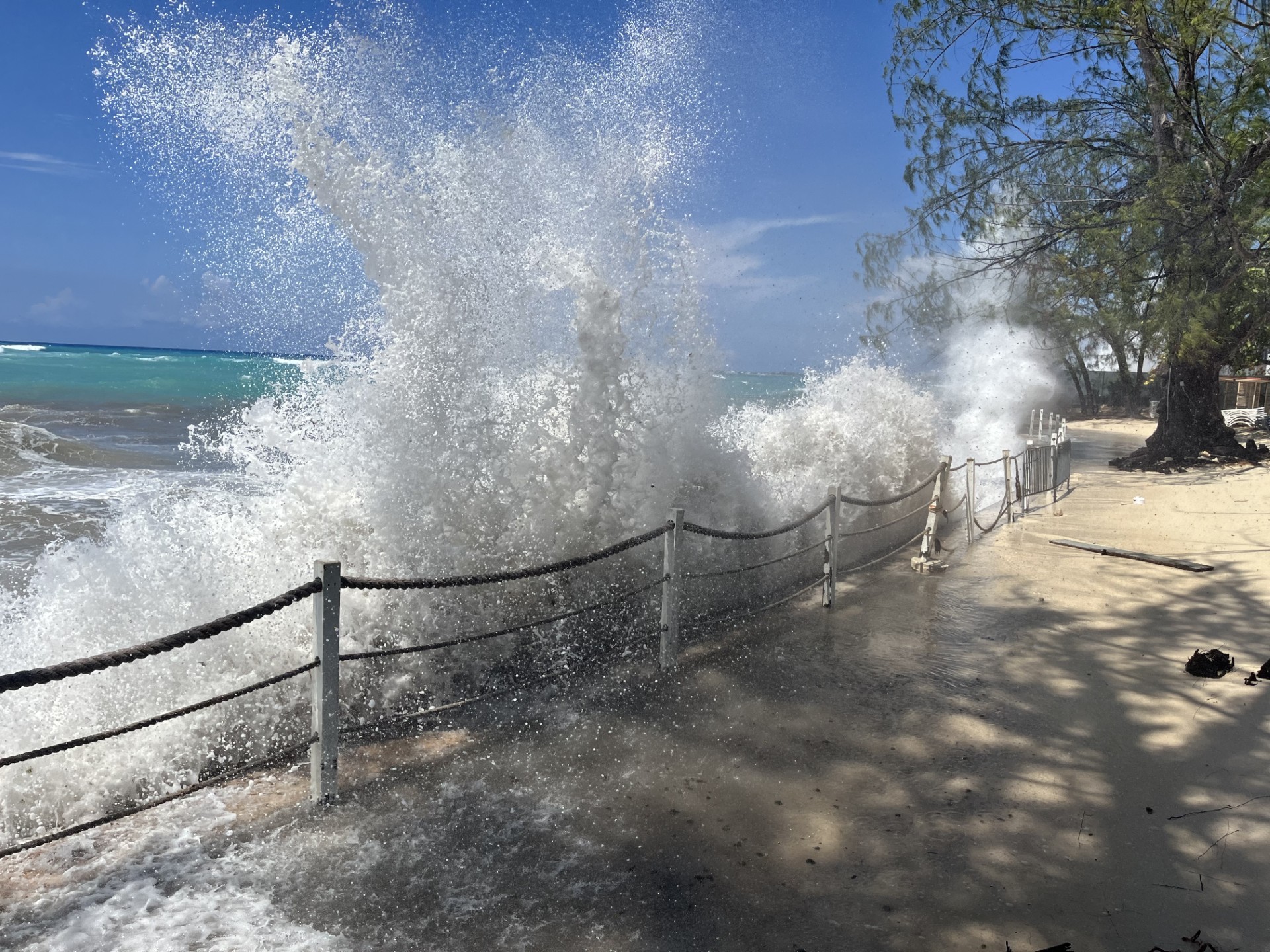
Beryl brought widespread flooding to Grand Cayman, downed power lines and toppled trees. The extremely rough waves did significant damage to some of the seafront units at Windsor Village and a number of other properties. It also damaged docks and caused substantial erosion on Seven Mile Beach.
Hurricane Beryl subsequently went into the record books as the earliest Atlantic basin Category 5 hurricane on record and took 68 lives around the region.
Helene
On 20 Sept., the Cayman Islands National Weather Service began issuing warnings for a broad area of disturbed weather that was expected to bring very heavy rainfall and rough seas to the Cayman Islands from late on 22 Sept.
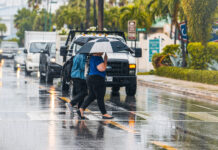
Several homes were flooded in the rain associated with this disturbance, which started as a broad area of low pressure near the Cayman Islands. The storm was accompanied by torrential rains, which continued for the next three days, causing schools to close. Airport operations also ceased on 25 Sept.
This disturbance eventually strengthened into Hurricane Helene, which later went into the history books as the strongest hurricane on record to strike the Big Bend area of Florida, hitting 140mph at landfall, and the deadliest hurricane since Hurricane Maria in 2017.
Helene caused more than 230 fatalities across the southeastern United States and billions of dollars’ worth of damage.
Milton
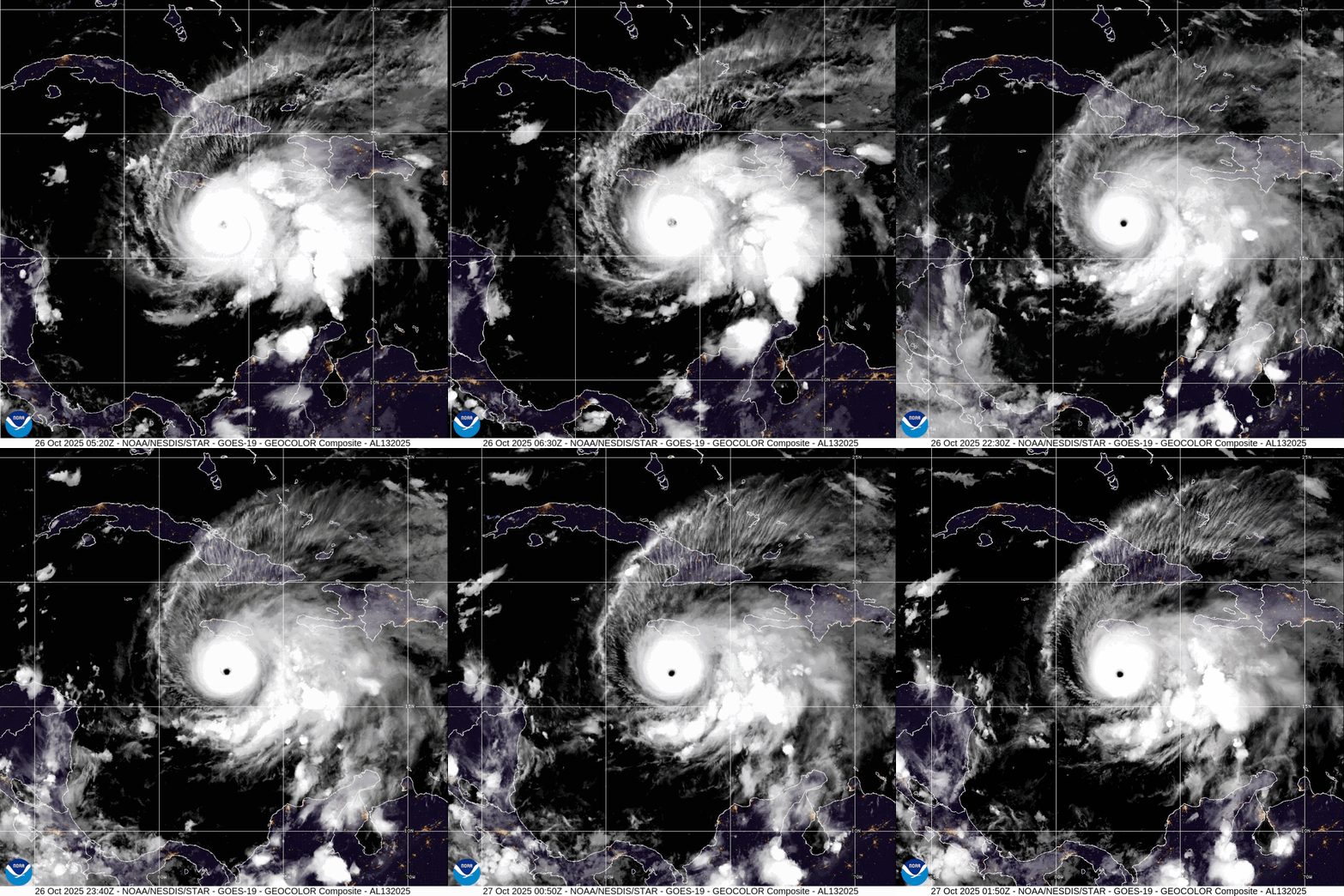
On 7 Oct., Hurricane Milton underwent a period of explosive intensification, becoming a Category 5 hurricane with wind speeds of 180mph. Milton’s rate of rapid intensification is among the highest ever observed, with a 90-mile-per-hour increase in wind speed during the 24-hour period from early 6 Oct. to early 7 Oct.
Despite being hundreds of miles away and tracking across the Gulf of Mexico, Hurricane Milton still influenced weather conditions in the Cayman Islands, with large waves crashing ashore on the west side of Grand Cayman, undermining part of the sea wall at Coral Beach and also at the nearby Royal Palms on Seven Mile Beach.
Related Videos