For the latest information on storm activity in the Cayman Islands, as well as information on how to prepare for hurricane season, visit Storm Centre.
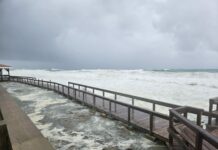
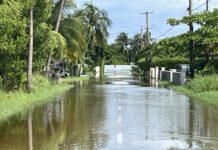
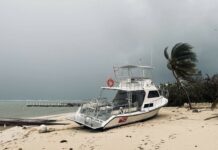
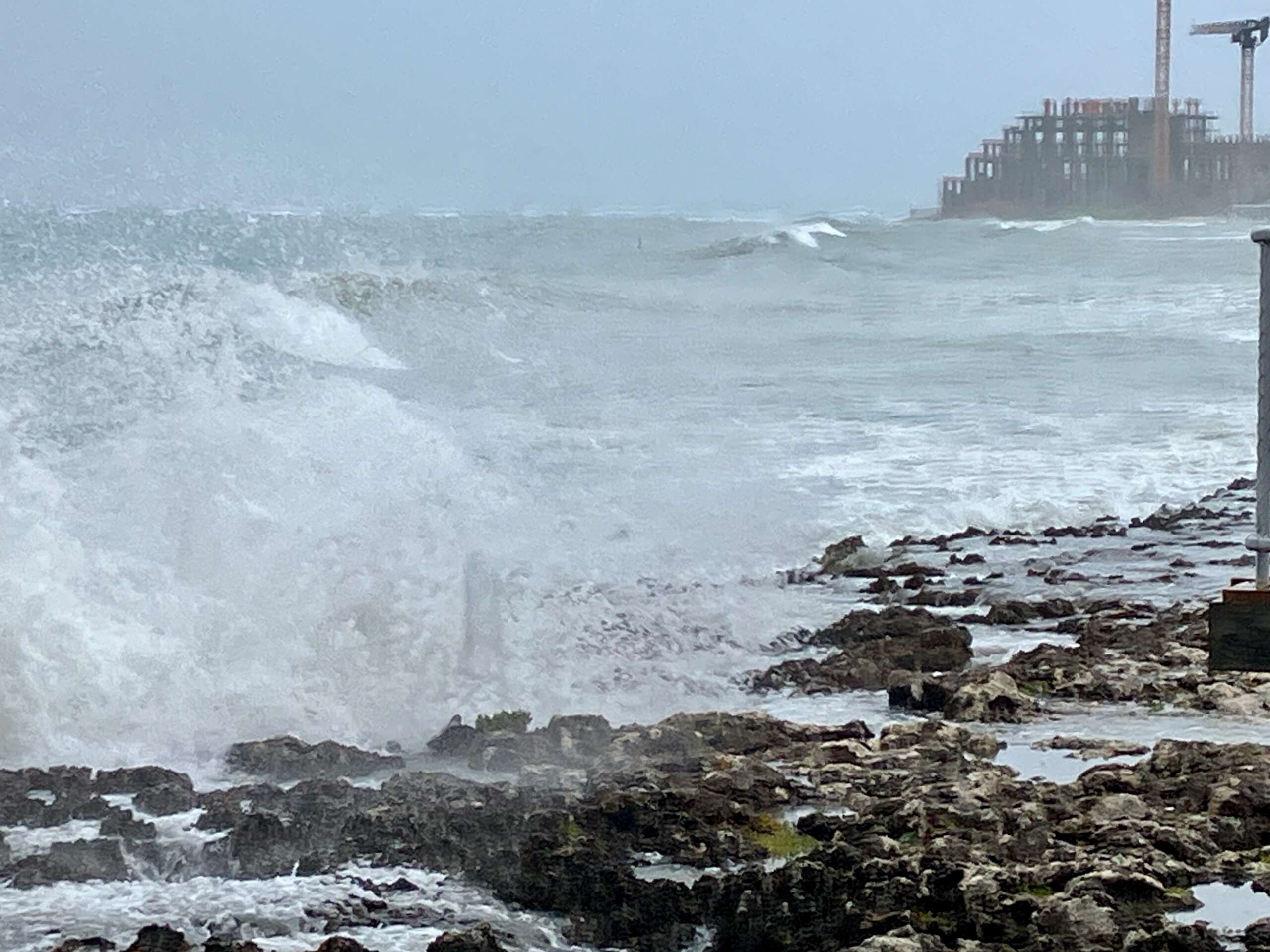
While the Cayman Islands was spared significant damage, Hurricane Beryl left a path of death and destruction through the Caribbean.
The storm, which came off the West African coast, will go down in the record books as the earliest calendar year Atlantic Category 5 hurricane, beating the prior record held by Hurricane Emily in July 2005.
The storm gained Category 5 status under the Saffir-Sampson wind scale, with maximum winds of 160 mph.
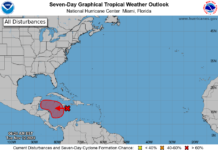
Beryl passed 44 miles south west of Grand Cayman at its closet point of approach as a Category 4 hurricane on 4 July.
The BBC reported that it took just 42 hours for Beryl to go from a tropical depression – with maximum sustained wind speeds of 38mph or less – to a major hurricane, a status given to storms with maximum sustained winds of 111 mph.
Philip Klotzbach, Meteorologist at Colorado State University, said 13 other Category 4-5 hurricanes have tracked within 100 miles of the Cayman Islands on record, with the most recent being Paloma (2008).
At least 10 people were killed as Beryl made her way through the Caribbean.
With Beryl’s formation, as well as the formation of storms Alberto and Chris, Klotzbach said the Atlantic has now generated the most Accumulated Cyclone Energy (ACE) on record through 3 July, breaking the old record set in 1886.
ACE is integrated metric account for storm frequency, intensity duration, he said.
The 2024 Atlantic hurricane season, he said, has already surpassed 30 ACE (Accumulated Cyclone Energy) – “the fastest an Atlantic hurricane season has reached 30 ACE on record”.
Prior record holder was 1933, which reached 30 ACE on 6 July.
Forecasters at Colorado State University’s Tropical Meteorology Project have projected an “extremely active” hurricane season, calling for as many as 23 named storms that surpass winds of 39 miles per hour or higher.
Related Videos