Here’s a conundrum for Cayman’s next coterie of politicians.
If it costs over $60 to fill up a midsize car with petrol and a cauliflower will set you back $13, how is the average person balancing their household budget in the face of mounting cost of living challenges?
Add this to a bleak pre-election financial forecast, which indicates government will face a likely deficit of $26.2 million by the end of the next financial year, and it’s little wonder the three main parties are jockeying to offer solutions to voters already grappling with increased prices – and lay the blame for the state of the public purse at the feet of previous administrations.
Manifestos for a cheaper Cayman
Although inflation in Cayman peaked at 12.1% in June 2022, and settled at 2.6% last year as the rest of the world also saw interest rates fall, the price of goods is significantly higher for Cayman’s consumers than it was four years ago, when the territory last headed to the polls.
And it’ll be at the forefront of many voters’ minds as they head to the ballot box this time around.
But, as Cayman economist and Compass columnist Simon Cawdery says, inflation impacts different members of society differently.
With a higher disposable income, inflation has much less of an impact on the wealthy, he explains, which means their voting decisions won’t be as influenced by election promises to curb costs.
“The less affluent on the other hand have very low disposable income, made worse by inflation, and are much more attuned to government policies and political ideas to reduce costs,” he points out.
With that in mind, the three parties’ manifestos read as both a roadmap for policy priorities over the next four years and offer some insight into their target voters.
Sustainable solutions to reduce energy and food costs from TCCP
In The Caymanian Community Party manifesto, André Ebanks’ group of 10 candidates set out 10 top priorities for the first two years of their administration.
Cost of living is the first one on the list.
The group is promising “immediate action” to reduce the burden on Caymanians by lowering the cost of “housing, electricity, food, insurance and health care”.
With energy efficiency and renewable solutions proposed to benefit both pocket and planet, the party is pushing a long-term goal of enhanced renewable options on island, and an interim suggestion to transition to liquified natural gas to bring costs down “swiftly and efficiently” and serve as a “stepping stone towards our overarching goal of meeting and exceeding our renewable energy targets”.
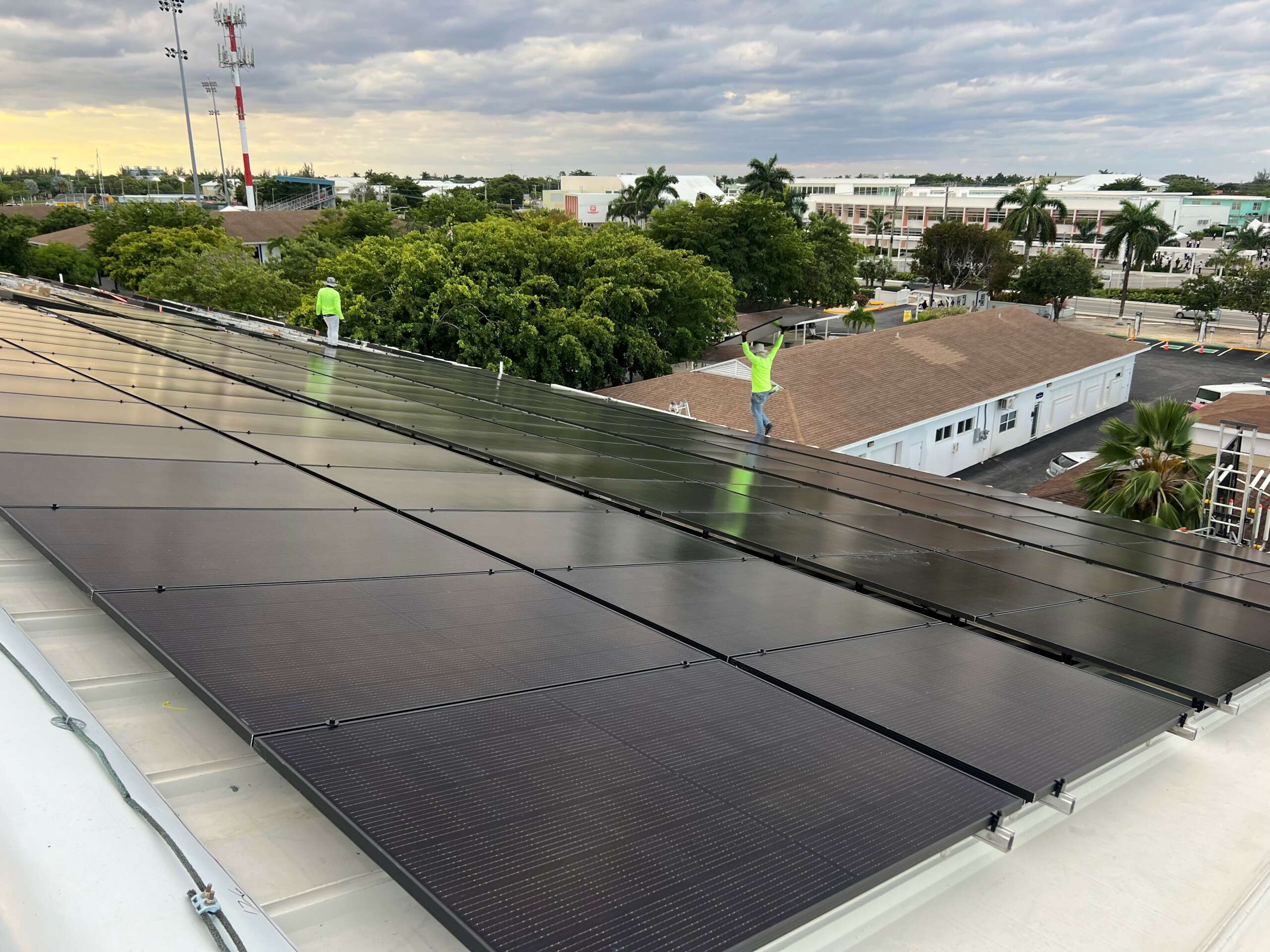
To do this, TCCP says it can reduce electricity bills via:
- collaboration between government, CUC and OfReg to switch to transitional fuels;
- expanding programmes and regulations to make homes more energy-efficient;
- widening rooftop solar, developing broader-scale solar projects from which community members are allowed to benefit, and exploring the covered landfill as a site for a solar farm;
- working with CUC to move to utility-scale renewable energy;
- and reviewing duty charges to weigh duty fees calculated by cost rather than volume.
Similar sustainability initiatives also weave through the party’s proposals to reduce grocery bills, by expanding local food production through encouraging backyard farming, ensuring prices at the supermarket reflect reductions in energy costs, and encouraging community cooperatives to leverage economies of scale to reduce costs on the individual.
TCCP also suggests looking outwards to offer zero duty on healthy and organic foods, as proposed in a Compass leader earlier this year.
Leveraging Cayman’s regional credentials is another proposal to curb costs – and circumvent looming US tariffs – from TCCP, and was also voiced by several candidates through the Chamber of Commerce’s candidate forums.
Curbing costs – who said what on the campaign trail?
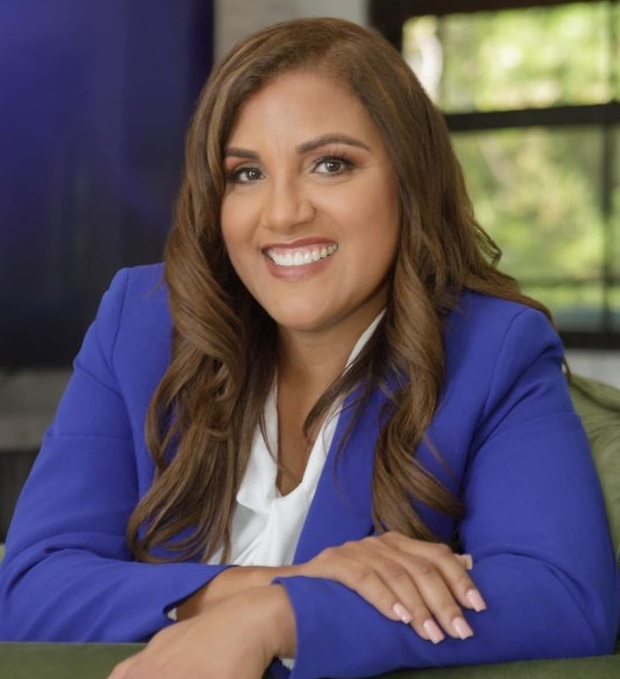 “What I am proposing is that the duty that’s being charged on fuel that’s imported into the island be removed for at least 12 to 18 months that causes the consumer to see at least 4% reduction in their utility bills.”
Dwayne Seymour, PPM, Bodden Town East
 “I can say that I’ve been working on a programme with this government, it didn’t go any further because the leadership didn’t think it was important, but I think it’s important for us to create a government discount store, and that discount store will be on products that are already duty free.”
Nickolas DaCosta, CINP, Cayman Brac West and Little Cayman

“Cost of living is a multifaceted element, there are many different webs and legs to that, and once we attack one, we can address all levels of our lives. Something simple has a trickle-down effect, but we have to address it, whether it’s the duty that’s charged on fuel used to generate electricity, whether it’s negotiating trade deals for food security for our retailers here in the country.”
The PPM on reducing the high cost of health
The People’s Progressive Movement also references cost of living challenges from the early pages of its manifesto.
In leader Joey Hew’s message, he acknowledges, “People are working harder but feeling further behind”, while chairman Alden McLaughlin hits out at the PACT government for failing to “respond effectively to the cost of living crisis that continues to cause so much hardship for Caymanian families.”
One of the signature pieces of the PPM manifesto – indeed the word ‘health’ appears 70 times in the document – to tackle the issue seeks to make health insurance “more affordable”. This was also a common refrain from its 13 candidates on the campaign trail.

Proposing a programme of free basic healthcare for Caymanian children, with reductions in costs for the “elderly and vulnerable,” the party also stresses the need for “wider reform of the health insurance system”.
Central to its proposed ‘Healthy for Life’ policy will be a new ‘Children’s Health Insurance Plan’ which will provide free basic healthcare to Caymanian children, administered by CINICO.
The PPM promises provision for this cornerstone programme will be made in its first budget and will cover:
- preventive services including immunisation programmes, postnatal ‘well-baby’ services and comprehensive health checks at key milestones;
- access to primary care and acute services to deal with urgent illnesses and injuries;
- dental check-ups and treatment;
- optician appointments;
- access to community and inpatient mental health services;
- and ongoing care for children with chronic medical conditions and disabilities.
The PPM also estimates a 10-20% potential reduction in costs to government of caring for the ‘medically indigent’ (a group mostly comprising unemployed people and seniors without health insurance) by collaborating with healthcare providers to deliver “both preventative and reactive” care, “ensuring affordable, high-quality healthcare for the Caymanian elderly, and our most vulnerable citizens”.
“The access barriers created by lack of insurance coverage are resulting in worsening health outcomes for many Caymanians while, at the same time, the cost of meeting the needs of ‘medically indigent’ individuals is unsustainable for the government,” the party warns.
Who said what on the campaign trail?
Emily DeCou, TCCP, George Town East
 “Ways that we are proposing to remove some of those barriers to health insurance access include looking at data to really understand where the money is going, as we’ve seen recently health insurance premiums have skyrocketed and we’re still quite unsure as to where the money is going. This really requires a proactive and smart approach factoring in retirees and others who maybe do not qualify for government supported health insurance plans.”
Vassel ‘Bud’ Johnson Jr., CINP, George Town East

“The Cayman Islands National Party has seen retired constituents who choose between paying their mortgage and paying their health insurance. They have no health cover. It is a major issue in our island … One [solution] is to investigate the possibility of a national captive in order to provide health insurance for seniors … We’ll also review the effectiveness of the health insurance law to ensure that insurance companies are required to provide cover for seniors at a reasonable and fair rate.”
CINP and the ‘productivity-linked wage framework’
The Cayman Islands National Party, too, references the burden of “record-high cost of living” from the get-go in its manifesto.
Leader Dan Scott promises, after immigration reform, that his party of 12 aspiring MPs will drive down costs “by tackling housing, food security, and healthcare access head-on”.
One of seven themes underpinning its manifesto, the CINP dedicates one prong to strengthening the economy, promising “sustainable wage growth and inflation management”.
Ruling out a blanket increase to the minimum wage across the board as “not practical”, the party warns of “inflationary pressures, capital outflows through remittances and cost burdens on businesses”, stating foreign workers represent “over 60%” of minimum wage earners.
“CINP believes that to ensure sustainable wage growth, economic stability, and improved opportunities for Caymanians, a targeted productivity-linked wage framework modelled on best global practices will help Caymanian workers earn more without driving up prices for everyone,” the party states.
What does this mean?
The party proposes the establishment of sector-specific frameworks that:
- correspond with a worker’s skill level and productivity;
- target industries dominated by overseas workers on low wages;
- require businesses to provide Caymanians with opportunities to upskill so wages reflect qualifications and industry standards;
- and encourage workforce development and “higher value job creation” for citizens.

It also promises a ‘foreign worker opportunity fee system’ or a tiered levy on imported labour, where employers will be expected to pay a cost on each foreign worker. Such fees will be higher for industries with a higher percentage of expat workers if they are judged to be “sectors that citizens aspire to work in”, and the fees raised will be redistributed into training and stipends for Caymanians on apprenticeships.
The scheme will encourage employers to “hire and invest in local talent”, the party says.
The final prong of the proposal sees pay linked to what it calls “economic performance”, whereby employers raise wages based on “productivity gains” rather than cost of living adjustments, with tax incentives and grants available for employers and the introduction of a ‘national skills certification programme’ so wages marry up with workers’ qualification level.
By contrast, TCCP proposes an increase to the minimum wage using a “phased approach based on the Advisory Committee’s recommendation” and the PPM recommends increasing the rate to $9 per hour, as well as “providing for the ongoing upgrading of the minimum wage linked to inflation”.
Minimum wage – who said what on the campaign trail?
Jay Ebanks, IND, North Side
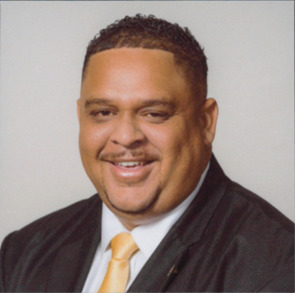
“There are going to be sectors that, I think, yes, minimum wage needs to to go into, but what sectors are there going to be here? Is it the ones that we want to see our Caymanians [go] into? Or do we want to just put a a blanket right across everything? [People will say] you guys just raised the minimum wage … my kids are home now without a helper anymore, so we really have to look at it very, very carefully, because it will push the cost of living in this country up higher.”
Donna Bush, PPM, Savannah
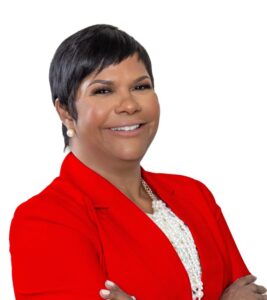
“I believe that $8.75 is not even enough, but it’s a good place to start … We have to stop holding back on these things. You know, we take these things out for consultation, and then we come back with answers and recommendations, and then it’s halted. We can no longer afford to do that.”
Osbourne ‘Ossie’ Bodden, TCCP, Bodden Town West
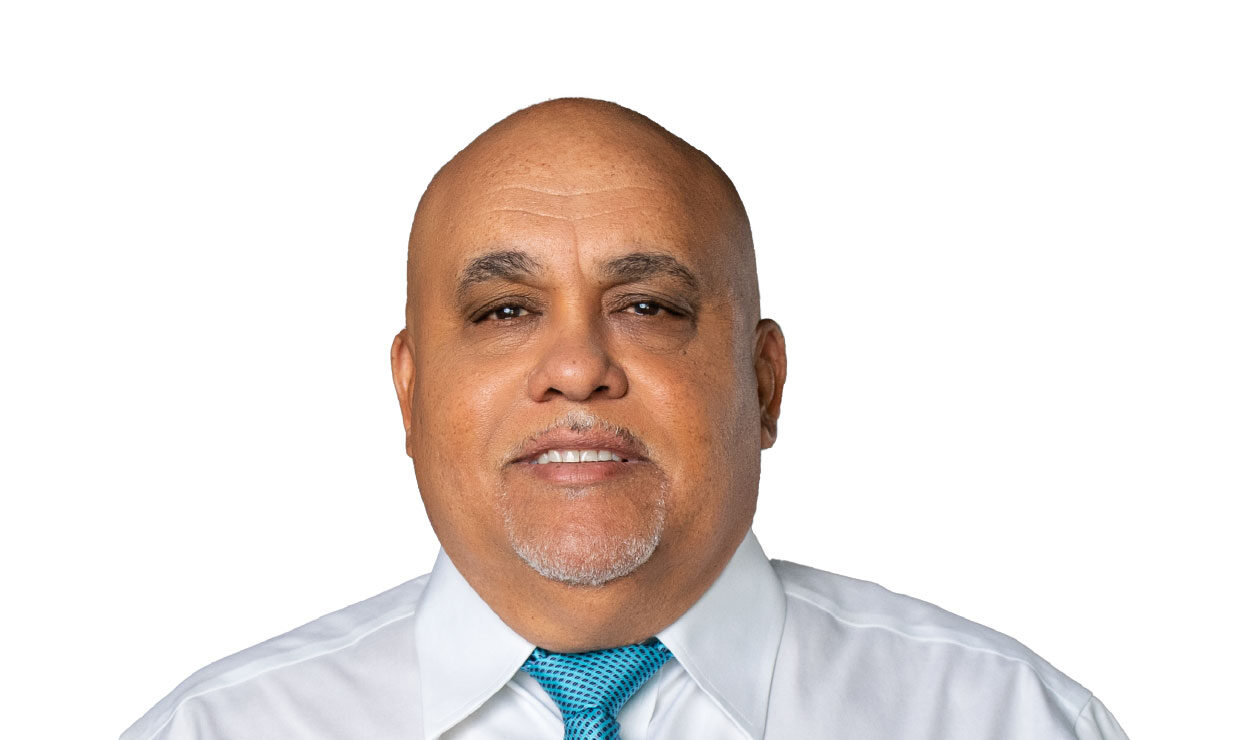
“I will definitely support the increase in the minimum wage that was recommended by the committee that was set up for that purpose. I don’t know why it was not [implemented], but I feel that it was self-serving … I think also that we need to look at bringing in a Consumer Protection Act that will give the consumers some recourse when they go to buy products.”
Tariffs and outside influences
Addressing the cost of living in any kind of meaningful way is the challenge that awaits the victors on 30 April.
But it’s not all in the hands of the political hopefuls.
As Compass columnist Cawdery points out, while Cayman governments can take actions to reduce costs in Cayman, the territory can’t influence its own inflation rate, since it doesn’t control its monetary policy.
“Being USD pegged means we take the monetary policy of the US, whether for good or bad and, as such, actions taken locally can be helpful but could easily be blown away by actions happening in the US,” he explains.
Want to know more?
Rising rents, a property market that puts home ownership out of many people’s reach, and mounting mortgage costs clearly also dominate a large section of the pie chart that is the average family’s budget. That issue was focus of a separate analysis in this series.
The Compass has reported extensively on issues allied to the cost of living over the outgoing administration’s tenure.
From a special series investigating the economics of minimum wage work, to analysis of a cost-of-living caused exodus in one direction and recruitment crisis in the other, we also tracked the impact of rising costs on the islands via eggs, lettuce, and take-out.
Read the manifestos
If you want to delve deeper, the PPM manifesto, the TCCP manifesto and the CINP manifesto are linked here.
Related Videos